- Prep
- 15 min
- Cook
- 12 min
- Total
- 27 min
- Serves
- 24
- Calories
- 140 kcal
- Carbs
- 21.00 g
Introduction
I bake these Apple Butter Snickerdoodle Cookies whenever I want a fast, cozy treat that smells like fall and doesn’t demand a lot of fuss. The first time I tried apple butter in a snickerdoodle, the kitchen filled with warm cinnamon and a fruity sweetness that felt instantly familiar—like a blanket and a mug of tea rolled into a cookie. I love how simple the process is, even when you’re juggling a busy evening. In my kitchen these cookies are a go-to when friends drop by or when I want something comforting without a long ingredient list. They come together quickly, and the apple butter does most of the flavor work for you—so you get cozy cinnamon notes plus a rounded apple sweetness with very little effort. They brown beautifully at the edges while staying soft in the middle, which is my personal benchmark for a great cookie. I’ll be honest: the first batch I over-mixed and ended up with denser cookies. Since then I’ve learned the small moves that make a big difference—gentle mixing, using room-temperature fats, and sometimes a short chill to control spread. I’ll share those tips below so you can get perfect, soft-centered cookies every time.Why these Apple Butter Snickerdoodle Cookies are the Quick, Cozy Bake You Need
These cookies are a fast way to bring fall into your home without a long ingredient list or advanced techniques. The apple butter adds natural sweetness and moisture, while cinnamon ties everything back to the snickerdoodle profile you love. The method is straightforward—no complicated creaming or multi-step chilling—so even a novice baker can turn out reliably soft cookies. Sensory note: picture the smell of cinnamon warming the house and the sight of slightly domed cookies with golden edges and pillowy centers. That aroma alone makes the whole process feel worth it.Everything You Need for Apple Butter Snickerdoodle Cookies
Below I list the ingredients and basic tools I reach for every time I make this recipe. I keep measurements in my recipe card, but here I’ll explain why each item matters and what you can swap without changing the result too much.- Apple butter – The flavor and moisture anchor for these cookies; you can use a smooth, spreadable apple butter for the best texture.
- All-purpose flour – Provides structure; you can experiment with blends for different textures (see Dietary Swaps).
- Granulated sugar – Helps with spread and crisp edges; work with it alongside brown sugar for chew and flavor.
- Brown sugar – Adds chewiness and a hint of molasses that pairs beautifully with apple.
- Ground cinnamon – The essential warming spice; use fresh-ground for brighter aroma.
- Baking soda – Gives a little lift and helps set the cookie’s edges.
- Salt – Balances sweetness; if you use salted butter, adjust to taste.
- Egg – Binds and adds moisture for a tender crumb.
- Unsalted butter – For best control of salt in the recipe; soften to room temperature so it creams easily with sugars.
- Equipment – Mixing bowls, a sturdy spatula or mixer, baking sheets, parchment paper, and a wire rack for cooling.
Why Apple Butter Makes These Cookies So Soft and Flavorful
Apple butter brings concentrated fruit flavor and extra moisture compared with plain fruit purées. That extra moisture keeps the cookie interior tender and soft while the sugars help the edges caramelize. Because apple butter carries natural sweetness and apple depth, you can rely on it to add complexity without needing a long list of spices. If you want a lighter ingredient with a similar profile, consider a well-spiced applesauce, but expect a slightly different texture—apple butter yields a richer, denser chew. For a flavorful base, consider using healthy apple butter in your cookie dough to enhance the taste and texture.The Secret to a Soft Center and Golden Edge
A few small technique points create that ideal contrast between tender center and golden edge:- Don’t over-mix once the flour goes in—stop as soon as you have a homogenous dough. Over-working develops gluten and will make cookies tougher.
- Use room-temperature butter and egg so they incorporate smoothly; cold butter causes uneven texture and too-soft butter causes excess spread.
- Bake until the edges are golden but the centers still look slightly underbaked. They’ll finish setting on the sheet while cooling, which keeps the center soft.
Quick Texture Fixes: Chilling, Flour, and Mix Time
Here are the practical fixes I reach for when cookies don’t come out the way I want. These are written as short, usable tips you can try at home.- Chill the dough – A short chill firms the fats and reduces spread, producing thicker, chewier cookies.
- Flour choice – All-purpose is the go-to; if cookies are too dense, check your flour measurement method (see How to Make). Bread flour will make chewier cookies; cake flour will make them more tender.
- Mix time – Cream the butter and sugars until light but don’t over-whip after adding flour. Over-mixing is the most common reason for tough cookies.
- Oven temperature – If cookies brown too fast, your oven might run hot—use an oven thermometer and lower the temp slightly for a gentler bake.
How to Make Apple Butter Snickerdoodle Cookies (Step-by-Step)
- Preheat your oven and line a baking sheet with parchment to prevent sticking and promote even browning.
- Whisk together the dry ingredients in a bowl so the baking soda, cinnamon, and salt are evenly distributed.
- In a separate bowl, cream the softened butter with the granulated and brown sugars until smooth and slightly fluffy—this traps air for a lighter cookie.
- Beat in the apple butter and the egg until the mixture is even; scrape the bowl so nothing hides at the bottom.
- Gently fold the dry ingredients into the wet mixture until just blended—stop when you can’t see streaks of flour.
- Scoop portions of dough onto the prepared sheet, leaving space for gentle spread; if you like, sprinkle a little cinnamon sugar on top for extra crunch and aroma.
- Bake until the edges are lightly golden while the centers remain soft to the touch. Let cookies cool on the baking sheet briefly before transferring to a wire rack so they set without losing softness.
Pro Tip for apple butter snickerdoodle cookies: Chill Dough for Thicker, Chewier Cookies
I recommend chilling the dough if you want thicker, chewier cookies. Below are quick, scannable tips:- Chill time: A minimum of 30 minutes is a good baseline; for even thicker results, chill 1–2 hours or overnight.
- Effect: Chilling solidifies the fats so the cookie spreads less and keeps a higher center as it bakes.
- Timing tip: If the dough is very sticky, a short chill will make scooping cleaner and neater.
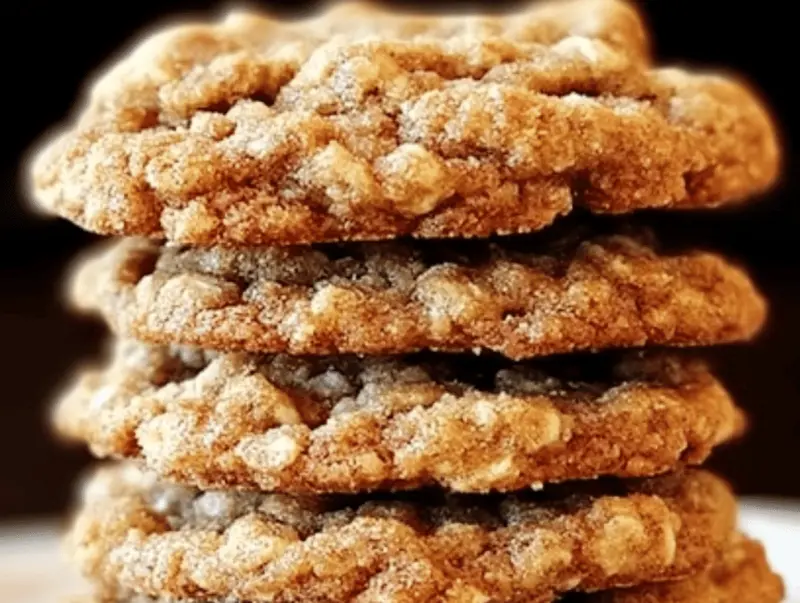
- Reference: For a classic cookie technique that uses chilling to control spread, you might also like this take on the best chocolate chip cookies.
How to Store, Freeze, and Reheat Apple Butter Snickerdoodle Cookies
Keeping these cookies fresh is easy and makes them feel like you baked them that day when reheated. Here’s how I handle leftovers and make-ahead batches:- Room temperature – Store cooled cookies in an airtight container for up to a week; place a small slice of bread in the container to help keep them soft if you like.
- Freezing baked cookies – Cool completely, then layer between sheets of parchment in an airtight container or freezer bag. Thaw at room temperature before warming.
- Freezing dough – Scoop dough onto a tray, freeze until firm, then transfer to a bag; bake frozen scoops adding a minute or two to the bake time.
- Reheating – Warm briefly in a low oven or microwave for a few seconds to restore that fresh-baked texture and aroma. If you love apple flavors, you may also enjoy our apple pie baked oatmeal as a cozy breakfast pairing.
Dietary Swaps for Apple Butter Snickerdoodle Cookies
I test simple swaps in my kitchen so you can adapt these cookies to different needs without losing their cozy charm.- Whole grain – Use part whole-wheat flour or a blend to add nuttiness; expect a slightly denser cookie.
- Natural sweeteners – Swap some sugar for maple syrup or honey, but reduce other liquid slightly to keep the dough consistency right.
- Dairy-free / vegan – Replace butter with a firm plant-based spread and use a flax or chia egg; texture will be slightly different but still pleasant.
- Gluten-free – Use a reliable gluten-free all-purpose blend with xanthan gum for structure; cookies will bake similarly with just a small texture change.
Creative Variations and Add-Ins
Keep these ideas on hand when you want to personalize the cookies; I write these as bulleted options so you can scan and choose quickly.- Add chocolate chips or white chocolate chunks for a sweet contrast against the apple spice.
- Stir in chopped toasted nuts like pecans or walnuts for crunch and autumn flavor.
- Brighten the dough with a pinch of ground nutmeg or cardamom alongside the cinnamon for more depth.
- Top warm cookies with a light glaze made from powdered sugar and a touch of apple cider for an elegant finish.
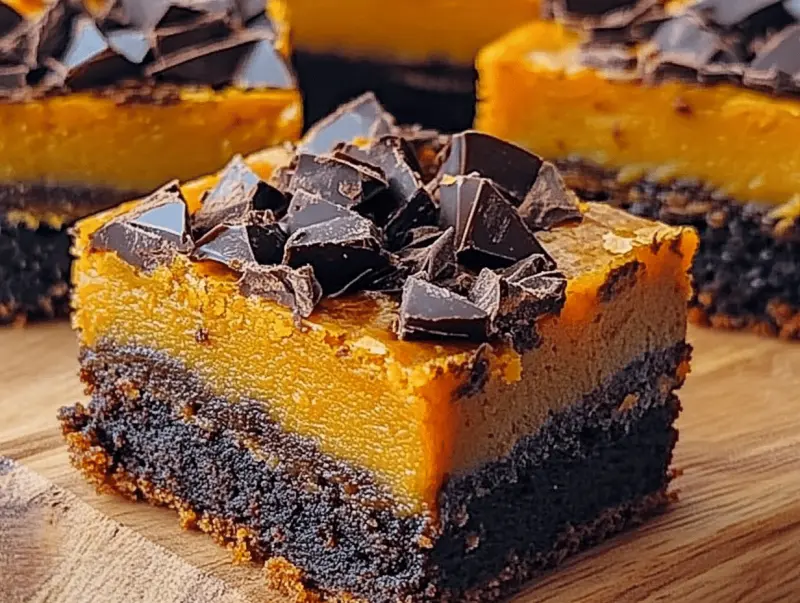
- For another autumn-inspired dessert, try pairing your cookies with a pumpkin cheesecake, which will surely delight your guests.
Frequently Asked Questions
What can I use instead of apple butter? You can substitute apple butter with homemade or store-bought applesauce, but it may slightly alter the texture and flavor. Adding a little extra cinnamon can help achieve a similar taste. How do I make my cookies thicker? To make thicker cookies, chill the dough for at least 30 minutes before baking. This helps prevent spreading and results in a chewier texture. Can I add mix-ins to the dough? Absolutely! Feel free to add chocolate chips, chopped nuts, or dried fruits to customize your cookies to your liking. How should I store leftover cookies? Store the cookies in an airtight container at room temperature for up to a week, or freeze them for longer storage. Just make sure to let them cool completely before freezing! Can I make these cookies gluten-free? Yes! You can use a gluten-free all-purpose flour blend to make these cookies gluten-free. Just ensure the blend contains xanthan gum for better structure.Recipe Card
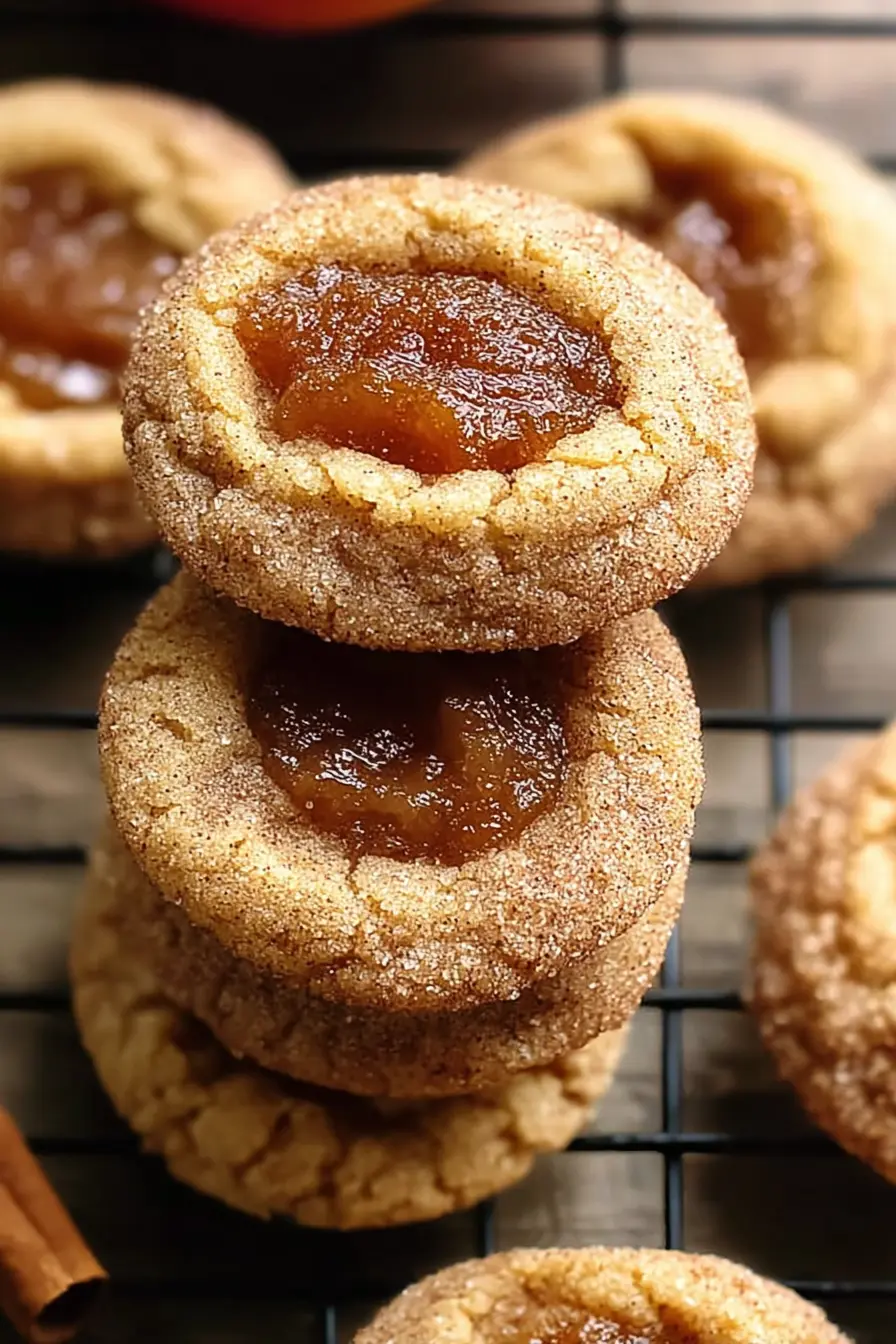
The Cookie I Make Every Fall: Apple Butter Snickerdoodle Cookies
- Prep
- 15 min
- Cook
- 12 min
- Total
- 27 min
- Serves
- 24
- Calories
- 140 kcal
- Carbs
- 21.00 g
Ingredients
- 1 cupapple butter
- 2 cupsall-purpose flour
- 1/2 cupgranulated sugar
- 1/2 cupbrown sugar
- 2 tspground cinnamon (plus extra for sprinkling)
- 1 tspbaking soda
- 1/4 tspsalt
- 1 largeegg
- 1/2 cupunsalted butter (softened)
Instructions
- 1
Preheat oven to 350°F (175°C) and line baking sheets with parchment paper.
- 2
In a bowl, whisk together flour, baking soda, cinnamon, and salt.
- 3
In another bowl, cream together softened butter, granulated sugar, brown sugar, and apple butter until smooth.
- 4
Add the egg and mix until fully combined.
- 5
Gradually incorporate the dry mixture into the wet ingredients until just blended.
- 6
Scoop tablespoon-sized portions onto prepared baking sheets, spacing them apart. Sprinkle with cinnamon sugar if desired.
- 7
Bake for 10-12 minutes until golden around the edges but still soft in the center. Cool on wire racks.
You might also like
Reviews
Be the first to review this.