- Prep
- 20 min
- Cook
- 20 min
- Total
- 40 min
- Serves
- 4
- Calories
- 516 kcal
- Carbs
- 10.00 g
Introduction
I love a recipe that lets me get a hot, satisfying breakfast on the table without stealing my entire morning. In my kitchen this asparagus frittata has become a go-to on busy days: the asparagus gives a bright snap, the cheeses add comfort, and the whole thing cooks in one skillet so cleanup is minimal. I often make it when I know the kids will need something filling before school and we have just a short window to eat. What I appreciate most is how forgiving the dish is. I keep a stash of extra vegetables and different cheeses in the fridge, and I’ll swap things in depending on what we have. I’ve learned a few small habits — like sautéing the veg to release excess moisture and finishing the frittata in the oven — that make the texture reliable every time. Because this is for busy families, I focus on getting a custardy interior without a watery base and on timing that keeps the oven stage short. I’ll also share how I pack leftovers for lunches and the simple reheating tricks that keep the frittata from drying out. Read on for what I use, how I cook it, and easy swaps when the pantry gets creative. Note: Pro-Tips, Troubleshooting, and Variations below are presented as bulleted lists for quick scanning.Why This Asparagus Frittata Works for Busy Families
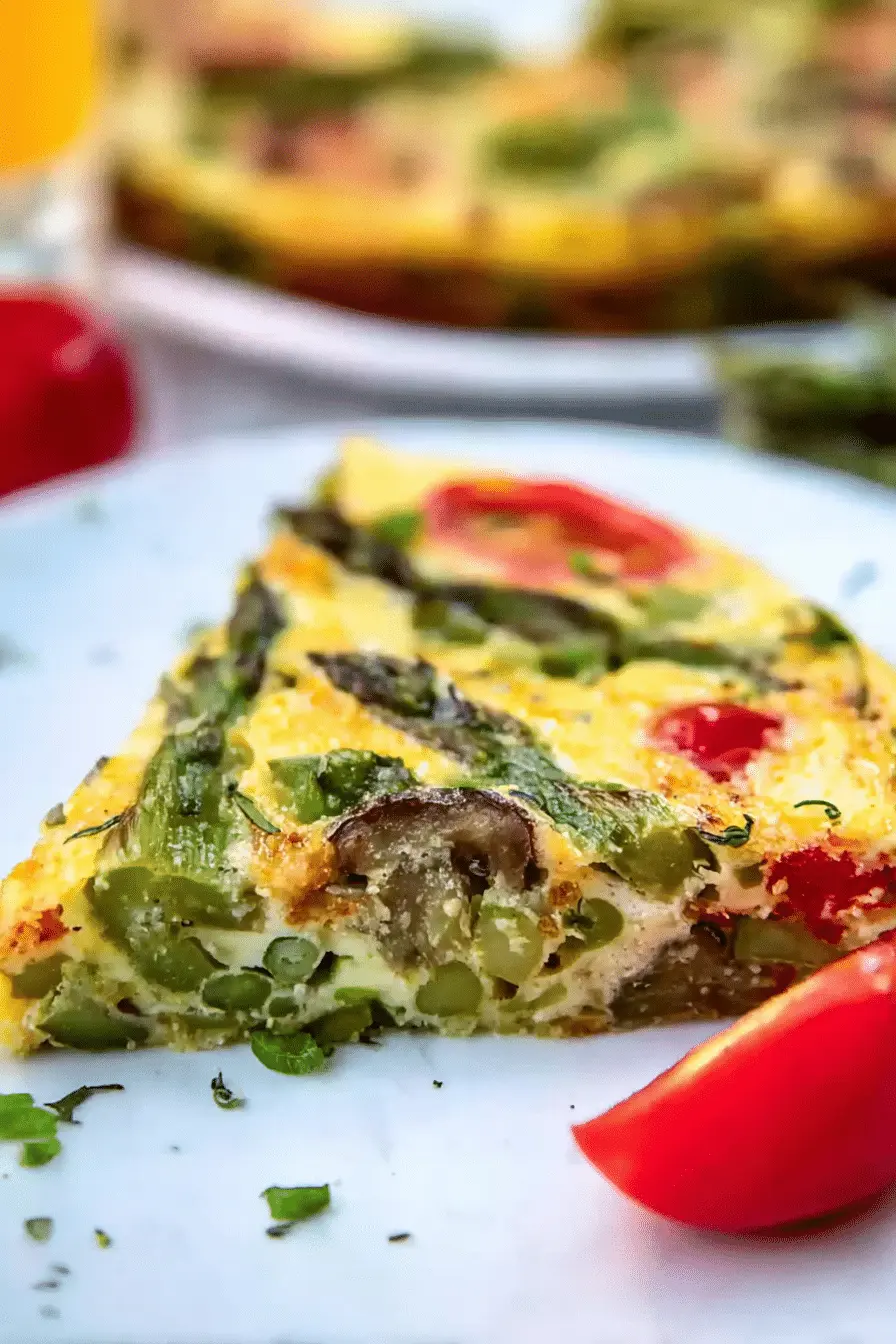
This recipe fits a rushed morning because it comes together quickly, feeds several people, and uses accessible ingredients you can vary freely. Visualize a golden-top frittata dotted with bright green asparagus tips and colorful tomatoes — it looks like a proper breakfast, even if you only had ten minutes to spare before school or work.
It’s also great for using leftovers: roasted vegetables, extra cooked mushrooms, or last night’s salad mix can all find a home here. Because it’s high in protein and includes vegetables, it holds everyone until the next meal and keeps packed lunches satisfying.
Finally, the one-pan approach means you spend more time eating and less time doing dishes — a tangible win for busy households.
Everything You Need for Asparagus Frittata
Below I break down the ingredients and tools I rely on, framed around freshness and simplicity. Ingredients are described by purpose and substitution ideas rather than exact amounts so you can adapt based on what’s on hand.
- Asparagus – The star vegetable; adds a fresh, slightly grassy bite. Thin spears cook quickly, while thicker ones can be trimmed and par-cooked if needed.
- Mushrooms – Provide meaty texture and umami. Brown varieties hold up well when sautéed first.
- Cherry tomatoes – Add bright acidity and pops of color; halve them so they release just enough juice without sogginess.
- Eggs – The base that sets into a custardy structure; whisk well to incorporate air for lightness.
- Mozzarella and Cheddar – Melting cheeses that create that gooey, familiar comfort; use sharper cheddar for more bite or milder for kid-friendly flavor.
- Parmesan – Adds savory depth and a touch of saltiness; grate freshly if you can for the best flavor.
- Feta – Crumbled on top to introduce a tangy contrast; swap with goat cheese for a creamier tang.
- Butter (or oil) – For sautéing the vegetables and building a lightly golden base; oil works fine for a dairy-free option.
- Green onions – Freshness and a mild onion note to finish; chives or parsley are good alternatives.
- Cast iron skillet or ovenproof pan – An ovenproof skillet gives the best crust and transfers easily to the oven; nonstick pans work if you’re careful removing the frittata.
- Whisk and mixing bowl – For aerating the eggs and ensuring even distribution of cheeses and seasonings.
The Secret to a Custardy, Not Soggy, Frittata
Getting a smooth, custardy interior with a lightly set crust comes down to managing moisture and heat. I always sauté vegetables first to release water so the eggs don’t absorb excess liquid while setting. The cheeses help with creaminess but also contribute salt — taste carefully before adding more salt.
Whisking the eggs until slightly frothy incorporates air and helps the finished frittata feel light. When you add the eggs to the pan, cook gently until the edges start to set, then finish the top in the oven; this two-stage method keeps the bottom from overcooking while the center firms to a custardy texture.
Timing and Temperature: How to Cook Fast Without Overcooking
Balance quick stovetop work with a short oven finish. A hot skillet sears the vegetables and builds a bit of browning; reduce the heat slightly before pouring in the eggs so the bottom doesn’t brown too fast. The oven step should be brief — just long enough for the center to finish setting and the top to take on a touch of color.
Signs the frittata is ready: the edges are set and have pulled slightly from the pan, the center jiggles only faintly, and the top shows a light gold. If you see a glossy, liquid center, give it a minute more; if it’s dry and rubbery, the eggs were overcooked.
Swap Ideas: Vegetables, Cheeses, and Dairy-Free Options
Use the frittata as a framework for whatever you have. Here are ideas organized by category so you can imagine different color and flavor combinations.
- Vegetables – Bell peppers for sweetness, spinach for a silky green layer, zucchini for a delicate texture. Roast dense veggies first to remove excess moisture.
- Cheeses – Swap mozzarella or cheddar for goat cheese or ricotta to change creaminess and tang. Hard cheeses like Asiago add a nutty bite.
- Dairy-free options – Use a plant-based cheese that melts well and sauté veg in oil instead of butter; silken tofu blended with a little nutritional yeast can be used to add body if you want to reduce eggs.
How to Make Asparagus Frittata (Step-by-Step)
- Preheat your oven to a moderate temperature so the finishing stage is quick and even.
- Whisk the eggs in a bowl until slightly frothy; fold in the bulk of the melty cheeses and a small amount of hard cheese for depth. Season lightly with salt and pepper — the cheeses will add saltiness.
- Heat butter or oil in an ovenproof skillet over medium heat. Add asparagus and mushrooms, season with a pinch of salt, and sauté until tender and slightly caramelized. This step removes excess moisture and concentrates flavor.
- Add tomatoes near the end of the sauté so they warm through without releasing too much juice. Taste a piece and adjust salt if needed.
- Pour the egg-cheese mixture evenly over the vegetables and gently fold once or twice to distribute. Cook on the stovetop until the edges begin to set but the center still moves slightly.
- Scatter the remaining melty cheeses and crumbled tangy cheese over the top, then transfer the skillet to the oven. Bake until puffed and the top turns lightly golden — this should be a short finish.
- Remove from oven, let rest for a couple of minutes, then garnish with green onions or herbs and slice into wedges to serve.
Pro Tip for asparagus frittata: Make-ahead and reheat without drying
- Make the frittata the night before and refrigerate in the pan or transfer to an airtight container; it firms up and slices more cleanly the next day.
- When reheating, add a splash of water or a thin smear of olive oil over slices and warm gently in a skillet or oven to preserve moisture; avoid high heat that dries the eggs.
- Portion into individual containers for easy grab-and-go breakfasts and pack with a small container of fresh fruit or a salad for a balanced meal.
Troubleshooting
- If the frittata is watery after baking, I usually find the vegetables weren’t cooked long enough to release moisture — next time, sauté them a bit longer and drain any excess liquid.
- If the center is still too runny but the edges are brown, reduce stovetop heat before adding eggs and rely on the oven finish to set the middle more gently.
- If the top browns too quickly, tent the skillet loosely with foil or lower the oven rack and shorten the bake time.
- If slices fall apart, let the frittata rest for a few minutes after baking — I find the structure firms up as it cools slightly and slices hold better.
How to Store and Reheat Asparagus Frittata
Store leftover slices in an airtight container in the refrigerator for up to three days. For longer storage, the frittata freezes well if wrapped tightly; thaw overnight in the fridge before reheating. When reheating, the oven at a moderate temperature or a gentle skillet on the stovetop gives the best texture; the microwave is fastest but can dry the eggs if overheated.
For tips on preserving your meal's taste, check out our guide on how to store and reheat asparagus frittata.
Exploring Nutritional Benefits of Asparagus in Frittatas
Asparagus brings vitamins A, C, and K to the plate, along with folate and a modest amount of fiber — all helpful when you want a breakfast that supports steady energy. Including asparagus in a protein-rich base like eggs helps balance the meal and keeps hunger at bay.
If you're craving another way to use asparagus as a nutritious centerpiece, try an asparagus-stuffed chicken breast recipe for dinner that keeps the vegetable front and center:
If you're looking for another delicious way to enjoy asparagus, try our asparagus stuffed chicken breast for a nutritious twist.
Pairing Suggestions with Beverages or Side Dishes
Round out the meal with items that complement the frittata’s richness: a crisp green salad, a simple fruit plate, or some crusty bread if you want more heft. For beverages, a bright coffee, an herbal tea, or freshly squeezed juice pairs well depending on whether you want a wake-up or a gentle start.
Pair your frittata with some savory breakfast sausage crescent rolls for a delightful breakfast spread.
Consider serving the frittata alongside our creamy garlic shrimp pasta for a delicious meal combo.
Frequently Asked Questions
How do I prevent my frittata from becoming soggy?
To avoid a soggy frittata, make sure to properly cook your vegetables to remove excess moisture before adding the egg mixture. Also, do not overcook the frittata; take it out of the oven when it’s just set.
Can I substitute different vegetables in the asparagus frittata?
Absolutely! You can swap out asparagus for vegetables like bell peppers, spinach, or zucchini, depending on your preference or what you have on hand.
What type of cheese works best in an asparagus frittata?
While the recipe includes mozzarella, cheddar, Parmesan, and feta, you can experiment with other cheeses like goat cheese, ricotta, or any cheese you enjoy.
How should I store and reheat leftover frittata?
Store leftover frittata in an airtight container in the refrigerator for up to 3 days. To reheat, warm it in the oven at 350°F (175°C) or in the microwave until heated through.
Is this frittata a healthy option for breakfast?
Yes! The asparagus frittata is packed with protein from eggs and cheese and contains nutritious vegetables, making it a healthy choice for breakfast or brunch.
Recipe Card
The Asparagus Frittata I Make for Quick Spring Brunches
- Prep
- 20 min
- Cook
- 20 min
- Total
- 40 min
- Serves
- 4
- Calories
- 516 kcal
- Carbs
- 10.00 g
Ingredients
- 2 tablespoonsunsalted butter
- 1 poundasparagus (ends trimmed and cut into 1-inch pieces)
- 1 cupmushrooms (sliced)
- 1 cupcherry tomatoes (halved)
- 8 largeeggs
- 1 cupshredded mozzarella cheese (divided)
- 1 cupshredded cheddar cheese (divided)
- 1/2 cupgrated Parmesan cheese
- 1/2 cupfeta cheese (crumbled)
- 1/2 teaspoonsalt
- 1/2 teaspoonground black pepper
- 1/2 cupgreen onions (chopped)
Instructions
- 1
Preheat oven to 350 degrees F.
- 2
In a medium bowl, whisk eggs and add ½ cup shredded mozzarella cheese, ½ cup shredded cheddar cheese, and ½ cup grated parmesan cheese. Whisk to combine. Add salt and pepper. Set aside.
- 3
Melt butter in a 10-inch cast iron skillet over medium heat.
- 4
Add chopped asparagus and mushrooms, sprinkle with salt, and sauté until tender, about 5 minutes. Add tomatoes and sauté for another 2 minutes.
- 5
Stir the egg mixture and add it to the skillet, folding gently to combine with the veggies. Cook until almost set.
- 6
Sprinkle remaining ½ cup mozzarella cheese and ½ cup cheddar cheese on top. Sprinkle the feta cheese on top and green onions.
- 7
Bake in the preheated oven until frittata is puffed and cheese begins to turn lightly golden in color, about 10 minutes.
- 8
Garnish with green onions before serving. Cut into wedges and serve.
You might also like



Reviews
Be the first to review this.