- Prep
- 20 min
- Cook
- 60 min
- Total
- 100 min
- Serves
- 8
- Calories
- 560 kcal
- Carbs
- 27.00 g
On this page12 quick jumps
TOC
12 quick jumps
Introduction
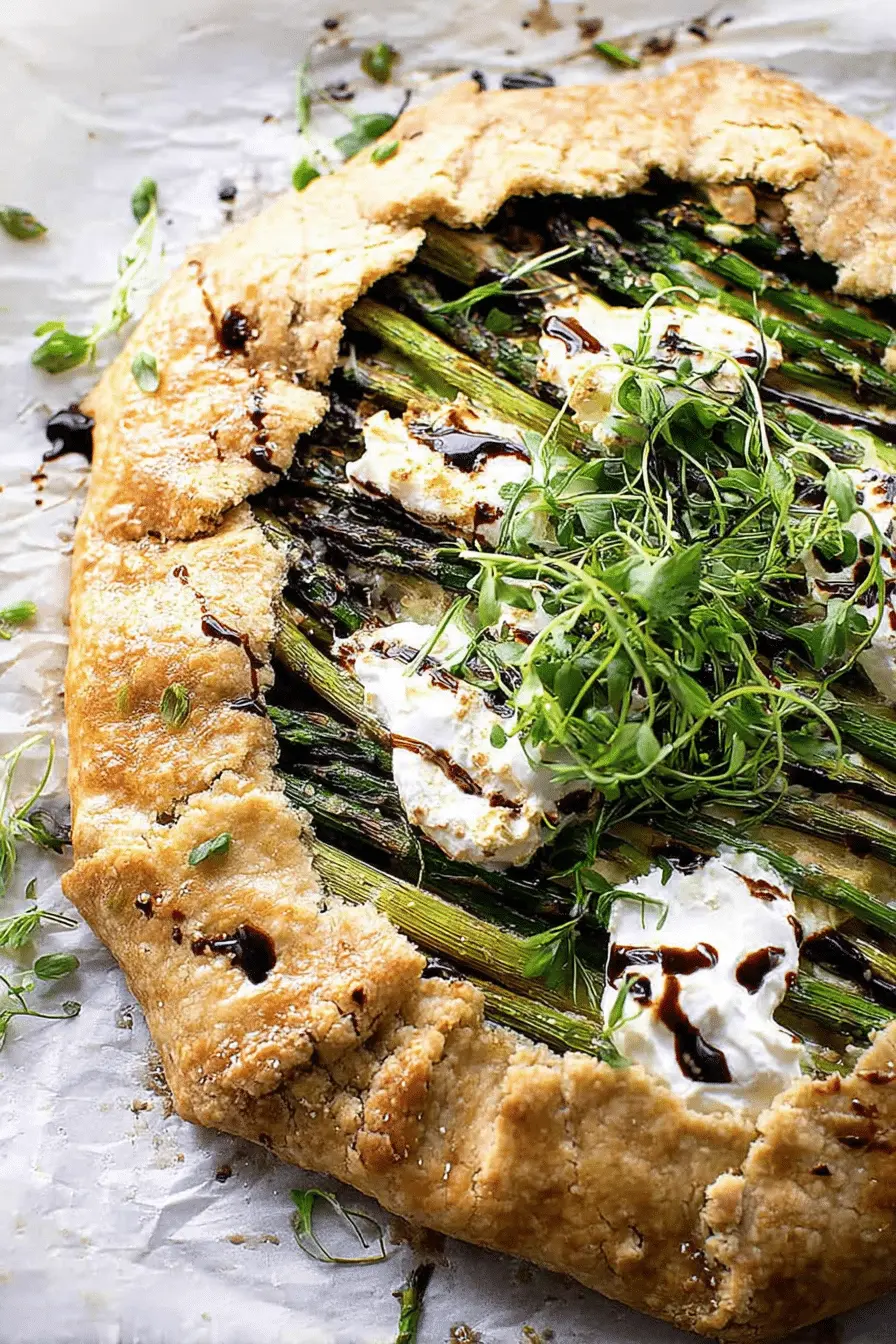
I have a memory of the first time I made this galette for a spring dinner: the kitchen smelled faintly of browned butter and bright green asparagus, and my guests hovered by the oven like it was a hearth. I kept a piece warm for myself and remember the crackle of that golden crust as I tore a wedge away—ricotta still warm, leeks melting into sweet ribbons, and a torn pillow of burrata collapsing onto the filling. It felt both homey and like something I might serve to impress without pretending I'd spent all day on it. I return to this recipe every April and May when the market bins are full of slender asparagus and the leeks are tender. In my kitchen it’s the sort of thing I make when friends drop by and someone says, "Bring whatever you like." It pairs beautifully with a chilled white and with conversation—bright, celebratory, and a little reckless in the best way. Over the years I've learned which corners to be careful around: the dough must be cold, the leeks must be cooked slow and low until jammy, and the burrata needs to be added only once the galette is out of the oven so it stays luxuriously creamy on top. I’ll share those details below, along with practical swaps and storage tips so you can serve this at a brunch, a formal spring supper, or a backyard fête without a last-minute scramble. My aim here is simple: give you the confidence to present something rustic and beautiful that sings of the season. Read through the technique notes before you start, and you’ll be rewarded with a tart that looks like you fussed for hours—when you really spent that time pouring a glass of wine and enjoying company.Why This Asparagus Galette Is Perfect for Spring Entertaining
Spring is about contrasts: cool nights and warming days, tender young vegetables and bold, celebratory flavors. This galette captures that by pairing the bright snap of asparagus with the gentle sweetness of jammy leeks and the soothing cream of ricotta and burrata. Visually, it’s immediately arresting—a deep green crown of asparagus against a bronzed, hand-folded crust with soft white rivers of cheese. It’s rustic in appearance but refined in flavor, which makes it an ideal centerpiece for casual dinners and more formal gatherings alike.
The galette is forgiving: it travels well, can be served warm or at room temperature, and slices easily for a buffet or plated service. The textures—flaky crust, silky cheeses, tender vegetables—play well with a variety of side dishes and wines, keeping the meal lively and focused on seasonal produce. And because it’s composed of a single tart, you can spend more time with guests and less time tending multiple dishes.
Everything You Need for Asparagus Galette with Jammy Leeks and Ricotta
Choose ingredients with attention: fresh vegetables, high-quality dairy, and good butter for the crust will all show up in the final bite. Below I describe why each component matters and offer substitutions for dietary needs without listing exact measurements.
- All-purpose flour and whole-wheat pastry flour – The blend gives structure plus a touch of nutty flavor and color; use a gluten-free cup-for-cup blend if you need a gluten-free version (see swaps below).
- Cold butter – The backbone of a flaky, tender crust; for vegan needs, use a high-fat plant-based block butter that’s cold.
- Ice water – Brings the dough together without melting the butter; cold liquid keeps pockets of fat intact for flakiness.
- Leeks – When cooked slowly they become sweet and silky—this is the galette’s savory backbone; green onions or shallots can substitute in a pinch.
- Olive oil – Used to brush the dough and add a subtle fruity note; neutral oil works too if you want less olive flavor.
- Ricotta – Provides creamy lift and mild tang; use whole-milk or a rich plant-based ricotta alternative for vegan versions.
- Grated hard cheese (Parmesan or Pecorino) – Adds savory salt and umami; for vegan versions, use a nutty, aged-style plant-based grated cheese.
- Asparagus – The star: choose pencil-thin spears for elegant presentation and tender bite; thicker stalks can be roasted first to tenderize.
- Egg wash (egg + cream or milk) – Gives the crust a glossy, golden color; use a plant-based milk or a little oil for a vegan brush.
- Burrata – Torn onto the hot galette just before serving for a creamy, luxurious finish; for vegan, use a chilled cashew mozzarella that breaks apart similarly.
- Finishing touches – Balsamic glaze, flaky sea salt, and black pepper to sharpen and highlight the flavors.
If you love asparagus, you'll enjoy our delicious asparagus quiche as another spring dish option.
Mastering the Flaky Crust: Tips for Tender, Buttery Layers
The crust makes the galette feel celebratory. It should be tender, with visible layers and a satisfying break when you slice it. Temperature control and minimal handling are everything—warm dough is the enemy of flake. Listen to the subtle squeak of your rolling pin as it smooths chilled dough; feel the dough resist then relax as it comes together. Those are signs you’re on the right track.
- Keep your butter cold and cut into small dice before you combine it with the flour; large, cold pieces create pockets that steam in the oven and lift the layers.
- Pulse briefly if using a food processor; you want a mix that looks like coarse sand with a few pea-sized butter pieces visible—too fine and the crust will be mealy, too coarse and it won’t hold together.
- Add ice water sparingly. The dough should hold when squeezed but not be wet or sticky. Overhydration will lead to a tough crust.
- Form the dough into a disk, chill thoroughly, and then bring it out just long enough to roll. If the dough starts to feel elastic or springy, pop it back in the fridge for 10–15 minutes.
- Roll between sheets of parchment to prevent sticking and to preserve the cold fat. A light dusting of flour prevents tearing without drying the edges.
- Brush the exposed dough rim with an egg wash (or a vegan substitute) for deep color. Bake on a sheet or pizza pan to get even browning underneath.
Pro-Tips, Troubleshooting, and Variations should be presented as bulleted lists for quick reference.
- Pro-Tips (from my kitchen) – Chill your baking sheet alongside the dough for a crisper bottom; if your kitchen is warm, rest the rolled crust on a tray in the fridge for 10 minutes before filling.
- Troubleshooting (what I learned the hard way) – If the crust shrinks when baked, it likely warmed too much; rest and re-chill next time. If the center looks soggy after baking, the filling was too wet—drain excess liquid from ricotta or roast the asparagus slightly.
- Variations – Sprinkle a little grated aged cheese into the crust edge before folding for extra flavor, or add citrus zest to the ricotta for a brighter finish.
Jammy Leeks & Asparagus: How to Pick and Cook Spring Veg for Peak Flavor
Selecting the right vegetables is where this galette becomes unmistakably spring. Look for leeks with firm white and pale green stalks and no slimy ends; their sweetness develops when cooked slowly. For asparagus, choose straight, vivid-green spears with closed tips and a fresh vegetal scent—thin to medium stalks will stay tender and elegant when baked.
When preparing leeks, cut away the tough dark greens and slice the remaining white and pale green into thin half-moons. Wash thoroughly—leeks hide grit in layers. The sound of leeks hitting a hot pan and then softening into translucent, sweet ribbons is one of my favorite kitchen sounds.
- Sweat the leeks slowly in butter (or oil for dairy-free) over medium-low heat with a pinch of salt until they are deeply soft and jammy; this concentrates their sweetness—about the time you’d spend catching up with a friend over a cup of tea.
- Trim the asparagus ends where they naturally snap; if they’re thicker, halve them lengthwise or roast quickly to remove some moisture before assembling.
- Lay raw, tender asparagus across the galette for a delicate bite; for a more caramelized note, give them a quick roast or sauté to develop color before arranging.
For a fantastic side dish, try our roasted asparagus alongside your galette.
Flavor Layering: Balancing Ricotta, Parmesan, and Burrata
Flavor contrast is the architecture of this galette. Ricotta brings a cooling, mild creaminess that blankets the dough and tames the bite of the asparagus. Grated hard cheese—Parmesan or Pecorino—adds a savory, salty backbone and a touch of umami. Finally, the burrata added hot-off-the-oven is the moment of indulgence: its soft interior melts just enough against the warm filling, creating luxurious pockets of cream.
- Spread ricotta as a thin, even base; it cushions the filling and keeps the crust from getting soggy while contributing a pleasant tang.
- Scatter a modest layer of grated hard cheese to introduce salt and depth; this also helps bind the filling slightly as it melts.
- Tear burrata and add it immediately after baking so its creamy center remains silkier and more dramatic; finish with a drizzle of balsamic glaze and flaky salt to brighten the profile.
For a delightful breakfast option, consider making lemon ricotta pancakes that incorporate rich flavors similar to those in the galette.
How to Make Asparagus Galette with Jammy Leeks and Ricotta (Step-by-Step)
Below are the key steps and common pitfalls. Read them through before you start so you can move confidently from one stage to the next. If something feels off—too sticky, too wet—pause and correct; the galette is forgiving but benefits from small course corrections.
- Make the dough quickly: combine flours and cold diced butter until the mixture looks like coarse sand with small pea-sized butter pieces. Add cold water a little at a time until it holds together when squeezed.
- Form the dough into a disk, chill thoroughly, then bring it out briefly before rolling so it’s pliable but still cool to the touch.
- Slice and wash the leeks well; sweat them slowly in butter or oil with a little salt until they’re jammy and sweet—this step builds most of the galette’s flavor.
- Roll the dough between sheets of parchment into a generous circle; transfer to a baking sheet or pizza pan using the parchment as a sling.
- Brush the exposed dough rim with olive oil, spread an even layer of ricotta across the center, and sprinkle half the grated hard cheese over it.
- Spoon the warm leeks over the cheese, arrange asparagus in a pleasing pattern across the leeks, and finish with the remaining grated cheese.
- Fold the outer ring of dough over the filling in sections, pressing gently to adhere, and brush the crust with egg wash or a vegan substitute for color.
- Bake until the crust is deeply golden and the filling is set; timing will vary by oven, so watch for color rather than relying solely on a clock.
- Remove from the oven, tear or cut burrata into pieces and distribute over the hot filling so it softens but does not fully melt; drizzle with balsamic glaze and sprinkle flaky salt and black pepper before serving.
Pro Tip for asparagus galette with jammy leeks and ricotta: Vegan & Gluten-Free Swaps
If you need to adapt this galette, you can keep the spirit of the dish while honoring dietary needs. The goal is to preserve texture and contrast: a flaky crust, creamy filling, and bright vegetables.
- Vegan crust – Use a cold plant-based block butter and treat it exactly like dairy butter: keep it cold, dice it small, and pulse briefly with the flour.
- Vegan ricotta – Choose a high-fat plant ricotta or make your own from blended pressed tofu or cashews with lemon and a touch of salt for creaminess.
- Egg wash substitute – Brush with oat or soy milk mixed with a little oil, or use a flaxseed slurry for a darker finish.
- Gluten-free crust – Use a tested gluten-free flour blend that includes xanthan or another binder; keep dough slightly cooler and handle gently as these doughs can be stickier.
- Cheese alternatives – Use aged, nut-based “hard” cheeses for umami and a soft cashew-based burrata-style spread to mimic the creamy top finish.
How to Store, Reheat, and Serve Your Galette — Pairings & Timing
Leftovers are one of the joys of this galette: flavors meld overnight, and a slice is a perfect lunch. Store cooled pieces in an airtight container in the refrigerator. To revive the crust, reheat in a moderate oven until the crust is crisp and the filling is warm—avoid the microwave unless you don’t mind losing the crispness.
- Storage – Refrigerate for up to three days; the filling will soften but remain flavorful.
- Reheating – Reheat at a moderate temperature on a baking sheet; a quick 5–10 minutes under a broiler can restore crust color if needed, but watch carefully.
- Serving timing – The galette can be served hot or at room temperature; if serving to a group, plan on baking it last and adding the burrata just before guests arrive.
- Pairings – Serve with a bright salad, crusty bread, or roasted vegetables. Pair with a crisp white wine or a light rosé to complement the spring flavors.
Pair your galette with a creamy spring pea risotto for a perfect spring meal.
Frequently Asked Questions
Can I make the dough ahead of time? Absolutely! You can prepare the dough in advance and refrigerate it for up to a week. Just remember to bring it out about 20 minutes before you roll it out.
What are some substitutes for leeks? If you can't find leeks, green onions or shallots can work as a substitute. Just keep in mind that they have different flavors but should still provide a nice base for your galette.
Is there a way to make this recipe vegan? Yes! You can use vegan butter and plant-based ricotta alternatives, along with a flaxseed egg or a vegan egg substitute for the egg wash.
How should I store leftovers? Store any leftovers in an airtight container in the refrigerator for up to three days. You can reheat it in the oven for the best results or enjoy it cold!
Can I add other vegetables to this galette? Definitely! Feel free to get creative by adding other spring vegetables like asparagus, zucchini, or spinach alongside the leeks for extra color and flavor.
Ingredients
- 1 cupall-purpose flour
- 1 cupwhole-wheat pastry flour
- 16 tablespoonscold salted butter, diced
- 2 to 4 tablespoonsice water
- 2 largeleeks
- 2 tablespoonsbutter
- 1/4 teaspoonfine sea salt
- 2 tablespoonsolive oil
- 1 1/2 cupsfresh whole-milk ricotta
- 1/2 cupgrated parmesan or pecorino romano cheese, divided
- 1/2 poundpencil-thin asparagus
- 1 largeegg
- 1 tablespoonheavy cream or milk
- 4 ouncesburrata cheese
- to tastebalsamic glaze
- to tasteflaky sea salt
- to tastefreshly ground black pepper
Instructions
- 1
Place the flours into the bowl of a food processor fitted with the blade. Add the cold diced butter and pulse until the mixture resembles coarse sand with some larger pea-sized pieces. Add two tablespoons of the ice water and process for a moment. Test to see if the dough holds together when you squeeze a bit with your hand. If not, add the remaining water and process again. Use your hands to quickly form the dough into a ball. Then flatten into a disk between two approximately 14-inch square pieces of parchment paper. Wrap in the parchment followed by a gallon-sized zip-top bag, and refrigerate for at least an hour (up to a week) before proceeding.
- 2
Slice off and discard roots and dark green parts from leeks. Slice white and light green parts in half lengthwise and then cut each length crosswise into thin half-moons. Wash and dry very well in a salad spinner to remove all grit. Melt butter over medium heat in a medium nonstick skillet. Add leeks and salt and cook, stirring frequently, until jammy and tender, about 10 minutes.
A well-seasoned pan is worth more than a drawer of gadgets.
- 3
Preheat oven to 400° F with a rack in the center. While the leeks finish cooking, sprinkle a little bit of flour on each side of the dough and then replace the parchment. Using a rolling pin and turning the dough a quarter-turn clockwise every so often, roll the dough out between the parchment into a 14-inch circle. Remove the top sheet of parchment and slide the dough onto a pizza pan or baking sheet. Brush the dough with the olive oil, leaving a 1 ½-inch border around the outside. Spread the ricotta evenly over the dough, still leaving a plain 1 1/2-inch border as you add all ingredients. Sprinkle half the grated cheese evenly over ricotta. Spoon the warm leeks over the cheeses in an even layer. Lay asparagus evenly over the leeks. Sprinkle with remaining grated cheese. Working in 6 to 8 sections, fold the outer ring of dough over the filling to form a crust, pressing gently to adhere the sections together. In a small bowl, beat together the egg with the milk or cream. Brush egg wash over outer ring of crust.
- 4
Bake for 40 minutes, until nicely browned. While tart is hot, cut or tear burrata into pieces and distribute over filling. Drizzle with balsamic glaze and sprinkle with flaky salt and freshly ground black pepper. Cut into wedges and serve warm or at room temperature.
Recipe Card
My Show-Stopping Asparagus Galette with Jammy Leeks and Ricotta
Keep it handy for later, send it to someone cooking with you, or open the clean print view.
- Prep
- 20 min
- Total
- 100 min
- Serves
- 8
You might also like
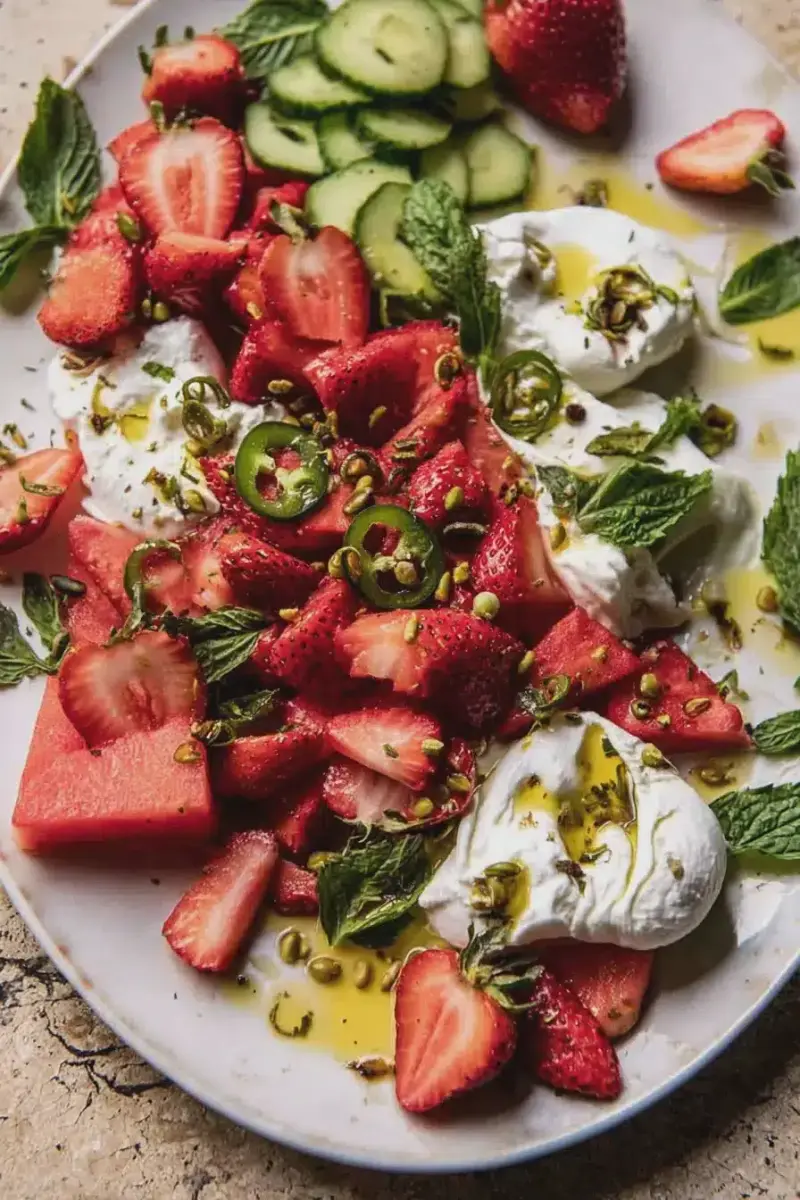
The Salad My Guests Always Ask For: Strawberry Watermelon & Burrata
May 23, 2026
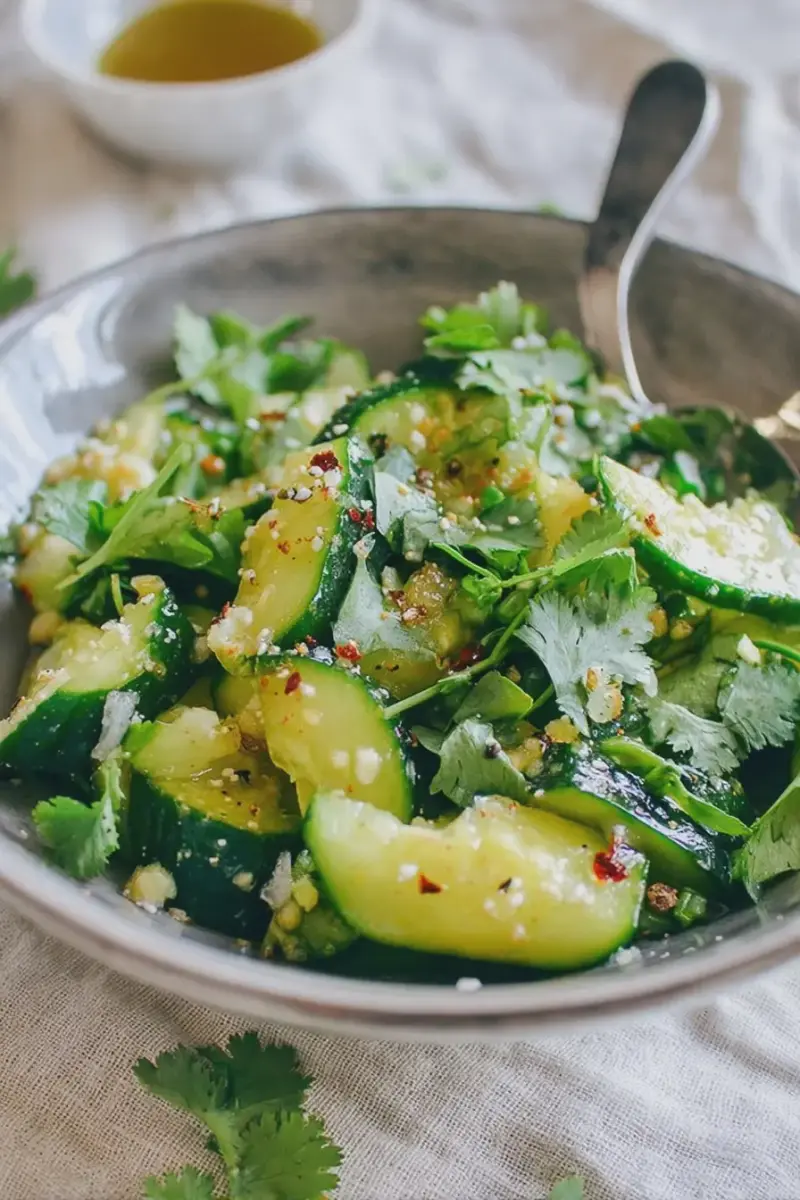
The Smashed Asian Cucumber Salad I Make for Hot Weeknights
May 23, 2026
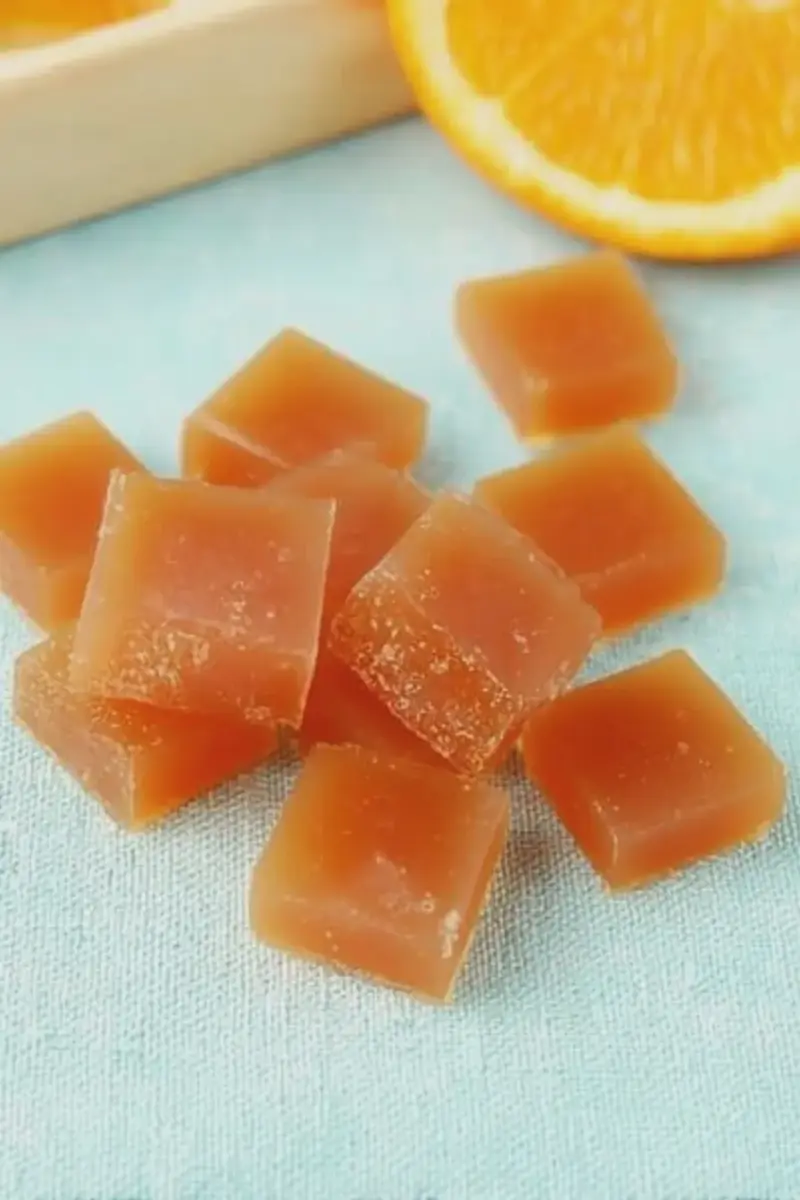
The Kid-Approved Orange-Honey Fruit Snacks That Boost Immunity
May 21, 2026
How I Stash Summer in Jars: Watermelon Jelly (Quick & Easy)
May 21, 2026
Reviews
Be the first to review this.