- Prep
- 15 min
- Cook
- 90 min
- Total
- 105 min
- Serves
- 8
- Calories
- 500 kcal
- Carbs
- 40.00 g
On this page11 quick jumps
TOC
On this page
11 quick jumps
Introduction
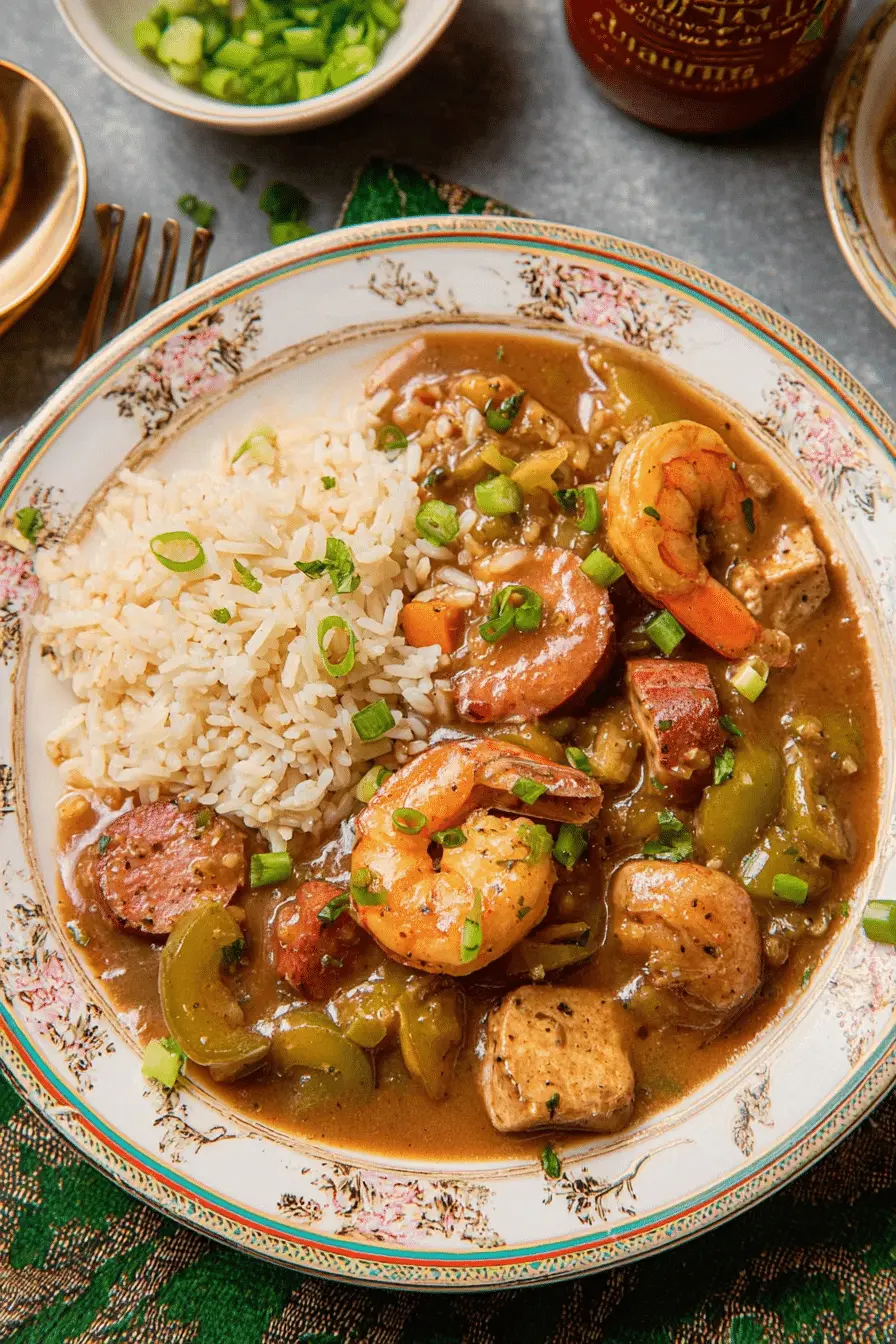
I learned to make gumbo the old-fashioned way: standing over a heavy pot while my aunt called out stories from the kitchen table and my cousins argued over how much hot sauce was proper. That kind of gumbo is more than a recipe — it’s a weekly ritual, a small miracle of time and heat that turns simple pantry items into something soulful. When I make this pot now, I still think about those voices, the sticky heat of a summer in Louisiana, and the slow, comforting turn of the wooden spoon through a roux. I’ll be honest: the roux used to intimidate me. I burned more batches than I care to admit before I learned the rhythm—a slow swirl, constant attention, and the patience to wait until that chocolate-brown color and nutty aroma arrive. The rest of the gumbo builds on that base: a savory trinity of vegetables, smoky andouille, tender chicken, and fresh seafood that makes the pot sing. In my kitchen it’s a communal practice; everyone has a job and someone always reaches for the hot sauce. If you want a gumbo that tastes like it came from a Saturday night in a small Louisiana town, this is the version I make. The flavors are layered, the technique is straightforward if you respect the time it takes, and the result is a bowl that gathers people around the table. Below I share the ingredient thinking, sourcing notes, hard-won roux technique, cultural context, and a clear step-by-step process you can follow in your kitchen.Everything You Need for Authentic Cajun Gumbo
Quality matters more than exact measures. Use fresh proteins and purposeful spices; small upgrades — a better sausage or picked-over lump crab — will change the pot. If you like a bit of tang or heat, keep a dependable Louisiana-style hot sauce nearby when you serve. No gumbo is complete without a splash of heat; consider the homemade touch in a bottle of tabasco-style sauce for the table: No gumbo is complete without a splash of homemade Tabasco sauce, which adds that signature kick to the dish.- Chicken thighs – Dark meat holds up to long simmering and stays tender; boneless or bone-in will both work but change texture slightly.
- Andouille sausage – Look for a coarse, smoky link; regional andouille (smokier, coarser) gives a more authentic profile than generic smoked sausage.
- Crab meat – Lump crab adds sweet, briny notes; pick through for shells and use fresh or high-quality canned where fresh isn’t available.
- Shrimp – Raw shrimp added near the end keeps texture sweet and snappy; thawed frozen is fine if fresh isn’t an option.
- Okra – Adds body and a silky mouthfeel; fresh is best but frozen maintains texture and thickening properties well.
- Trinity (onion, bell pepper, celery) – The aromatic backbone; treat each vegetable as essential to the gumbo’s profile.
- Oil and flour (for the roux) – Neutral oil is traditional; the flour-to-fat mixture is what gives gumbo its signature depth.
- Chicken stock – Low-sodium stock allows you to control salinity; a richer stock will give a deeper finish.
- Creole/Cajun seasoning – Blends of paprika, garlic, onion, and cayenne support the gumbo; keep extra at the table to adjust heat.
- Gumbo filé – Added at the end for earthy aroma and a final thickening note; a little goes a long way.
- White rice, scallions, parsley – For serving and garnish; rice is the canvas that makes the gumbo complete.
The Chocolate-Brown Roux: Technique, Timing & Troubleshooting
The roux is gumbo’s foundation. Its color and aroma determine much of the final flavor. Making a chocolate-brown roux takes time and constant attention, but the technique is simple and repeatable if you respect the pot and the heat.- Use a heavy, wide-bottomed pot to promote even heat; begin over medium-high to warm the oil, then reduce as the flour darkens.
- Add flour a little at a time while whisking or stirring to form a smooth paste; once it’s cohesive, lower the heat and stir steadily so it deepens in color without burning.
- Expect the color change to take a long stretch; watch for a progression from blond to peanut-butter, to amber, and finally to chocolate-brown with a pronounced nutty aroma.
- When it’s chocolate-brown, stop cooking immediately and proceed to add your aromatics and stock carefully—high heat at that point can scorch the roux.
- If the roux smells acrid or you see black flecks, it’s burned—discard the roux and start over; I learned to keep a second pot handy for salvage attempts but most times it’s cleaner to restart.
- If it’s too pale, continue cooking patiently; a darker roux brings complexity but reduces thickening power, so balance your expectations.
- If the roux is lumpy, push it through a sieve after adding liquid or whisk vigorously—prevention (constant stirring) is the best cure.
- If your heat is inconsistent, lower your burner and stir more often; I set a timer so I don’t get distracted and let the roux run away on me.
Choosing & Sourcing Authentic Ingredients (Plus Smart Substitutions)
Where you buy ingredients matters. Local fishmongers and specialty butchers often carry true andouille and fresher seafood than big-box stores. When fresh items aren’t available, frozen or well-canned alternatives can still yield an honest gumbo if you’re selective. For other dishes that highlight similar spice profiles, try a hearty accompaniment—you’ll notice the same seasoning sensibilities in dishes like savory Cajun steak bites. For a hearty main dish, try our Cajun garlic butter steak bites which also use exquisite spices and herbs recognizable in authentic Cajun cooking.- Where to buy andouille and seafood – Regional butcher shops, Gulf-coast seafood counters, or specialty online purveyors are best; ask for coarsely ground, smoked andouille and pick-over lump crab for shells.
- Creole seasoning – Mix your own if you can: smoked paprika, garlic powder, onion powder, cayenne and black pepper; store-bought blends are fine but taste them first.
- Gluten-free option – Use a certified gluten-free flour blend for the roux or substitute a browned nut or rice starch base and use filé carefully for thickening.
- Vegetarian/vegan gumbo – Replace stock with mushroom or vegetable broth, use smoked vegan sausage and add hearty mushrooms and okra for texture; skip seafood and use smoked paprika for depth.
- Seasonal swaps – When crab is out of season, firm flaky white fish or extra shrimp can stand in; when peppers aren’t at peak, roasted frozen peppers will still contribute good flavor.
Why Gumbo Matters in Louisiana Kitchens — A Short Cultural Primer
Gumbo is a living history of Louisiana’s blended cultures: African, Native American, French, Spanish and Caribbean influences all appear in its techniques and ingredients. It began as a pragmatic one-pot meal—stretching modest proteins with a thickening agent like okra or filé—and became a centerpiece of communal tables, festivals, and family gatherings. The dish changes from parish to parish, reflecting local resources and histories. Regional variations matter: some pots lean heavily on seafood along the coast, others on smoked meats inland, and Creole versions sometimes have a tomato presence while Cajun versions do not. These differences are not just culinary—they’re cultural fingerprints. When I taste a gumbo from a neighbor, I can hear their family’s recipes in the spice and the stock. To pair alongside gumbo’s boldness, dishes like Cajun shrimp etouffee echo the region’s love of deeply reduced sauces and concentrated spices. The communal aspect is central: gumbo gathers people. Whether for a small Sunday dinner or a big neighborhood get-together, the pot is where stories are told, recipes are taught, and traditions are kept alive. Cajun shrimp etouffee is one of those classics that highlights the depth of flavor found across Louisiana’s regional dishes.How to Make Authentic Cajun Gumbo (Step-by-Step)
Follow the sequence below to build flavor deliberately. Timing matters, but you can adapt cook times slightly based on your stove and equipment.- Brown the chicken: Heat a portion of the fat and sear seasoned chicken pieces until well browned; remove and set aside to retain those fond flavors on the pot bottom.
- Sear the sausage: Add sausage rounds to the pot and brown to render fat and deepen flavor; remove and set aside with the chicken.
- Sauté the trinity: In the same pot, sweat the onion, bell pepper and celery until softened and slightly caramelized; add garlic near the end so it doesn’t burn, then remove the veggies and wipe the pot.
- Make the roux: Add the remainder of the oil, sprinkle in flour gradually and stir constantly over moderate heat until the roux reaches a chocolate-brown color; be patient and keep the motion steady.
- Combine solids and seasonings: Return the chicken, sausage and trinity to the pot with bay leaves, white pepper, and seasoning; stir to coat everything in the roux.
- Add stock and simmer: Slowly whisk in stock so the roux integrates smoothly, bring to a simmer, then reduce heat and cover to develop flavor; simmer long enough for flavors to marry.
- Add delicate seafood: Stir in crab meat and allow a gentle simmer, then add okra and raw shrimp toward the end so shrimp cook through but stay tender.
- Finish with filé and hot sauce: Off heat or on the lowest setting, sprinkle filé and add a few dashes of hot sauce to taste; let the gumbo rest a few minutes before serving.
- Serve properly: Ladle gumbo over steamed white rice and garnish with sliced scallions or chopped parsley; offer extra hot sauce at the table.
Pro Tip for Authentic Cajun Gumbo: Prevent a Burned Roux and Balance Seasoning
- I always use a heavy-bottomed Dutch oven—it distributes heat and reduces hot spots that burn roux.
- Keep a wooden spoon moving; constant stirring is the only reliable defense against a scorched roux.
- Taste and adjust in stages: season lightly at the start and correct at the end—salt, acidity, and heat can all shift during a long simmer.
- Use a timer for long roux sessions so you don’t get pulled away; a roux needs attention more than it needs speed.
- Rest the gumbo off the heat for a few minutes before serving to let flavors meld—this quiet time helps the filé bloom and the spice to settle.
How to Store, Reheat & Make-Ahead Authentic Cajun Gumbo (Plus Variations)
- Storage – Cool to room temperature, transfer to airtight containers, refrigerate for up to three days, or freeze for up to three months. Label with date and main proteins so you can plan reheating properly.
- Reheating – Reheat gently over low heat; avoid boiling so shrimp and crab don’t overcook. If frozen, thaw overnight in the fridge before warming slowly on the stove.
- Make-ahead strategy – You can make the base (roux, trinity, stock and meats) ahead and refrigerate; add delicate seafood just before serving to preserve texture.
- Leftover ideas – Use leftover gumbo as a sauce for baked fish or in a savory pie. It also makes an excellent base for a hearty chowder or stew.
- Variations (scannable) –
- Seafood-forward: omit chicken and use a mix of shrimp, crab and firm white fish.
- Smoky meat gumbo: emphasize smoked ham hock and extra andouille; reduce or omit filé for a meatier finish.
- Vegetarian: swap stock for mushroom or roasted vegetable broth, use smoked tofu or mushrooms for texture, and thicken with okra and filé.
- Gluten-free: use gluten-free flour for the roux or a browned rice flour alternative and finish with filé for thickening.
Frequently Asked Questions
What kind of oil should I use for the roux? You can use vegetable oil as specified in the recipe, but you can also consider using canola oil or peanut oil for a slightly different flavor. How do I know when the roux is ready? The roux is ready when it reaches a deeply rich, chocolate-brown color. This typically takes about 30 minutes of continuous stirring. Be careful not to let it burn! Can I make this gumbo spicy? Absolutely! You can add more Creole Cajun seasoning, use spicy sausage, or add extra hot sauce to suit your heat preference. How do I store leftover gumbo? Let the gumbo cool to room temperature, then transfer it to an airtight container. It can be stored in the refrigerator for up to 3 days or frozen for up to 3 months. What can I substitute for okra? If you don’t have okra, you can use green beans or simply omit it. However, keep in mind that okra adds a unique flavor and texture to the gumbo.Ingredients
- 1 ¼ cupvegetable oil, divided
- 1 lbboneless/skinless chicken thighs, cut into pieces
- 3 teaspoonsCreole Cajun Seasoning, divided
- 12 ouncesandouille sausage, sliced into rounds
- 1 largeonion, chopped
- 2 largegreen bell peppers, chopped
- 3 stalkscelery, chopped (green part only)
- 8 clovesgarlic, minced
- 1 cupall-purpose flour
- 1 teaspoonground white pepper
- 4bay leaves
- 64 ounceslow-sodium chicken broth or stock
- 16 ounceslump crab meat
- 2 cupschopped okra, fresh or frozen
- 1 lbraw large shrimp, peeled & deveined
- 3 teaspoonspure ground gumbo filé
- —hot sauce (preferably Louisiana-style)
- —cooked white rice (for serving)
- —sliced scallions or chopped parsley (for garnish)
Instructions
- 1
In a large dutch oven, heat ¼ cup of oil and brown chicken thighs.
- 2
Sauté andouille sausage until browned, then set aside.
- 3
Sauté the onion, bell peppers, and celery until translucent.
Taste as you go. Recipes are a guide, not a contract.
- 4
Make the roux by adding remaining oil and flour, stirring until a dark color is achieved.
- 5
Add chicken, sausage, vegetables, seasoning, and broth to the roux, then simmer.
- 6
Add crab meat, okra, and shrimp, then cook through.
- 7
Serve with rice and garnish with scallions or parsley.
Recipe Card
How I Finally Nailed Authentic Cajun Gumbo — Master the Roux
Keep it handy for later, send it to someone cooking with you, or open the clean print view.
- Prep
- 15 min
- Total
- 105 min
- Serves
- 8
You might also like
recipe
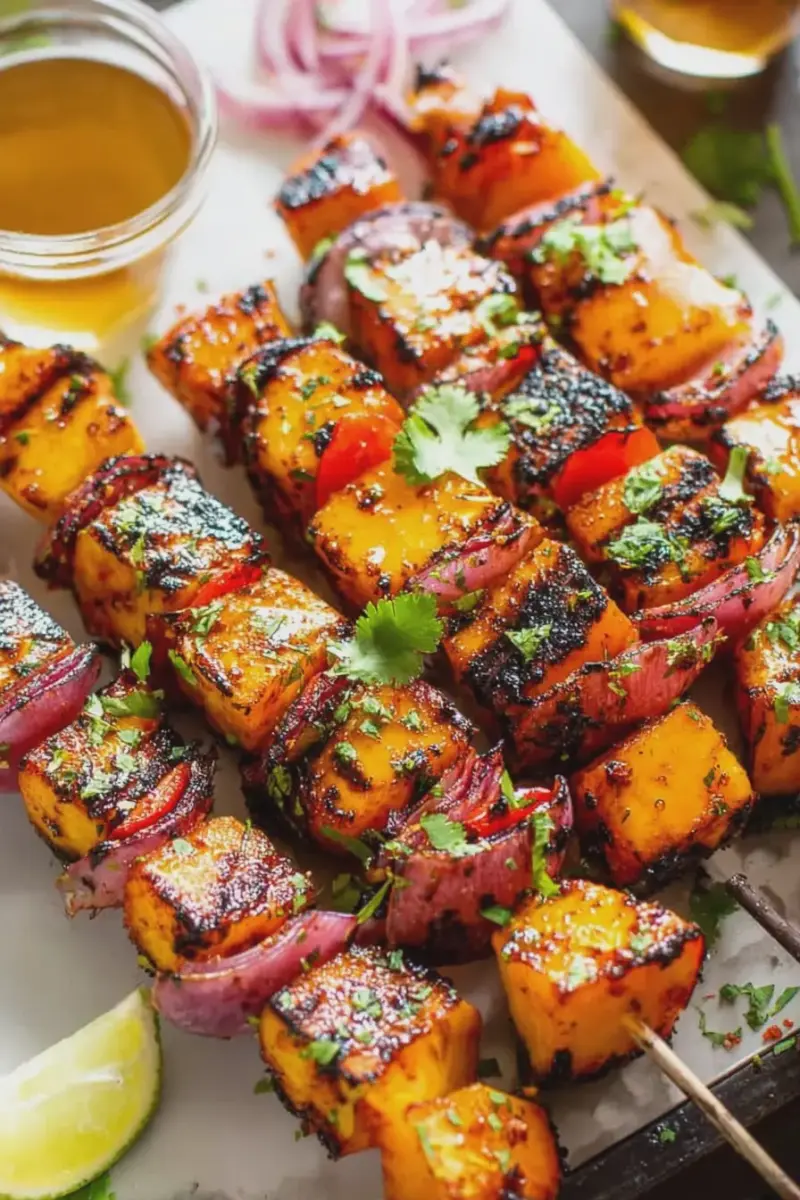
The 30-Minute Chili-Lime Tofu and Peach Skewers for Busy Summer Grills
May 14, 2026
Cook this nextExplore
recipe
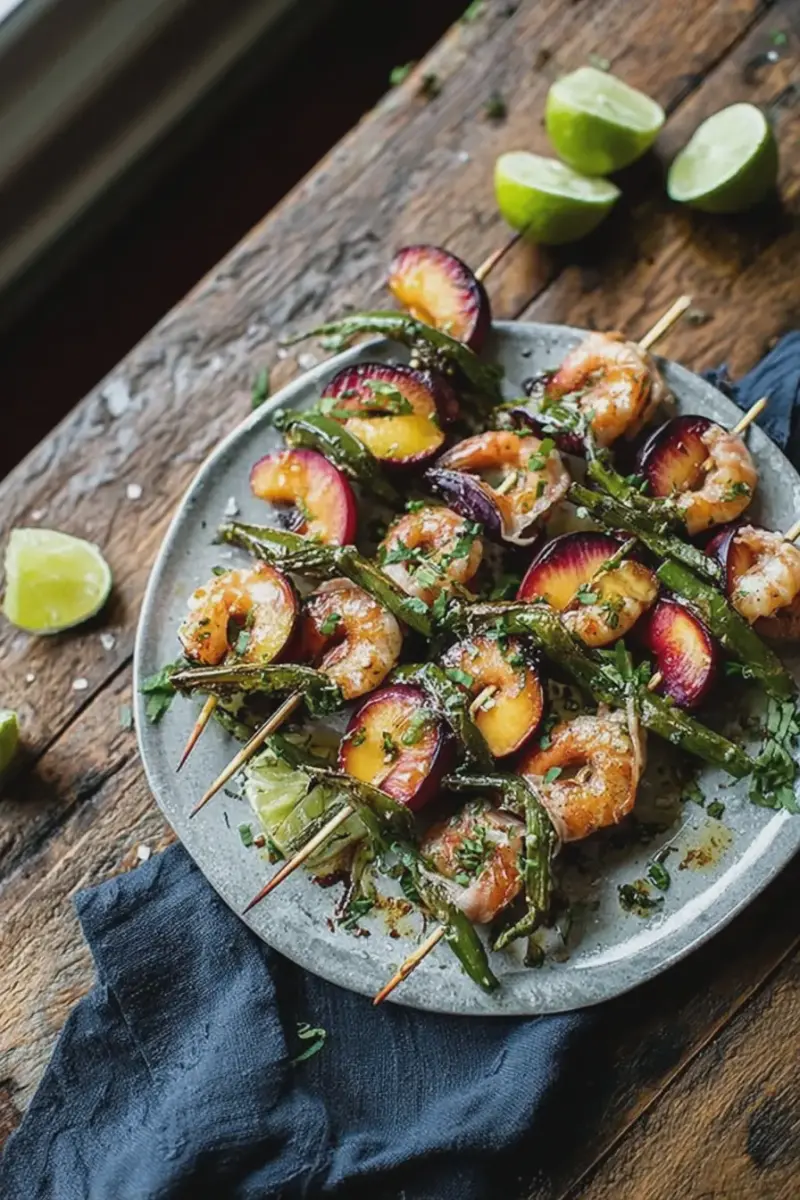
How I Make Summer Skewers with Shrimp, Jalapeño & Plums
May 14, 2026
Cook this nextExplore
recipe
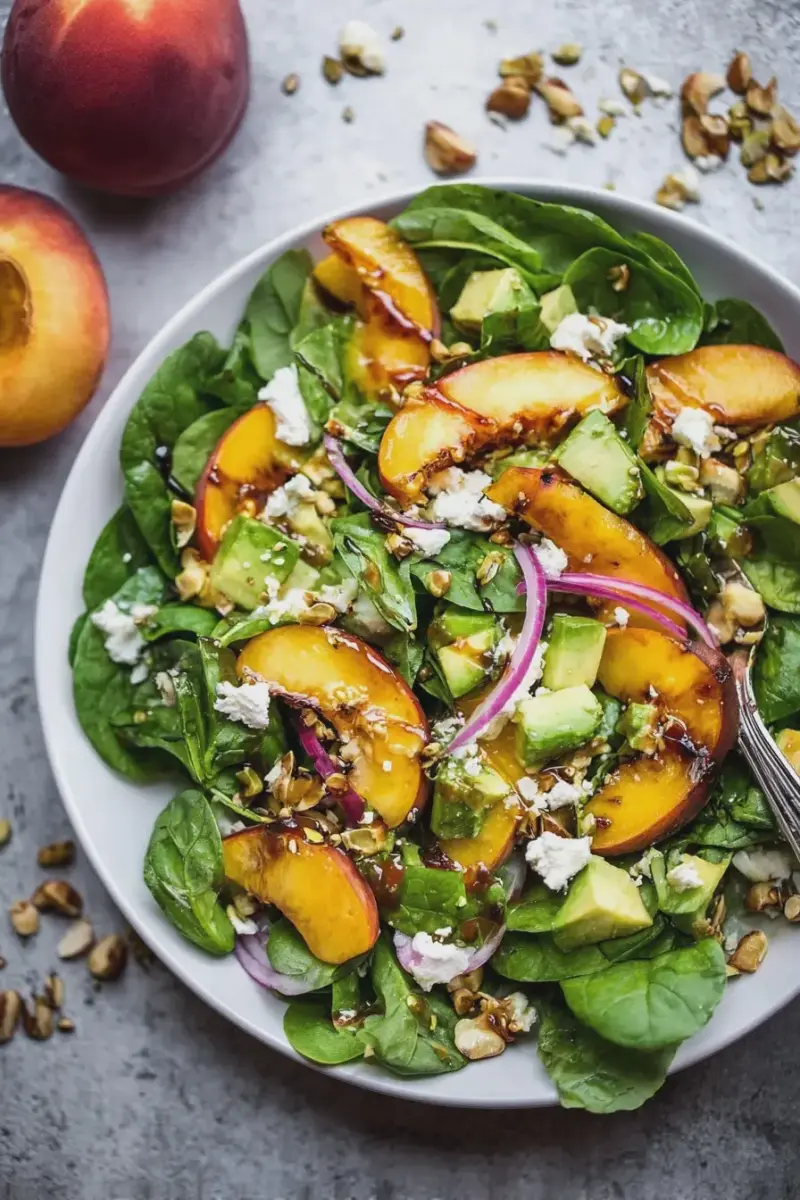
The Summer Peach Spinach Salad I Make Almost Every Week
May 14, 2026
Cook this nextExplore
recipe
The Summer Quinoa Salad I Make Almost Every Week
May 13, 2026
Cook this nextExplore
Reviews
Be the first to review this.