Tags
- Prep
- 20 min
- Cook
- 45 min
- Total
- 70 min
- Serves
- 6
- Calories
- 360 kcal
- Protein
- 17.00 g
- Carbs
- 18.00 g
- Fat
- 25.00 g
Introduction
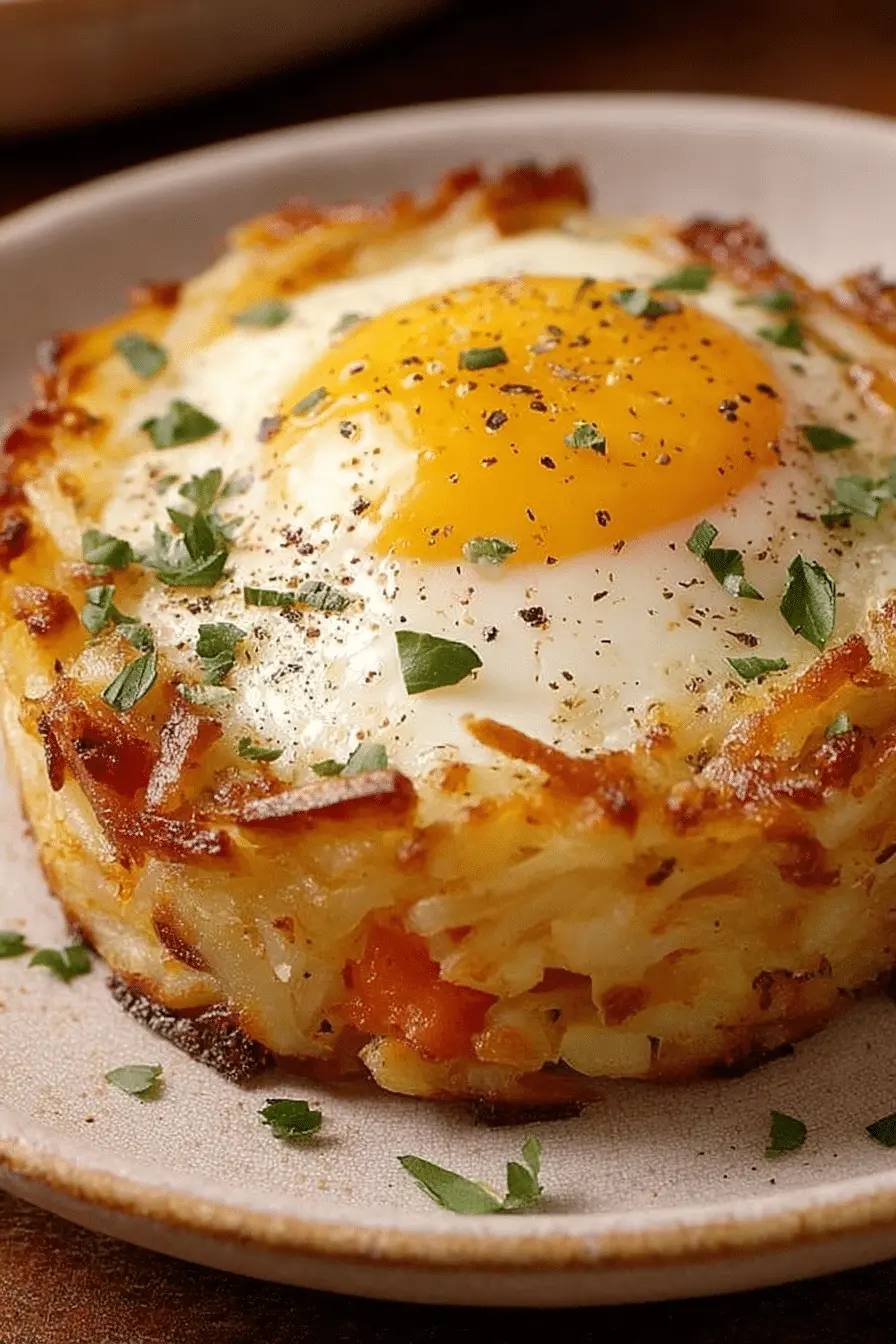
I learned to love this dish by testing it under pressure: a house full of guests, a tight timeline, and the small mercy that everyone will forgive one burnt corner if the center is perfect. I made the first version on a weekday rehearsal and then refined it across several weekend brunches until the texture and timing matched the vision in my head. In my kitchen this became our signature—each stack a little golden tower that cuts open to reveal a glossy yolk and melting cheese. I enjoy the theatrical moment when I cut through the top and the yolk spills across crisp-edged potatoes — the contrast of textures is what makes guests pause. I’ll confess: early attempts were too soggy or overcooked, but dialing in the slice thickness, the oil-to-potato contact, and precise oven timing fixed that. Now I can assemble the stacks ahead and still serve them with yolks that look like they came from a restaurant kitchen. What I love most is how flexible this recipe is for company. You can keep things informal with a stack of seasonal fruit and sparkling wine, or dress it up with a simple green salad and a pot of strong coffee. Below I walk you through everything I use in my kitchen, how I get those crisp layers, temper the eggs perfectly, and small techniques that save time when you’re hosting.Why Baked Eggs Napoleon Is the Brunch Showstopper for Entertaining
The layered assembly creates a vertical, plated moment that looks deliberate and luxurious without a lot of last-minute fuss. Each tower is its own portion, so guests can grab one and still feel like they’re sitting down to something special. The textural contrast—paper-thin, golden potatoes against molten cheese and a satin yolk—makes the bite interesting from the first fork through the last crumb. Because much of the work can be done before guests arrive, you spend less time in the kitchen and more time at the table.Ingredients You’ll Need for Baked Eggs Napoleon
- Yukon Gold or a waxy potato – Holds shape and browns beautifully; if you want a crisper edge choose a slightly thinner slice.
- Olive oil or melted butter – Coats each slice for the Maillard reaction; butter adds richness, olive oil provides a brighter finish and higher smoke tolerance.
- Gruyère or Swiss cheese – Adds nutty, melty richness that pulls the layers together; Gruyère melts smoothly and browns nicely.
- Parmesan or aged hard cheese – Gives a salty, savory edge and a slightly crisp top when used sparingly.
- Garlic powder and dried thyme – Essential background notes that keep the flavor from tasting one-dimensional; fresh thyme works well too.
- Fresh herbs (chives, parsley) – Brighten the finished stacks and lift the richness.
- Eggs – The crowning element; use the freshest eggs you can for the best texture and flavor.
- Heavy cream (optional) – A spoonful stirred into the egg before baking adds silkiness for those who want extra richness.
- Smoked paprika (optional) – For color and a whisper of smoke; great when serving with charred tomatoes or grilled fish.
- Dietary swaps – Use a plant-based melting cheese and a neutral oil for a vegan version; gluten-free breadcrumbs or a sprinkle of crushed nuts can add crunch without gluten.
Mastering Crispy Potato Layers for Baked Eggs Napoleon
Achieving crisp potato layers is all about starch control, even contact with fat, and good airflow in the oven. I treat the potatoes like I would for homemade chips: slice thin and uniformly, remove surface starch, and make sure each slice gets a thin coat of oil or butter. The result should be a stack that browns evenly and resists turning soggy once the egg is added.- Soak the slices in cold water to draw out excess starch; rinse until the water runs clearer, then dry thoroughly—wet potatoes steam instead of crisp.
- Use a mandoline or very sharp knife for even thickness; inconsistent slices will bake at different rates and create soft pockets.
- Toss slices lightly with oil or melted butter so each piece has a sheen; this encourages good browning and helps slices stick together in a compact tower.
- Layer the potatoes snugly in the cup or mold; slight overlap encourages contact for a cohesive, crisp edge rather than loose, floppy bits.
- Choose olive oil for a subtle fruitiness and higher oven tolerance; choose butter for a richer, toasted flavor—either will crisp if used sparingly and evenly.
Cheese Choices That Make a Difference
Cheese is not just a flavor boost; it’s structural. A good melting cheese binds the potato layers and creates those luxurious, thread-like pulls when you cut into a stack. I prefer a base of Gruyère for its balance of nuttiness and melt, cut with a little Parmesan for savory lift and a slight crust. If you want a sharper profile, aged cheddar works, and for a neutral, gooey texture reach for whole-milk mozzarella.- Gruyère – Melts evenly, adds a nutty, sweet note and a creamy mouthfeel.
- Swiss – Slightly milder than Gruyère but similarly well-suited to melting in layers.
- Parmesan or Pecorino – Sparing amounts add savory depth and a bronzed finish.
- Cheddar or smoked cheeses – Use if you want bolder flavor; they can overshadow delicate herbs so adjust accordingly.
- Vegan options – Choose a high-quality melting plant-based cheese and add a touch of nutritional yeast for umami.
Getting Runny Yolks Every Time
For that glossy, spoon-friendly yolk the timing window is narrow. The egg needs enough time to set the white while leaving the yolk silky. Cracking the egg into the center of the pre-baked potato cup ensures it nests safely without overflowing. Remember: ovens vary, and carryover heat will continue to cook the yolk after you remove the stacks from the oven.- Pre-bake the potato stacks until they are golden and mostly cooked through—this creates a sturdy nest for the egg.
- Crack the egg into the center of each stack so it settles into the pocket; if you want a silkier texture, mix a small splash of heavy cream into the egg before cracking it in.
- Bake at a high temperature so the whites set quickly and the yolks remain soft; remove a minute or two earlier if your oven runs hot.
- Allow a short rest after baking—carryover heat will firm the yolk slightly; if you prefer very runny yolks, err on the shorter side of the bake time.
How to Make Baked Eggs Napoleon (Step-by-Step)
- Preheat the oven to a high roasting temperature so the potato edges brown quickly while the centers cook through.
- Slice potatoes very thin and uniformly—use a mandoline for consistency—then soak in cold water to remove surface starch and pat completely dry.
- Toss dried slices with oil or melted butter, garlic powder, dried thyme, salt, and pepper so each slice is lightly coated.
- Arrange the potato slices in muffin cups or a shallow ovenproof mold, overlapping to build compact, vertical stacks; tuck a little shredded melting cheese between some layers for binding and flavor.
- Bake the potato stacks until the edges are deeply golden and the centers are mostly tender; this step is what prevents a soggy base once the egg is added.
- Create a small well in the center of each baked stack to cradle the egg; if the top looks too browned, tent with foil briefly while you prepare the eggs.
- Crack one egg into the center of each stack; add a tiny splash of heavy cream if you like extra silkiness, then sprinkle with Parmesan.
- Return to the oven and bake just until the whites are set and yolks are still jiggly; keep a close eye in the final minutes because yolk doneness changes fast.
- Finish with chopped fresh chives or parsley and a dusting of smoked paprika for color; serve immediately so each guest gets that runny yolk experience.
- Troubleshooting note: if tops brown too quickly, reduce the oven rack height or tent with foil; if bottoms are undercooked, bake the potato stacks a few minutes longer before adding the eggs.
Pro Tip for Baked Eggs Napoleon: Make-Ahead for Faster Brunch Service
- Prepare and bake the potato stacks up to the point before adding eggs; cool them, then cover and refrigerate—this saves the most time on the day of service.
- Store pre-baked stacks in an airtight container for up to 48 hours; when ready, create wells, add eggs, and finish in a hot oven for the final set.
- I like to keep shredded cheese and chopped herbs ready in small bowls so the final assembly and bake are fast and polished.
- For a slightly crisper finish after refrigeration, reheat the stacks briefly on a baking sheet to restore surface crispness before cracking in the eggs.
How to Store, Reheat, and Customize Baked Eggs Napoleon
- Fridge: Keep pre-baked potato stacks chilled and use within 48 hours to preserve texture; eggs should be added only when you’re ready to reheat and serve.
- Freezer: Freeze baked, unegged stacks on a tray, then transfer to a bag; thaw overnight in the fridge before finishing in a hot oven.
- Reheat: Use a preheated oven on a baking sheet to restore crispness rather than the microwave, which will soften the potatoes.
- Customization: Swap in seasonal vegetables like thinly sliced roasted beets or sautéed mushrooms between layers, or add smoked salmon and dill for a brunch-forward variation.
Troubleshooting
- If the stacks are soggy in the middle, I let the potato layers bake a little longer before adding eggs—more oven time at the pre-bake stage removes moisture.
- If eggs spread out and run over, make a slightly deeper well in the center or reduce egg size by using small eggs.
- If the tops brown too fast while the centers remain pale, move the rack lower and finish closer to the middle of the oven.
- If yolks finish firmer than expected, shorten the final bake by a minute or two and remember that carryover heat will continue to cook them as they rest for a minute.
Variations
- Herb and lemon: Add lemon zest and a mix of tarragon and chives for a bright finish that lifts the richness.
- Smoky: Fold a small amount of smoked cheese or add a sprinkle of smoked paprika for a deeper, savory profile.
- Vegetarian-forward: Layer thinly sautéed spinach or caramelized onions between potatoes for extra savory complexity.
- Low-fat option: Use a lighter oil and skip the heavy cream; choose a lower-fat melting cheese and increase herbs for flavor.
Pairing Suggestions for Baked Eggs Napoleon
These stacks pair beautifully with bright, acidic accompaniments that cut through the richness. Think a crisp green salad dressed with lemon vinaigrette or a bowl of citrusy fruit compote. For drinks, sparkling wine or a citrus-forward mimosa complements the buttery potato and cheese notes, while a well-brewed coffee or an herbal tea brings a grounded contrast to the creamy yolk.Frequently Asked Questions
What is Baked Eggs Napoleon? Baked Eggs Napoleon is an elegant dish featuring baked eggs layered on crispy potatoes and topped with melted cheese, perfect for brunch or entertaining. How do I achieve crispy potato layers? To get crispy potato layers, make sure to slice the potatoes very thin, soak them to remove excess starch, and coat them with olive oil or melted butter before baking. What cheese works best for this recipe? Gruyere or Swiss cheese adds a wonderful flavor, but you can also experiment with other cheeses like cheddar or mozzarella for different tastes. How do I ensure my egg yolks are runny? For runny yolks, crack the eggs into the center of the baked potato stacks and bake them for just 8–10 minutes at 400°F. Can I prepare this dish ahead of time? Yes! You can prep the potato stacks in advance, store them in the fridge, and then add the eggs and bake them just before serving.Recipe Card
The Baked Eggs Napoleon My Guests Keep Asking For
- Prep
- 20 min
- Cook
- 45 min
- Total
- 70 min
- Serves
- 6
- Calories
- 360 kcal
- Protein
- 17.00 g
- Carbs
- 18.00 g
- Fat
- 25.00 g
Ingredients
- 4 mediumYukon Gold potatoes (Very thinly sliced)
- 3 tbspOlive oil or melted butter (For coating potatoes)
- 1 cupGruyere or Swiss cheese (Shredded)
- 0.5 cupParmesan cheese (Grated)
- 1 tspGarlic powder (For seasoning)
- 1 tspDried thyme (Adds flavor depth)
- —Salt and black pepper (To taste)
- 6 largeEggs (For topping each napoleon)
- 2 tbspHeavy cream (Optional, adds richness)
- 2 tbspFresh chives or green onions (Chopped, for garnish)
- 1 tbspFresh parsley (Chopped)
- —Smoked paprika (Optional, for color)
- —Hollandaise sauce (Optional, for serving)
Instructions
- 1
Cut potatoes thin with mandoline; soak and dry.
- 2
Toss with oil, garlic, thyme, salt, and pepper.
- 3
Arrange potatoes in muffin cups, sprinkling cheese.
- 4
Bake at 400°F for 35–40 minutes until golden.
- 5
Crack one egg into each stack’s center.
- 6
Bake 8–10 minutes for runny yolks.
- 7
Top with herbs, paprika, and optional hollandaise.
You might also like

Reviews
Be the first to review this.