- Prep
- 5 min
- Cook
- 15 min
- Total
- 20 min
- Serves
- 4
- Calories
- 676 kcal
- Carbs
- 11.20 g
On this page13 quick jumps
TOC
13 quick jumps
Introduction
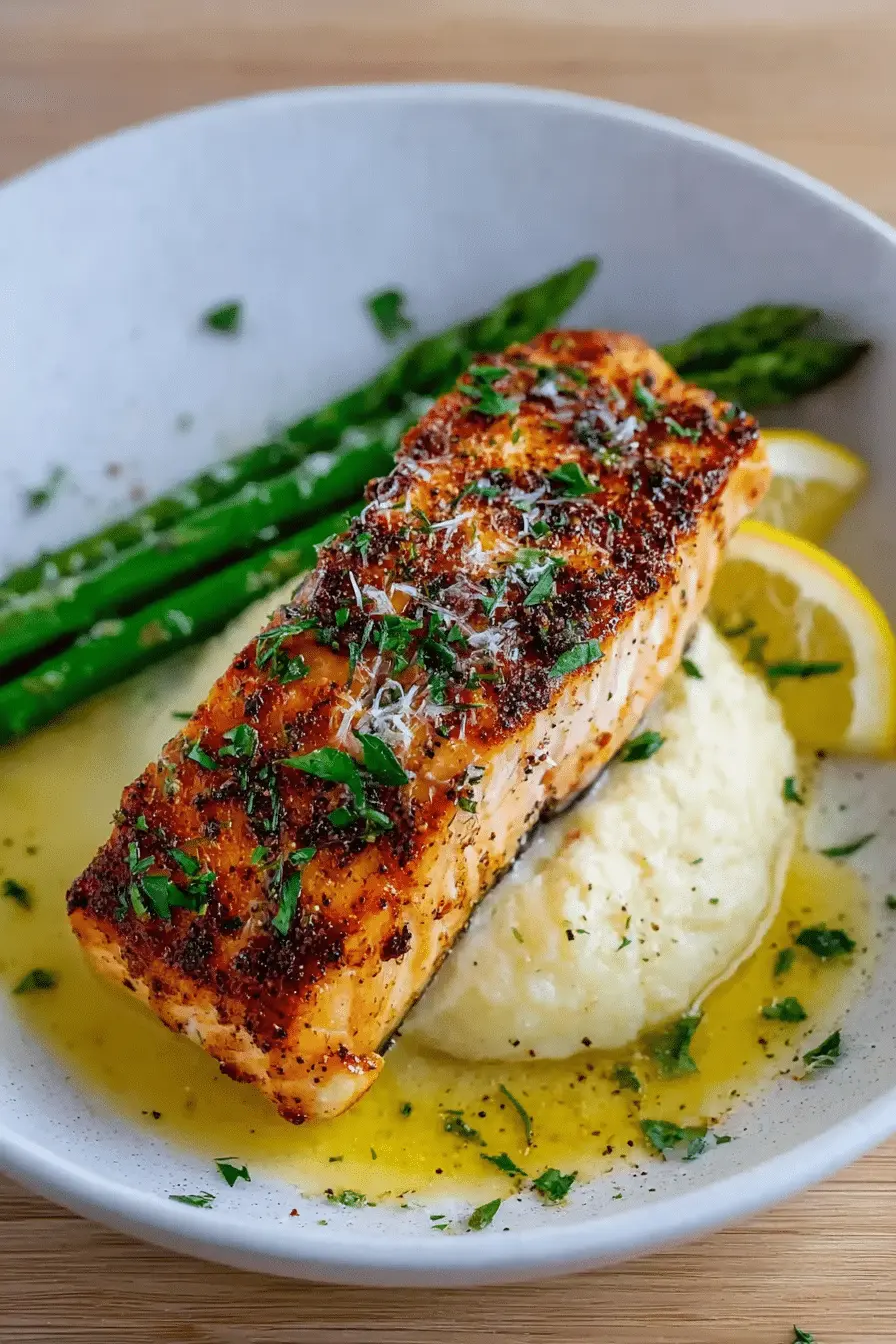
I make this baked lemon garlic butter salmon on weeknights when I want something fast, satisfying and unfussy — and it’s the recipe I fall back on when I’ve had a long day and still want real food on the table. The whole thing takes about 20 minutes from oven to plate: salty, bright, buttery salmon glazed with a lemon-garlic butter that caramelises at the finish. In my kitchen, the smell hits you first — warm butter, sharp lemon, then garlic turning mellow — and you know dinner is minutes away. This baked lemon garlic butter salmon is designed for busy cooks — you don’t need a lot of pans or fancy techniques. I usually have the oven on while I clear the counter, whisk the simple butter-lemon-garlic glaze, and pat the fillets dry. The skin crisps slightly, the butter caramelises on top, and the lemon brightens everything. If you’ve never cooked salmon this way, I’ll walk you through the small details that make the difference between dry fish and a juicy, flaky dinner.Ingredients: What You'll Need for Baked Lemon Garlic Butter Salmon
- Salmon fillets – skin-on fillets give you a bit of texture and protect the flesh while baking; choose firm, similar-sized pieces so they cook evenly.
- Butter – melted and mixed into the glaze for that caramelised, rich finish; swap for vegan butter or extra-virgin olive oil for a dairy-free version.
- Extra-virgin olive oil – used with the butter to loosen the glaze and help the garlic bloom without burning.
- Fresh lemon – both zest and juice brighten the dish; lemon caramelises and gives the top a glossy tang.
- Garlic – freshly minced gives the best aromatic punch; it softens and turns sweet as it bakes.
- Honey – just a touch helps the glaze caramelise and balances the acidity; maple syrup works as a substitute.
- Paprika – adds color and a gentle smoky sweetness; smoked paprika deepens the flavor.
- Dried oregano – a background herb that pairs with lemon; swap for thyme for a slightly different profile.
- Sea salt flakes and cracked black pepper – seasoning is key; coarse salt helps texture on the outside, and fresh cracked pepper gives a bite.
- Red pepper flakes (optional) – for a gentle heat that contrasts the butter's richness.
- Fresh parsley – bright, herbaceous finish for garnish; chives or dill are great alternatives.
- Lemon slices – for roasting with the fish and to serve; they caramelise slightly and make a pretty plate.
- Sides – think mashed potato, steamed greens, or a leafy salad; these round out the plate without competing with the salmon’s flavors.
Instructions: Step-by-Step Guide to Perfectly Baked Salmon
Yield: 4 servings • Total time: about 20 minutes (5 minutes prep, 15 minutes cook). I follow these steps exactly when I make this recipe, and minor timing tweaks are noted below.- Preheat your oven to 220°C (425°F) — if you have a fan-forced setting, set it to 200°C (400°F). I always give the oven at least 20 minutes to come fully up to temperature; a hot oven is what gives the glaze that quick caramelisation without drying the fish out.
- Mix the glaze: whisk together melted unsalted butter with extra-virgin olive oil, freshly squeezed lemon juice, minced garlic, a touch of honey, paprika, dried oregano, salt flakes, freshly cracked black pepper and optional chilli flakes. The original recipe uses specific spoon measurements; I measure them when I’m testing, but if you’re eyeballing, aim for a buttery base with lemon tang and a kiss of sweetness so the glaze isn't purely acid.
- Pat the salmon fillets dry and place them skin-side down in a roasting tin or baking dish. Drying the fillets is an easy step that pays off — I notice better browning and less splatter when the surface isn't wet.
- Spoon the glaze over the top of each fillet as evenly as you can. Some butter will pool; that’s fine — it helps baste the fish as it cooks. If you like the skin crisp, brush a little extra oil on the skin only.
- Bake the salmon for 12 minutes. This is based on fillets around 1 inch (2.5 cm) thick. If your fillets are thicker, allow more time (see Cooking Tips below). In my oven, 12 minutes gives me opaque, flaky fish with a still-juicy center.
- After the initial bake, switch the oven to grill (broiler) on high and cook for an additional 3 minutes, watching closely. This step caramelises the lemon-garlic butter into a glossy, slightly charred top. In my kitchen the broiler can go from beautiful to burnt in under a minute, so I stand by the oven the last two minutes and rotate the pan if needed.
- Remove from the oven and let the fillets rest for 2–3 minutes. Resting helps the juices redistribute and the internal temperature to settle — your salmon will be juicier for it. Serve with lemon slices, a sprinkle of fresh parsley and any chosen sides.
Cooking Tips: How to Achieve Moist and Flaky Salmon
I’ve baked salmon dozens of times and learned a few non-negotiables. The small things — patting dry, correct oven temp, resting time — are the difference between good and great.- Use a thermometer – aim for 145°F (63°C) for fully cooked according to food safety guidelines; many home cooks prefer 125–130°F (52–54°C) for a moister, medium finish. If you prefer slightly opaque but still succulent, pull it around 125°F and rest it.
- Watch the broiler – the glaze caramelises fast. The first time I broiled this recipe I walked away and had charred spots; now I stand close and watch for the top to go glossy and slightly browned, about 2–3 minutes.
- Don’t skip drying the fillets – water on the surface steams the fish and prevents browning. A paper towel or clean kitchen towel makes a big difference.
- Even thickness matters – similar-sized fillets cook at the same rate. If pieces are uneven, fold a corner or add an extra minute or two to the thinner side, or slice into smaller portions.
- If the glaze looks too thin – give the mixture a quick simmer in a small pan to reduce it a touch before spooning over the fish. But don’t over-reduce; you want spoonable glaze, not a sticky candy.
- Fixing dry salmon – if you overcook it, salvage it with a lemony-yogurt or vinaigrette-style sauce to add moisture. Flaking over a salad or into a bowl with grains also disguises a little dryness.
- Sous-vide or lower-temp finish – if you have time, cook to 120–125°F sous-vide then sear or broil the glaze quickly for the best texture control.
Serving Suggestions: Best Pairings for Your Salmon Dish
This salmon loves simple sides that complement its buttery, lemony profile without fighting it. Below are the combinations I reach for most often — quick, seasonal, and easy to plate nicely for guests.- Mashed potato – a silky, buttery mash is an obvious match; the starchy base soaks up the lemon-butter glaze.
- Steamed greens – asparagus or green beans tossed with a little olive oil and lemon make a bright contrast.
- Leafy green salad – peppery arugula or a mixed green salad with shaved parmesan adds freshness and texture.
- Grains – quinoa or long-grain rice provide a neutral backdrop and absorb the sauce; I sometimes fold in chopped herbs and lemon zest to the grains.
- Wine pairing – a crisp white such as Sauvignon Blanc or a lighter unoaked Chardonnay complements the lemon and buttery notes without overpowering the fish.
Variations: Exploring New Flavors for Your Salmon
I like to change this recipe depending on what’s in the pantry. The basic method — a quick bake followed by a short broil to caramelise — works for many flavor directions.- Mediterranean – scatter olives, capers and cherry tomatoes over the fillets before baking; finish with chopped parsley and a squeeze of lemon.
- Asian-inspired – swap the honey for a little brown sugar, add a splash of soy sauce and grated ginger to the glaze; finish with sesame seeds and sliced scallions.
- Herb-forward – add fresh dill, chives or tarragon to the butter mixture for a fresher herb profile.
- Charred alternative – try our grilled lemon‑herb salmon with dill yogurt sauce for a fresh twist on lemon and dill flavors.
- Richer, saucier option – consider a creamy finish like our creamy Tuscan salmon that complements lemon and garlic beautifully.
Nutritional Information: Health Benefits and Macros
This baked lemon garlic butter salmon is a nutrient-dense meal. Per the original recipe nutrition panel, the dish is roughly 676 calories with about 89 g of protein — salmon is an excellent high-protein choice. The fish delivers omega-3 fatty acids (EPA and DHA), which are linked to heart and brain health. It also provides B vitamins, vitamin D and selenium. Here’s what to expect nutritionally and why it matters:- Protein – salmon is a complete protein; it supports muscle repair and satiety, which helps you feel full after a relatively small portion.
- Omega-3 fatty acids – these anti-inflammatory fats are associated with a lower risk of heart disease and improved cognitive function.
- Vitamin D and B12 – important for bone health and energy metabolism; salmon is one of the few food sources naturally rich in vitamin D.
- Fat – the recipe contains butter and olive oil; together they provide both saturated and heart-healthy monounsaturated fats. If you’re watching calories or saturated fat, reduce the butter and increase olive oil or use a plant-based butter alternative.
Make-Ahead, Storage, and Reheating Notes
Trustworthy storage advice keeps leftovers tasting great and safe to eat:- Make-ahead – you can mix the glaze and marinate the salmon in the fridge up to 24 hours ahead; longer than that and the acid will start to change the texture of the fish.
- Fridge storage – cooked salmon keeps well for up to 3 days in an airtight container; I like to drizzle a little olive oil over leftovers to help retain moisture before sealing.
- Freezing – cooked salmon can be frozen for up to 2 months when wrapped well; portions freeze better than a whole fillet because you can defrost just what you need.
- Reheating – warm gently in a low oven (about 275°F/135°C) for 10–15 minutes or microwave at low power in 30-second bursts. Overheating dries salmon quickly, so aim for a gentle warm-through.
FAQ
Can I use frozen salmon for this recipe? Yes — thaw completely in the refrigerator overnight or under cold running water, pat dry, then follow the recipe. If the fillets are still cold, add a couple of minutes to the bake time. How do I know when the salmon is cooked perfectly? The salmon should flake easily with a fork and look opaque. For food safety, aim for 145°F (63°C) internal temperature; many prefer 125–130°F (52–54°C) for a moister, medium finish. Let the fish rest 2–3 minutes before serving. Can I make this dairy-free or vegan? Yes — swap the butter for extra-virgin olive oil or a vegan butter. The flavor will still be bright from the lemon and garlic; broiling may caramelize differently with oil, so watch closely. How should I adjust cooking time for thicker or thinner fillets? As a guideline, bake at 220°C (425°F) for about 10–12 minutes per 1 inch (2.5 cm) thickness, then broil a couple minutes to caramelize as in the recipe. Use a thermometer or the flake test to check doneness. Can I prepare this ahead or freeze leftovers? You can marinate the salmon up to 24 hours ahead in the fridge. Cooked salmon keeps 3 days in the refrigerator or can be frozen for up to 2 months when wrapped well. Reheat gently to avoid drying out.Final Notes and Troubleshooting
In my experience, the most common mistakes are overcooking and walking away during the broil. If you’re unsure, err on pulling the fish slightly early — it continues to cook while it rests. If the top hasn’t caramelised after broiling, the oven might not be hot enough or the fillets are too far from the element; move the rack up and watch closely for the next 30–90 seconds. If you find the glaze separates (butter pools away from the other ingredients), give it a quick whisk before spooning on; the salt and honey help emulsify it back together. And if you accidentally char the top a bit, simply scrape off the burnt bits and finish with fresh parsley and a squeeze of lemon — it still tastes lovely.Conclusion: Enjoying Your Delicious Salmon Effortlessly
This baked lemon garlic butter salmon is one of those recipes I cook without thinking: fast, forgiving and reliably delicious. It’s bright from lemon, rich from butter and olive oil, and so easy to adapt. Make it on a weeknight, on a weekend when friends drop by, or double the batch and use the leftovers in salads or grain bowls. Try the small techniques I shared — patting the fish dry, watching the broiler, and resting the fillets — and you’ll get reliably flaky, juicy salmon every time. If you make it, leave a note about what you changed; I love hearing about swaps and serving ideas from readers. Enjoy — and don’t forget the lemon slices and a little extra cracked pepper on top before serving.Ingredients
- 2 tbspunsalted butter (melted)
- 2 tbspextra-virgin olive oil
- 2 tbspfreshly squeezed lemon juice
- 1 tspfreshly minced garlic
- 1 tsphoney
- 1 tspsweet paprika
- 1 tspdried oregano
- 1 tspsea salt flakes
- ½ tspfreshly cracked black pepper (plus extra to serve)
- ½ tspchilli (red pepper) flakes (optional)
- 4 piecesskin-on salmon fillets
- —Freezer-friendly mashed potato (optional side)
- —Steamed greens or leafy green salad (sprinkled with parmesan, optional side)
- —Fresh lemon slices
- —Fresh flat-leaf (Italian) parsley (finely chopped)
Instructions
- 1
Preheat the oven to 220°C (425°F). Make sure the oven is preheated for at least 20 minutes.
- 2
Mix together the melted butter, olive oil, lemon juice, garlic, honey, paprika, oregano, salt, pepper, and optional chilli flakes.
- 3
Place the salmon skin-side down in a roasting tin and spoon the marinade evenly over the salmon.
- 4
Bake the salmon for 12 minutes. Turn the oven grill to high and cook for an additional 3 minutes, or until caramelised and cooked to your liking.
- 5
Serve with mashed potatoes, steamed greens, or a green leafy salad, along with lemon slices and fresh parsley.
Recipe Card
Baked Lemon Garlic Butter Salmon: A Quick & Flavorful Dinner
Keep it handy for later, send it to someone cooking with you, or open the clean print view.
- Prep
- 5 min
- Total
- 20 min
- Serves
- 4
You might also like
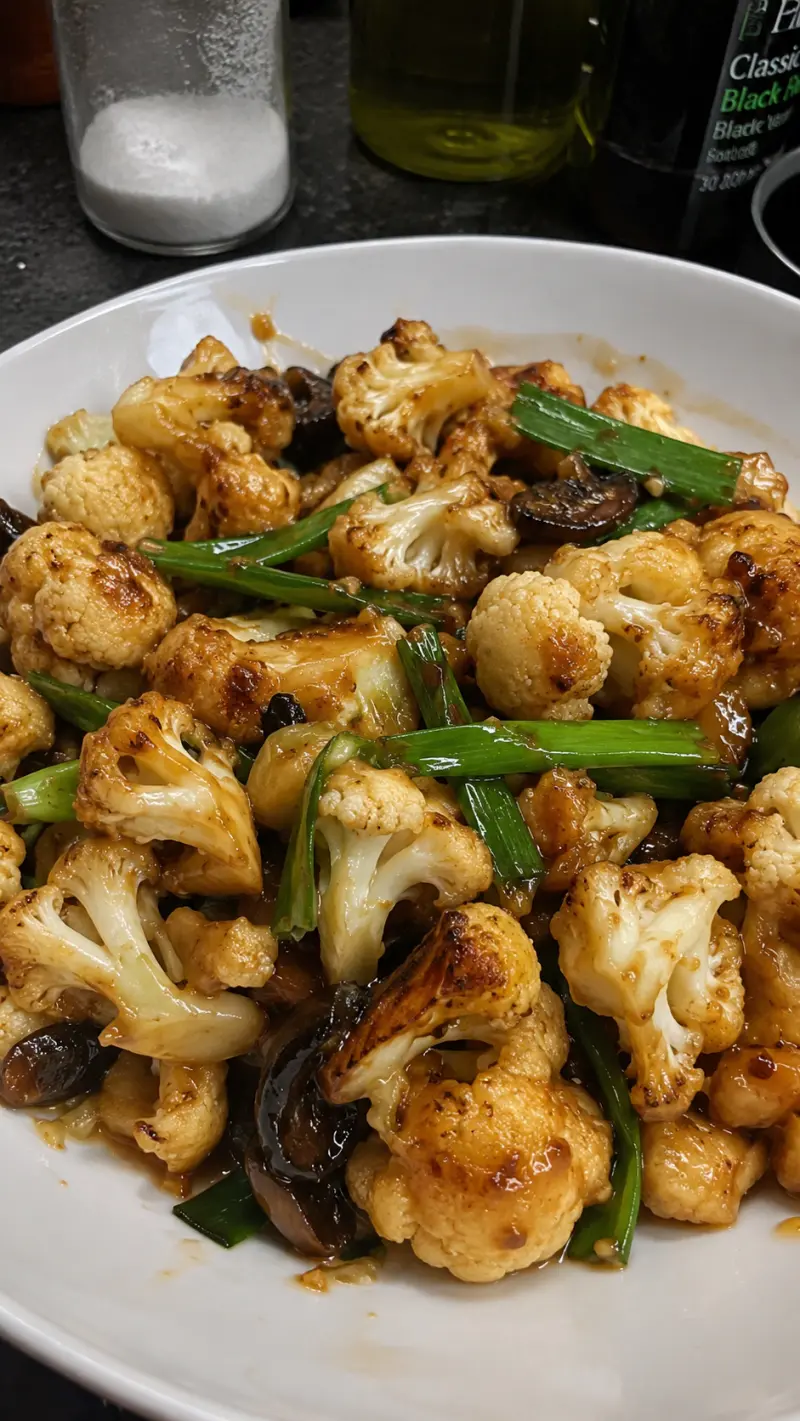
Quick and Easy Cauliflower Stir Fry
This quick Cauliflower Stir Fry is ready in 30 minutes, perfect for busy weeknights! Fresh veggies and a savory sauce make it a must-try.
Aug 26, 2026
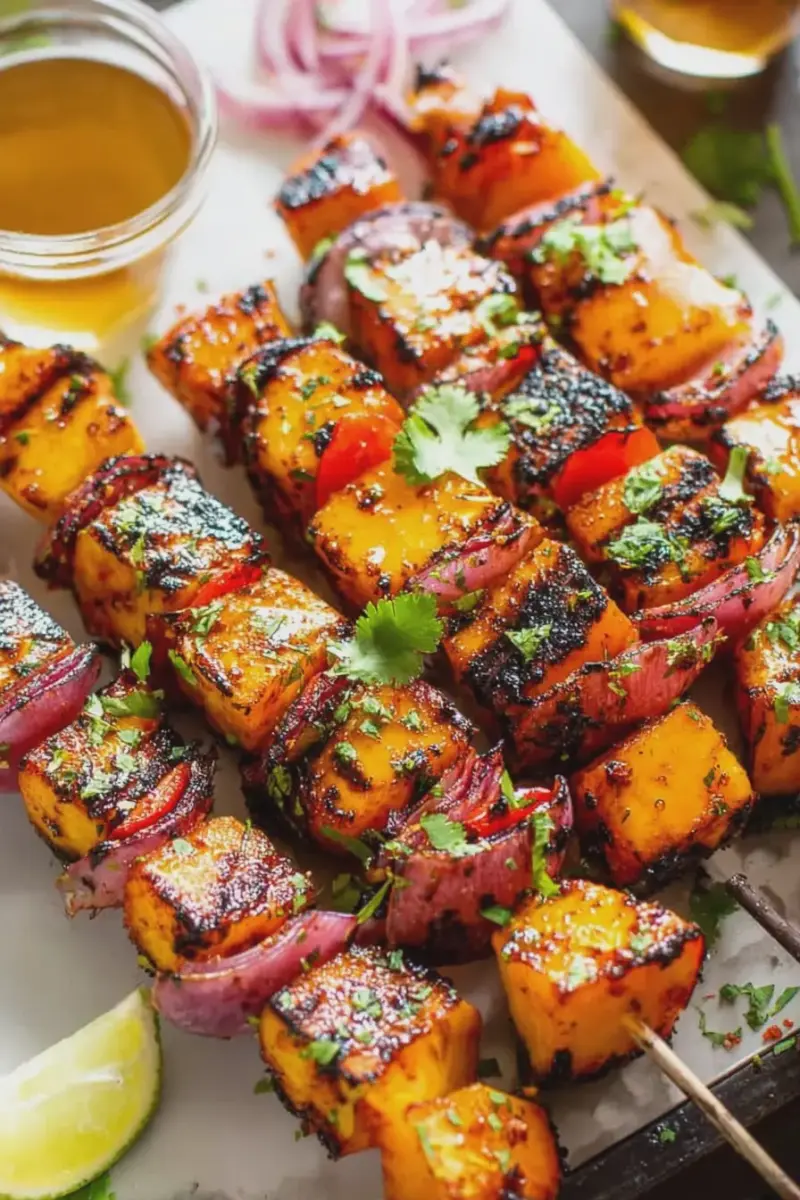
The 30-Minute Chili-Lime Tofu and Peach Skewers for Busy Summer Grills
May 14, 2026
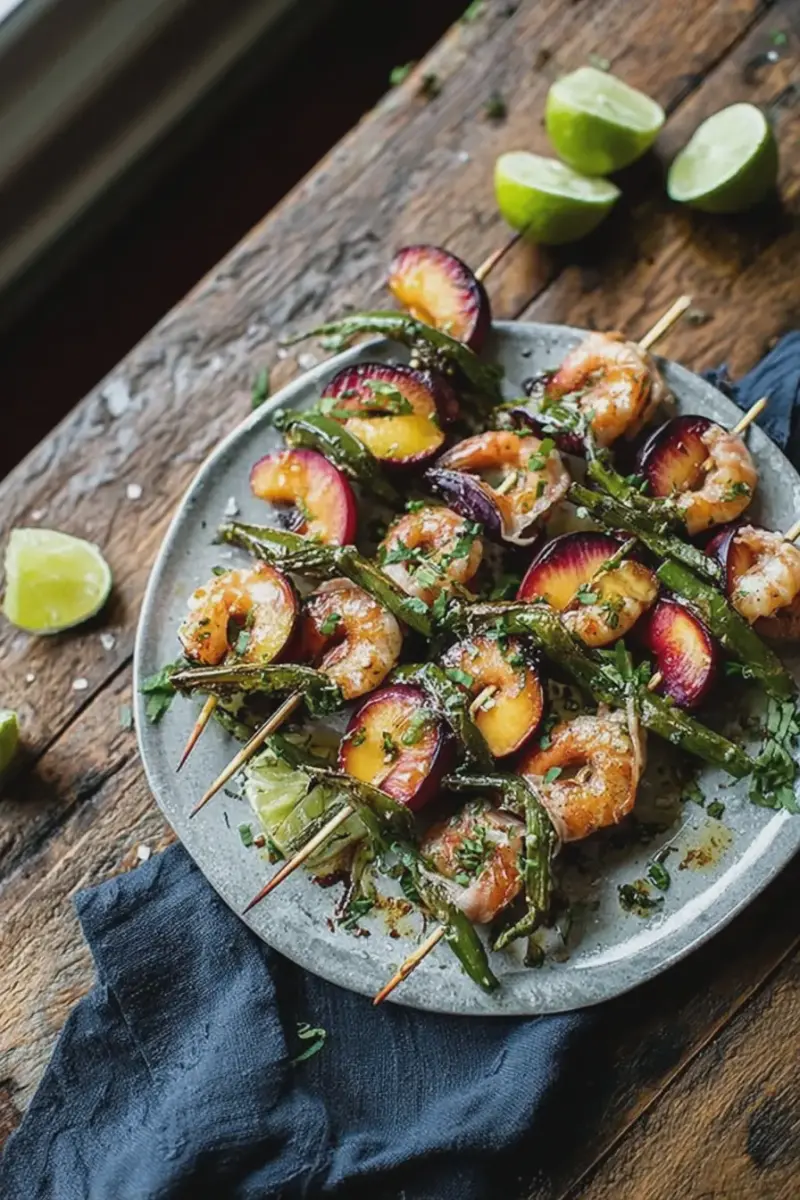
How I Make Summer Skewers with Shrimp, Jalapeño & Plums
May 14, 2026
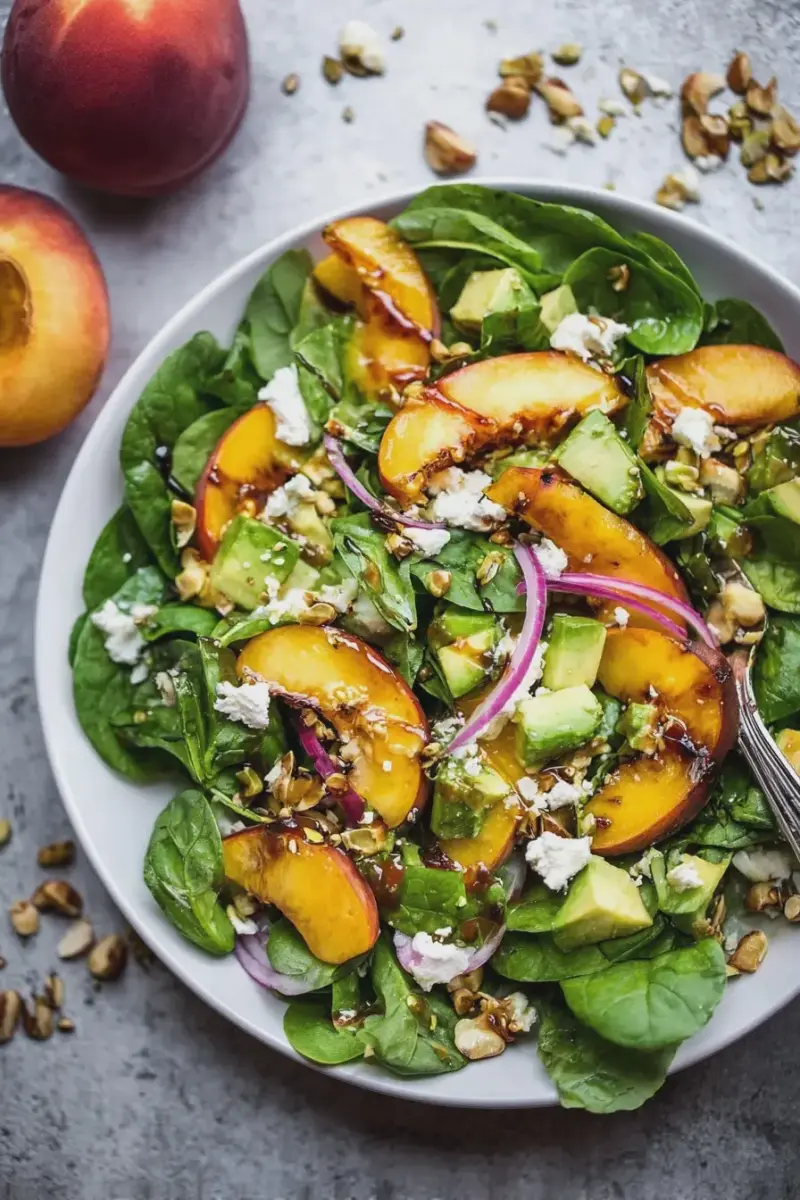
The Summer Peach Spinach Salad I Make Almost Every Week
May 14, 2026
Reviews
Be the first to review this.