- Prep
- 45 min
- Cook
- 210 min
- Total
- 255 min
- Serves
- 12
- Calories
- 554 kcal
- Protein
- 37.00 g
- Carbs
- 26.00 g
- Fat
- 34.00 g
Introduction
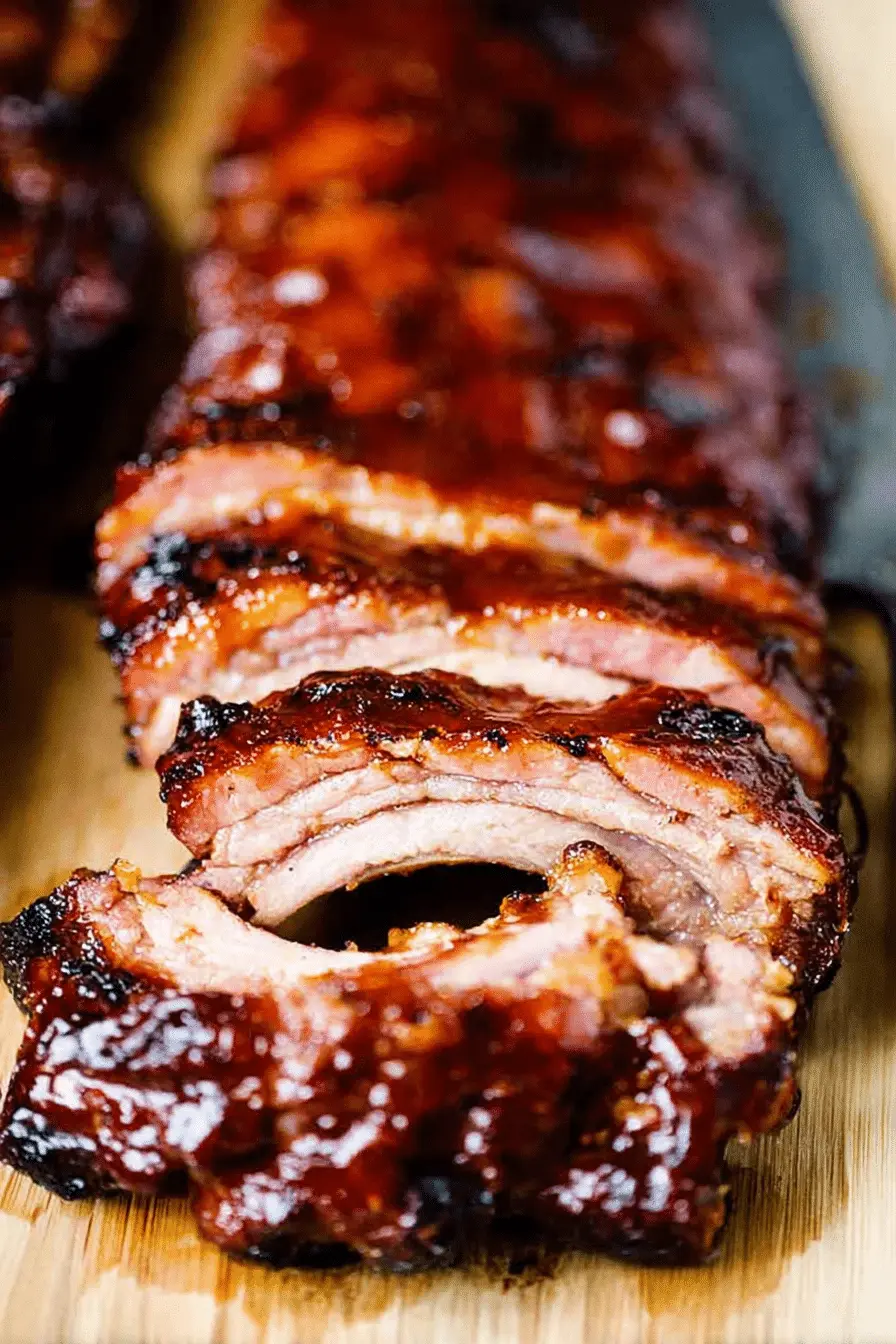
I fell in love with baby back ribs at a summer block party years ago, and since then I’ve refined a method that consistently brings people to the grill. In my kitchen I focus on three things: a smoky-sweet dry rub, patience while the meat relaxes, and a quick saucing finish that gives a glossy, sticky bite. When I bring these ribs to a backyard gathering, they set the tone—aromatic smoke, caramelized sauce, and people leaning in for a taste.
I enjoy the ritual of prepping ribs almost as much as the eating: removing the membrane, massaging the rub, and wrapping them to rest. Over time I learned which shortcuts keep the texture and which shortcuts betray it. I’ll share the reliable steps that let you feed a crowd without frantically flipping every five minutes.
These ribs are built for sharing—large racks that look impressive, slice easily for passing around, and pair with simple sides that let the pork shine. I love watching friends gather around the table while the aroma of smoked paprika, brown sugar, and garlic fills the air—it's the kind of food that brings people together.
Whether you’re planning a backyard party or a casual family dinner, this approach gives you flexibility: grill them low-and-slow over coals, finish them in the oven when weather turns, or use a quick method if time is tight. Read on and you’ll have a clear plan for every scenario.
Why These BBQ Baby Back Ribs Are Perfect for Backyard Parties
Baby back ribs are crowd-pleasers because they hit balance points people love: sweet, smoky, and a little kick from spices. They’re versatile—you can dial the smoke up for charcoal grill nights, or keep it mellow and finish in the oven if the forecast is rough. At a party they’re social food: easy to share, impressive to display, and forgiving to prep ahead so you can spend more time with guests.
Specific reasons they work so well for gatherings:
- Make-ahead friendly: You can rub and wrap the racks the day before, freeing you up on party day.
- Feeds a crowd: Full racks slice nicely for passing plates or platters.
- Flavor flexibility: Use the same base recipe and switch up sauces or finishing glazes to please varied tastes.
For the ultimate BBQ experience, check out our tips for the best sides and sauces to serve with your ribs.
Everything You Need for BBQ Baby Back Ribs
Below are the ingredients and tools that matter most. I’ll tell you why each one matters and what to reach for if you need a swap.
- Pork baby back ribs – The star of the show; choose racks with even meat coverage and a light pink color, avoiding overly fatty or very dry-looking pieces.
- Brown sugar – Adds caramelized sweetness and helps the rub form a sticky crust; brown sugar substitutes work but affect color and gloss.
- Onion and garlic powders – Build savory depth without adding moisture; powdered forms are convenient for even seasoning.
- Smoked paprika – Gives a smoky aroma even if you’re finishing in the oven; swap for sweet paprika if you want less smoke.
- Cajun seasoning and cayenne – Provide warmth and a savory edge; reduce to suit milder palates.
- Black pepper and kosher salt – Essential for balance; kosher salt seasons more evenly than fine table salt.
- Cumin and mustard powder – Add an earthy, slightly tangy backbone to the rub.
- BBQ sauce – Use a favorite bottle or a homemade sauce for the finishing glaze; thinner sauces are better for basting early, thicker ones for the final sear.
- Oil spray or neutral oil – Helps the dry rub cling and prevents sticking on the grill.
- Tools: grill, oven, or air fryer; large baking sheet; heavy-duty foil; basting brush; meat thermometer. – A reliable thermometer is one of the best investments for consistent results.
Achieving Fall-Off-the-Bone Ribs
Fall-off-the-bone is a textural target many chase, but what you really want is tender, juicy meat that pulls cleanly from the bone without collapsing into mush. Focus on connective tissue breakdown and moisture retention.
- Remove the membrane: Slip a knife under the membrane and pull it away; this lets flavors penetrate and prevents a tough bite.
- Massage the dry rub into every crevice: The sugar and spices form a crust that seals in flavor and color.
- Low-and-slow is your friend: Gentle, sustained heat converts collagen to gelatin and yields tender meat.
- Use foil or a pan to trap steam if you’re baking—this keeps the surface from drying while the interior tenderizes.
- Rest the ribs briefly after cooking: A short rest lets juices settle so the slices stay moist when served.
For more tips on tenderness and technique, check out our tips for tender ribs.
Low-and-Slow vs. Hot-and-Fast: When to Bake, Grill, or Use an Air Fryer
Choose your method based on time, weather, and how hands-on you want to be. Each appliance produces slightly different texture and bark.
- Grill (low-and-slow): Best for that classic smoky flavor and char—set up for indirect heat and plan several hours of cook time. This method creates the ideal exterior crust and deeper smoke penetration.
- Oven (reliable and weatherproof): Perfect when you need consistency or when rain is expected. The oven gives predictable results with minimal attention; use a covered pan or foil to keep ribs moist.
- Air fryer or pressure cooker (hot-and-fast): Great for busy cooks. Air fryers can deliver fast caramelization with smaller racks; pressure cookers or multi-cookers drastically reduce time and still break down connective tissue, but you’ll miss some of the bark you get from dry heat.
- Quick-cook ideas: If you're short on time, consider finishing ribs in a hot oven or under the broiler for a short period after a faster moist-heat cook to develop sauce stickiness and color.
Learn more about the different cooking methods for achieving perfectly cooked BBQ ribs.
How to Make BBQ Baby Back Ribs (Step-by-Step: Grill or Oven)
Follow these clear steps so your ribs come out tender, flavorful, and party-ready. Keep your thermometer handy—internal temp and texture are your guide.
- Prep the racks: Rinse and pat dry, then turn bone side up and remove the membrane by slipping a small knife under it and pulling it away.
- Mix the rub: Combine brown sugar, onion and garlic powders, Cajun seasoning, black pepper, smoked paprika, salt, cumin, chili powder, mustard powder, and cayenne. Spray the ribs lightly with oil and massage the rub over both sides until evenly coated.
- Rest the seasoned ribs in the fridge: Wrap tightly in foil and chill for at least several hours or overnight to let flavors penetrate.
- If grilling (indirect heat): Oil the grates, place ribs bone-side down away from direct flames, and cook covered at low heat for about 3 hours total, flipping midway. Check for tenderness—if they’re resistant, continue a bit longer. Target is tender meat with an internal temperature around 145°F; the real test is how the meat pulls from the bone.
- Move to direct heat and brush with BBQ sauce: Grill uncovered for several minutes per side to caramelize the sauce, watching carefully to avoid burning.
- If baking: Preheat the oven to a moderate temperature and bake covered for about 2 1/2 hours. Check tenderness and continue if needed. Drain excess fat, baste both sides with sauce, then broil briefly to set the glaze.
- Rest, slice, and serve: Allow a short rest before slicing between the bones and arranging on a platter for guests.
Pro Tip for bbq baby back ribs recipe: Quick-Cook Trick for Busy Cooks
- I use a vacuum-seal or heavy-duty zip bag when I’m short on time—pressing the rub into the meat and letting the ribs marinate under slight vacuum speeds flavor infusion.
- Pressure cooker shortcut: Cook briefly under pressure to speed collagen breakdown, then finish under a hot broiler or on a hot grill to develop the crust.
- Broil briefly for quick caramelization: If the interior is tender but you want faster glaze set, a short broil does wonders.
- Prep ahead: I often rub and wrap racks up to 24 hours ahead—it improves flavor and clears space on party day.
Troubleshooting
- Ribs are dry: Check for overcooking or too-high heat; lower the temperature and wrap in foil to retain moisture during the remainder of the cook. I also baste mid-cook if the surface looks dry.
- Ribs aren’t tender: Continue cooking low-and-slow; tenderness often requires extra time rather than higher temperature. If pressed, use steam (wrap tightly) to speed the process.
- Sauce burns on the grill: Move racks away from direct flames when saucing and caramelizing—sauces with sugar can char quickly. I apply sauce at the very end for that glossy finish.
- Sticking to the grill: Make sure the grates are well-oiled and the ribs have a thin coat of oil before they touch the heat.
How to Store, Reheat, and Make-Ahead BBQ Baby Back Ribs
Smart storage and reheating keep leftover ribs tasting nearly as good as fresh. Plan ahead if you’re prepping for a party.
- Short-term storage: Cool ribs, then wrap tightly in foil or place in an airtight container; refrigerate for 3–4 days.
- Freezing: Wrap well and freeze racks for longer storage—thaw overnight in the fridge before reheating.
- Reheating in the oven: Warm gently covered at a low temperature until heated through to preserve moisture; finish uncovered briefly to re-crisp the exterior if desired.
- Reheating on the grill: Rewarm over indirect heat with a light spritz of water or stock and a brief saucing final step for gloss.
- Quick reheat in an air fryer or broiler: Use short bursts of high heat to revive the crust, but watch closely to avoid drying.
Don't miss our guide on the best practices for storing BBQ ribs to keep them delicious.
Best Sides, Sauces, and Drinks to Serve with Your Ribs
Pairings can make the spread feel festive and balanced. Aim for contrast—something cool and crunchy, something starchy, and a bright element to cut the richness.
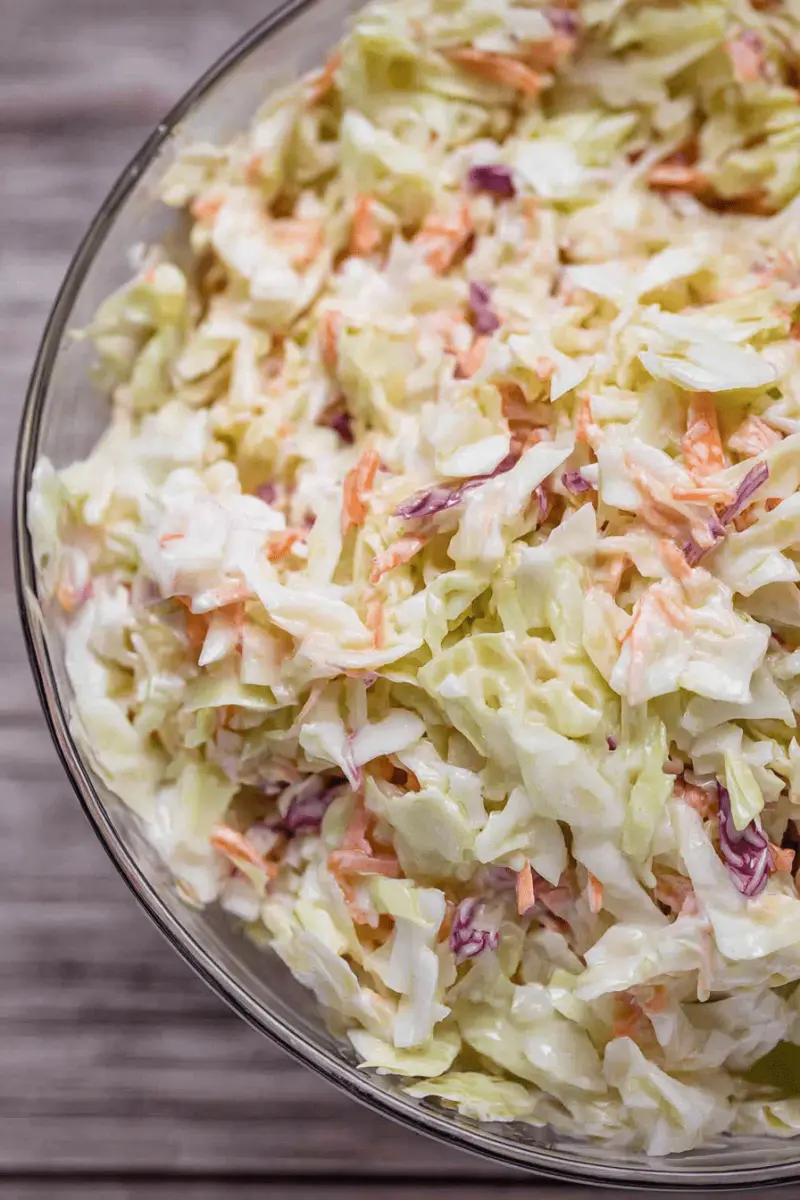
- Classic sides: Coleslaw (creamy or vinegar-based), corn on the cob, baked beans, and buttery rolls.
- Fresh accents: Pickled vegetables, a bright cucumber salad, or a tomato-and-onion relish bring acidity to the plate.
- Sauce ideas: Offer a tangy vinegar-based sauce, a sweeter molasses-style BBQ sauce, and a spicy mustard or hot sauce for variety.
- Drinks: Sweet iced tea, citrusy spritzers, and a selection of craft lagers or amber ales pair beautifully with smoky pork. Non-alcoholic sparkling drinks with lime are festive and refreshing.
- Dietary swaps: For lighter options, serve grilled vegetable skewers, a hearty grain salad, or a slaw made with yogurt-based dressing.
For the ultimate BBQ experience, check out our tips for the best sides and sauces to serve with your ribs.
Easy Variations: Healthier Sauces, Cinnamon-Garlic Glaze, and Dry Rub Swaps
- Lower-sugar sauce: Use tomato purée or crushed tomatoes as a base and sweeten lightly with apple butter or pureed dates for a cleaner label finish.
- Cinnamon-garlic glaze: Combine a savory tomato base with minced garlic, warm cinnamon, and a splash of acid for depth; brush on at the end for a unique aroma and gloss.
- Herb-forward rub swap: Replace some paprika and sugar with dried herbs like thyme and rosemary for a less-sweet, aromatic profile.
- Spicy-sweet swap: Add smoked chili flakes or chipotle powder to your rub and balance with a honey-based glaze for a bold finish.
- Smoke alternative: If you’re oven-only, include smoked paprika and a small amount of liquid smoke (sparingly) to mimic outdoor smokiness.
Frequently Asked Questions
What's the best way to cook barbecue baby back ribs?
Oil the grill grates. Place the ribs bone side down over indirect heat, cover, and cook for 1½ hours. Flip and cook for another 1½ hours until super tender (internal temp 145°F). Move to direct heat, brush with BBQ sauce, and grill uncovered for 5–10 minutes.
Can I use a different cooking method for the ribs?
Absolutely! You can bake or use an air fryer. For baking, preheat your oven to 300°F and bake for about 2½ hours, checking for tenderness. Reduce the time if grilling for a faster option.
How do I know when the ribs are done?
The ribs are done when they reach an internal temperature of 145°F and are very tender. You can check with a meat thermometer for accuracy.
What can I serve with BBQ baby back ribs?
Great sides include coleslaw, baked beans, or corn on the cob. You might also enjoy serving with your favorite BBQ sauces and refreshing drinks!
How should I store leftover ribs?
Let the ribs cool down, then wrap them tightly in foil or place in an airtight container. They can be stored in the refrigerator for up to 3-4 days or frozen for longer storage.
Recipe Card
The BBQ Baby Back Ribs My Guests Always Ask For
- Prep
- 45 min
- Cook
- 210 min
- Total
- 255 min
- Serves
- 12
- Calories
- 554 kcal
- Protein
- 37.00 g
- Carbs
- 26.00 g
- Fat
- 34.00 g
Ingredients
- 8-10 lbspork baby back ribs (You can also cut the recipe in half if you are cooking for a smaller group.)
- 2/3 cupbrown sugar (packed)
- 2.5 tbsponion powder
- 2.5 tbspgarlic powder
- 2 tbspcajun seasoning
- 4 tspblack pepper
- 4 tspsmoked paprika
- 2 tspkosher salt
- 1 tspcumin
- 0.5 tspchili powder
- 0.5 tspmustard powder
- 0.5 tspcayenne pepper
- 1Oil cooking spray
- 1BBQ sauce (Use your favorite or homemade.)
Instructions
- 1
Properly rinse ribs and pat dry with paper towels.
- 2
Turn the rack of ribs bone side up. Using a sharp small knife, slip it between the membrane and the bone then remove the membrane.
- 3
In a plastic bag, shake together brown sugar, onion powder, garlic powder, cajun seasoning, black pepper, smoked paprika, kosher salt, cumin, chili powder, mustard powder and cayenne pepper until combined.
- 4
Line a large baking sheet with non-stick foil and lay one of the racks of rib on top.
- 5
Spray the outside of the rack of ribs with oil spray then massage dry rub into each side of the ribs.
- 6
Cover the ribs with the foil and wrap tightly then store in the refrigerator for at least 6 hours or overnight.
- 7
Make sure to properly oil the grates of the grill so the meat won’t stick.
- 8
Once the grill is ready and hot, place the ribs bone side down on the grill over indirect heat. Grill covered for 1 ½ hours then turn them over and grill for an additional 1 ½ hours still over indirect heat.
- 9
Check on the ribs every now and again to ensure they don’t stick or burn.
- 10
Transfer the ribs to direct heat and brush with BBQ sauce on both sides. Grill uncovered for 5-10 minutes then remove.
- 11
Preheat the oven to 300 degrees F.
- 12
Bake ribs for 2 ½ hours. Check to see if they are incredibly tender. If not, leave covered and allow to bake an additional 30-45 minutes.
- 13
Drain the excess fat from the ribs then apply BBQ sauce to both sides.
- 14
Turn your oven on to broil and allow the sauce to stick to the ribs then remove.
You might also like
Reviews
Be the first to review this.