- Prep
- 15 min
- Total
- 15 min
- Serves
- 8
- Calories
- 246 kcal
- Carbs
- 14.00 g
Introduction
I make this coleslaw anytime I'm feeding a crowd — it gives me one less thing to fuss over while everything else is on the grill. In my kitchen this is the kind of salad I toss together while the meat rests: fast, forgiving, and reliable. The colors are bright, the crunch is satisfying, and it holds up well beside smoky proteins.
What I like most is how little skill you need to get great results. You don't need a mandoline or a fancy tool; a sharp knife or a box grater will do the job. I often make it the night before; the flavor gets better as it rests and you can focus on the main course when guests arrive.
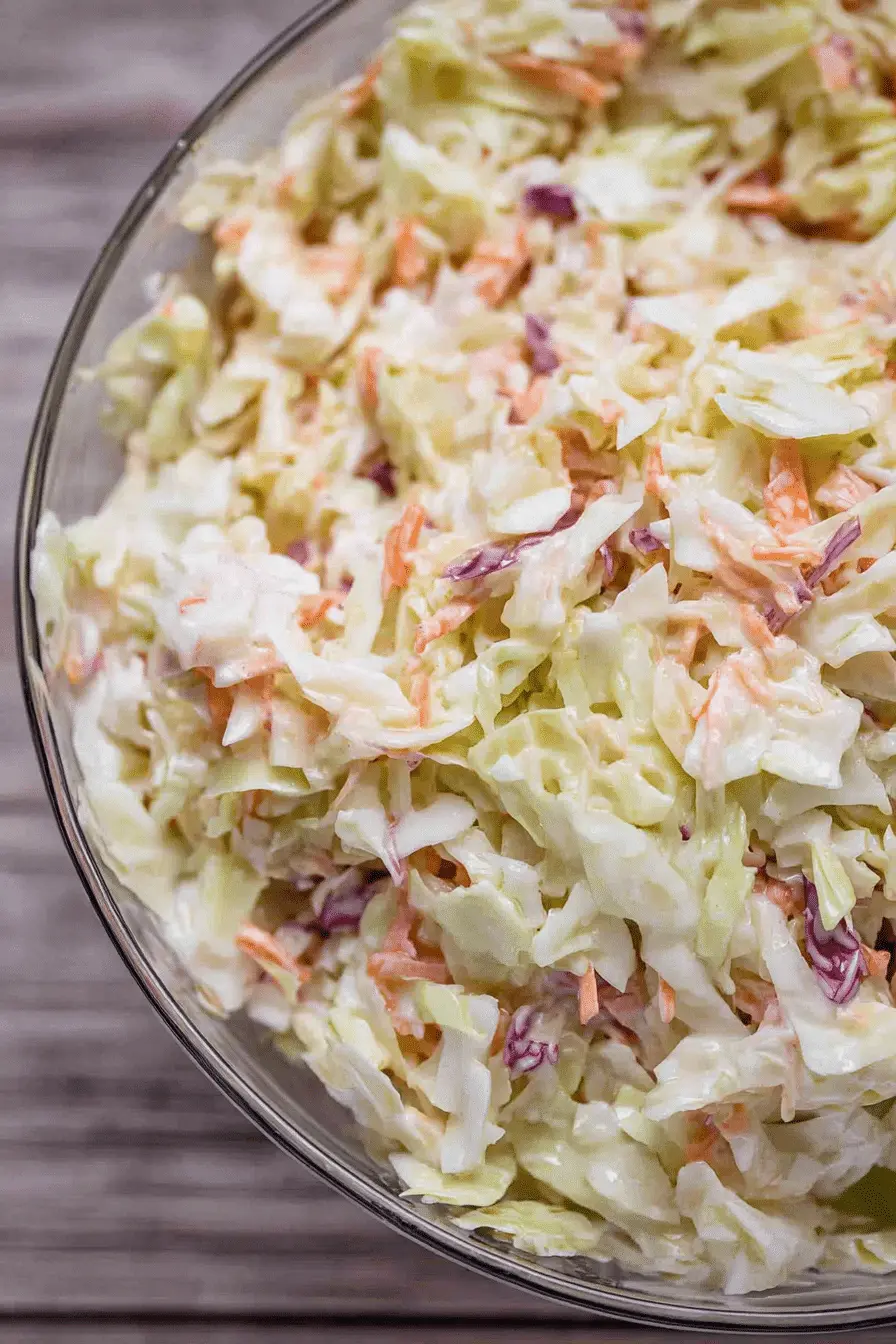
Visually it's a winner — pale green cabbage streaked with orange from the carrot, flecks of black pepper, and a glossy dressing that clings to each shred. Texturally, you want that first crisp bite followed by a creamy finish. Over the years I've learned a few small tricks that keep the slaw crunchy instead of soggy; I'll share those below so your bowl looks and tastes great on the table.
Why this Best Coleslaw Recipe is perfect for busy hosts
This coleslaw frees you up during a busy service: prep is short, the ingredients are pantry-friendly, and the salad benefits from resting, which means you can make it the day before. You don’t need advanced skills to get a great result — basic chopping and mixing are all it takes. It pairs with ribs, burgers, grilled fish, or vegetarian mains, so it’s a reliable side for mixed-diet gatherings. Picture a large bowl of crisp cabbage and carrot with a cool, creamy dressing — it brightens the plate and provides a crunchy contrast to rich, smoky mains.
Everything You Need for Best Coleslaw Recipe
Use fresh produce and simple pantry staples; fresh cabbage and carrot give you the crunch and aroma that make this slaw sing. If you want more background or a creamier take, check out this extra inspiration:
If you're looking for inspiration, check out this deliciously creamy coleslaw salad that makes a great side dish.
- Cabbage – The backbone of the slaw. Choose a firm head with crisp leaves; green or a mix of green and purple both work. Slice thin for tenderness or a bit thicker for extra crunch.
- Carrot – Adds color, sweetness, and a firmer bite. Shredded or grated works; larger shreds keep more texture.
- Mayonnaise – Gives the dressing its creamy body. For lighter options, you can swap part of it with yogurt or a neutral oil-based substitute.
- Sugar – Balances the acidity and softens the cabbage’s edge. You can swap with honey or a plant-based sweetener for a different profile.
- Apple cider vinegar – Adds a sharp, fruity tang that cuts through the richness. White wine vinegar or rice vinegar are fine substitutes with slightly different notes.
- Lemon juice – Fresh lemon brightens the dressing and adds a fresher acidity than vinegar alone; bottled juice won’t be as lively.
- Salt & pepper – Simple seasoning that pulls flavors together. Use salt to help draw out excess moisture if you want a firmer texture.
The Secret to a Crunchy, Non‑Soggy Slaw
- Salt the shredded cabbage briefly before dressing to draw out excess water. I often sprinkle and let it sit while I make the dressing; then I squeeze or pat the cabbage dry if it looks wet.
- Keep the carrot shredded but not paper-thin unless you prefer that mouthfeel; thicker shreds hold up better over time.
- Chill the slaw before serving — cold cabbage feels firmer and crisper. I always give it at least 30–60 minutes in the fridge when possible.
- Don't over-dress at first. Reserve a bit of dressing to add later if needed; overdressing speeds up sogginess.
Why the Dressing Ratio Matters (Vinegar vs. Lemon)
Vinegar and lemon bring different types of acidity: vinegar tends to be sharper and more fermented; lemon is brighter and adds citrus aromatics. Together they balance sweetness and fat in the dressing. If you lean toward a tangier slaw, increase the vinegar slightly; if you want freshness and a citrus note, add a touch more lemon. Taste as you go and adjust so the dressing complements the cabbage rather than overpowering it.
One Small Ingredient That Changes the Flavor Balance
Try adding a pinch of celery seed or a little finely minced onion. Celery seed gives a warm, slightly bitter note that plays well with creamy dressings; raw onion adds a sharp bite and aroma. If you need a milder option, use a small amount of onion powder or substitute with scallions for a gentler flavor. For dietary swaps, omit seeds or onions and amplify herbs like fresh dill or parsley to add interest without extra bite.
How to Make Best Coleslaw Recipe (Step‑by‑Step)
- Prepare the cabbage: remove the core and slice the cabbage into thin ribbons. If using a box grater for a coarser texture, grate the cabbage on the large holes.
- Shred the carrot using the same grater or a peeler for ribboned pieces. Combine cabbage and carrot in a large bowl so you have room to toss.
- Mix the dressing: whisk mayonnaise with sugar, apple cider vinegar, fresh lemon juice, salt, and pepper until smooth and glossy.
- Taste the dressing and adjust acid/sweetness to your preference before adding to the veggies.
- Pour most of the dressing over the cabbage and carrot; toss gently until everything is evenly coated. Leave a little dressing back to top up after chilling if needed.
- Refrigerate for at least 30 minutes, preferably a few hours or overnight, stirring once or twice to redistribute dressing and keep the texture even.
- Avoid over-mixing at service — fold gently so you keep separate strands rather than a mashed salad.
Pro Tip for best coleslaw recipe: Resting and Crunch Preservation
Note for the writer: Present the Pro-Tips, Troubleshooting, and Variations sections as bulleted lists for scannability.
- Resting time deepens flavor — plan for at least a few hours in the fridge; overnight is ideal for development.
- To keep crunch: drain any liquid released from the cabbage before dressing or hold back some dressing and add just before serving.
- If the slaw becomes soggy, refresh it with a handful of freshly shredded cabbage or a squeeze of lemon to revive texture and brightness.
- Serve chilled straight from the fridge — cold temperature helps the slaw maintain structure on the plate.
How to Store, Make‑Ahead, and Easy Variations to Try
- Storage: keep coleslaw in an airtight container in the fridge; it will stay fresh for about 2–3 days. Stir before serving to redistribute moisture.
- Make-ahead: assemble the slaw and store it chilled; the flavors improve with time, so making it the night before is a smart hosting move.
- Vegan variation: swap mayonnaise for a plant-based mayo or a thick vegan yogurt; taste and rebalance the acidity and sweetness.
- Low-carb option: skip sugar and add a touch of a low-carb sweetener or extra lemon to balance acidity.
- Gluten-free: the base recipe is naturally gluten-free; just check any packaged condiments for hidden gluten.
- Mix-ins to try: chopped apple for sweetness, raisins for chew, toasted nuts for crunch, or thinly sliced jalapeño for heat.
Creative Serving Suggestions and Pairings
Coleslaw is more versatile than it gets credit for — use it as a crunchy topping on pulled pork sandwiches, a bright contrast on fish tacos, or a cool side for grilled vegetables. For a fun twist, try adding some tropical flair with our Hawaiian pineapple coleslaw. Consider setting up a small slaw bar at a gathering with a few dressing options and mix-ins so guests can customize their bowls.
Regional Variations of Coleslaw
Different regions put their own stamp on slaw. In the South you'll often find tangier, creamier versions served with barbecue; Northern takes can be a bit sweeter or looser in dressing. Some areas add fruit or nuts for texture and contrast. If you’re curious about bold, regional twists, try a version like this tangy and zesty cowboy coleslaw for inspiration.
Frequently Asked Questions
What makes this coleslaw recipe the best?
The coleslaw combines crunchy cabbage and carrots with a creamy dressing that balances sweetness and tang, making it a delightful side dish for any meal.
Can I make this coleslaw ahead of time?
Absolutely! In fact, letting the coleslaw sit in the fridge for a few hours or even overnight allows the flavors to meld together beautifully.
How do I keep my coleslaw from getting soggy?
To prevent sogginess, salt the cabbage and carrot before mixing them with the dressing. This helps to draw out excess moisture while keeping the crunch.
What are some variations I can try with this coleslaw?
You can experiment by adding ingredients like diced apples, raisins, or even a bit of spice with jalapeños. Each addition can give a unique twist to the classic flavor!
How long can I store leftover coleslaw?
Leftover coleslaw can be stored in the refrigerator for up to 3 days. Just make sure to keep it in an airtight container.
Recipe Card
The Best Coleslaw Recipe I Make for Every BBQ — Ready in 10 Min
- Prep
- 15 min
- Total
- 15 min
- Serves
- 8
- Calories
- 246 kcal
- Carbs
- 14.00 g
Ingredients
- 1 smallcabbage (shredded and chopped, about 6 cups)
- 1 largecarrot (shredded)
- 1 cupmayonnaise
- ⅓ cupgranulated sugar
- 2 tbspapple cider vinegar
- 1 ½ tsplemon juice (fresh lemon juice)
- 1 tspsalt (more or less to taste)
- ⅛ tsppepper (more or less to taste)
Instructions
- 1
Cut the cabbage in half and remove the core from each side. Using a sharp knife cut the cabbage in very thin slices, then chop the slices into small pieces. Place the prepared cabbage in a large mixing bowl.
- 2
In a medium bowl, combine mayonnaise, sugar, vinegar, lemon juice, salt, and pepper. Mix until smooth and creamy.
- 3
Pour the slaw dressing over the cabbage and carrots. Thoroughly mix to combine. Refrigerate until ready to serve. Cole slaw is always better after sitting for a day, make sure to mix the slaw a few times as it sits in the fridge.
You might also like


Reviews
Be the first to review this.