- Prep
- 25 min
- Cook
- 20 min
- Total
- 135 min
- Serves
- 8
- Calories
- 505 kcal
- Protein
- 4.00 g
Introduction
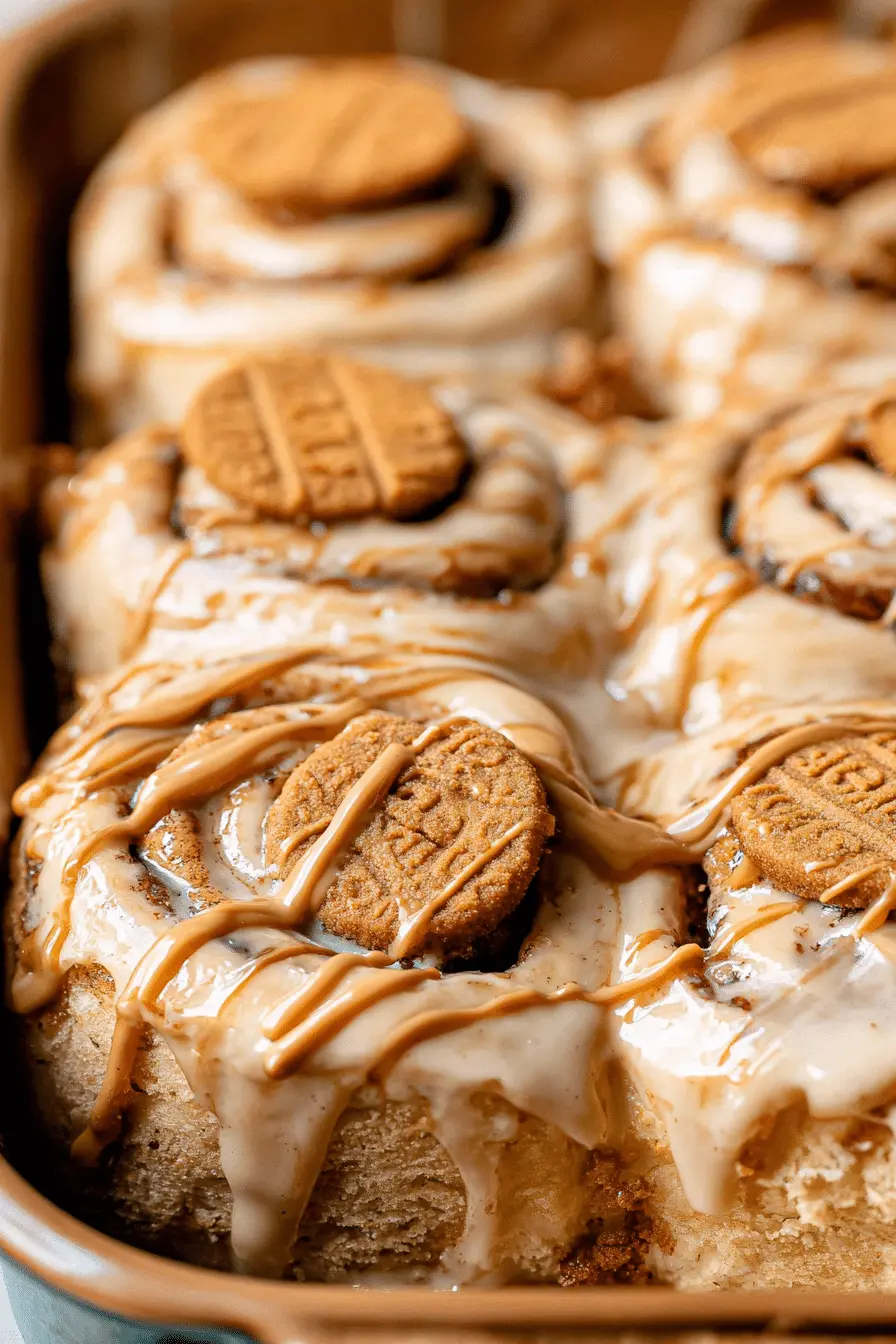
I make these Biscoff cinnamon rolls when I need something that feels indulgent but doesn't steal an entire day. They come together fast: the dough is forgiving, the filling is just cookie butter and brown sugar, and the oven does most of the work while you tidy the kitchen. I like that I can mix a batch before breakfast and have warm, sticky buns for a mid-morning treat. What I love most about this recipe is the shortcut feel: Biscoff cookie butter gives you deep caramelized spice notes without chopping, melting, or melting down hard-to-manage fillings. The dough rises reliably if your liquid is the right temperature, so even beginner bakers get the dreamy, pillowy texture everyone expects from a cinnamon roll. I've adapted this to be plant-based and eggless many times in my kitchen, and it holds up—soft interior, slightly browned top, and that sweet, sticky swirl. Below I’ll walk you through the ingredients, the small technique tweaks that make a big difference, and quick swaps for allergies or a freezer-ready batch.Why Biscoff Cinnamon Rolls Are the Quick, Gooey Treat for Busy Bakers
These rolls are a great fit for busy schedules because the active hands-on time is short and predictable. The filling is one bowl and spread, the dough is resilient, and the bake time is under half an hour—perfect for weekend brunches or a surprising breakfast for guests. The convenience comes down to Biscoff cookie butter: it’s spreadable, intensely flavored, and skips any stovetop caramel or complicated fillings. That makes assembly fast and cleanup minimal—important when you’re juggling dishes or little ones. Versatility is another big win. Easily make the recipe vegan or dairy-free, switch the filling to a nut-free option, or prep the rolls the night before and bake them fresh in the morning. The final product should be gooey at the center with visible spirals of cookie butter and sugar—think warm, spiced aroma with a smooth, almost caramel mouthfeel.Everything You Need for Biscoff Cinnamon Rolls
- * Dairy-free milk – Used for activating the yeast and hydrating the dough; choose a neutral option for best results. Warm it slightly so it’s comfortable to touch.
- * Active dry yeast – The lift behind the rolls; make sure it’s fresh and bubbly when proofed.
- * All-purpose flour – Gives structure to the rolls; for gluten-free, use a trusted 1:1 blend and add a binder if needed.
- * Brown sugar – Adds moisture and depth to both dough and filling; light or dark will change the caramel notes slightly.
- * Ground cinnamon – The aromatic backbone; don’t skip it in the filling.
- * Vegan butter – Used in dough and filling for richness; you can swap to a neutral oil in a pinch but the texture changes.
- * Biscoff cookie butter – The star of the filling; creamy spreads work, nut butters can substitute for a different flavor profile.
- * Vegan cream cheese & powdered sugar – For a tangy, sweet icing; use a dairy-based option if you don’t need to be vegan.
- * Crushed Biscoff cookies (optional) – For crunch and visual drama on top.
The Secret to Soft, Fluffy Rolls Every Time
It’s less magic and more technique: gentle kneading, enough time to rise, and the right hydration level. Kneading develops gluten so the dough can trap gas from the yeast—this is what gives you the soft, airy crumb. You should feel the dough relax and become springy; if it’s sticky, dust in small amounts of flour as you work rather than dumping a lot at once. Letting the dough double in a warm, draft-free spot is non-negotiable. I often set the covered bowl in my oven with just the light on for a steady, cozy environment. When the dough has doubled, press a finger gently—if the indentation springs back slowly, it’s ready. The small visual cues matter: smooth surface, soft bounce, and a slightly glossy sheen from the butter in the dough. For more techniques that help keep textures soft, check out For more tips on achieving soft textures, check out our cinnamon sugar donut muffins.Why Milk & Dough Temperature Matter for a Great Rise
Yeast is living and prefers a specific temperature range. If the milk is too hot you’ll kill the yeast; too cold and it won’t wake up. Aim for a warm, comfortable temperature so the yeast gets active without stress. I test with my wrist—the liquid should feel warm, not hot. Once the dough is mixed, keep it in a warm, humid spot. Covering the bowl with a damp towel prevents a skin from forming and keeps the surface slightly tacky, which helps the dough expand evenly. If you need to slow fermentation for timing, refrigerate the dough after the first rise—this develops flavor and gives you flexibility in the schedule.How Biscoff Cookie Butter Makes the Filling Better
Biscoff cookie butter brings toasted caramel, brown sugar, and spice notes all in one spreadable ingredient. It melts into the sugar and butter mixture to create a glossy, almost caramel-like ribbon inside each roll. The aroma while baking is warm and spiced, and the texture stays creamy rather than runny, so you get that gooey center without a soupy mess. Compared with plain nut butter, Biscoff gives a distinct cookie flavor that plays beautifully with cinnamon. If dietary needs demand an alternative, other cookie butters or sunflower seed butter work well—expect a shift in taste and tweak sugar levels to balance sweetness. For those who love Biscoff, you should definitely try our Biscoff salted caramel cheesecake for an indulgent dessert.How to Make Biscoff Cinnamon Rolls (Step-by-Step)
- Activate the yeast: warm your dairy-free milk gently with a portion of the brown sugar, sprinkle the yeast over the surface, stir, and let it sit until frothy—about ten minutes.
- Mix the dough: combine the dry ingredients in a large bowl, make a well, then add the yeast mixture, vanilla, and melted vegan butter. Stir until a loose dough forms; it will feel slightly sticky.
- Knead: turn the dough onto a lightly floured surface and knead until smooth and elastic, about 8–10 minutes. Add flour one tablespoon at a time only if the dough is unmanageably sticky.
- First rise: place the dough in a lightly oiled bowl, cover with a damp towel, and let it rise in a warm place until doubled—about 1½ hours.
- Roll out: shape the dough into a disk, then roll into a rectangle. Spread the cookie butter filling across the surface, leaving a narrow border, and sprinkle crushed cookies for texture.
- Form the rolls: roll the dough into a log, slice into even rounds, arrange them in your pan, and let them rise again briefly until slightly puffy—20–30 minutes.
- Bake: preheat your oven and bake until the tops are golden and the centers feel set—roughly 20–23 minutes depending on your oven.
- Make the icing: while the rolls bake, beat vegan cream cheese with powdered sugar, a splash of dairy-free milk, and a little melted cookie butter until smooth. Adjust consistency with milk or powdered sugar.
- Finish: let the buns cool a few minutes so the icing doesn’t completely melt away, then spread or drizzle and top with extra crushed cookies if you like.
Pro Tip for Biscoff Cinnamon Rolls: Vegan Swaps, Nut-Free Options & Freezing Hacks
Pro Tips:- Use room-temperature dairy-free milk and butter to help the dough come together more predictably.
- When rolling the log, use a bench scraper to lift the dough cleanly—this keeps the spirals tight and even.
- I brush the outside of the rolls with a tiny amount of melted vegan butter before baking for a shiny, golden top.
- If the dough feels gummy after kneading, I let it rest for 10 minutes—gluten relaxes and it’s easier to finish kneading without adding too much flour.
- If your rolls aren’t rising, check the yeast: I proof it in warm milk and watch for foam; if there’s no foam, I start over with fresh yeast.
- If the center bakes slower than the edges, I tent the pan with foil after the first 12 minutes to allow the middle to cook without over-browning the top.
- Vegan swap: use any plant-based milk, vegan butter, and vegan cream cheese for the icing.
- Nut-free filling: substitute sunflower seed butter or a seed-based cookie spread if nuts are a concern.
- Freezing hack: freeze the rolled, uncooked slices on a tray, then transfer to airtight bags. Thaw overnight in the fridge and allow a final rise before baking.
How to Store, Reheat, and Remix Leftover Biscoff Cinnamon Rolls
- Room temp: keep leftovers in an airtight container for up to 2 days to preserve softness.
- Refrigeration: store for up to a week; reheat in short bursts in the microwave to restore tenderness or warm in a low oven for a crisp top and soft center.
- Freezing: freeze baked rolls in an airtight container for up to 3 months; thaw overnight and warm before serving.
- Remix ideas: turn slices into French toast, layer torn buns into a bread pudding, or toast halves and top with ice cream for a quick dessert.
Frequently Asked Questions
Can I make these Biscoff cinnamon rolls vegan? Absolutely! The recipe is already designed to be vegan, using dairy-free milk and vegan butter. Just make sure to use vegan cream cheese for the icing! How can I store leftover cinnamon rolls? You can store leftover Biscoff cinnamon rolls in an airtight container at room temperature for up to 2 days, or in the fridge for up to a week. Just reheat them in the microwave for a few seconds before enjoying! What can I use instead of Biscoff cookie butter? If you don't have Biscoff cookie butter, you can substitute it with another type of cookie butter or even a nut butter, though the flavor will differ. How do I achieve the best rise in my dough? Make sure your milk is warm (not hot) when activating the yeast and that you let the dough rise in a warm, draft-free area. This helps ensure that your cinnamon rolls are soft and fluffy! Can I freeze the uncooked cinnamon rolls? Yes! You can freeze the rolled and cut cinnamon rolls in an airtight container. When you're ready to bake, let them thaw in the fridge overnight, then let them rise before baking.Recipe Card
The Biscoff Cinnamon Rolls I Make When I Need a Quick, Gooey Treat
- Prep
- 25 min
- Cook
- 20 min
- Total
- 135 min
- Serves
- 8
- Calories
- 505 kcal
- Protein
- 4.00 g
Ingredients
- 1 cupdairy-free milk ((225g - or milk of choice, warm but not hot to the touch))
- ¼ cuplight brown sugar ((50g - divided))
- 2 ¼ tspactive dry yeast ((8g))
- 3 cupsall-purpose flour ((365g))
- 1 tspground cinnamon ((4g))
- ½ tspsalt
- 3 tbspvegan butter ((45g - melted))
- 1 tspvanilla extract ((2g))
- ½ cuplight brown sugar ((85g - loosely packed for filling))
- 1 tbspground cinnamon ((12g for filling))
- 3 tbspsoftened vegan butter
- ¼ cupmelted Biscoff Cookie Butter
- 5-6crushed Biscoff cookies
- 1 tspvanilla extract ((optional))
- 2 tbspvegan cream cheese ((softened slightly))
- 1 cuppowdered sugar ((130g))
- 2 tbspmelted Biscoff cookie butter
- 1-2 tspdairy-free milk ((as needed for icing))
Instructions
- 1
Activate the Yeast: Mix the warm dairy-free milk and half of the brown sugar together. Sprinkle in the active dry yeast, give it a quick stir, and let sit for 10 minutes until frothy.
- 2
Make the Dough: In a large bowl, mix together the flour, the other half of the brown sugar, salt, and cinnamon. Make a well in the center and add the yeast mixture, vanilla, and melted vegan butter. The dough should come together into a ball and might be slightly sticky to the touch.
- 3
Knead the Dough: Transfer the dough to a lightly floured surface and knead for 8-10 minutes. Sprinkle an additional tablespoon of flour onto the dough at a time as you knead until the dough is soft and no longer sticky.
- 4
Let Rise: Cover with a damp tea towel or paper towel and let rise in a warm place for 1 ½ hours until doubled in size.
- 5
Roll out Dough: Once the dough has doubled in size, transfer the dough and shape it into a ball. Then, flatten it into a 6-inch diameter disk. Roll out into a 12” by 7” long rectangle.
- 6
Spread Filling: Prepare the filling by combining the melted cookie butter, softened butter, brown sugar, cinnamon, and vanilla in a small bowl. Spread the filling on the dough leaving a ½" border on all the edges. Sprinkle the crushed Biscoff cookies on top.
- 7
Cut Rolls & Rise Again: Roll the dough into a log and cut into 1 ½" thick rolls. There should be 8 rolls. Place the rolls in the prepared baking dish. Cover the rolls with a damp cloth and let them rise for 20-30 minutes.
- 8
Bake: Preheat the oven to 375°F (190°C). Bake for 20-23 minutes or until golden brown.
- 9
Frost: While the rolls are baking, stir together the ingredients for the vegan cookie butter cream cheese icing in a small bowl. If the icing looks thick, add up to 2 more teaspoons of dairy-free milk. If the mixture looks runny, add 1-2 tablespoons of powdered sugar at a time until you reach the desired consistency.
- 10
Let the buns cool slightly before spreading the frosting on top. You can also drizzle melted cookie butter on top and decorate with crushed Biscoff cookies.
You might also like

Reviews
Be the first to review this.