- Prep
- 15 min
- Cook
- 40 min
- Total
- 55 min
- Serves
- 8
- Calories
- 250 kcal
- Carbs
- 39.00 g
On this page12 quick jumps
TOC
12 quick jumps
Introduction
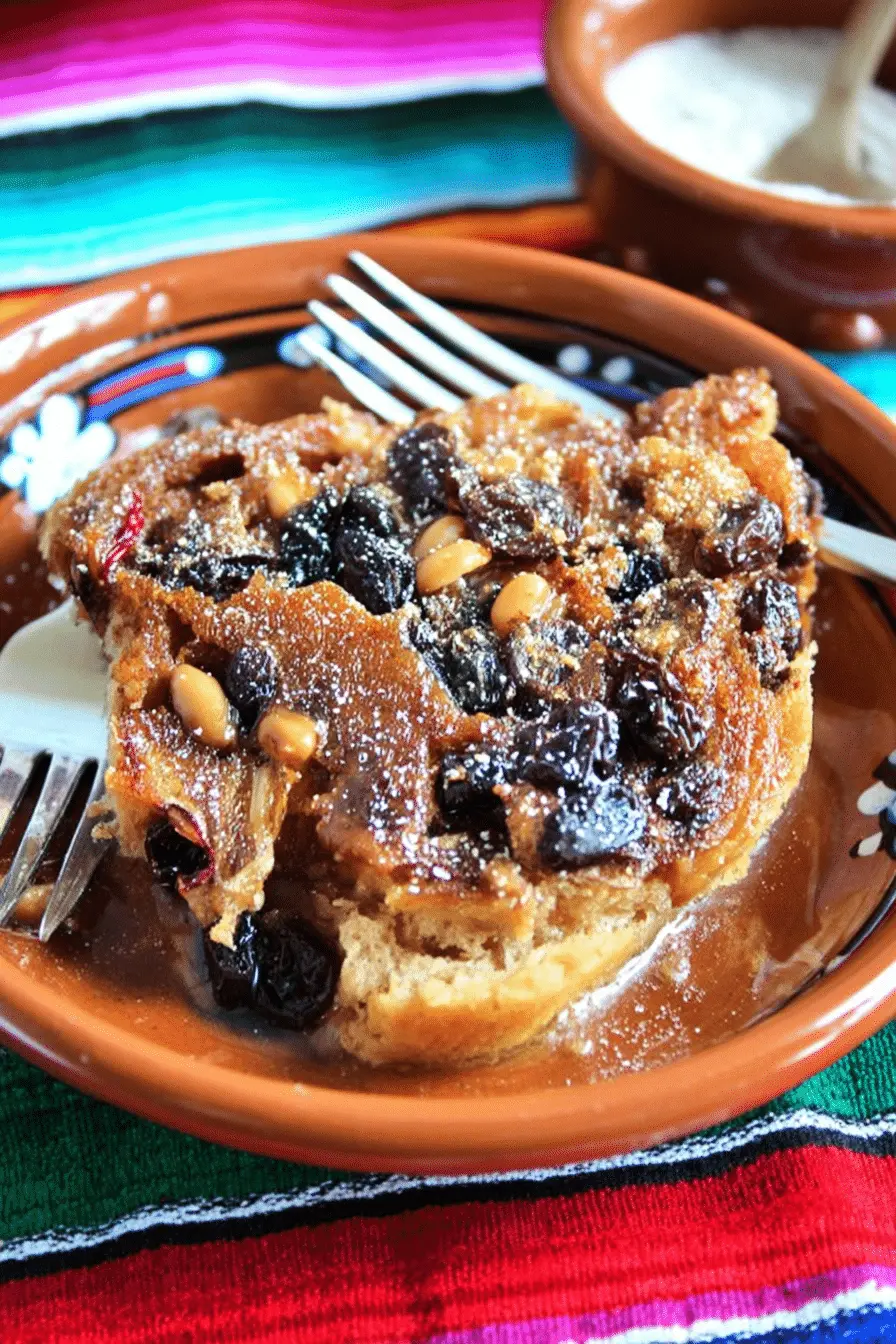
I grew up with the smell of cinnamon and piloncillo filling my grandmother's kitchen on quiet afternoons; that scent is the shorthand for home for me. Capirotada was never just a dessert in my family — it was the thing we made when cousins came over, when winter rain settled in, when someone needed comfort on a small, ordinary night. I learned early that the right bread and a patient soak make the difference between a pleasant pudding and one that feels like a warm hug. Over the years I have tested small tweaks — a longer soak, a different cheese, swapping nuts — and each time I come back to the simple architecture of this dish: layered bread, syrup perfumed with cinnamon, plump dried fruit and the gentle salt of cheese. In my kitchen, capirotada is as much about timing and texture as it is about taste. When done right the top is golden and slightly crackly, the interior soft but not soupy, and the whole pan carries that deep molasses note that makes you close your eyes and remember. I’ll walk you through why certain ingredients matter, how to get the soak just right, when to add cheese for that perfect pull, and practical sourcing and make-ahead tips. Pro-Tips, Troubleshooting, and Variations are presented as bulleted lists for scannability so you can quickly get to the part you need while you’re at the stove.Why Capirotada Feels Like Home: A Mexican Bread Pudding for Family Tables
Capirotada traces its roots to colonial Mexico, where Spanish and indigenous ingredients and rituals blended into what many families now regard as a ritual dessert, especially during Lent. For decades, it has been served at gatherings, made in large pans so hands can reach in and grab a warm piece. My own family used it to mark small celebrations — a new baby, a return from a long trip — and also to soothe sorrows. The layers of symbolic meaning are part of its power: simple bread transformed by syrup into something more than the sum of its parts. Across Mexican regions you’ll find variations — more nuts in some states, different cheeses in others, or extra citrus notes — but always a comforting aroma of cinnamon and a homey, generous spirit. Close your eyes and imagine that aroma — warm, woody cinnamon with a lingering molasses sweetness — wafting through your house and rounding up everyone for a spoon.Everything You Need for Capirotada (Ingredients)
Below I talk through each ingredient and what it contributes so you know what to prioritize and what you can swap without losing the soul of the dish. Remember, I’m describing purpose and substitutions — measurements are handled in the recipe card that accompanies this post.- Bolillo or crusty bread – The backbone; slightly stale bread soaks without collapsing. If you can’t find bolillo, a day-old French loaf works well.
- Piloncillo or unrefined brown sugar – Gives that warm, deep molasses flavor that defines traditional capirotada. Dark brown sugar is an acceptable stand-in if piloncillo isn’t available.
- Cinnamon sticks – For aromatic syrup; whole sticks bloom slowly and keep the syrup clear of grit unlike ground cinnamon.
- Raisins (soaked) – Provide bursts of concentrated sweetness and chewy texture; soaking plumps them so they don’t pull moisture from the bread later.
- Nuts (walnuts or pecans) – Add crunch and toasty flavor; optional but traditional in many family recipes.
- Cheese (queso fresco or cheddar) – Adds salt and a savory counterpoint; queso fresco gives a fresh crumble while cheddar melts and creates that delightful pull.
- Optional citrus or spices – Orange peel, cloves, or a splash of vanilla can add regional or family-specific notes without changing the dish fundamentally.
Why Piloncillo, Bolillo and Cinnamon Matter
Piloncillo is an unrefined cane sugar pressed into cones — it has a dark, complex sweetness with caramel and molasses notes that brown sugar only approximates. When you use piloncillo in the syrup, the color and depth are immediate: the sauce becomes almost ebony and coats the bread with a warm, resonant sweetness. Bolillo is a small, crusty roll with an airy crumb and firm crust; it soaks evenly without turning to mush. The crust helps provide tiny pockets of crispness once baked. If you use a softer sandwich bread, the result can be overly dense or gummy. Cinnamon is the aromatic backbone. I always prefer whole cinnamon sticks simmered slowly so the aroma unfolds gently — the scent should fill your kitchen like a blanket. Together, piloncillo, bolillo, and cinnamon create the balance of dark sweetness, structural integrity, and warm spice that makes capirotada unmistakable.The Secret to the Perfect Soak and Texture
- Soak temperature matters: warm syrup pours into the bread and is absorbed more evenly than piping-hot or cold syrup. Aim to warm the syrup enough that it flows easily but won’t scald the bread.
- Control the ratio of syrup to bread: you want the bread saturated but not swimming. Too much syrup makes the pudding runny; too little leaves dry pockets. Add syrup gradually and press down gently so you can judge absorption.
- Timing the soak: give the layers a few minutes after each drizzle to settle and absorb. This staged soaking yields a more even texture than pouring all the syrup at once.
- Bread condition: slightly stale bread absorbs without falling apart. If your bread is very fresh, briefly toast the cubes to dry them out and increase absorption capacity.
- Final bake sets the structure: the oven caramelizes the top and finishes the interior so it’s tender but not soupy. Look for a golden top and a cohesive interior when you jiggle the pan gently.
When to Add Cheese — Timing for Melty, Balanced Flavor
Cheese is the element that turns the capirotada into something savory-sweet and utterly comforting. The choices and timing change the experience:- If you want a fresh, slightly crumbly contrast, scatter queso fresco over the top just before serving so it warms but doesn’t fully melt.
- For a melty, stretchy finish, add cheddar toward the last 10 minutes of baking so it softens and pulls without overbrowning.
- Layering idea: sprinkle a little cheese between the layers for pockets of savory richness, and add a final layer on top late in the bake for visual appeal and texture contrast.
- Balance sweetness: I taste as I go and add cheese gradually — you want the saltiness to cut through the syrup without dominating it.
How to Make Capirotada (Step-by-Step)
- Preheat the oven and grease your baking dish so the capirotada releases easily and the edges brown nicely.
- Make the syrup by simmering piloncillo (or dark sugar), water, and cinnamon sticks until the sugar dissolves and the liquid thickens slightly.
- Layer the bread cubes in the dish; pour some warm syrup over the first layer and allow it to sink in for a few minutes before adding more layers.
- Scatter soaked raisins and nuts between layers for texture and even distribution of sweetness and crunch.
- Pour the remaining syrup over the assembled pan, pressing lightly so the bread absorbs evenly. Bake uncovered until the top is golden and the interior is set but still moist.
- Add cheese in the final minutes of baking if you want it melted, or sprinkle fresh cheese at the end for a softer contrast.
- Rest briefly before serving so the syrup settles; serve warm so the cheese and syrup are at their most inviting.
- If the center is soggy, I usually baked it a bit longer and tented the top to avoid over-browning while the middle firms up.
- If the top burns before the inside is set, reduce oven temperature slightly and extend baking time; different ovens brown at different rates.
- If the bread is too dry and won’t absorb, I pour a little extra warm syrup and cover the pan briefly to help the heat drive absorption.
Pro Tip for capirotada: Sourcing Bolillo and Piloncillo for Authentic Flavor
- Look for bolillo at local panaderías — fresh bolillos have a firm crust and airy crumb. If you can’t visit a panadería, check Latin markets or bakeries that carry Mexican breads.
- Piloncillo often appears in the Latin baking aisle as small cones or wrapped blocks; if it’s unavailable, use the darkest brown sugar you can find and add a touch of molasses for depth.
- When buying cinnamon, choose whole sticks labeled Ceylon or Mexican cinnamon if available — both offer a warm, complex aroma. Ground cinnamon can be used but won’t yield the same clarity in the syrup.
- Online options: many artisanal Latin food sellers ship piloncillo and authentic cinnamon sticks; read descriptions for origin and look for small-batch producers for richer flavor.
How to Store, Reheat and Make-Ahead Capirotada (Plus Variations)
Storage and reheating are straightforward and let you enjoy capirotada over several days. You can assemble the dish in advance and refrigerate unbaked; when ready, bake it straight from the fridge and add a few extra minutes to the bake time. This is handy when feeding a crowd or preparing ahead for a gathering.- To store: cover tightly and refrigerate for up to 3–4 days. The syrup keeps the interior moist; flavors often meld and improve overnight.
- To reheat: warm slices gently in the oven until heated through, or microwave individual portions briefly and finish under the broiler for a minute to refresh the top.
- Vegan adaptation: swap butter with neutral oil, replace cheese with a firm, salty vegan cheese or a sprinkle of toasted coconut for a contrasting texture, and use piloncillo or dark sugar as usual.
- Gluten-free adaptation: use a sturdy gluten-free crusty loaf — toast the cubes to firm them up, then proceed with the syrup and layering as normal.
- Variations (quick ideas):
- Orange-ginger: add orange peel and a small piece of fresh ginger to the syrup for citrus warmth.
- Tropical twist: swap raisins for dried tropical fruits and add toasted coconut for chew and lift.
- Nut-forward: double the nuts and toast them beforehand for a deeper, savory crunch.
Frequently Asked Questions
What does capirotada symbolize? Capirotada symbolizes the Passion of Christ, with the bread representing His body, the syrup symbolizing His blood, and the spices like cloves and cinnamon representing the nails and wood of the cross. Can I make Capirotada ahead of time? Absolutely! You can prepare Capirotada in advance. Just assemble it and store it in the refrigerator. When you're ready to serve, bake it straight from the fridge, adding a few extra minutes to the cooking time. What type of cheese is best for Capirotada? Queso fresco and cheddar are both great choices for Capirotada. They melt beautifully and add a delicious flavor that complements the sweetness of the dish. Can I use different types of bread for the recipe? Yes! While bolillo is traditional, you can also use French bread or any crusty bread you like. Just be sure it's slightly stale for the best texture. Is Capirotada a dessert or a main dish? Capirotada is typically enjoyed as a dessert, especially during Lent and other special occasions, though it can also be a comforting sweet treat any time of year!Ingredients
- 4 cupsbolillo or French bread, cubed (about 6-8 slices)
- 1 cupdark brown sugar
- 2 cupswater
- 2cinnamon sticks
- 1 cupraisins (soaked in water)
- 1/2 cupchopped nuts (optional - walnuts or pecans)
- 1 cupcheese (queso fresco or cheddar)
Instructions
- 1
Preheat the oven to 350°F (175°C) and grease a baking dish.
- 2
In a saucepan over medium heat, combine brown sugar, water, and cinnamon sticks. Stir until dissolved; let simmer for 5 minutes.
- 3
Layer the cubed bread in the baking dish, drizzling half of the syrup mixture over it.
Taste as you go. Recipes are a guide, not a contract.
- 4
Sprinkle soaked raisins and nuts over the bread layer, then drizzle more syrup on top before adding another layer of bread.
- 5
Pour the remaining syrup over everything and bake uncovered for 30-40 minutes until golden brown.
- 6
For extra flavor, add cheese during the last 10 minutes of baking.
Recipe Card
How I Finally Nailed Capirotada — A Family Favorite
Keep it handy for later, send it to someone cooking with you, or open the clean print view.
- Prep
- 15 min
- Total
- 55 min
- Serves
- 8
You might also like
How I Make Quick Blueberry Lemon Jam — Canning in 1 Hour
May 21, 2026
The 5-Ingredient Japanese Jelly Dessert I Make All Summer
May 21, 2026
The Homemade Peachy Gummies My Kids Love — Fun, Simple Treat
May 21, 2026

How I Make Green Tea Lemon Ginger Gummies for Daily Immune Support
May 21, 2026
Reviews
Be the first to review this.