Tags
- Prep
- 15 min
- Cook
- 40 min
- Total
- 55 min
- Serves
- 6
- Calories
- 316 kcal
- Carbs
- 36.00 g
Introduction
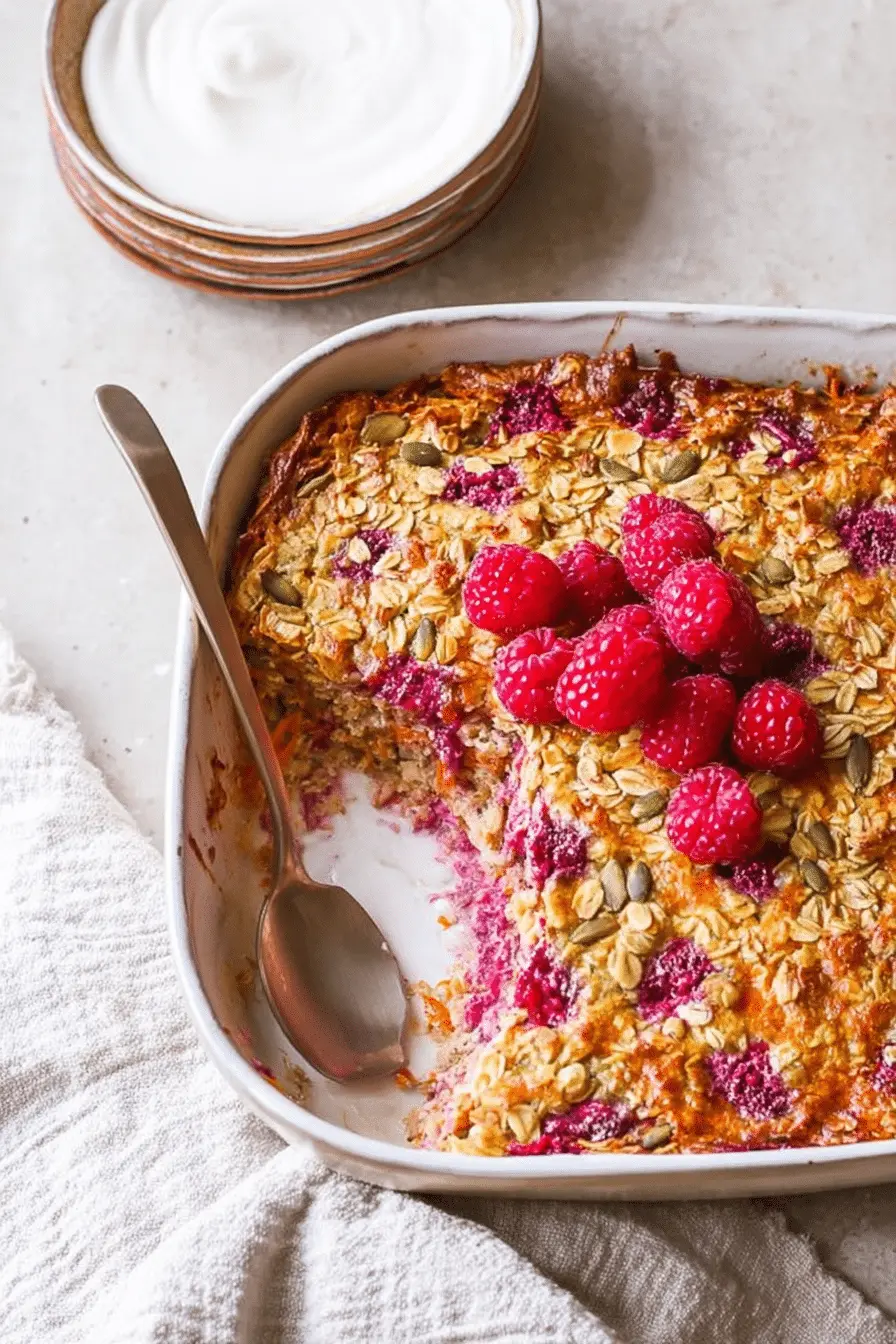
I first made these carrot and raspberry baked oats on a sleepy Saturday morning when my fridge had a jumble of odds-and-ends: a couple of carrots, a box of frozen raspberries, and a bag of rolled oats. The oven filled the kitchen with a warm, cinnamon-scented steam that smelled faintly like carrot cake, and by the time I cut into the pan the texture was something between soft porridge and a sliceable, homey cake. If you like the comfort of oatmeal but want something you can slice, pack, and reheat, this is the sort of recipe you’ll keep coming back to. Baked oats are having a moment for good reason: they’re easy, forgiving, and far more portable than a steaming bowl. This version folds grated carrots and tart raspberries into rolled oats with seeds and shredded coconut — the result is sweet, lightly spiced, and packed with fiber and vitamins. It’s my go-to batch for weekday breakfasts because I can bake it on Sunday and portion it out; reheat a slice in the microwave for 45–60 seconds and it’s nearly indistinguishable from freshly baked.Ingredients You'll Need
Below are the primary ingredients I use every time I make this baked oats. I’ll note why each matters and what to look for at the store or farmer’s market.- Rolled oats – the base; they absorb the liquid and give the bake its soft, creamy structure. Use old-fashioned rolled oats, not instant or steel-cut for the best texture.
- Mixed seeds (sunflower & pumpkin) – add crunch and a savory contrast to the sweet raspberries; they also boost healthy fats and protein.
- Shredded or flaked coconut – brings a toasty, nutty edge and light chew; use unsweetened coconut if you want to control sweetness.
- Ground cinnamon – warms and balances the flavors; it’s the spice that makes the bake feel like carrot cake.
- Carrots – grated fine; they lend moisture, sweetness, and vitamin A. Fresh, firm carrots are best.
- Raspberries – fresh or frozen; they give bright tart pockets throughout. If frozen, scatter them straight from the bag without thawing.
- Milk (any kind) – binds and hydrates the oats. I often use oat milk or dairy milk depending on preference.
- Eggs – set the bake and add protein. For vegan versions, flax eggs work well as a binder.
- Maple syrup – natural sweetener; honey or agave will work if you prefer.
- Vanilla extract (optional) – rounds the flavors and lifts the raspberries and cinnamon.
- Coconut oil or butter – to grease the dish and add a bit of richness to the crust edges.
Step-by-Step Instructions
Below I walk through the bake as I make it in my kitchen. I include small, practical tips I’ve learned from testing this recipe several times so you’ll get consistent results.- Preheat and prepare: Preheat your oven to 180°C (350°F). Lightly grease a 9x9-inch (or similar) baking dish with coconut oil or butter. I use a small offset spatula to smear a thin, even layer of oil so the edges don’t stick — it creates a nicer crust.
- Mix the dry ingredients: In a large bowl combine the rolled oats, mixed seeds, shredded coconut, and ground cinnamon. Stir to distribute the spices so you don’t get a cinnamon-heavy bite in one spot. If you like a more tender bake, pulse the oats briefly in a food processor (I do this sometimes) to slightly break them down; don’t overdo it or you’ll lose that pleasant oat chew.
- Prepare the carrots: Grate the carrots on the medium side of a box grater. You want them fine enough to blend into the bake, but not so fine that they turn to mush. I press the grated carrots lightly with my hands to check moisture — overly wet carrots (very fresh, juicy ones) will contribute extra liquid, so if yours are especially damp, reduce the milk by a tablespoon or two.
- Assemble dry layer: Stir the grated carrot into the dry mix, then spread the mixture evenly in the greased baking dish. Even distribution ensures each slice has similar balance between oats, carrot, and seeds.
- Whisk the wet mix: In a separate bowl whisk together the milk, eggs, maple syrup, and vanilla until uniform. I always whisk until I see tiny bubbles at the edge of the bowl — that’s a sign the eggs are well incorporated. If you’re using a plant milk and it’s cold, give the mixture an extra stir so it blends smoothly.
- Pour and tuck the raspberries: Pour the wet mixture evenly over the oat-carrot layer, making sure the liquid sees the bottom of the dish in all spots (I tilt the dish gently). Scatter the raspberries over the top, pressing some gently so a few sink into the mixture. If you’re using frozen raspberries, don’t thaw them first — they’ll release juice as the bake heats and give little swirls of color.
- Bake and watch for cues: Place in the oven and bake for approximately 35–40 minutes. The bake is done when the top is golden brown and the center feels firm to the touch. A toothpick inserted in the center should come out mostly clean — a few moist crumbs are fine, but not a loose batter. If the edges brown faster than the center, lower the oven by 10–15°C (25°F) and cover loosely with foil for the last 10 minutes.
- Cool before cutting: Allow to cool for at least 15–20 minutes before cutting into squares. It will firm up as it cools — cutting too early can make slices fall apart. I usually let it sit until warm rather than hot; warm slices are easier to lift and the raspberries hold their shape better.
- Serving: Serve warm or cold. I like it with a dollop of yogurt or a splash of hot milk poured over each slice to revive that just-baked creaminess.
Detailed Nutritional Information
Here’s the nutrition snapshot per serving based on the recipe yield (6 servings):- Calories – approximately 316 kcal per serving.
- Fat – around 15 g (from seeds, coconut, and any oil or milk fat).
- Carbohydrates – about 36 g, much of which is complex carbs and natural fruit sugars.
- Protein – roughly 11 g, helped by the eggs and seeds.
Customization Tips
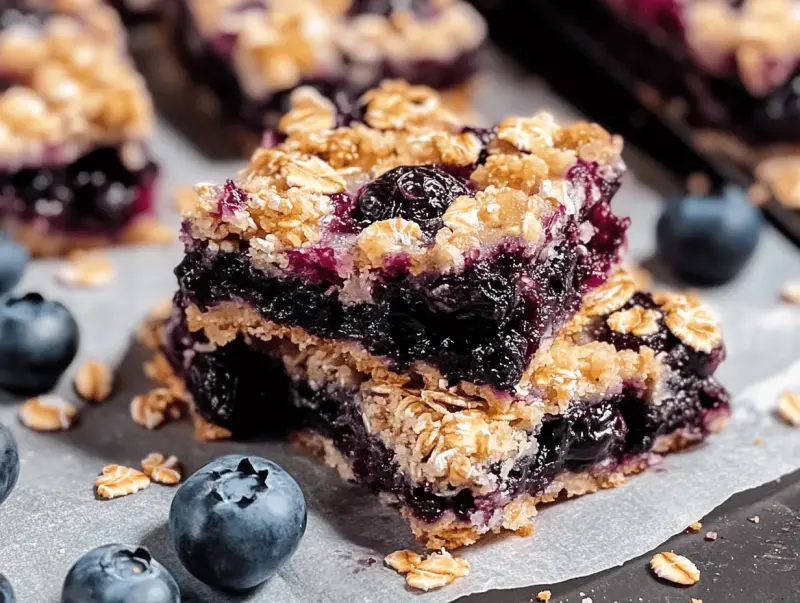
Make this bake your own. I’ve tested versions with and without coconut and with different fruit swaps — the structure holds up well. You might also enjoy exploring alternatives like our healthy blueberry oat bars for a delightful twist.- Fruit swaps – use blueberries, chopped apples (tossed with a little lemon), or pears instead of raspberries. Apples will render a slightly wetter bake, so reduce the milk by 2–4 tablespoons if using juicy fruit.
- Sweetener swaps – maple syrup is my favorite for flavor, but honey or agave work. If you cut back on sweetener, increase vanilla and cinnamon for perceived sweetness.
- Nuts & add-ins – fold in chopped walnuts or pecans for crunch, or sprinkle with chia seeds for extra fiber. If adding nuts, toast them briefly in a dry pan to intensify flavor.
- Vegan option – replace each egg with a flax egg (1 tablespoon ground flaxseed + 2.5 tablespoons water per egg). Let the flax mixture gel for 5 minutes before whisking into the milk.
- Oat swaps – rolled oats are recommended. If you try quick oats, expect a denser, less textured result; steel-cut oats will need pre-cooking and much more liquid.
Serving Suggestions
Presenting this dish is simple: it’s attractive cut into squares with a scattering of fresh raspberries and a dusting of shredded coconut or a drizzle of extra maple syrup. Finish off your meal with a slice of our delicious raspberry cake with lemon buttercream for a refreshing dessert.- Hot – reheat a slice for 45–60 seconds, then top with plain or vanilla yogurt and a handful of extra seeds.
- Cold – eat directly from the fridge; cold slices are firmer and make a great grab-and-go snack.
- On the side – pair with herbal tea or a nutrient-dense smoothie (spinach, banana, and protein powder) for a fuller breakfast.
- Meal prep – portion into airtight containers. It travels well for workweek breakfasts and reheats evenly in a microwave.
Potential Allergens and Substitutions
Here’s a rundown of common allergens and how to adapt the recipe.- Gluten – oats are naturally gluten-free but can be cross-contaminated. Use certified gluten-free rolled oats if you need to avoid gluten.
- Nuts – the recipe itself doesn’t require tree nuts, but nuts are a common topping. Omit or replace with seeds for a nut-free option.
- Dairy – use plant-based milk and coconut oil to keep it dairy-free; the original recipe is labeled dairy-free friendly when made that way.
- Eggs – swap with flax eggs (1 tbsp ground flax + 2.5 tbsp water per egg) for a vegan binder. Expect a slightly different texture — still delicious but a touch denser.
FAQ
Can I use steel-cut oats instead of rolled oats for this recipe? While you can use steel-cut oats, they will require a longer cooking time and more liquid. Rolled oats are recommended for the best texture and flavor in this baked oats recipe. What can I substitute if I don’t have maple syrup? You can use honey, agave syrup, or any other sweetener of your choice in place of maple syrup. Just adjust the quantity to taste! How should I store the leftover baked oats? Store any leftovers in an airtight container in the refrigerator for up to 4 days. You can also freeze individual portions for up to 3 months. Can I make this recipe vegan? Yes! You can substitute the eggs with flax eggs (1 tablespoon of ground flaxseed mixed with 2.5 tablespoons of water per egg) and use a plant-based milk alternative. How do I know when the baked oats are done? The baked oats are done when the top is golden brown and firm to the touch, and the liquid has been absorbed. A toothpick inserted in the center should come out clean.Troubleshooting & Expert Tips
Common hiccups and how to fix them, from my kitchen to yours.- Too soggy: If the center stays wet after the advised baking time, it likely needs more time or the pan was too large. Bake another 5–10 minutes and check again. For future bakes, use a deeper dish so the batter layer is thicker.
- Edges burning: If the edges brown quickly, your oven runs hot. Lower the temperature by 10–15°C (25°F) and tent with foil for the last 10–15 minutes.
- Raspberries stain the whole bake: Frozen berries can bleed. Scatter them more sparsely or toss them in a teaspoon of flour before adding to slow bleeding.
- Flavor is flat: If the bake tastes dull, a pinch more salt brings out sweetness and depth. A touch more vanilla also enhances perception of sweetness without extra sugar.
Final Thoughts and Serving Encouragement
I’ve tested this carrot and raspberry baked oats across seasons: with warm winter spices and with a lighter lemon zest in spring. The version in this post is the one I return to most — it’s forgiving, travel-friendly, and actually tastes like a treat while still being sensible. Expect slices that are softly set, lightly sweet, with tart raspberry pockets and a pleasing chew from the oats and seeds. It’s not a crisp bar; it’s meant to be slightly tender and spoonable if you prefer. Try baking a pan this weekend. Slice it up, pack a few portions for quick weekday breakfasts, and tell me what you swapped in — I love hearing about your tweaks and what worked (or didn’t) in your kitchens. If you make a version with toasted walnuts or swap in blueberries, come back and share that note — recipes improve when people adapt them to real life. Happy baking, and may your mornings be a little warmer and easier with a slice of carrot and raspberry baked oats.Recipe Card
Carrot and Raspberry Baked Oats: A Nutritious Twist on Breakfast
- Prep
- 15 min
- Cook
- 40 min
- Total
- 55 min
- Serves
- 6
- Calories
- 316 kcal
- Carbs
- 36.00 g
Ingredients
- 1 and 1/2 cupsrolled oats
- 1/2 cupmixed seeds (e.g. sunflower and pumpkin seeds)
- 1/2 cupshredded coconut ((or flaked coconut))
- 2 tspground cinnamon
- 2 mediumcarrots
- 1 cupraspberries ((frozen or fresh))
- 2 and 2/3 cupsmilk (of choice)
- 3 largeeggs
- 1/4 cupmaple syrup ((or other sweetener))
- 2 tspvanilla extract ((- optional, but lovely))
- —coconut oil ((or other oil or butter, for greasing baking dish))
Instructions
- 1
Preheat oven to 180 C. Grease a baking dish lightly with coconut oil.
- 2
Combine oats, seeds, coconut and cinnamon. Grate the carrots and stir into the dry ingredients. Arrange this all evenly in the greased baking dish.
- 3
Whisk together the milk, eggs, maple syrup and vanilla. Pour this mixture over the dry ingredients. Scatter the frozen raspberries over the top, pressing some bits of fruit deeper into the mixture.
- 4
Place in the oven and bake for approximately 35 to 40 minutes until the liquid is absorbed and the top has turned a golden brown. The bake should feel quite firm to touch.
- 5
Allow to cool and then cut into pieces. Serve warm or cold. I recommend serving with yoghurt or pouring over some hot milk.
You might also like
Reviews
Be the first to review this.