- Prep
- 10 min
- Cook
- 25 min
- Total
- 35 min
- Serves
- 10
- Calories
- 298 kcal
- Carbs
- 25.00 g
Introduction
I have a handful of recipes I make whenever the sun finally feels like staying, and this potato salad is one of those staples I reach for without thinking. I grew up watching my grandmother peel potatoes on the back porch while the scent of grilled meats and fresh dill floated through the yard. Over the years I've tested timings, textures, and dressings until the version I bring to the picnic table now feels just right: creamy but not heavy, with little pops of crunch and tang.
In my kitchen I learned the hard way that potato salad lives or dies by texture. I once boiled my potatoes too long and ended up with a gluey mess that no amount of extra pickles could save. After that, I started paying closer attention to the water, the steam, and the cut of the potato — small changes that make a big difference.
I also rely on this salad as a make-ahead hero. You can mix it a few hours before guests arrive and it will only taste better as the flavors settle. I like to keep a bowl covered in the fridge and let my family help themselves between backyard games; it’s comforting, familiar, and pulls a spread together without fuss.
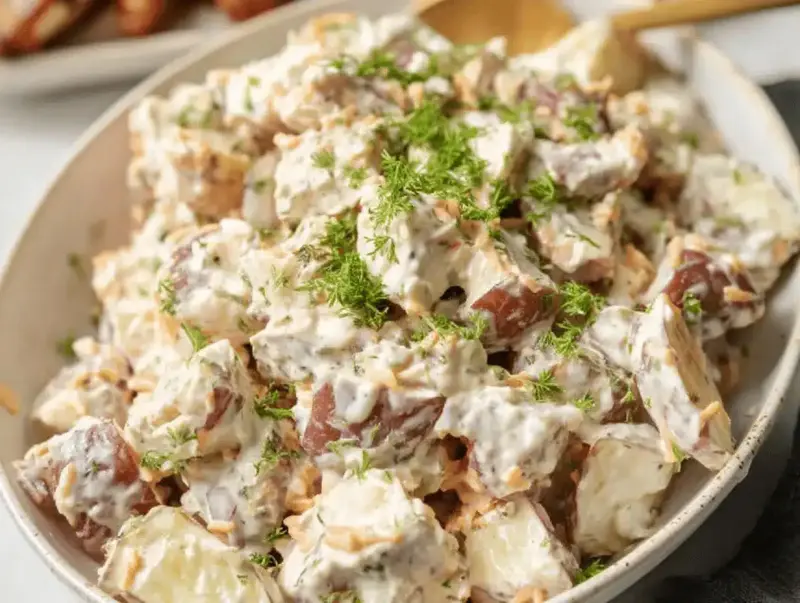
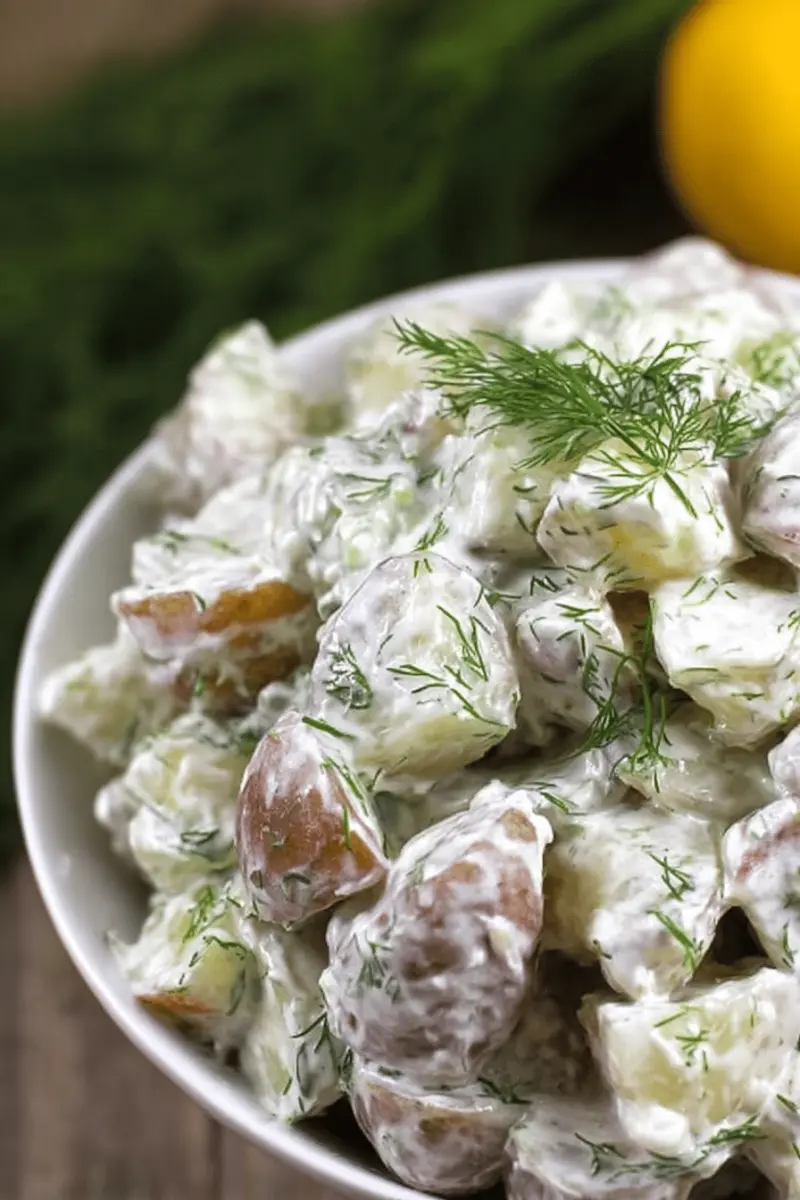
For readers who want a twist, I sometimes steer people toward variations that keep the spirit of the classic while offering new textures or dietary swaps. If you'd like a dill-forward riff, check out this creamy dill version for a flavorful variation.
Why This Classic Potato Salad Is Perfect for Summer Picnics
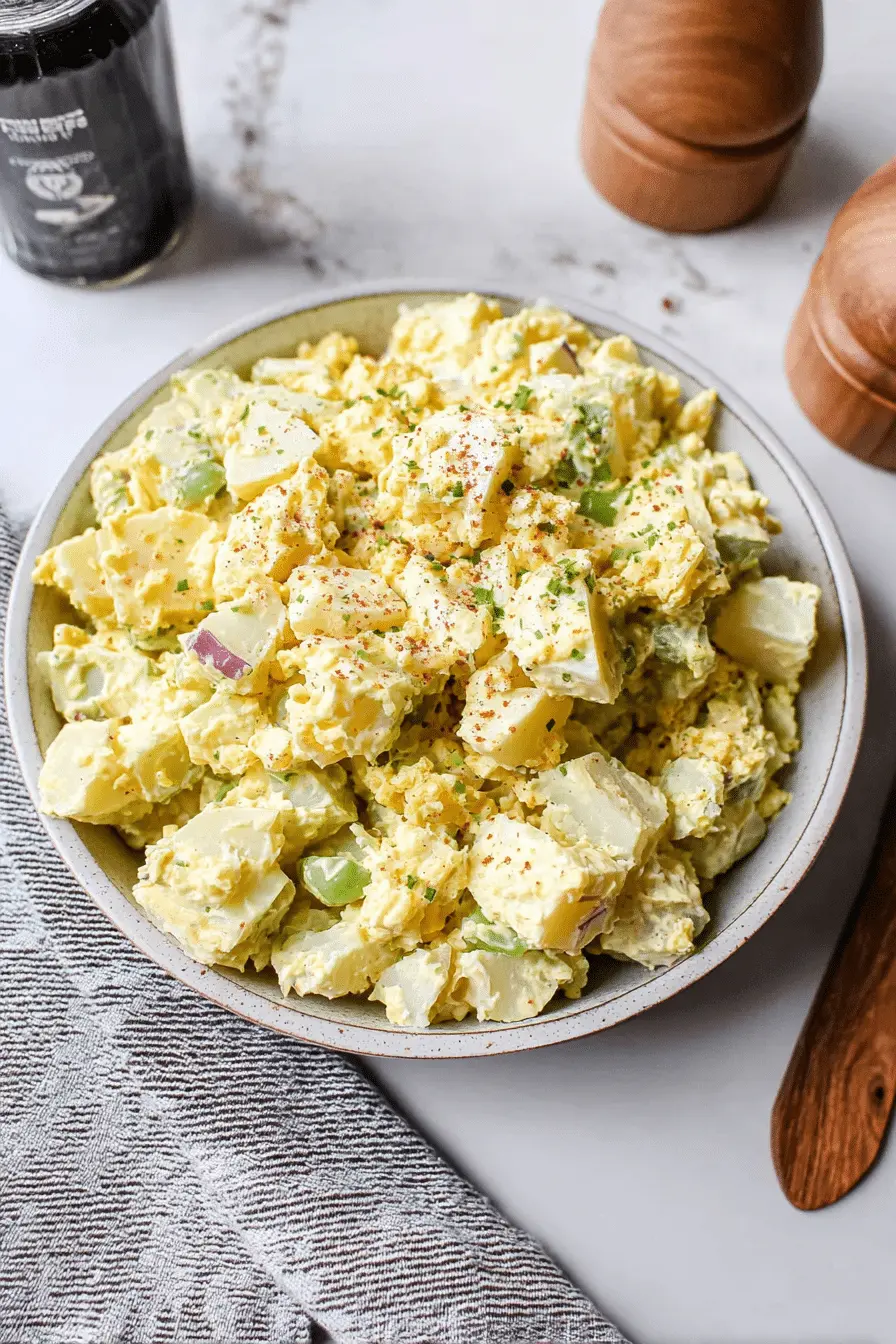
The creamy dressing is what gives potato salad its inviting mouthfeel: it coats each piece so you get a little richness with every bite rather than one heavy hit. The dressing also softens edges, letting the eggs and pickles knit into the potatoes instead of sitting apart. That gloss on the potatoes signals both moisture and balance—neither dry nor cloying.
Potato salad is incredibly versatile at the picnic table: it complements grilled chicken, burgers, and smoked sausages, and it stands up well next to bold-flavored barbecue. Because much of the work can be done ahead of time, it frees you to enjoy the afternoon instead of being chained to the stove. The finished bowl should look inviting—golden potatoes, bright celery, flecks of red onion, and little green bits from herbs or pickles—so it’s as pretty as it is practical.
Everything You Need for Classic Potato Salad
Below I talk through the ingredients conversationally so you know why each one matters and how to swap them if you need a vegan or gluten-free option.
- * Yukon Gold Potatoes – Naturally buttery and slightly waxy; they hold their shape and give a creamy bite without turning mushy. You can substitute other waxy varieties if needed.
- * Hard-boiled eggs – Traditional binder and texture contrast; chop the whites into the salad and mash the yolks into the dressing for a silkier finish. For a vegan swap, omit and use extra diced pickles or a mashed silken tofu dressing.
- * Mayonnaise – The base of the dressing, which provides creaminess and body. For a lighter option use Greek yogurt or for a vegan version use plant-based mayo. For a truly hands-on approach, consider making homemade mayonnaise to keep the flavors bright.
- * Buttermilk – Adds tang and thins the mayo so the dressing clings without being heavy; use a dairy-free cultured milk alternative for vegan adaptations.
- * Yellow mustard (or Dijon) – Adds acidity and a subtle heat that balances the mayo; mustard also helps stabilize the dressing.
- * Dill pickles + pickle juice – Provide bright acidity and crunch; the splash of pickle juice is a quick seasoning trick if the salad needs a lift.
- * Celery – For fresh crunch and a green note that contrasts the soft potatoes.
- * Red onion – Sharpness and color; soak briefly in cold water if you want milder onion flavor.
- * Salt & pepper – Essential seasonings; salt in particular makes the potatoes sing.
The Secret to the Perfect Texture
Texture is the thing I fuss over most. The goal is potatoes that are tender through but still hold their shape—slightly waxy, not mealy, not gluey. That contrast between soft potato and crunchy celery or pickle is what makes each forkful interesting.
Common pitfalls and how to avoid them:
- Boiling too long: stop when a fork slides in with slight resistance; overcooking releases too much starch and makes the salad gluey.
- Skipping the steam: after draining, return the potatoes to the pot and cover for several minutes to let residual heat evaporate excess moisture—this firms the exterior and helps the dressing cling.
- Cutting inconsistently: aim for uniform chunks (about a half-inch) so every piece cooks evenly and the texture is consistent across the bowl.
- Mixing while potatoes are too hot: dress warm—not piping hot—potatoes so they absorb flavor but the mayo doesn’t melt into a thin, greasy sauce.
Traditional Ingredients That Give This Salad Its Soul
Potato salad has deep roots in American backyard culture, with recipes that vary by region and family tradition. Hard-boiled eggs and mayo-based dressings are classic in many Southern and Midwestern versions, where the egg yolks often get mashed into the dressing for creaminess. In other regions you’ll find vinegar-heavy dressings, dill-focused versions, or even warm potato salads tossed with bacon and vinegar.
These variations tell a story: pickles and mustard reflect German and Central European influences; the use of eggs and mayo became widespread as convenience and refrigeration changed home kitchens. You'll also find international spins—German kartoffelsalat often emphasizes vinegar and bacon, while Scandinavian versions may include dill and a lighter dressing—each reflecting local produce and tastes.
Pairing suggestion: serve this potato salad alongside a comforting bowl of potato leek soup for a familiar, satisfying spread.
Why Temperature and Timing Matter
Serving temperature affects both texture and flavor. I prefer the salad slightly chilled or just at cool room temperature—the fat in the dressing feels silkier when not fridge-cold, and the aromatics open up a bit. That said, chilling for some time helps the flavors meld and makes the salad more refreshing on a hot day.
Timing tips:
- Chill at least a couple of hours for best flavor melding, but don’t let it sit freezer-cold unless you're serving it straight from the fridge; bring it out 20–30 minutes before serving to take the chill off.
- If you need to serve sooner, dress the potatoes while still warm and let rest briefly so they absorb flavor without turning mushy.
- When serving outdoors, keep the salad in the shade and on ice under a shallow bowl to keep it safely cool without freezing the dressing.
How to Make Classic Potato Salad (Step-by-Step)
If you're looking for a twist on the classic, check out our creamy dill potato salad for a flavorful variation.
- Place whole, unpeeled Yukon Gold potatoes in a pot and cover with cold water. Bring to a boil, then reduce to a simmer and cook 10–15 minutes, or until a fork meets slight resistance.
- Drain the water completely, return the pot to the turned-off burner, and cover for 5–10 minutes to allow the potatoes to steam and any excess moisture to evaporate.
- Peel the potatoes if you prefer (the skins are thin and fine to leave on), then cut into uniform half-inch chunks.
- Separate hard-boiled egg yolks from whites. Mash the yolks and mix them into mayonnaise, buttermilk, mustard, a splash of pickle juice, and salt and pepper to taste to form a smooth dressing.
- Pour the dressing over warm potatoes so they absorb flavor. Chop the egg whites and fold them in along with chopped celery, red onion, and pickles; stir gently to combine.
- Cover and refrigerate for a few hours to let flavors blend; taste before serving and adjust seasoning with salt, pepper, or a little extra pickle juice if needed.
Pro Tips, Troubleshooting, and Variations are formatted as bulleted lists for scannability.
Pro Tip for classic potato salad: Fix Watery, Gluey, or Bland Results
- If the dressing is watery: reduce the buttermilk or add a little more mayo to thicken. You can also drain excess liquid from the potatoes by returning them to the warm pot uncovered for a few minutes to evaporate moisture.
- If the potatoes are gluey: they were overcooked. For the future, shorten the simmer time and check often; salvage current salad by stirring in more crunchy ingredients (celery, pickles) and serving slightly chilled to mask the texture.
- If the salad tastes bland: add salt first, then a splash of pickle juice or a bit more mustard to brighten the dressing. Fresh chopped herbs—dill or chives—also add a fresh lift.
- If the dressing separates: whisk in a small bit of mashed egg yolk or a touch more mustard to re-emulsify.
- Personal note: I always taste before chilling and again before serving—seasoning can dull in the cold, so you may need a final pinch of salt or acid.
Easy Variations — Vegan, Lighter, and Seasonal Options
- Vegan: replace mayonnaise with a plant-based mayo and swap buttermilk for a dairy-free cultured milk alternative; add extra mustard and chopped dill for flavor depth.
- Lighter: replace half the mayo with plain Greek yogurt or use all yogurt for a tang-forward, lower-fat dressing.
- Egg-forward variation: fold in extra chopped hard-boiled yolk for creamier dressing and more classic texture.
- Seasonal summer: stir in fresh corn kernels, halved cherry tomatoes, or fresh herbs like basil and tarragon for brightness.
- Herb-forward: use a mix of dill and chives instead of just onion for a fresher, gardeny note.
- For a unique take, try a deviled egg potato salad that layers classic deviled egg flavors into the mix for a bold twist.
How to Store, Make-Ahead, and Serve Classic Potato Salad
Store the salad in airtight containers in the refrigerator. Properly covered, it will keep for about 3–5 days; after that the texture and flavor begin to degrade. If you're making it for a gathering, prepare the potatoes and dressing the day before, then combine and chill the morning of the event for the best balance of convenience and freshness.
Serving suggestions: garnish with chopped fresh herbs, a sprinkle of smoked paprika, or extra diced pickles. Keep it in the shade when serving outdoors and bring it to the table slightly cool rather than ice-cold so the flavors are more pronounced.
Frequently Asked Questions
Can I use other types of potatoes for potato salad?
While Yukon Gold potatoes are recommended for their creamy texture, you can use other varieties like red or white potatoes. Just make sure they're waxy as they hold their shape well.
How long can I store classic potato salad in the fridge?
You can store classic potato salad in the refrigerator for up to 3-5 days. Just be sure to keep it covered to maintain freshness.
What can I do if my potato salad turns out bland?
If your potato salad is bland, try adding more salt, pepper, or a splash of pickle juice. You can also stir in some extra mustard or fresh herbs for added flavor.
How do I make this potato salad vegan?
To make a vegan version, substitute the mayonnaise with a plant-based mayo and use coconut or almond milk instead of buttermilk.
Is there a way to make this potato salad lighter?
Yes! You can lighten the recipe by using Greek yogurt instead of mayonnaise or reducing the amount of mayo and buttermilk in the dressing.
Recipe Card
The Classic Potato Salad I Make for Every Family Picnic
- Prep
- 10 min
- Cook
- 25 min
- Total
- 35 min
- Serves
- 10
- Calories
- 298 kcal
- Carbs
- 25.00 g
Ingredients
- 3 poundsYukon Gold Potatoes
- 4 largehard boiled eggs
- 1 cupmayonnaise
- 1/4 cupbuttermilk
- 2 Tablespoonsyellow mustard ((or half dijon))
- —salt and pepper
- 2 ribscelery ((chopped))
- 1/4 cupred onion ((chopped))
Instructions
- 1
Place the whole, unpeeled potatoes in a large pot of water. Bring to a boil, then lower the heat and simmer for 10-15 minutes, until fork tender. Drain and cover to steam for 5-10 minutes. Peel if desired and cut into 1/2 inch chunks.
- 2
Separate egg yolks from the whites, mash yolks, and stir in mayonnaise, buttermilk, mustard, splash of pickle juice, salt and pepper to taste.
- 3
Pour dressing over warm potatoes. Chop egg whites, add to potatoes along with celery, onion, and pickles. Stir well, cover and refrigerate for a few hours to blend flavors.
You might also like
Reviews
Be the first to review this.