- Prep
- 20 min
- Cook
- 20 min
- Total
- 40 min
- Serves
- 12
- Calories
- 270 kcal
- Carbs
- 40.00 g
Introduction
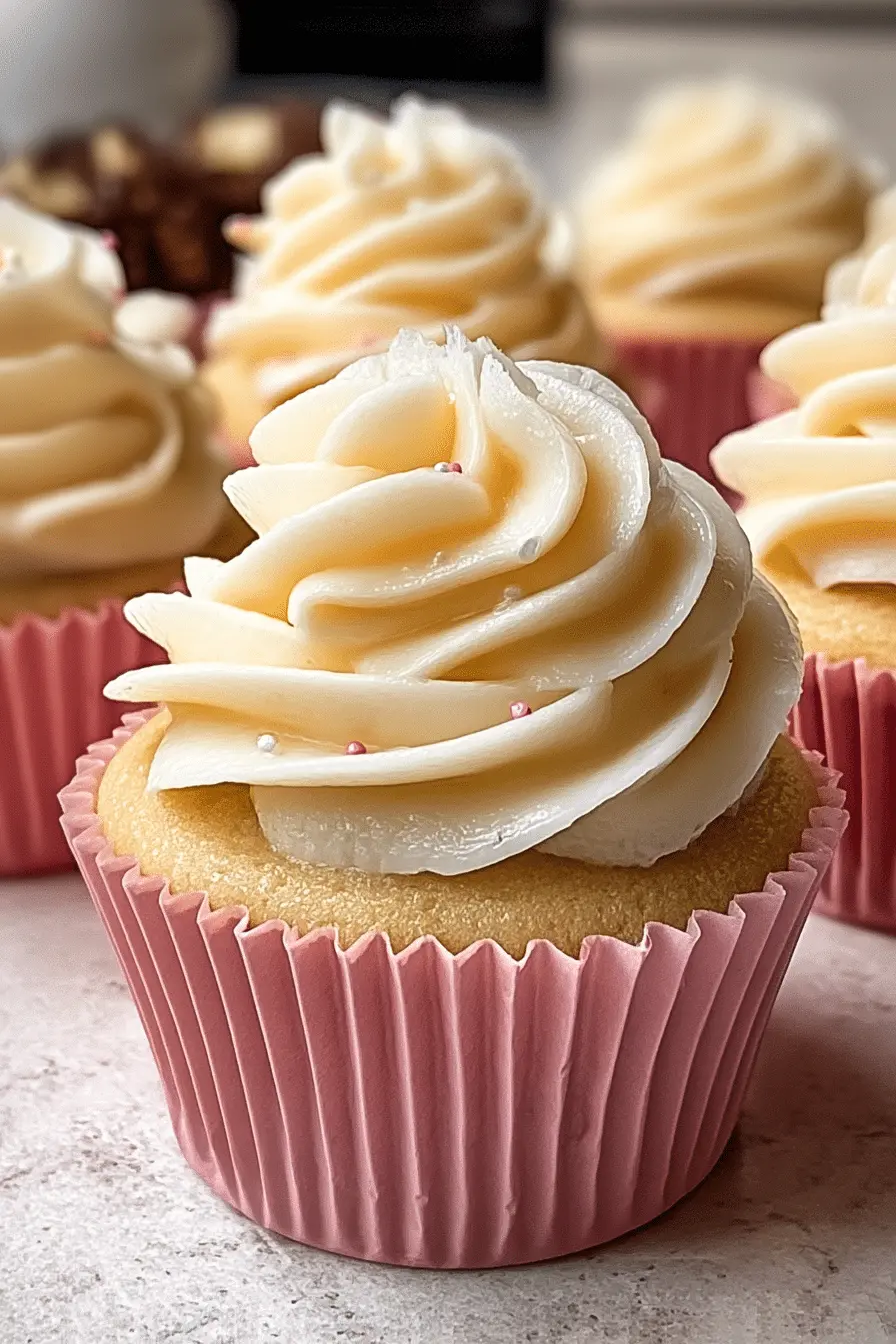
I’ve tested this copycat magnolia bakery cupcakes recipe more times than I can count in my kitchen, narrowing the steps until it became quick, dependable, and frankly a little addictive. These are the cupcakes I turn to when I need bakery-style results but I don’t have hours to fuss. The mix of a tender crumb and a pillowy buttercream is exactly what I aim for when guests arrive unexpectedly. What I love about this version is the short prep time — you can have batter in the pan in about 20 minutes and a dozen cupcakes out of the oven shortly after. The ingredient list stays simple, which keeps your counter organized and your stress levels low. I’ll walk you through the easy techniques that give these cupcakes that signature soft texture and light crumb. Follow my tips below and you’ll have cupcakes that look like they came from a bakery display but were made in your kitchen. I’ll also share quick swaps, troubleshooting notes I learned the hard way, and small decoration ideas so you can personalize them in minutes.Why These Copycat Magnolia Bakery Cupcakes Are Perfect for Busy Bakers
This recipe is built for speed and consistency: from short hands-on prep to a manageable yield of a dozen cupcakes, it fits into a busy evening or a last-minute plan. The steps are intentional — simple techniques rather than complicated tricks — so you spend less time measuring and more time enjoying the aroma of vanilla baking in your oven. The straightforward ingredient list keeps the process low-stress, and it’s easy to adapt for dietary needs without restarting the whole recipe.Everything You Need: Ingredients & Tools for Copycat Magnolia Bakery Cupcakes
Before you start, gather your tools and line up ingredients so the bake flows without pauses. Visualizing everything on the counter helps: one bowl for dry, one for wet, a mixer or sturdy whisk, and a muffin tin with liners ready. If you want alternatives or a different take once you’ve mastered the base, try these Lemon Poppy Seed Cupcakes that are equally easy to prepare and perfect for any occasion.- Cake flour – Gives a softer, finer crumb than all-purpose; swap with a lighter AP blend if needed.
- Baking powder & baking soda – Leavening that creates lift and those tender domes.
- Salt – Balances sweetness and strengthens the batter’s structure.
- Milk – Adds moisture and helps create a silky batter; low‑fat milk can be used if you prefer.
- Sour cream – Adds tang and keeps the crumb moist; plain yogurt is an easy substitute.
- Unsalted butter – The backbone for flavor in both cake and frosting; coconut oil can be used for dairy-free versions.
- Granulated sugar – For lift and tenderness in the cake batter; reduce slightly if you prefer less sweet.
- Vanilla extract – Essential for that classic vanilla profile; try almond extract sparingly for a twist.
- Egg whites – Lighten the batter without extra yolk fat, resulting in a tender crumb.
- Powdered sugar – For smoothing the buttercream; sift if you want a silkier frosting.
- Piping bag & tip – Handy for a classic bakery swirl; a simple offset spatula works for a more rustic look.
Achieving Light and Fluffy Cupcakes: The Importance of Mixing
How you mix the batter directly affects texture. The goal is to trap enough air early on, then combine ingredients gently to keep the structure intact. Overmixing will tighten gluten and produce a denser cupcake; undermixing leaves lumps and uneven rise. Here’s a simple, tactile approach to mixing so your cupcakes stay airy and soft.- Cream butter and sugar until visibly paler and the mixture holds tiny air pockets — this step builds the lift that gives cupcakes a light crumb.
- Add egg whites one at a time so each is fully absorbed before the next; this produces a stable emulsion rather than a flat batter.
- Alternate adding wet and dry ingredients in portions: add half of the wet, then half of the dry, mix until just combined, then finish with the remaining halves to avoid overworking the batter.
- Stop mixing as soon as you no longer see streaks of flour; a slightly thick, ribbon-like batter is the target.
Why Ingredient Temperature Matters (and How to Get It Right)
Getting the temperature of your ingredients right makes the batter come together smoothly and helps the cupcakes rise evenly. Room temperature butter traps more air when creamed, and liquids at similar temperatures blend without shocking the batter. If you rush this step, you’ll notice a heavier texture and uneven crumb.- Butter should be soft enough to press a fingerprint into but not greasy or melted; if too cold, it won’t cream; if too warm, it won’t hold air.
- Milk and sour cream should be close to room temperature so the butter doesn’t seize; if cold, warm briefly in a cup in the microwave for a few seconds and stir.
- To speed up butter softening safely: cut into small pieces and let it sit at room temperature for a short time, or place it between two sheets of parchment and press gently to increase surface area.
Quick Swaps & Healthier Variations for Faster Prep
Need to adapt for diet or time? These swaps keep the process simple and the result satisfying. I tested each variation to make sure nothing collapses or tastes flat — small changes can affect texture, so try one substitution at a time.- Gluten-free option: use a light gluten-free baking blend formulated for cakes; expect a slightly different crumb but still tender.
- Dairy-free option: swap butter with solid coconut oil (chilled slightly) and use a non-dairy milk with a bit of apple cider vinegar for tang.
- Lower sugar: reduce granulated sugar slightly and balance with a splash more vanilla to keep flavor, but don’t cut too much or structure will suffer.
- Speed prep: use a stand mixer or electric hand mixer to shave off manual effort, and pre-line your tin so you can scoop batter quickly.
How to Make Copycat Magnolia Bakery Cupcakes (Step-by-Step)
These steps keep things straightforward and foolproof. I wrote them imagining you moving through the process in a compact, efficient flow — you’ll smell vanilla warming and see the batter thicken as it comes together.- Preheat your oven and line a 12-cup muffin tin with liners so the oven is ready when your batter is mixed.
- Whisk dry ingredients together in one bowl so they’re evenly distributed and won’t clump in the batter.
- Combine milk, sour cream, and vanilla in a separate bowl for a smooth wet mix that will blend into the batter easily.
- Cream butter and sugar until pale and airy, then add egg whites one at a time, mixing after each addition until incorporated.
- Alternate additions of wet and dry ingredients, starting and ending with the dry, and mix only until just combined to keep the texture light.
- Scoop batter into liners about three-quarters full for even domes and consistent bake times.
- Bake until the tops spring back lightly and a toothpick comes out clean; remove and cool completely on a wire rack before frosting to avoid melted buttercream.
Pro Tips for Copycat Magnolia Bakery Cupcakes: Prevent Sinking Tops
I learned these the hard way — here are the troubleshooting tips I use whenever a batch looks shy at the top. These are short, scannable checks you can run through before you bake.- Underbaking causes sinking: check for a slight spring back and a clean toothpick in the center before pulling from the oven.
- Overbeating the batter can trap too much air that collapses mid-bake — aim for a light, ribbon-like batter and stop mixing as soon as combined.
- Too much liquid or cold ingredients can weigh the batter down; make sure wet ingredients are roughly room temperature before combining.
- Open oven door only near the end of bake time; a sudden draft can collapse tops.
- Always cool cupcakes fully on a rack before frosting — I once frosted warm cupcakes and the buttercream slid right off.
Easy Frosting Alternatives and Simple Decoration Ideas
If you want a quick swap for buttercream or a different finish for parties, these options are fast, reliable, and forgiving. For more ideas that will add a special touch to your creations, take a look at a short list of substitutions and techniques that work beautifully with these cakes. For some quick ideas on how to elevate your cupcakes, check out these easy frosting alternatives that will add a special touch to your creations.- Classic buttercream – Soft and pipeable; keep butter at room temperature for smooth whip and add a drop of gel food coloring if you want pale pastel hues.
- Cream cheese frosting – Slightly tangy and pairs beautifully with vanilla; chill briefly for easier piping.
- Chocolate ganache – Pourable for a glossy finish or whipped for a fluffier texture; great for chocolate lovers.
- Simple decorations – Use sprinkles, a dusting of powdered sugar, fresh berries, or edible glitter for instant charm.
- Flavor tweaks – Add a touch of almond or lemon extract to the frosting for a subtle lift without changing the cake.
How to Store, Make-Ahead, and Freeze Your Cupcakes
Planning ahead? These storage tips keep your cupcakes tasting fresh whether you need them later the same day or a few weeks out. Frost separately if you’ll be freezing; it saves time and keeps the finish clean. Learn more about storing and freezing to maintain texture and flavor. Make sure to learn the best tips for how to store and freeze your cupcakes so you can enjoy them later without losing quality.- Room temp short-term: store unfrosted cupcakes in an airtight container for up to two days; frost just before serving for best appearance.
- Refrigeration: frost with a sturdy buttercream and store in a covered container for up to 4 days; bring to room temperature before serving for best texture.
- Freezing: freeze unfrosted cupcakes wrapped tightly, or freeze frosted cupcakes on a tray then transfer to a container; thaw in the fridge then bring to room temp before serving.
- Make-ahead tip: bake and freeze cakes ahead, then thaw and pipe fresh buttercream right before guests arrive for bakery-fresh presentation.
Nutritional Information and Healthier Variations
While exact nutrition depends on portion size and frosting amount, a typical frosted vanilla cupcake made this way falls into a moderate calorie range — you can reduce sugar and swap ingredients to suit dietary goals. I recommend tracking any changes you make (like lower-sugar swaps or dairy-free substitutions) since each alteration shifts calorie and macronutrient values.- Estimate: a standard frosted cupcake tends to be in the mid-calorie range depending on the buttercream; reducing frosting or using a lighter frosting can cut calories noticeably.
- Healthier swaps: use low-fat dairy or non-dairy alternatives, reduce sugar slightly in the batter, or opt for a thinner glaze rather than full buttercream to lower calories.
- Track changes: keep notes on any substitutions so you can calculate precise nutrition later if needed.
Beverage Pairing Suggestions for Cupcakes
Pairing the right drink enhances the cupcake experience — classic pairings keep the palate balanced and highlight the vanilla notes. For themed events, match the mood with seasonal beverages and light accompaniments. Enhance your cupcake experience with our beverage pairing suggestions that perfectly complement your sweet treats.- Classic: a cup of medium-roast coffee or a cold glass of milk complements the sweetness and texture.
- Tea: Earl Grey or a light black tea provides a floral counterpoint to vanilla.
- Summer: fruity iced teas or sparkling lemonade pair well with lighter, fruit-tinted frostings.
- Special occasions: dessert wines or a lightly sweet prosecco can be festive with rich buttercream.
Frequently Asked Questions
What makes these cupcakes a copycat of Magnolia Bakery's version? This recipe mimics the light and fluffy texture and taste of Magnolia Bakery's iconic cupcakes, using similar ingredients and techniques for home bakers to enjoy. Can I use different types of flour for this recipe? It's best to stick to cake flour for a light texture, but if you need a substitute, you can use all-purpose flour. Just note that the final texture may differ slightly. How can I customize the frosting? You can customize the frosting by adding flavors like chocolate or almond extract, or using cream cheese for a tangy twist. Feel free to color it or decorate with sprinkles! How do I know when the cupcakes are done baking? The cupcakes are done when the tops spring back when lightly pressed and a toothpick inserted into the center comes out clean. Can I freeze the cupcakes for later? Yes, you can freeze the cupcakes! Just make sure they are completely cool before wrapping them in plastic wrap and placing them in an airtight container.Recipe Card
How I Finally Nailed Copycat Magnolia Bakery Cupcakes at Home
- Prep
- 20 min
- Cook
- 20 min
- Total
- 40 min
- Serves
- 12
- Calories
- 270 kcal
- Carbs
- 40.00 g
Ingredients
- 1 ½ cupscake flour ((170 g))
- ¾ tspbaking powder
- ⅛ tspbaking soda
- ¼ tspsalt
- ½ cupwhole milk ((125 ml))
- ¼ cupsour cream ((61 g))
- ½ cupunsalted butter ((softened (115 g)))
- ¾ cupgranulated sugar ((150 g))
- 1 tspvanilla extract ((5 ml))
- 2egg whites
- ½ cupunsalted butter ((room temperature (115 g)))
- 2 cupspowdered sugar ((224 g))
- 1 tspvanilla extract ((5 ml))
- 3 tbspwhole milk ((45 ml))
- 1 dropred gel food coloring ((optional))
Instructions
- 1
Preheat oven to 325°F (165°C). Line a 12-cup muffin tin with cupcake liners.
- 2
In a medium bowl, whisk together flour, baking powder, baking soda, and salt.
- 3
In a small bowl, combine milk, sour cream, and vanilla.
- 4
In a mixing bowl, beat the butter and sugar until light and fluffy.
- 5
Add egg whites one at a time, mixing well.
- 6
Add half of the wet ingredients and half of the dry ingredients. Mix to combine. Add the remaining wet and dry ingredients and mix until just incorporated.
- 7
Scoop batter into liners (¾ full, about ¼ cup per cupcake). Bake for 20–22 minutes until tops spring back to touch.
- 8
Cool completely on a wire rack.
- 9
In a bowl, beat butter and powdered sugar until crumbly. Add vanilla and milk. Beat until smooth and fluffy.
- 10
Mix in a drop of red gel coloring until light pink. Adjust as needed. Place the buttercream in a piping bag fitted with a round or star tip. Pipe a swirl from the outside in, ending in the center.
- 11
Serve or chill until ready to enjoy.
You might also like
Reviews
Be the first to review this.