- Prep
- 15 min
- Cook
- 70 min
- Total
- 85 min
- Serves
- 8
- Calories
- 280 kcal
- Carbs
- 42.00 g
On this page14 quick jumps
TOC
14 quick jumps
Introduction
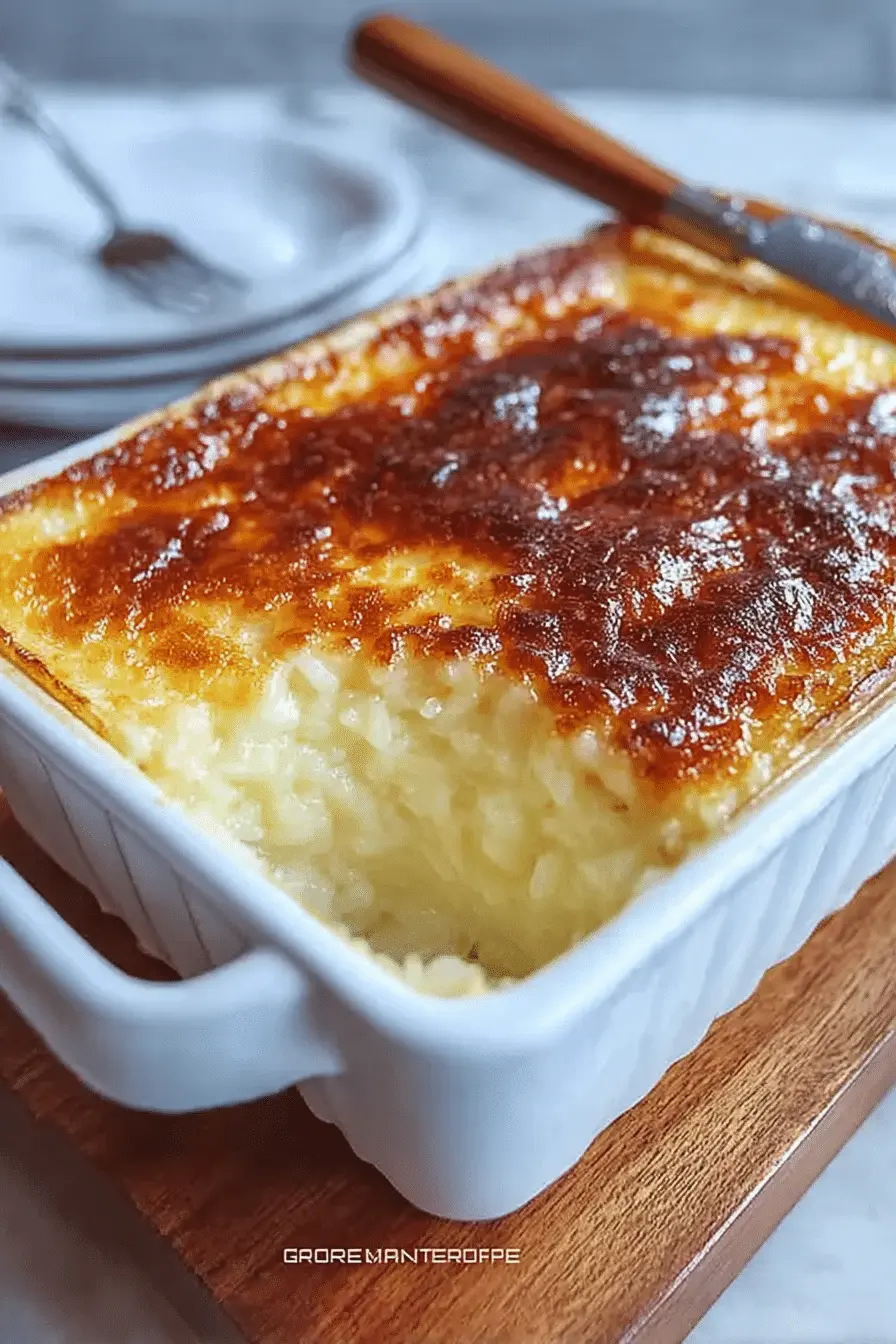
I've been making this rice pudding for years when I want something simple that feels like a warm hug. The trick I learned early on was to let the pudding cool just enough so the texture settles into a silky, spoonable custard rather than a stodgy bake—and that little pause makes the whole thing feel like a family recipe. I love that it uses pantry staples yet tastes like something you ordered at a cozy café. In my kitchen, the aroma of warm vanilla and cinnamon pulling through the house is as comforting as the texture itself. I aim for a pudding that’s rich without being cloying: a custardy base studded with tender grains of rice that still hold a little bite. A few crunchy nuts or a sprinkle of toasted coconut on top adds that satisfying contrast I look for. I want this to feel doable for home cooks: nothing exotic, just a few small techniques that make the result reliably smooth. Below I explain the why behind each choice and give you practical, easy-to-follow steps so your first attempt becomes the recipe you reach for whenever you want a nostalgic dessert with minimal fuss.Why this is the creamiest condensed milk baked rice pudding
The marriage of sweetened condensed milk and gentle oven baking is what gives this pudding its signature creaminess. Condensed milk contributes concentrated milk solids and sugar, which keeps the custard silky as it sets; the oven’s even, low heat lets the proteins coagulate slowly, producing a smooth texture rather than a curdled, grainy one. Sensory notes: you should smell warm vanilla and a hint of cinnamon as it bakes, and feel a glossy, spoonable texture when you test the center. Textural contrast is part of the charm—creamy base against a crunchy topping creates that nostalgic mouthfeel many of us remember from childhood desserts.Everything You Need for Creamiest Condensed Milk Baked Rice Pudding
Below I describe the role of each ingredient and offer swap ideas so you can adapt the pudding to what you have on hand. When I talk about ingredients I’ll use plain descriptions rather than measurements so you focus on purpose and substitutions.- Short-grain rice – Provides plump, starchy grains that become tender and almost creamy; avoid long-grain varieties for this dish.
- Sweetened condensed milk – Adds concentrated milk solids and sweetness for an ultra-smooth custard; if you prefer, try a dairy-free condensed milk alternative to keep richness.
- Whole milk – Balances texture and richness; using a lower-fat milk will thin the custard, while richer milks (or part cream) make it silkier.
- Eggs – Bind and set the custard while contributing to a glossy finish; tempering is key so they set smoothly.
- Vanilla and warm spices – Vanilla anchors the flavor while cinnamon, nutmeg, or cardamom can shift the profile subtly toward nostalgic or exotic.
- Salt – A pinch brightens the sweetness and rounds flavors.
- Butter – For greasing and finishing; a few dots on top melt into the surface as it bakes for added richness.
- Optional toppings – Toasted nuts, coconut, fresh fruit, or citrus zest add contrast and color.
The secret to an ultra-smooth texture: condensed milk + gentle heat
Condensed milk concentrates milk solids and sugar, both of which stabilize the custard and give a satiny mouthfeel. The sugar helps suppress large curd formation while the milk solids add body—together they reduce the risk of a grainy set. Gentle, consistent heat is equally important. If the oven is too hot, the custard proteins tighten too quickly and squeeze out liquid, creating a separated or rubbery texture. Baking low and slow lets the eggs set gradually so the final pudding is cohesive and smooth. Mixing technique matters: when you fold warm rice into the egg-condensed milk mixture, do it gently and gradually. Overworking the mix can cause egg proteins to clump. The final batter should look glossy and pourable, with the rice suspended evenly throughout.Why short-grain rice matters (and how to rinse it right)
Short-grain rice releases surface starch that helps thicken the pudding and keeps the grains plump. Medium-grain can work in a pinch, but long-grain rice stays too separate and never achieves that slightly creamy, tender bite.- Place the rice in a fine-mesh sieve or bowl.
- Rinse under cold running water, swirling with your hand until the water runs mostly clear—this removes excess surface starch that can turn the entire pudding gummy.
- Repeat rinsing until the rinse water is noticeably clearer; you should see the cloudiness decline as you go.
- Drain well before adding to the milk so the cooking liquid ratio stays balanced.
How to Make Creamiest Condensed Milk Baked Rice Pudding (Step-by-Step)
- Preheat your oven to a low temperature so the pudding bakes slowly and evenly.
- Butter your baking dish generously, including the sides, to help release the pudding when it’s done.
- Rinse the short-grain rice until the water runs clearer, then cook it gently in milk over medium-low heat until the grains are tender but still hold a faint bite—stir occasionally so nothing sticks.
- While the rice is cooking, whisk together the eggs, sweetened condensed milk, vanilla, spice, and a pinch of salt until smooth and slightly frothy.
- Temper the eggs by spooning a small amount of the warm rice-milk into the egg mixture while whisking, then slowly add the rest to avoid scrambling.
- Fold the warm rice into the egg-condensed milk base gently; scrape the mixture into the prepared dish and dot with a little butter on top.
- Bake until the edges are set and the center still has a slight jiggle—this ensures a creamy set once it cools. The top should be lightly golden and inviting.
- Allow the pudding to cool at least briefly before serving; this resting step helps the custard finish setting and improves texture.
Pro Tip for creaminess: temper eggs with warm rice to avoid curdling
- I always whisk the eggs and condensed milk first, then add a ladle of warm rice mixture while whisking constantly—this raises the eggs’ temperature gradually and prevents curdling.
- I look for a smooth, slightly thickened liquid after tempering; if you see curdles forming, stop adding hot liquid, strain, and whisk vigorously—this usually rescues the texture.
- I also make sure the rice isn’t piping hot when it meets the eggs; warmth is good, but extreme heat increases the risk of scrambled bits.
Topping ideas and serving suggestions to add crunch and color
- Toasted chopped nuts (almonds, pistachios, or walnuts) for nutty crunch and visual contrast.
- Toasted shredded coconut for a tropical note and golden flecks on top.
- Fresh berries or a citrus segment to cut the sweetness and add bright color.
- A dusting of ground cinnamon or grated nutmeg for warm spice aroma right before serving.
- A drizzle of honey or a smear of jam in individual bowls for a sweet-tart accent.
How to Store, Reheat, and Make-Ahead (plus easy variations)
Storing correctly preserves the pudding’s texture and flavor. I store leftovers chilled in an airtight container and reheat gently so the custard doesn’t overcook.- Refrigerate in an airtight container for up to a few days; press a layer of plastic directly on the surface to prevent a skin from forming.
- Reheat gently in a low oven or in the microwave in short bursts, stirring between intervals so heat distributes evenly.
- To make ahead: bake, cool, and refrigerate; you can serve cold or rewarm briefly before company.
Troubleshooting
- If the pudding is too runny after cooling, it likely needed a bit more bake time—return it to the oven at low heat until the center just begins to set.
- If you see curdled eggs, stop heating immediately and whisk vigorously; tempering properly next time prevents this.
- If the texture is gummy, the rice may have been over-rinsed or a long-grain rice was used—stick to short-grain and rinse only until noticeably clearer.
- If the top browns too quickly, tent loosely with foil and continue baking until the center is set.
- I taste throughout when I adjust spices—start small, because the condensed milk is already sweet and concentrated.
Variations
- Cardamom & rose: Add ground cardamom and a drop of rose water for a fragrant, Middle Eastern twist.
- Coconut: Use coconut condensed milk and coconut milk for a tropical, dairy-free-friendly version.
- Citrus & berry: Stir in citrus zest and top with macerated berries for brightness.
- Chocolate ripple: Fold in a little melted dark chocolate for a two-tone pudding that pairs well with toasted hazelnuts.
Frequently Asked Questions
Can I use any type of rice for this pudding? For the best texture, it's recommended to use short-grain rice as it becomes creamy and tender when cooked. Is it necessary to rinse the rice? Yes, rinsing the rice under cold water removes excess starch and helps achieve a smoother texture in the pudding. How can I store the baked rice pudding? You can store it in the refrigerator in an airtight container for up to 4 days. Just reheat before serving! What can I use as toppings for the rice pudding? Consider adding cinnamon, toasted nuts, or fresh fruits for added flavor and texture. Get creative! Can I make this recipe dairy-free? You can substitute the sweetened condensed milk and whole milk with coconut milk or almond milk, but it may alter the flavor and creaminess.Ingredients
- 1 cupshort-grain rice
- 1 cansweetened condensed milk ((14 oz / 395g))
- 2 cupswhole milk
- 3 largeeggs (room temperature)
- 1 teaspoonvanilla extract
- 1 teaspoonground cinnamon
- 1 pinchsalt
- 2 tablespoonsbutter (for greasing and dotting on top)
Instructions
- 1
Preheat your oven to 325°F (160°C). Butter a 9×9-inch baking dish thoroughly, including the sides.
- 2
Rinse 1 cup (200g) of short-grain rice under cold water until clear.
- 3
In a medium saucepan, combine rinsed rice, 2 cups (480ml) whole milk, and a pinch of salt. Bring to a gentle simmer over medium-low heat, stirring occasionally. Cook until rice is tender but still slightly firm, about 18-20 minutes.
Taste as you go. Recipes are a guide, not a contract.
- 4
While the rice cooks, whisk together 3 large eggs, 1 can (395g) condensed milk, 1 teaspoon vanilla extract, and 1 teaspoon ground cinnamon in a large bowl until smooth and slightly frothy.
- 5
Carefully stir the warm cooked rice into the egg and condensed milk mixture gently to avoid scrambling the eggs.
- 6
Pour the pudding mixture into the prepared baking dish. Dot the top with about 1 tablespoon of butter.
- 7
Bake in the preheated oven for 50 to 60 minutes until the top is golden and slightly puffed. The edges should be set and the center should jiggle slightly.
- 8
Let the pudding cool for at least 15 minutes before serving. Serve warm or at room temperature, optionally sprinkled with cinnamon or toasted nuts.
Recipe Card
The Creamiest Condensed Milk Baked Rice Pudding I Make Every Week
Keep it handy for later, send it to someone cooking with you, or open the clean print view.
- Prep
- 15 min
- Total
- 85 min
- Serves
- 8
You might also like
How I Make Quick Blueberry Lemon Jam — Canning in 1 Hour
May 21, 2026
The 5-Ingredient Japanese Jelly Dessert I Make All Summer
May 21, 2026

The Homemade Peachy Gummies My Kids Love — Fun, Simple Treat
May 21, 2026

How I Make Green Tea Lemon Ginger Gummies for Daily Immune Support
May 21, 2026
Reviews
Be the first to review this.