- Prep
- 5 min
- Cook
- 35 min
- Total
- 40 min
- Serves
- 6
- Calories
- 270 kcal
- Carbs
- 45.00 g
On this page12 quick jumps
TOC
12 quick jumps
Introduction
Rice pudding is one of those dishes that instantly carries me back to a small kitchen with a kettle on the stove and the smell of warm milk threading through the house. I remember standing on a stool as a child, watching the pot bubble just so, and learning that patience — not speed — makes this dessert sing. I make this version on blustery evenings and for Sunday suppers; the house fills with a sweet, buttery warmth that feels like permission to slow down. Over the years I learned to tend the pot with a kind of gentle attention — low heat, frequent stirring, and small finishes — until the pudding becomes glossy and silky. I've burned a batch or two by rushing the simmer and once made it grainy by under-stirring. Those mistakes taught me exactly what this recipe needs: the right rice, the right milk, and the patience to let the starch coax the milk into a velvet texture. Read on and I'll share what to buy, what to watch for, and the tiny tricks that make the final spoonful unforgettable. This is a simple, comforting recipe meant for the home cook who cherishes tradition. It’s forgiving if you tend it with care, and it rewards the quiet work of stirring with a bowl that feels like coming home.Everything You Need for Creamiest Rice Pudding
- Arborio rice – The starchy short-grain rice that gives the pudding its signature creaminess; it breaks down just enough while keeping a pleasing bite.
- Whole milk – Provides richness and body; if you want extra silkiness you can add a touch of cream or a richer plant-based option (see the milk swaps below).
- Sugar – Sweetens without masking the dairy and rice flavors; you can reduce it or swap for brown sugar for deeper notes.
- Salt – A small pinch lifts the sweetness and rounds the flavors.
- Butter – Stirred in at the end for a glossy finish and a touch of indulgence.
- Vanilla – Adds warmth and aroma; use pure vanilla for the clearest flavor.
- Ground cinnamon – Optional for topping; it adds a dry, spicy contrast to the creamy pudding.
- Heavy-bottomed saucepan – Promotes even heat and prevents scorching at the bottom.
- Wooden spoon or heatproof spatula – For gentle, frequent stirring that protects the rice grains.
- Fine-mesh sieve (optional) – Useful if you rinse the rice or need to strain any lumps.
The Secret to the Perfect Texture
Texture is everything with rice pudding: you want each grain to feel tender without collapsing into a mush, suspended in a thick, silky cream. The kitchen cues are sensory — a soft murmur of simmer, the steam carrying butter and vanilla, and the pot gradually pulling against your spoon as the mixture thickens. Here are practical, no-nonsense steps to achieve that texture.- Keep the heat low. A gentle simmer lets the rice release starch slowly without breaking apart.
- Stir frequently. This prevents the rice from sticking and stops strands of cooked milk from clumping; scrape the bottom and edges often so every grain cooks evenly.
- Be patient. The pudding will thicken gradually; if you try to rush it with higher heat you'll get unevenly cooked rice and a grainy mouthfeel.
- Finish off-heat with butter and vanilla. That last step adds shine and a rounded flavor, and a short resting period lets the texture settle into an even creaminess.
Which Rice Makes It Creamiest (Arborio + Alternatives)
Arborio is my go-to for its high starch content and short grains — it creates a luxuriously thick base while still giving the pudding some bite. If you don’t have Arborio, there are other rice varieties that work, each bringing their own character.- Arborio – Creamy and forgiving; the starch helps the milk thicken without needing thickeners.
- Short-grain (sushi) rice – A fine substitute; it also releases starch and yields a soft, cohesive pudding.
- Short-grain sweet rice – Extra-starchy and very creamy, but it can become quite dense if overcooked.
- Long-grain (Jasmine or Basmati) – Will be less creamy and more fragrant; use if you prefer distinct grains and floral notes, but expect a looser texture.
- Blends – Mixing a short-grain with a little long-grain can balance creaminess and texture.
Milk Choices: Dairy and Plant-Based Swaps
The milk you choose shapes both texture and flavor. Whole dairy milk gives richness without overpowering the rice; adding a little cream at the end makes the pudding silkier. For plant-based versions, pick milks carefully — some are thinner and some lend their own flavor.- Whole dairy milk – Creamy and neutral; the classic choice for a traditional texture.
- Cream (or half-and-half) – Stirred in at the end for a richer mouthfeel if you want an indulgent finish.
- Coconut milk – Adds tropical fragrance and a lush body; use full-fat coconut milk for the creamiest result.
- Oat milk – Naturally creamy and neutral; a good plant-based swap that behaves similarly to dairy.
- Almond milk – Lighter and slightly nutty; it will thin the pudding a bit, so consider blending it with a richer milk.
How to Make Creamiest Rice Pudding (Step-by-Step)
- Rinse the rice under cold water until the water runs mostly clear to remove excess surface starch.
- Warm the milk with the sugar and a pinch of salt in a heavy-bottomed saucepan over medium heat until the sugar dissolves and the milk is steaming, not boiling.
- Stir in the rinsed rice and bring the mixture to a gentle simmer.
- Reduce the heat to low and cook uncovered, stirring frequently, until the rice is tender and the mixture has thickened — plan for roughly thirty to thirty-five minutes of gentle cooking.
- When the rice is tender and the pudding is luxuriously thick, remove from heat and stir in the butter and vanilla until glossy and smooth.
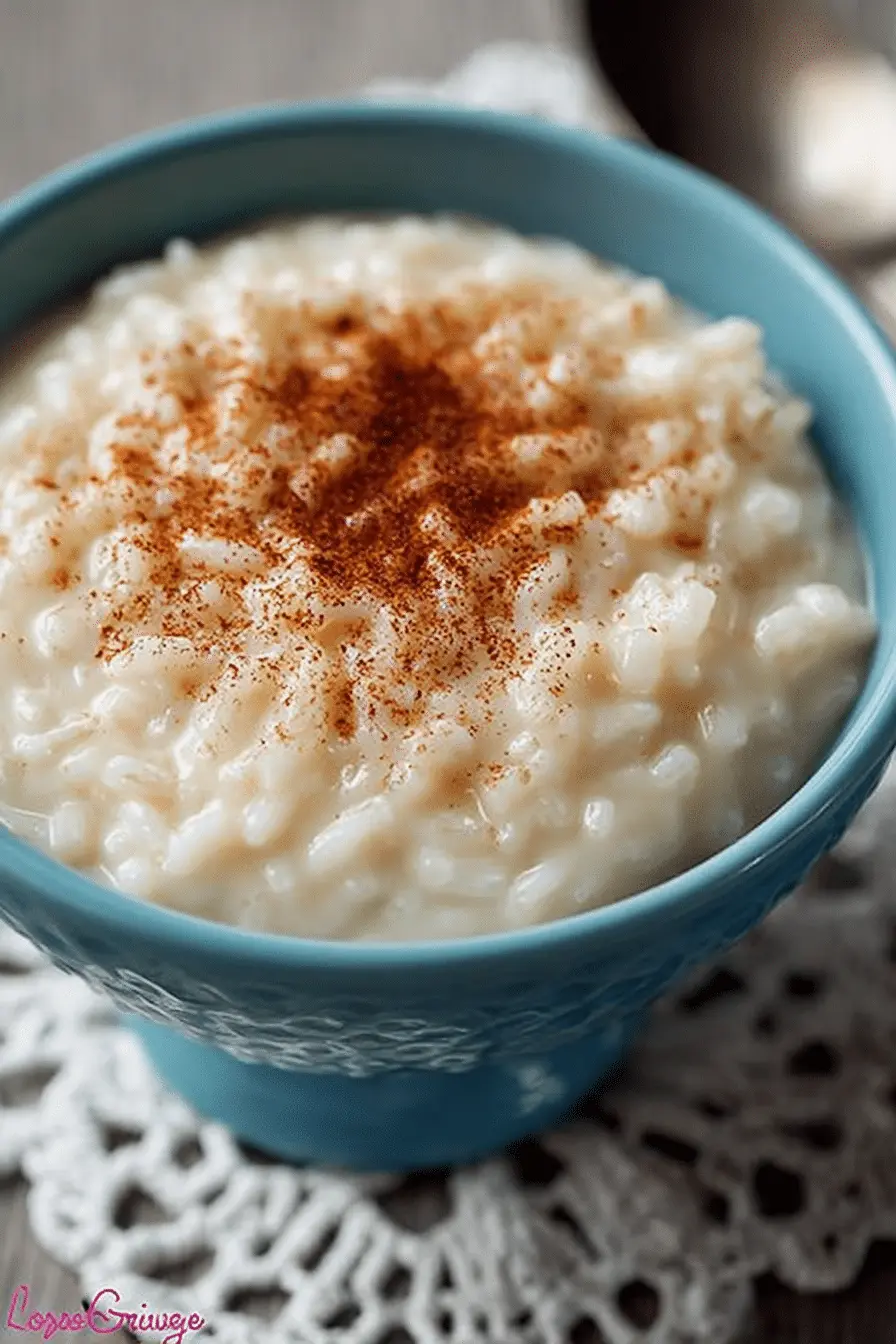
- Spoon into bowls and serve warm or chilled; top with a sprinkle of ground cinnamon if you like.
Pro Tip for Creamiest Rice Pudding: Stir, Simmer, and Rest
I keep my stove on a very low flame and stir with a loose, rhythmic motion. That small ritual makes all the difference. Below are focused, scannable tips and common troubleshooting notes — I share these from years of repeating the recipe until it behaved reliably.- Low and slow wins: I never let the milk reach a rolling boil; a calm simmer coax the best starch release from the rice.
- Stir with purpose: Frequent stirring prevents sticking and encourages even texture; scrape the bottom and sides as you go.
- Rest before serving: Let the pudding sit off the heat for a few minutes so the texture evens out and the flavors meld.
- If it’s too thin: Continue to simmer gently until it reduces; you can also stir in a little extra rice and cook until tender, but that lengthens the process.
- If it’s too thick when chilled: Stir in a splash of warm milk before serving to loosen it without losing creaminess.
- On sugar: I often start with less and adjust after resting — chilling can mute sweetness slightly, so taste and tweak.
How to Store and Reheat Creamiest Rice Pudding
Proper cooling and storage keep the pudding creamy for several days. I like to portion into airtight containers while still slightly warm so condensation doesn’t form. When reheating, patience preserves texture more than high heat does.- Cool slightly, then transfer to airtight containers and refrigerate for up to four days.
- To reheat on the stove, warm gently over low heat, stirring in a splash of milk to refresh the texture.
- To reheat in the microwave, heat in short bursts and stir between intervals, adding a little milk if it looks dry.
- For best flavor, add fresh vanilla or a small pat of butter after reheating to restore gloss and aroma.
Toppings and Flavor Variations to Try
Toppings turn a humble bowl into something special. I keep a few go-to combinations in my pantry so I can change the mood of the pudding with a single sprinkle or dollop.- Classic cinnamon – A dusting of ground cinnamon brings warmth and a comforting scent.
- Fresh fruit – Sliced berries or poached stone fruit add brightness and a juicy contrast.
- Toasted nuts – Almonds or walnuts add crunch and a nutty depth.
- Caramel or dulce de leche – A drizzle makes the pudding feel indulgent and party-ready.
- Chocolate – Shavings or a light drizzle of melted chocolate for a richer version.
- Citrus zest – Lemon or orange zest adds lift and a refreshing edge.
Frequently Asked Questions
What type of rice is best for this pudding? For the creamiest texture, Arborio rice is recommended. It has a high starch content that helps create that luxurious creaminess. However, you can also experiment with short-grain rice or even sushi rice for similar results. Can I use plant-based milk in this recipe? Absolutely! You can substitute whole milk with plant-based options like almond milk, coconut milk, or oat milk. Keep in mind that some plant-based milks may alter the flavor slightly. How can I achieve a thicker consistency? To thicken your rice pudding, make sure to cook it slowly and stir frequently. If it’s still too thin at the end, you can let it simmer for a few more minutes or add a little more rice. Is there a way to store leftover rice pudding? Yes! Store leftover rice pudding in an airtight container in the refrigerator for up to 4 days. You can reheat it gently on the stove or in the microwave, adding a splash of milk if it’s too thick. What toppings go well with rice pudding? Get creative! Some popular toppings include a sprinkle of cinnamon, fresh fruit, nuts, caramel sauce, or even a dollop of whipped cream for added richness.Ingredients
- ¾ cupArborio rice
- 4 cupswhole milk
- ½ cupgranulated sugar
- ¼ teaspoonsalt
- 1 tablespoonunsalted butter
- 1½ teaspoonsvanilla extract
- —Ground cinnamon for topping (optional)
Instructions
- 1
Rinse the Arborio rice under cold water until the water runs mostly clear.
- 2
In a heavy-bottomed saucepan, combine the whole milk, granulated sugar, and salt. Warm over medium heat until the sugar dissolves.
- 3
Stir in the rinsed rice and bring the mixture to a gentle simmer.
Taste as you go. Recipes are a guide, not a contract.
- 4
Reduce heat to low and cook uncovered for 30–35 minutes, stirring frequently.
- 5
When the rice is tender and the pudding has thickened, remove from heat and stir in the butter and vanilla extract.
- 6
Spoon into bowls and serve warm or chilled. Top with a sprinkle of ground cinnamon if desired.
Recipe Card
How I Finally Nailed Creamiest Rice Pudding — A Cozy, Classic Recipe
Keep it handy for later, send it to someone cooking with you, or open the clean print view.
- Prep
- 5 min
- Total
- 40 min
- Serves
- 6
You might also like

How I Make Quick Blueberry Lemon Jam — Canning in 1 Hour
May 21, 2026

The 5-Ingredient Japanese Jelly Dessert I Make All Summer
May 21, 2026

The Homemade Peachy Gummies My Kids Love — Fun, Simple Treat
May 21, 2026

How I Make Green Tea Lemon Ginger Gummies for Daily Immune Support
May 21, 2026
Reviews
Be the first to review this.