- Prep
- 5 min
- Cook
- 15 min
- Total
- 20 min
- Serves
- 6
- Calories
- 350 kcal
Introduction
I make this creamy one-pot pasta on nights when the clock is the enemy and I want dinner that feels thoughtful without a lot of fuss. In my kitchen the whole thing comes together while the kettle hums and the pasta boils: bright green peas, flecks of mint, a hit of lemon, and Parmesan melting into a quick cream sauce. It’s convenient, simple, delicious — and the cleanup is mercifully tiny.
I like to keep heavy cream on hand for recipes like this; it’s the fast ticket to a silky sauce that clings to shells and cups the peas the way a good winter sweater cups your hands. The texture is built from two things: whole peas for snap and a mashed portion for body, and that contrast is what makes this feel special despite being so fast.
Over the years I’ve learned a few small timing tricks that make the difference between a sad bowl and one you actually want to photograph before you eat. The steam, the citrus zing, and that final drizzle of oil are the little signals that tell me the pasta is done right. Read on and I’ll walk you through what to buy, what to watch for, and how to keep leftovers tasting as good as the night you made them.
Why this creamy one-pot pasta is the weeknight shortcut you need
One-pot dinners save time at two critical points: prep and cleanup. You do fewer bowls, fewer pans, and you limit the number of things you have to babysit. This recipe cooks in about 15 minutes from first boil to table and uses ingredients you probably already keep on hand, which is why it’s a go-to for my busiest nights.
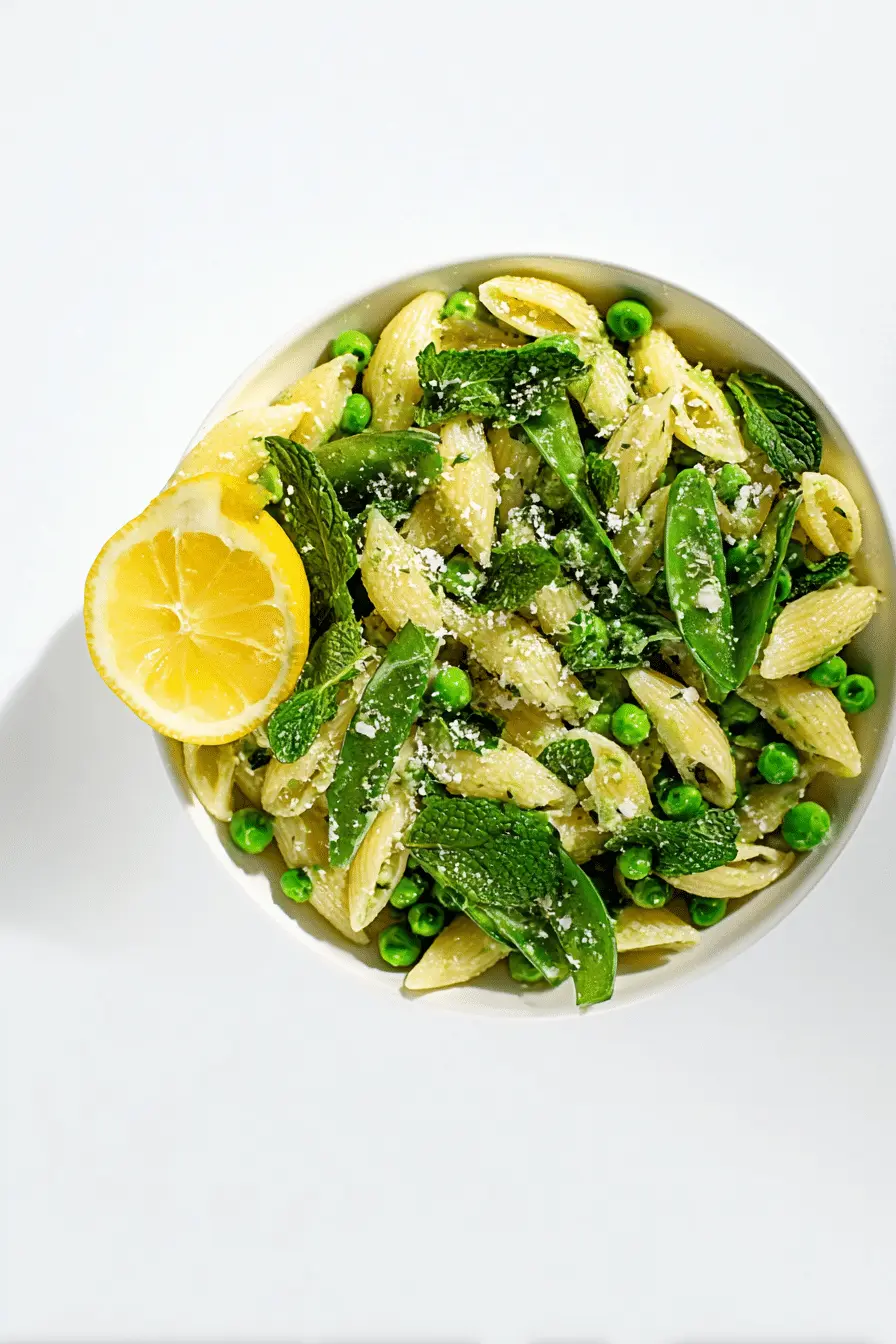
Visually, the dish is appealing: the fresh green of the peas and mint set against the pale cream sauce and bright lemon zest. Texturally, the mash-and-whole-pea approach gives you both creaminess and bite, so it never reads one-note on the plate. It’s also flexible — easy to add whatever protein or veg you have on hand — which is essential when you’re feeding a family or improvising with a half-full fridge.
Everything You Need for Creamy One-Pot Pasta
Below I list the ingredients and tools I use most often for this pasta and why each matters. I also note simple swaps for common dietary needs so you can get dinner on the table without a special trip to the store.
- * Kosher salt – Essential for seasoning both the cooking water and the finished dish; it’s how you build flavor from the inside out.
- * Frozen peas – They bring sweetness, color, and texture; frozen peas are reliable year-round. Fresh peas work if you blanch them briefly.
- * Pasta (shells or similar shapes) – A shape that can hold sauce and peas is ideal; use a gluten-free alternative if needed.
- * Fresh mint – Provides a bright, herbal lift that cuts the richness; you can swap for basil or tarragon if you want a different note.
- * Garlic – Grated rather than smashed gives a subtle, integrated garlic flavor without big bites.
- * Lemon – Zest and wedges add acidity and aromatic lift; the zest is critical for brightness.
- * Heavy cream – Gives the sauce body and silk; half-and-half or a richer dairy-free cream can be used as alternatives.
- * Extra-virgin olive oil – A drizzle at the end heightens mouthfeel and sheen; use a neutral oil if you prefer.
- * Parmesan – Salt, umami, and melting power; nutritional yeast is a decent vegan swap.
- * Black pepper – Freshly cracked for finishing; it brings a background warmth.
- * Tools – Large pot, spider or slotted spoon, potato masher (or fork), microplane for zest/garlic, and a wooden spoon for tossing.
For a complementary dish, try our garlic butter chicken that pairs beautifully with pasta.
The Secret to a Silky, Not Watery, Sauce
Making the sauce cohesive relies less on fancy technique and more on a few controlled moves. The aim is a glossy sauce that clings to pasta, not a soupy bowl. Keep the following steps in mind as you work; they’re intentionally compact for busy cooks.
- Reserve a bit of the starchy cooking liquid — it helps emulsify the cream and cheese into a cohesive sauce rather than a separated one.
- Mash only a portion of the peas so you retain both texture and body; a mix of whole peas and mashed peas creates a sauce with character.
- Use just enough cream to coat the pasta; too much makes the sauce thin. The cheese and pasta water will thicken and bind the sauce as you toss.
- Toss vigorously while everything is hot so the cheese melts and integrates quickly; you should smell mint and lemon aroma lifting from the pot at this point.
Why Pasta Water and Timing Matter Here
The role of timing and reserved pasta water cannot be overstated — they’re what turn ingredients into sauce. If you delay or over-commit to one step, you lose the texture balance the dish depends on.
- Cook pasta to al dente so it keeps a bite; overcooked pasta will soak up sauce and go mushy.
- When scooping peas before the pasta goes in, leave the pot on the heat so the water returns to a boil quickly and you don’t overcook the pasta.
- Reserve a little pasta water when you lift the shells into the bowl with the peas; the starchy liquid is the emulsifier that gives the sauce body.
- Combine while hot — the steam and heat are what melt the cheese and let the cream and water bind into a glossy finish. You should hear the faint hiss of steam and see the sauce thicken as you toss.
How to Balance Fresh Mint, Lemon, and Parmesan for Bright Flavor
Mint, lemon, and Parmesan each pull in a different direction: herbaceous lift, bright acidity, and savory richness. Balance is a matter of layering and tasting as you go.
- Use mostly mint in the sauce for subtle herb notes, and reserve a small amount of leaves to scatter on top for fresh perfume and color.
- Zest your lemon into the pea mash for aromatic acidity; save wedges to serve so diners can finish with fresh juice to taste.
- Add Parmesan gradually and taste; it’s both salty and umami-rich, so small additions will steer the seasoning quickly.
- Try seasonal swaps: basil or parsley if you’re low on mint, or a different hard cheese for a nuttier profile.
For a delicious appetizer, serve this pasta with a warm spinach and artichoke dip.
How to Make Creamy One-Pot Pasta (Step-by-Step)
Follow these practical, timed steps to keep everything moving at once. The list below is written so you can glance while you cook.
- Bring a large pot of water to a rolling boil; add a generous palmful of salt so the pasta and peas have seasoning from the start.
- Add frozen peas to the boiling water and cook until they start to float and are tender; lift them out with a spider or slotted spoon into a large bowl so their water drains back into the pot.
- Return the pot to a boil and add your pasta, stirring occasionally to prevent sticking; time it so the pasta finishes just after you finish the pea mash.
- To the bowl with the peas, finely chop most of the mint and reserve a little for serving; grate garlic and lemon zest into the bowl, then add cream, oil, and some grated Parmesan.
- Mash the pea mixture until you have a balance of whole peas and mashed bits — this creates body and texture in the final sauce.
- When the pasta is done, transfer it with the spider into the bowl with the peas, allowing some starchy cooking liquid to come along.
- Season with pepper and salt as needed, then toss vigorously so the heat melts the cheese and the starchy water creates a silky emulsion with the cream.
- Serve immediately, topping each bowl with remaining cheese, the reserved mint, and a drizzle of oil; offer lemon wedges for squeezing.
Enhance your pasta experience with our creamy garlic butter lobster tails for an elegant touch.
Pro Tip for creamy one-pot pasta: Save Pasta Water for a Silky Finish
I always keep a small cup of pasta water nearby and add it sparingly. The starch in that water is the easiest way to get a glossy, clingy sauce without extra cream or butter.
- Why it helps: starch thickens and helps emulsify fat and cheese into a smooth sauce.
- How to reserve it: lift a ladleful before you drain or transfer the pasta using your spider — don’t dump the whole pot.
- How to use it: add a splash at a time while you toss until the sauce reaches a shiny, silky finish; stop when the sauce lightly coats the pasta.
How to Store, Reheat, and Customize This One-Pot Pasta
Leftovers are convenient but need a little care to retain the original texture and flavor.
- Storage: Cool quickly and store in an airtight container in the fridge for up to three days.
- Reheat: Warm gently in a skillet over medium-low heat with a splash of water or cream to loosen the sauce; stirring helps restore the texture and prevents drying.
- Customization: Add cooked chicken or shrimp for protein, or stir in toasted breadcrumbs for crunch. For plant-based swaps, use a dairy-free cream and nutritional yeast for cheesy flavor.
Troubleshooting
When things go sideways, I talk through what went wrong with myself in the kitchen — here are the fixes I rely on.
- Watery sauce: Reduce by simmering briefly in a wide pan, or add more grated cheese and a splash of pasta water to re-emulsify.
- Overcooked pasta: If it’s only slightly soft, toss briskly with cheese and oil and serve immediately; for very mushy pasta, stretch it with fresh ingrediants like roasted vegetables or protein to disguise texture.
- Too salty or sharp: Add a little more cream or a neutral starchy ingredient (extra peas or cooked potato) to mellow the seasoning.
- Mint too overpowering: Use less in the mash and reserve more for finishing so the herb’s aroma is fresh rather than dominant.
Variations
Make this pasta your own with these accessible swaps, which I often use when I want a slight twist without extra effort.
- Protein boost: Stir in cooked shredded chicken, sautéed shrimp, or canned chickpeas for extra substance.
- Plant-based: Replace heavy cream with a full-fat coconut or oat-based cream, swap Parmesan for nutritional yeast, and increase lemon zest to brighten.
- Veg-forward: Fold in blanched asparagus, sautéed mushrooms, or roasted cherry tomatoes for seasonal color and flavor.
- Textural finish: Top with toasted breadcrumbs or chopped toasted nuts for crunch against the creamy sauce.
If you love creamy dishes, don’t miss out on our creamy white chicken chili for a cozy twist.
Frequently Asked Questions
Can I use fresh peas instead of frozen peas in this recipe?
Yes, you can use fresh peas! Just make sure to blanch them for a couple of minutes before adding them to the pasta.
What can I substitute for heavy cream?
You can use half-and-half, sour cream, or a dairy-free cream alternative if you're looking for a lighter or plant-based option.
How can I make this pasta dish more protein-rich?
Consider adding grilled chicken, shrimp, or chickpeas to boost the protein content of your one-pot pasta.
Can I store leftovers, and how should I reheat them?
Yes, store leftovers in an airtight container in the fridge for up to 3 days. Reheat gently in a skillet or microwave, adding a splash of water or extra cream to keep it creamy.
What should I do if I accidentally overcook the pasta?
If the pasta is overcooked, you can try draining some of the liquid and adding more fresh ingredients or cheese to help mask the texture.
Recipe Card
Weeknight Rescue: Creamy One-Pot Pasta with Peas & Mint
- Prep
- 5 min
- Cook
- 15 min
- Total
- 20 min
- Serves
- 6
- Calories
- 350 kcal
Ingredients
- —Kosher salt
- 1 10-oz. bagfrozen peas (no need to thaw)
- 1 lb.medium shell pasta
- ½ cupmint leaves (divided)
- 1 clovegarlic
- 1lemon (for zest and wedges)
- ½ cupheavy cream
- 2 Tbsp.extra-virgin olive oil (plus more for drizzling)
- 1 cupstore-bought grated Parmesan
- —Freshly ground black pepper
Instructions
- 1
Bring a large pot filled with water to a boil over high heat. Add a palmful of salt when the water starts to steam.
- 2
When water reaches a rolling boil, add frozen peas and cook until they float and are tender, about 3 minutes. Transfer peas to a bowl.
- 3
Bring water back to a boil and add pasta shells. Cook according to package instructions until al dente.
- 4
Chop mint, combine with peas, add garlic zest and cream. Mash to create a mixture of whole and mushy peas.
- 5
Transfer pasta to pea mixture, including some cooking liquid. Season generously and toss until cheese melts into a creamy sauce.
- 6
Divide among bowls, topping with remaining cheese and mint. Drizzle with oil and serve with lemon wedges.
You might also like
Reviews
Be the first to review this.