- Prep
- 20 min
- Cook
- 30 min
- Total
- 50 min
- Serves
- 6
- Calories
- 623 kcal
- Carbs
- 25.00 g
Introduction
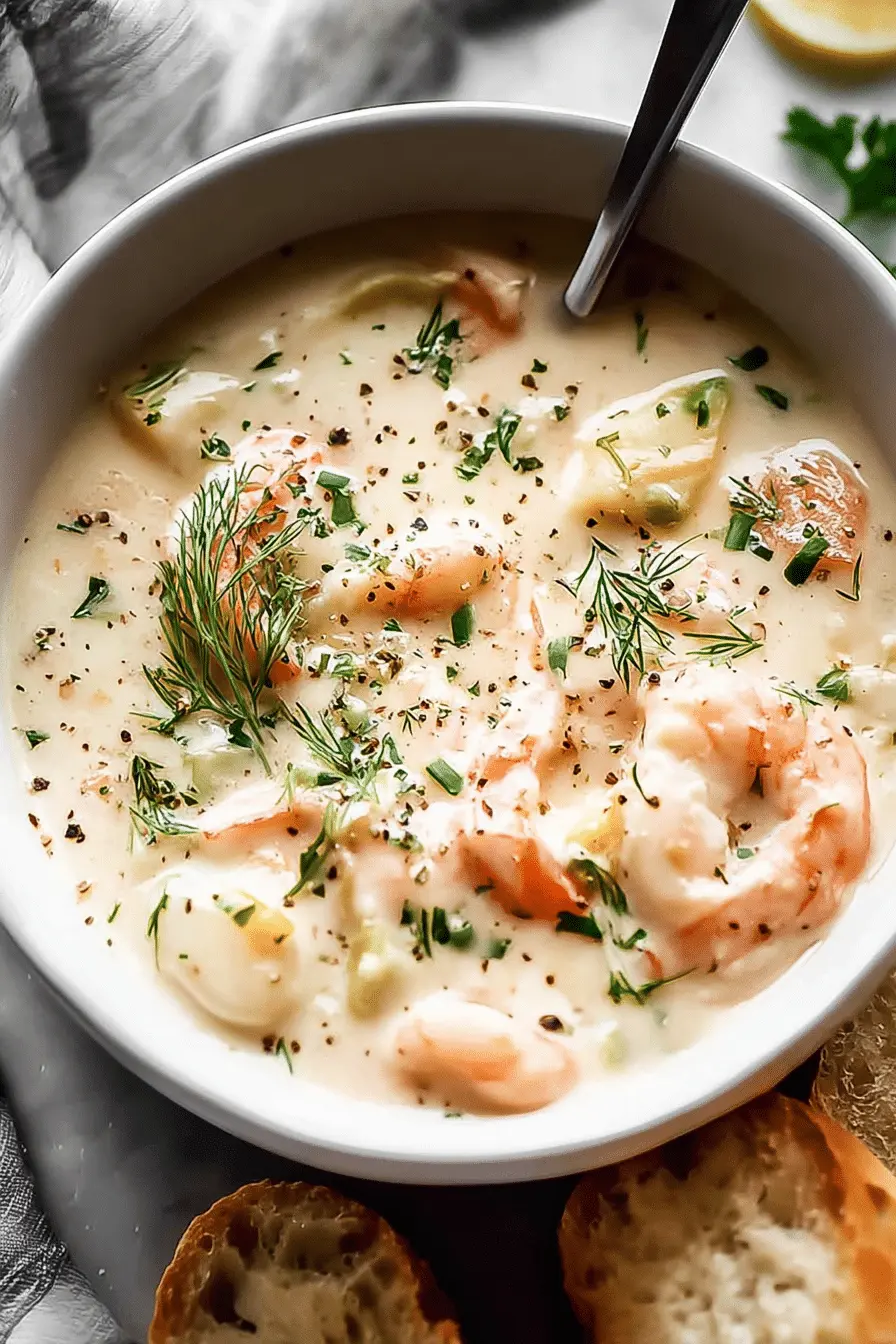
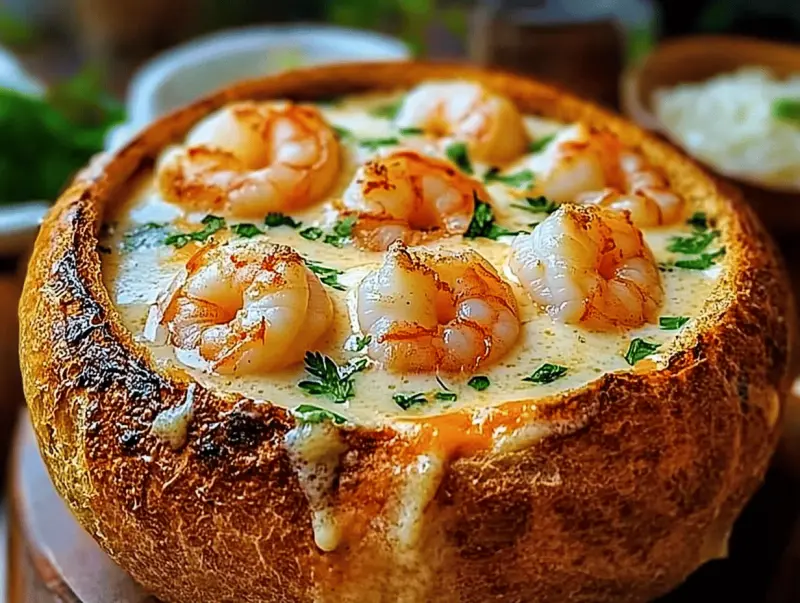
I make this seafood chowder on the nights when I'm short on time but still want something comforting and generous on the table. I learned early on that a few smart shortcuts — frozen seafood, good stock, and a simple roux — mean you can have a bowl of creamy chowder ready well under an hour. In my kitchen this recipe has become the go-to when we need warmth and a little indulgence without fuss. I love how the kitchen fills with the savoury smell of bacon fat and sautéed onions before the sea-fresh aroma of the fish joins in. The colours — pale salmon, pink shrimp and the soft sheen of white fish — make this a happy dish to serve. I often use a mix of fresh and frozen seafood depending on what’s available; frozen keeps the prep quick and still delivers great texture when handled right. Weeknight-friendly doesn’t mean boring. I’ll often add a squeeze of lemon at the end and a scattering of parsley for brightness. I also keep a few pantry tricks up my sleeve so you can adapt this chowder easily for allergies, a leaner option, or to make it gluten-free or dairy-free without losing that creamy mouthfeel. Everything that follows reflects what I do after multiple runs of this recipe — the mistakes I made, the one little texture trick that always works for me, and simple swaps so you can make this your own.Everything You Need for Creamy Seafood Chowder
Below is a conversational, pantry-first overview of the ingredients and tools I reach for. I avoid exact measurements here — focus on the role each ingredient plays and how you can swap things if needed.
- Bacon or pancetta – Adds smoky fat and savory depth; swap for smoked oil or omit for a pescatarian version.
- Onion, celery, carrot – The aromatic base that gives sweetness and texture; use pre-chopped veg for speed.
- Garlic – Builds the savory backbone; shallot is a milder substitute.
- Mixed seafood – A combination of shrimp, salmon and a white fish creates contrasting textures; frozen seafood works well if thawed carefully before cooking.
- Potatoes – Natural thickener and comfort factor; starchy potatoes break down slightly to enrich the broth.
- Flour – Thickens the broth when cooked into the vegetables first; use a gluten-free blend if needed.
- Seafood or chicken broth – The flavour foundation; a good-quality instant stock is a perfectly fine shortcut.
- White wine (optional) – Adds brightness; swap for extra broth or a splash of vinegar for acidity.
- Double cream (heavy cream) – Makes the chowder luxuriously creamy; see swaps below for dairy-free options.
- Herbs (parsley, thyme) – Fresh parsley at the end lifts the dish; thyme adds earthiness while cooking.
- Tools – A heavy-bottomed pot for even heat, a whisk to smooth the roux, and a slotted spoon for crispy bacon.
The one trick that keeps the broth silky, not watery
The single technique I always use is building a simple roux with the sautéed vegetables and rendered bacon fat before adding liquid. That step creates a stable, silky body rather than a thin, watery stock.
- Cook the bacon until crispy and use the fat to soften your vegetables — that flavour base matters.
- Sprinkle flour over the softened veg and cook briefly: you want the raw flour taste gone but not a browned roux. This binds with the liquids later to create a smooth, slightly glossy broth.
- When you add liquid, whisk steadily and add it slowly so the flour incorporates without lumps.
- Bring the pot up to a gentle simmer for the potatoes to release starch; avoid a rolling boil once the seafood is in — sudden high heat can make fish rubbery.
- Sautéing the vegetables slowly at first lets their natural sweetness come forward; that aroma is the smell that announces dinner is nearly ready.
Choosing seafood: swaps, freshness tips and uncommon options
Choosing the right seafood makes this chowder sing. Look for fish that smells briny and fresh, not fishy; fillets should be glossy and firm. For shrimp, avoid a strong ammonia scent and check for snap in the tail. When in doubt, ask your fishmonger what’s just come in or choose frozen-at-source products for consistent quality.
- Freshness indicators: bright, clear eyes on whole fish, firm flesh, and a clean ocean scent.
- Common swaps: canned clams add a briny hit if you can't find fresh shellfish; squid or cuttlefish give a firmer texture and a slightly sweet flavour.
- Uncommon but excellent choices: monkfish keeps its shape and feels meaty, scallops add luxe sweetness, and leftover lobster meat will make the chowder indulgent.
For an indulgent twist, consider adding creamy garlic butter lobster tails to your seafood chowder for extra richness.
Explore different flavors by making a delicious bouillabaisse for a taste of seafood heaven if you want to experiment beyond chowder-style broths.
Making it weeknight-fast: shortcuts that don't skimp on flavour
If you're short on time, these shortcuts cut prep and cook time while keeping the chowder hearty and bright.
- Use pre-chopped vegetables or a mirepoix mix to shave off prep time without losing depth of flavour.
- Frozen seafood is a huge time-saver; thaw it gently and pat dry before adding so it doesn't water down the broth.
- Instant or high-quality carton stock works fine instead of homemade stock — seasoning is the key, not the origin.
- Pressure cookers or multi-cookers will cook potatoes much faster; finish by adding seafood and cream on a low sauté setting to prevent overcooking.
- Keep a jar of crispy cooked bacon or pancetta in the fridge for topping — it dresses the chowder in seconds.
For a quick weeknight pairing, serve this chowder alongside a zesty Cajun shrimp etouffee if you want an extra protein option on the table.
How to Make Creamy Seafood Chowder (Step-by-Step)
Follow these clear, manageable steps. Pay attention to the timing cues and common mistakes listed so you can avoid them.
- Render the fat from diced bacon or pancetta in a large pot over medium heat until crispy; remove and reserve the pieces, leaving the fat behind.
- Add onion, celery, carrot, and garlic to the pot and sauté until the onions are translucent and the vegetables smell sweet and fragrant.
- Sprinkle flour over the vegetables and stir well, cooking for a minute or two so the flour loses its raw edge and creates a light paste.
- Slowly whisk in the broth (and wine if using) a little at a time until smooth; bring to a simmer to check for lumps and flavour balance.
- Add the diced potatoes and simmer gently until just tender; this is when the potatoes release starch to enrich the broth.
- Add mixed seafood and simmer gently until everything is just cooked through; overcooking will make shrimp rubbery and fish flaky in an unpleasant way.
- Stir in the cream, season with salt and pepper, and finish with chopped parsley and thyme if you like; warm through without boiling once the cream is added.
- Ladle into bowls and top with the crispy bacon or pancetta for contrast in texture and a touch of smokiness.
Troubleshooting:
- If the chowder is too thin, simmer uncovered to reduce slightly, or whisk in a little cornstarch slurry off the heat to thicken quickly.
- If the seafood is overcooked (rubbery or dry), the most likely cause was too high heat or cooking too long — next time, reduce heat and add seafood later.
- If the chowder tastes flat, a small splash of acidity (lemon juice or a dash of vinegar) at the end brightens it instantly.
- For lumpy broth, whisk vigorously while adding liquid and strain the broth if necessary before adding cream and seafood.
Note for editors: Present the Pro-Tips, Troubleshooting, and Variations sections as bulleted lists for easy scanning.
Pro Tip for creamy seafood chowder: gluten-free & dairy-free swaps
- Gluten-free thickening: swap the flour for a 1:1 gluten-free flour blend or use cornstarch mixed with cold water as a slurry added near the end.
- Dairy-free creaminess: full-fat coconut milk or coconut cream provides richness — tone down any coconut aroma by finishing with a little citrus and extra herbs.
- Adjusting seasoning: dairy-free versions often need a touch more acid and salt to round out the flavour; taste and add gradually.
- For a lighter chowder: use half-and-half or a lighter cream alternative and add a small cornstarch slurry to maintain body.
How to Store, Freeze and Reheat Seafood Chowder
- Cool quickly: transfer chowder to shallow containers and refrigerate within two hours to keep it safe and fresh.
- Fridge storage: keep in an airtight container for up to three days; seafood can become delicate, so consume sooner rather than later.
- Freezing: freeze without cream or with reduced cream (cream can separate) and add fresh cream when reheating. Use airtight containers and consume within 2 months for best quality.
- Reheating: thaw overnight if frozen, then reheat gently on the stove over low heat. Add cream at the end and avoid boiling to keep the texture silky.
Easy Variations and What to Serve with This Chowder
Make this chowder your own by switching proteins, adding vegetables, or changing the finish. Here are ideas that work beautifully.
- Classic New England style: omit bacon and add extra cream with a dusting of smoked paprika.
- Spiced twist: add a touch of smoked paprika and cayenne for a gentle heat that complements the seafood.
- Vegetable-forward: fold in sweet corn or peas near the end for colour and sweetness.
- Luxurious finish: stir in a spoonful of good-quality butter and chopped chives just before serving.
- Pairings: serve with crusty bread, a green salad, or oven-roasted vegetables; for a heartier table, pair with easy Mediterranean lamb meatballs.
Finish by ladling the chowder into warm bowls, scattering the reserved crispy bacon and parsley on top, and adding a squeeze of lemon if you like. This chowder is forgiving, approachable, and perfect for busy evenings when you want something that feels special.
Frequently Asked Questions
Can I use frozen seafood for the chowder?
Absolutely! Frozen seafood is a convenient option and works well in this chowder. Just make sure to thaw it before adding it to the pot.
How can I make this chowder gluten-free?
To make this chowder gluten-free, simply substitute the all-purpose flour with a gluten-free flour blend or use cornstarch as a thickener.
What can I substitute for heavy cream?
If you want a lighter option, you can use half-and-half or light cream, but consider adding a tablespoon of cornstarch to help thicken the chowder.
How long will leftovers last in the fridge?
Leftover seafood chowder can be stored in the fridge for up to 3 days. Just make sure to store it in an airtight container.
Can I add more vegetables to the chowder?
Definitely! Feel free to add other vegetables like corn, peas, or bell peppers for extra flavor and nutrition.
Recipe Card
The Best Creamy Seafood Chowder — Ready in 50 Minutes
- Prep
- 20 min
- Cook
- 30 min
- Total
- 50 min
- Serves
- 6
- Calories
- 623 kcal
- Carbs
- 25.00 g
Ingredients
- 150 gdiced bacon or pancetta
- 1 largeonion (finely chopped)
- 2 stalkscelery (finely chopped)
- 1 mediumcarrot (finely chopped)
- 2 clovesgarlic (minced)
- 1 kgmixed seafood (shrimp, salmon, white fish, shell fish)
- 2 largepotatoes (diced)
- 3 tablespoonsflour
- 1.5 litersseafood or chicken broth
- 200 mlwhite wine (optional)
- 500 mldouble cream (heavy cream)
- to tasteSalt and pepper
- 2 tablespoonschopped fresh parsley
- 1 teaspoonthyme (optional)
Instructions
- 1
In a large pot over medium heat, cook the diced bacon or pancetta until crispy. Remove with a slotted spoon and set aside, leaving the rendered fat in the pot.
- 2
Add the onion, celery, carrot, and garlic to the pot. Sauté until the onions are translucent and softened.
- 3
Sprinkle the flour over the sautéed vegetables, stir well, and cook for 1-2 minutes until the flour is well combined.
- 4
Gradually whisk in the broth, ensuring no flour lumps remain. Add the white wine if using.
- 5
Add the diced potatoes to the pot. Bring to a boil, then reduce to a simmer until the potatoes are just tender, about 10-15 minutes.
- 6
Add the mixed seafood to the pot and cook for an additional 5-10 minutes, or until the seafood is cooked through.
- 7
Stir in the heavy cream, salt, pepper, parsley, and thyme if using. Continue to cook until everything is heated through.
- 8
Ladle the chowder into bowls and garnish with the crispy bacon or pancetta. Enjoy your creamy seafood chowder!
You might also like
Reviews
Be the first to review this.