- Prep
- 60 min
- Cook
- 30 min
- Total
- 100 min
- Serves
- 4
- Calories
- 710 kcal
- Protein
- 29.00 g
- Carbs
- 86.00 g
- Fat
- 28.00 g
Introduction
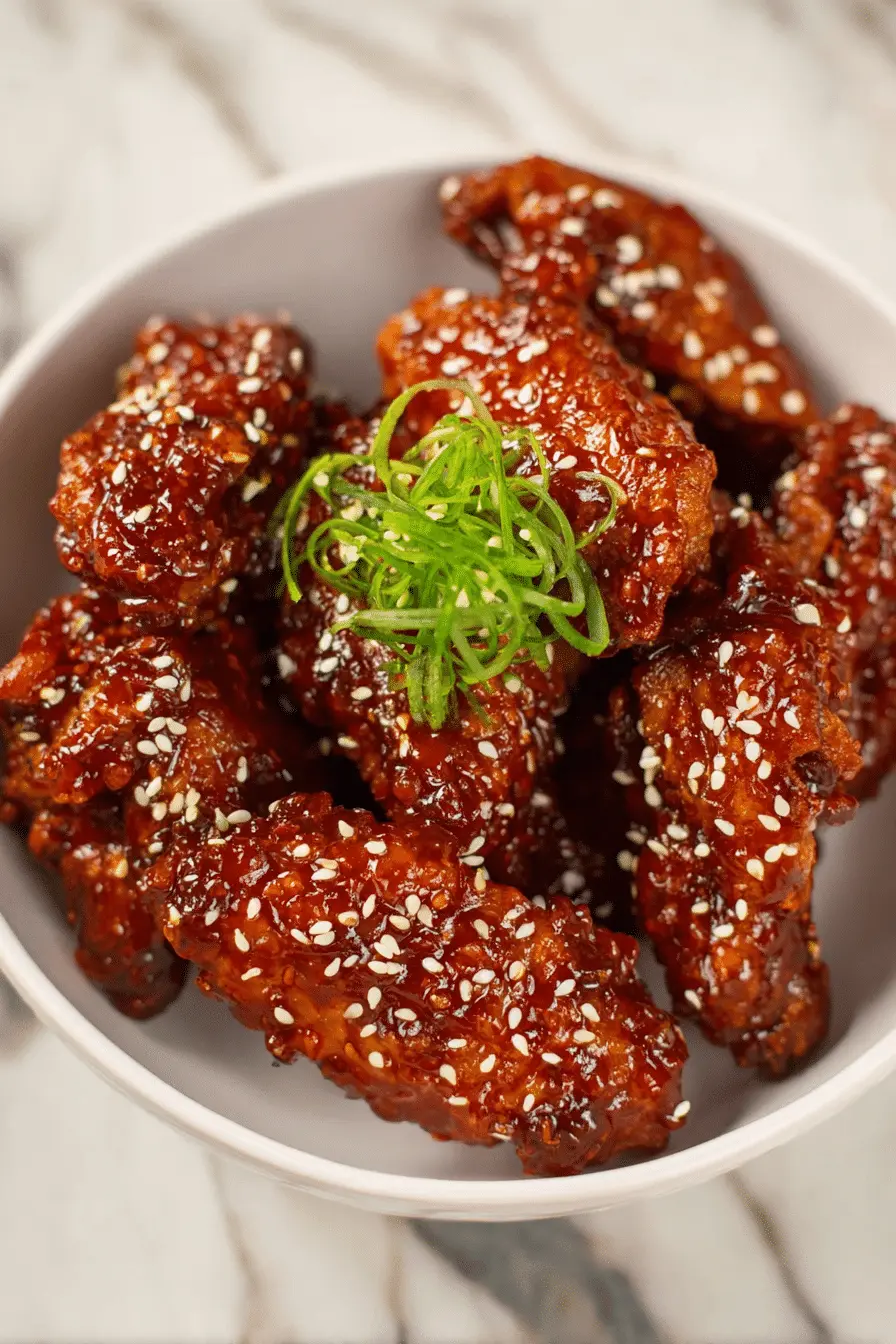
I cook for crowds often, and these gochujang honey wings have become my go-to when I want something bold, sticky, and impossibly crunchy. I first perfected the recipe after a night of chasing soggy takeout wings — by the third test I had a reliable method that gives a brittle, crackly exterior while keeping the meat inside juicy and tender. The kitchen smelled like garlic, toasted sesame, and honey as the glaze reduced; guests kept hovering until I plated the last batch.
Over a few runs I learned the small things that matter: a short savory marinade to season the meat through, a dry dredge that creates craggly bits, and a two-stage fry that locks moisture out of the skin. I also played with the sauce until the heat of the gochujang sat neatly against the sweetness of honey and brown sugar, balanced by a shot of rice vinegar to cut the richness.
I’ll walk you through the why and the how — from the exact dredge texture I aim for to the moment I toss the wings in the glossy sauce. If you’re feeding a crowd, these wings are loud in flavor, easy to eat standing up, and visually arresting — a sure win on any party spread.
Why These Crispy Korean Gochujang Honey Wings Are Perfect for Parties
These wings hit three party requirements: bold flavor, a crunchy texture that stands up to saucing, and easy handheld eating. The gochujang brings a fermented heat and umami backbone; honey and brown sugar add sticky sweetness while rice vinegar cuts through with a whisper of brightness. The contrast — crackly exterior, juicy meat, and a glossy, clinging glaze — is what people reach for again and again.
Visually they pop: deep mahogany glaze, flecks of toasted sesame, and a scatter of scallions or sesame seeds. Audibly they deliver too — that satisfying crack when someone bites in is half the fun at a gathering. Because the sauce is bold, the wings pair easily with simple sides, so you won’t be chained to the stove during the party.
Everything You Need for Crispy Korean Gochujang Honey Wings
Below I list the ingredients and tools that will make the process smooth. I’ll tell you why each matters and offer substitutions where useful.
- Chicken wings – The best texture comes from whole wings or split flats and drumettes; uniform pieces cook more evenly.
- Salt & white pepper – Simple seasoning for the meat and the dredge that seasons through the skin.
- Garlic & ginger – Fresh and grated to build aromatic depth in both the marinade and the sauce.
- Soy sauce & sesame oil – For savory umami and a toasty aroma in the marinade.
- Flour & cornstarch – They work together to create a light, craggly crust; cornstarch gives extra crispness.
- Baking powder – A tiny lift agent in the dredge that helps the skin blister and crisp.
- Neutral frying oil – Use a high-smoke point oil to get steady frying temperatures.
- Gochujang – The spicy, fermented paste that defines the sauce; pick a medium heat level if you want broader appeal.
- Honey & brown sugar – For sticky sweetness and a glossy finish; brown sugar adds molasses depth.
- Rice vinegar & water – To balance sweetness and adjust sauce thickness.
- Tools – A deep pot or fryer with a reliable thermometer, a wire rack and sheet pan for resting, and a wide sauté pan for finishing the sauce.
For another crowd-pleasing fry option to serve alongside these wings, consider adding a crispy skewered chicken to your menu:
For an even wider selection of delicious chicken options, check out our Garlic Parmesan Chicken Skewers.
The Secret to the Perfect Crunch
- Layer texture: I build crunch with a seasoned dry dredge that includes both flour and cornstarch. The cornstarch dehydrates the surface and produces a glassy, shattering crust when fried.
- Create craggly bits: Work a bit of the leftover marinade (or a little water) into the dry mix by hand until you get clumps that will cling to the skin — those jagged bits are what deliver the best crunch.
- Keep pieces evenly coated: Pack the dredge onto the wings so there are no dry spots; those exposed areas will brown too quickly and risk uneven texture.
- Rest before frying: Let the coated wings sit on a rack for a few minutes so the coating adheres and forms a surface that crisps rather than falls off.
Why a Double Fry Works — Temperature & Timing
The double fry is the trick that separates good wings from great wings. The first fry cooks the meat and renders fat; the second quick fry crisps the crust without overcooking the interior.
- First fry: Cook at a steady medium-high temperature to render fat and cook the meat through. This prepares the skin for the final crisp.
- Rest between fries: Let the wings drain and cool briefly. That pause lets the surface firm up so it can shatter into crisp flakes on the second fry.
- Second fry: A short, hotter blast browns and crisps the exterior. Because the meat is already cooked, you only need a minute or two to finish.
- Temperature control: Use a good thermometer. If oil is too cool, wings absorb oil and go soggy; too hot and the exterior will burn before the fat renders.
- Maillard reaction: The golden-brown color and rich toasty flavor come from this reaction; moderate heat and a dry surface encourage it without burning the sugars in the dredge or glaze.
Balancing Sweet, Spicy & Tangy: Sauce Ratio Guide
The sauce is a simple mix, but each ingredient plays a precise role. Think of it like tuning an amp — small changes change the whole profile.
- Gochujang – Provides spicy-umami backbone and a bit of fermented tang; increase for more heat and depth.
- Honey & brown sugar – Give glossy sweetness and sticky texture; add more for a sweeter glaze that clings longer.
- Soy sauce – Adds salt and savory balance; taste before adding more salt elsewhere.
- Rice vinegar – Brightens and cuts through the richness; a splash keeps the glaze from feeling one-note.
- Thickness adjustments – To thin the sauce, add a little water; to thicken, simmer a bit longer so it reduces and becomes glossy. If you want a thinner pour, omit reduction and toss wings immediately but briefly in the warm sauce.
How to Make Crispy Korean Gochujang Honey Wings (Step-by-Step)
- Marinate: Season the wings with salt, white pepper, grated garlic and ginger, soy, and sesame oil. Let them sit at least an hour or refrigerate overnight for deeper flavor.
- Make the dredge: Combine flour, cornstarch, salt, white pepper, and a lift agent. Work a touch of the leftover marinade (or a bit of water) into the mix by hand to create clumps that will cling.
- Coat: Pack the dredge onto each wing and shake off excess. Arrange wings on a rack and rest briefly to let the coating set.
- First fry: Heat frying oil to a steady medium-high and fry wings in batches until cooked through and pale golden. Drain on a rack.
- Second fry: Bring oil temperature up and flash-fry the wings briefly until deep golden and super crispy. Drain and rest for a minute off the oil.
- Make the sauce: Warm neutral oil in a wide pan, sauté grated garlic and ginger briefly, then add gochujang. Stir in soy, brown sugar, honey, rice vinegar, and a splash of water. Simmer until glossy and slightly reduced.
- Toss and serve: Add the wings to the pan, toss vigorously so every nook is coated, and serve immediately while hot and sticky.
If you like these wings and want another take on crunchy Korean-style fried chicken for a larger platter, try this alternate recipe while planning your menu:
If you love wings, you might also enjoy our Easy Korean Fried Chicken for another twist on classic flavors.
Troubleshooting:
- I found that soggy wings usually come from overcrowding the fryer; cook smaller batches to keep oil temperature stable.
- If the coating falls off, the dredge was likely too wet or the wings were not rested long enough — dry them and press the dredge firmly onto the skin.
- If the glaze is too thin and slides off, simmer it a little longer to reduce and concentrate flavors; I often take it to a glossy sheen before tossing.
- When wings taste flat, check your salt: taste the sauce and adjust seasoning at the end rather than over-salting earlier.
Pro Tip for crispy korean gochujang honey wings: Prep Ahead & Fry in Batches
- Marinate ahead: You can marinate the wings the night before to deepen flavor and save time on party day.
- Coat and chill: Dredge the wings and keep them on a sheet pan in the fridge uncovered — this helps dry the surface and improves final crispness.
- Stage your fry: Heat oil well in advance and work in small batches so the temperature recovers quickly between batches.
- Keep them warm: Hold fried wings on a rack in a low oven while you finish others; this prevents steaming and sogginess.
- Finish to order: Toss wings in the sauce just before serving so they stay glossy and avoid becoming limp from sitting in glaze too long.
How to Store, Reheat & Transport for Parties
- Storage: Cool wings completely before refrigerating in an airtight container to avoid condensation that softens the crust.
- Reheating for crispness: Reheat on a wire rack in a hot oven or in an air fryer until the crust crackles again; avoid microwaving (it makes them soggy).
- Transport tips: Pack wings separate from the sauce if you need to travel; bring the sauce in a thermos or reheat it quickly and toss on arrival to retain crunch.
- Make-ahead strategy: You can fully cook the wings, cool, and re-crisp in the oven at the venue before saucing for best texture.
Gluten-Free and Vegan Variations for Crispy Wings
- Gluten-free dredge: Swap regular flour for a gluten-free blend and ensure your gochujang and soy sauce are certified gluten-free.
- Starch-first crisp: Use rice flour or more cornstarch in the dredge to mimic that glassy crunch without wheat.
- Vegan alternative: Use cauliflower florets or tofu slices, par-cook to remove moisture, coat in a starch-based dredge, and double-fry or bake until crisp.
- Flavor retention: For vegan versions, boost umami with a splash of mushroom soy or miso in the sauce.
- Plant-based pairing: If you're serving plant-based wings, try this complementary recipe for a varied platter:
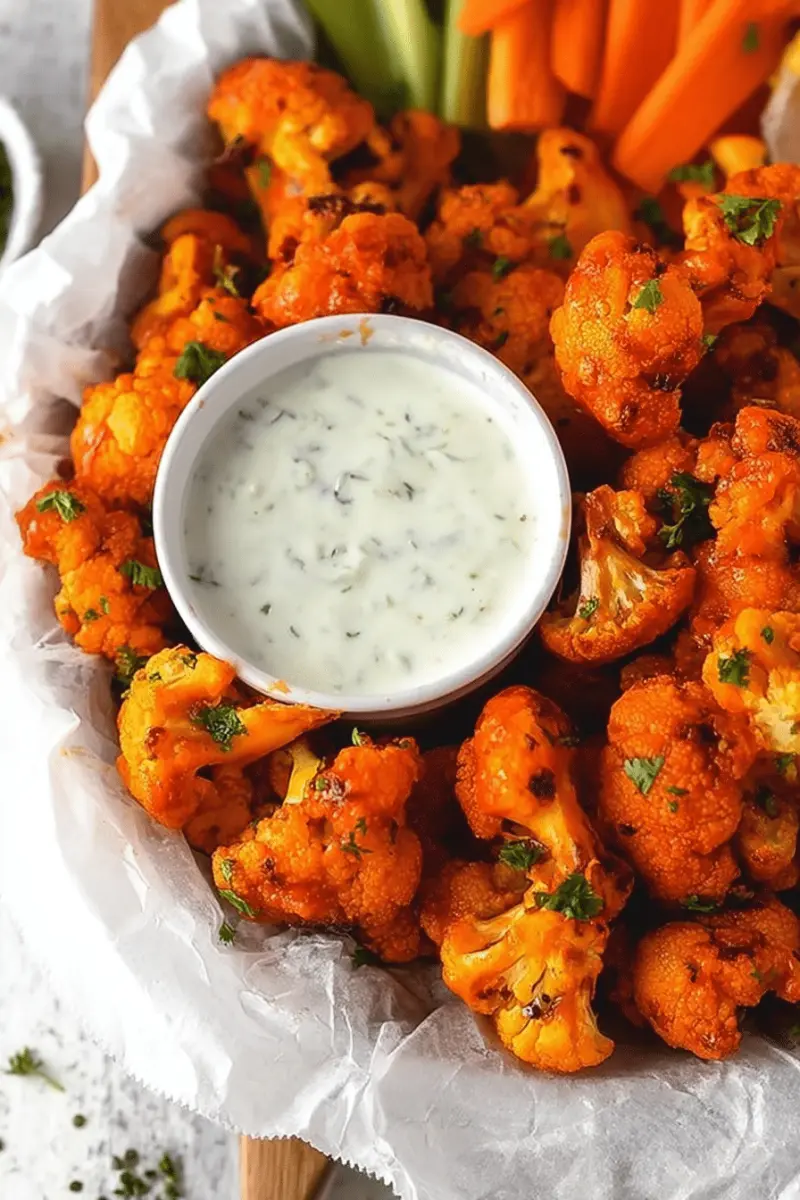
If you're looking for a plant-based option, try our Buffalo Cauliflower Wings as a flavorful substitute.
Nutritional Information and Health-Conscious Adjustments
Per serving estimate: about 710 kcal, with fats, carbs, and protein reflecting a fried and sauced appetizer. If you want a lighter profile, here are sensible swaps and how they change the dish.
- Bake or air-fry: Both reduce oil absorption. You'll lose some of the ultra-crisp texture of a deep double-fry but retain flavor. Increase surface starching and heat to encourage browning.
- Reduce sugar: Cut back on honey/brown sugar in the sauce and add a touch more vinegar or a squeeze of citrus to maintain brightness.
- Lean it up: Use flats and drumettes trimmed of excess skin, or serve smaller portions alongside more vegetables to balance the plate.
Serving Suggestions: Perfect Pairings for Korean Wings
These wings pair beautifully with bright, acidic sides that cut through their richness. Think crisp cucumber salad, pickled daikon or kimchi, and bowls of steamed rice for guests who want something to sop up the sauce. For a shareable spread, arrange wings on a large platter with scallions, sesame seeds, and lemon wedges on the side.
Drink pairings that work especially well include crisp lagers or light, citrus-forward cocktails that refresh the palate between bites. For variety on your party table, add a savory pancake to the line-up:
To elevate your party feast, consider adding a Crispy Korean Spring Onion Pancake to the menu.
Frequently Asked Questions
Can I make these wings in the oven instead of frying?
Yes! You can bake the wings in the oven at 425°F (220°C) for about 40-50 minutes, flipping them halfway through, until they're crispy and cooked through.
How can I adjust the sauce for a sweeter or spicier flavor?
To make the sauce sweeter, simply add more honey. For extra heat, increase the amount of gochujang or add some red pepper flakes to the mix!
Can I prepare the wings in advance?
Definitely! You can marinate the wings and coat them in the seasoning mix ahead of time. Just store them in the fridge until you’re ready to fry.
What can I serve with these Korean wings?
These wings pair perfectly with a side of kimchi, cucumber salad, or even some fluffy rice to soak up the delicious sauce.
Are there gluten-free options for this recipe?
Yes! You can use gluten-free flour and ensure the gochujang and soy sauce are gluten-free certified to make this a gluten-free dish.
Recipe Card
How I Nailed Crispy Korean Gochujang Honey Wings for Game Day
- Prep
- 60 min
- Cook
- 30 min
- Total
- 100 min
- Serves
- 4
- Calories
- 710 kcal
- Protein
- 29.00 g
- Carbs
- 86.00 g
- Fat
- 28.00 g
Ingredients
- 2 lbschicken wings
- 1 tspsalt
- 1/2 tspwhite pepper
- 4 clovesgarlic (grated)
- 1 inchginger (grated)
- 2 tbspsoy sauce
- 1 tspsesame oil
- 1 cupflour
- 1 cupcornstarch
- 1/2 tbspkosher salt
- 1/2 tbspwhite pepper
- 1/2 tbspbaking powder
- 2 tbspneutral oil
- 1/4 cuphoney
- 1/4 cupgochujang
- 2 tbspbrown sugar
- 2 tbspsoy sauce
- 3 clovesgarlic (grated)
- 1/2 tbspginger (grated)
- 2 tbsprice vinegar
- 2 tbspwater
Instructions
- 1
Marinate chicken wings in salt, white pepper, garlic, ginger, soy sauce, and sesame oil for 1-2 hours or overnight for best results.
- 2
In a large bowl, add flour, cornstarch, kosher salt, white pepper, and baking powder. Mix together until combined, then add any leftover marinade (or 1-2 tbsp of water) into the seasoning mix. With your hands, rub the mix together with the liquid to create craggily bits in the seasoning mix.
- 3
Coat your wings into the seasoning mix, and pack in the dredge well making sure to leave no dry spots. Shake off any excess and let rest on a sheet pan for 5-10 minutes while you heat up your frying oil.
- 4
Fry the wings in batches at 350F for 6-8 minutes. Remove and set on a rack or paper towel to drain while you fry the rest of your wings.
- 5
Fry the wings a 2nd time at 350F for 1-2 minutes. This will get the exterior super crispy.
- 6
In a large wide pan, heat 2 tbsp of neutral oil over medium heat. Add your garlic, ginger, and gochujang and fry for 30-45 seconds until fragrant. Add soy sauce, brown sugar, honey, rice vinegar and water. Stir until the sauce bubbles and the sugar is dissolved, about 2-3 minutes.
- 7
Add the wings to the sauce and toss to coat. Serve immediately & enjoy!
You might also like

Reviews
Be the first to review this.