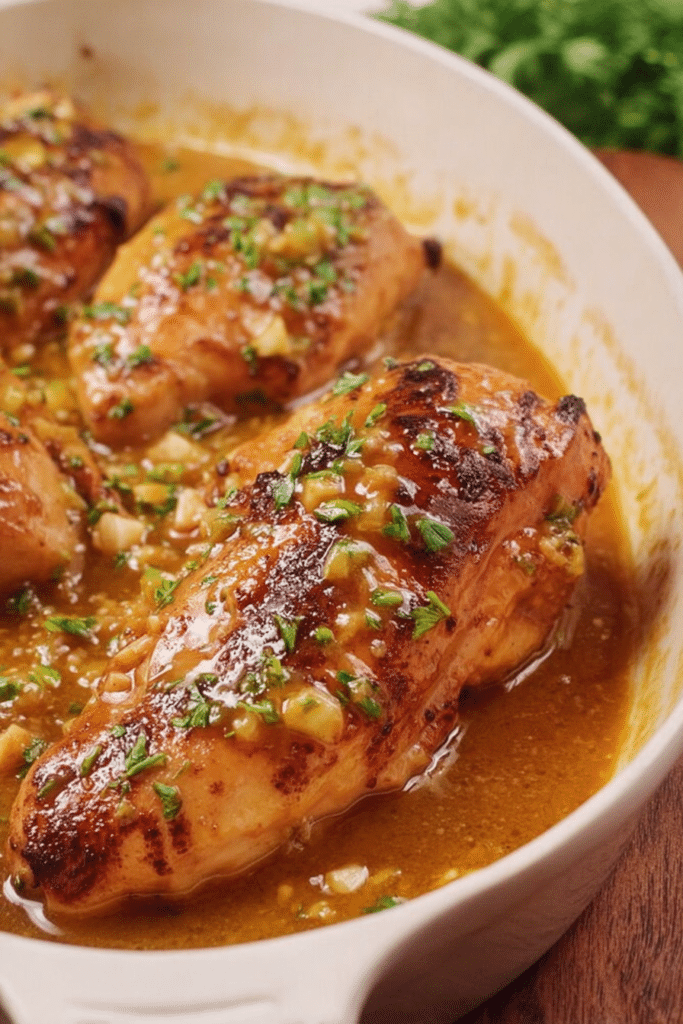
I first made this easy honey mustard chicken on a Wednesday night when I had two sleepy kids, a half-empty fridge, and zero patience for a complicated dinner. I whisked together honey, Dijon, a splash of olive oil and lemon, and within minutes the kitchen filled with a warm, sweet-tangy aroma that made both kids (and me) peek into the oven every five minutes. The skinless chicken breasts stayed juicy and the sauce turned into a glossy glaze that clung to the meat — sticky in the best way. This recipe quickly became my go-to for busy weeknights: simple, satisfying, and forgiving when life gets messy.
What makes this easy honey mustard chicken such a winner is the balance: the honey gives depth and a glossy finish, Dijon brings a gentle bite, and a little lemon lifts the whole dish so it never tastes cloying. It’s family-friendly, adaptable to thighs or drumsticks, and works whether you’re feeding two or a crowd of four. Below I’ve written the recipe the way I actually make it in my kitchen, including the small mistakes I learned from, and practical tips so you can get it right the first time.
Ingredients You’ll Need
- Dijon mustard – the backbone of the sauce; sharp and tangy so the honey has something to play against.
- Honey – adds sweetness and helps create that caramelized, glossy glaze; use local honey when you can for flavor nuance.
- Olive oil – a drizzle to loosen the sauce and help the garlic bloom without burning.
- Garlic – minced for fragrance; it softens and sweetens as it cooks and melds into the sauce.
- Lemon juice – brightens the sauce and cuts through sweetness so the overall flavor stays balanced.
- Boneless chicken breasts (or thighs/drumsticks) – breasts cook quickly and stay tender when not overbaked; thighs give more forgiving, juicier results.
- Paprika – for a warm, slightly smoky note and a prettier color on the chicken.
- Salt – essential for seasoning; it brings out the honey and mustard flavors.
- Black pepper – a little bite to balance the sweetness.
- Parsley – minced and sprinkled at the end for freshness and color.
Ingredient sourcing notes: I like using a good Dijon (not the cheapest squeeze bottle) because it’s a small thing that improves the end result. If you can, buy local raw honey for more floral notes; it makes the glaze taste less processed. For a gluten-free dish, make sure your mustard is labeled gluten-free (most are), and use naturally gluten-free sides like rice or roasted veggies.
Step-by-Step Instructions
Below I write the exact steps I follow in my kitchen. I include temperatures, times, and the little cues I watch for — the things that tell you when the chicken is done and when the sauce has turned out right.
- Preheat and prep: Preheat your oven to 350 °F. Lightly grease a baking dish or line it with parchment for easy cleanup. If you’re using thicker breasts, you can gently pound them to an even thickness so they cook uniformly.
- Make the sauce: In a small bowl whisk together Dijon mustard, honey, a tablespoon of olive oil, minced garlic, and a squeeze of lemon juice. At this stage the sauce will be fairly loose — that’s okay. The oil keeps it silky and the lemon prevents the honey from tasting too flat.
- Season the chicken: Pat the chicken dry with paper towels. Drying is crucial — wet chicken won’t brown or glaze properly. Season both sides with paprika, salt, and black pepper. If you skip the paprika the flavor will still be good, but you’ll miss that warm color.
- Arrange and coat: Arrange the chicken in the baking dish in a single layer. Pour the honey mustard sauce evenly over the breasts and use a spoon to spread it so there’s a thin, even coating. Don’t drown the pan — a thin coat is all you need for a sticky glaze.
- Bake until done: Bake in the preheated oven for 25 to 30 minutes, depending on the thickness of your chicken. The most reliable way to know it’s done is to check the internal temperature — it should reach 165 °F in the thickest part. If you don’t have a thermometer, slice into the thickest part and look for clear juices and no pink in the center.
- Finish under the broiler (optional): If you want a more caramelized top, switch the oven to broil for the last 1 to 2 minutes. Watch it closely — the sugar in the honey browns fast and can go from perfect to bitter in seconds.
- Rest and garnish: Let the chicken rest 5 minutes out of the oven. The sauce will thicken slightly as it cools and cling to the meat. Sprinkle with minced parsley and serve with lemon wedges on the side.
Why each step matters: drying the chicken ensures better browning; whisking the oil into the sauce gives a creamier texture and keeps the honey from becoming grainy; finishing under the broiler is optional but gives a pleasing sticky char. If the sauce seems too thin after baking, spoon it into a small saucepan and simmer for a minute to reduce — it’ll thicken quickly. If it gets too thick before cooking, thin it with a splash of water or lemon juice.
Nutritional Benefits of Honey and Mustard
Both honey and mustard bring more than flavor. Honey is a natural energy source made up primarily of sugars, and depending on the variety it can contain trace antioxidants and pollen compounds from the flowers the bees visited. It’s not a health food per se, but in small amounts it adds flavor and some antioxidant potential compared with refined sugar.
Mustard (especially Dijon) is low in calories and very flavorful, which means you get a big taste payoff for very little caloric cost. Mustard seeds contain compounds that may offer anti-inflammatory properties, and the vinegar or lemon in the sauce adds brightness without extra fat. Together, honey and mustard create a sauce that feels indulgent but is lighter than cream-based alternatives.
Specific to this recipe: the chicken provides lean protein, and the sauce keeps added fat modest — olive oil and a small amount of honey do the heavy lifting flavor-wise. For a lower-sugar version, you can reduce the honey and replace some of it with extra Dijon and lemon to keep the balance of flavors (details in the Variations section).
Meal Prep Tips for Busy Weeknights
One of the reasons I turn to easy honey mustard chicken is how well it fits into a weekly routine. Here are the practical ways I make it a weekday staple:
- Marinate ahead: Mix the honey mustard sauce and toss it with the chicken in a zip-top bag. It keeps in the fridge for up to 24 hours; the flavors deepen and the chicken is more forgiving in the oven.
- Batch the sauce: Make a double batch of the sauce and store it in the fridge for up to 5 days. Dab extra sauce on cooked chicken when reheating to revive that fresh glaze.
- Pre-portion: Bake a tray of chicken on Sunday, slice it, and store it in meal-sized containers. It reheats nicely and is great over salads, grain bowls, or with steamed veggies.
- Reheating: Reheat gently in a 325 °F oven covered for 10–12 minutes or in the microwave on medium power. If it seems dry, spoon a bit of reserved sauce or a splash of stock over the chicken before reheating.
For a complete meal, consider adding our creamy garlic parmesan chicken pasta to your meal prep rotation.
Suggested Side Dishes
Honey mustard chicken pairs with lots of simple sides that absorb the sauce and round out the meal. Here are my go-to pairings:
- Roasted root vegetables — carrots, parsnips, and sweet potatoes caramelize and echo the honey notes in the sauce.
- Steamed green beans or sautéed spinach — a bright, slightly bitter vegetable balances the sweetness.
- Buttery mashed potatoes or creamy polenta — perfect for spooning up extra glaze.
- Light grain salads — quinoa tossed with herbs, lemon, and olive oil gives a textural contrast and keeps the meal feel fresh.
These honey garlic roasted baby carrots would make a delightful side dish to complement your easy honey mustard chicken.
Pair your honey mustard chicken with a side of garlic butter chicken with lemon parmesan pasta for a rich and satisfying meal.
Variations for Dietary Preferences
This recipe is flexible. Below are tested swaps I use depending on what’s in my fridge or who I’m cooking for.
- Gluten-free: Use a gluten-free Dijon (most traditional mustards are naturally gluten-free) and serve with naturally gluten-free grains like rice or quinoa.
- Dairy-free: The base recipe is already dairy-free — skip any butter finishes and use oil-based sides.
- Lower-sugar: Reduce the honey by about a third and boost the Dijon and lemon. The sauce will be sharper but still balanced; a touch more oil helps round it out.
- Vegetarian: Roast extra-firm tofu, chickpeas, or cauliflower steaks with the sauce. Tofu should be pressed and patted dry first so it absorbs the glaze better.
Try our honey mustard grilled chicken recipe for a delicious twist that maintains the same savory flavors.
Frequently Asked Questions
How can I make honey and mustard marinade?
To make honey mustard marinade, mix together honey, Dijon mustard, olive oil, and a bit of salt in a bowl. Stir until well combined. You can use it immediately or store it in the refrigerator for up to 5 days!
Can I add onions to honey mustard chicken?
Yes, you can add onions! Chopping a small onion and sautéing it with garlic before adding it to the chicken can enhance the flavor beautifully.
What if I don’t have Dijon mustard?
If you don’t have Dijon mustard, you can substitute it with whole grain mustard or even yellow mustard in a pinch. Just keep in mind the flavor will be slightly different!
Can I freeze the honey mustard chicken?
Yes, you can freeze honey mustard chicken! Just marinate it and place it in a freezer-safe bag or container. It can be frozen for up to 3 months. Thaw in the refrigerator before cooking.
How do I store leftovers of honey mustard chicken?
Store any leftovers in an airtight container in the refrigerator for up to 3-4 days. Reheat in the oven or microwave until heated through.
Common Problems and How to Fix Them
- Chicken turned out dry: Most likely it was overcooked. Use a thermometer next time and pull at 165 °F. If it happens, slice thin and toss with a warmed bit of sauce to give the meat back some moisture.
- Sauce too sweet: Add more acid — lemon juice or a splash of apple cider vinegar cuts sweetness without adding salt.
- Sauce too thin after baking: Simmer it on the stovetop for a minute or two to reduce, or whisk a small slurry of cornstarch and water into it and heat until thickened.
- Sauce burned under broiler: Sugar burns fast; keep the rack farther from the element and broil for just 30–60 seconds at a time while watching closely.
Final Serving Suggestions and Wrap-Up
I usually serve this easy honey mustard chicken sliced over fluffy rice or next to roasted vegetables. The glossy sauce makes everything taste a little more special, and the leftovers are reliably good for lunches or quick dinners. Expect a sweet-tangy first bite, a warm garlic note, and a slightly sticky mouthfeel from the glaze — that’s the texture I look for.
This is the kind of recipe I’ve made repeatedly, tweaking it for thicker chicken, swapping mustard types, and learning the small timing differences between breasts and thighs. It’s forgiving, fast enough for a weeknight, and tasty enough to bring to a casual dinner. Try it this week: make the sauce, pop the chicken in the oven, and in under an hour you’ll have dinner that feels like more work than it actually is. If you try it, take a picture, tag it on social media, or leave a note in the comments — I love seeing how readers make a recipe their own.
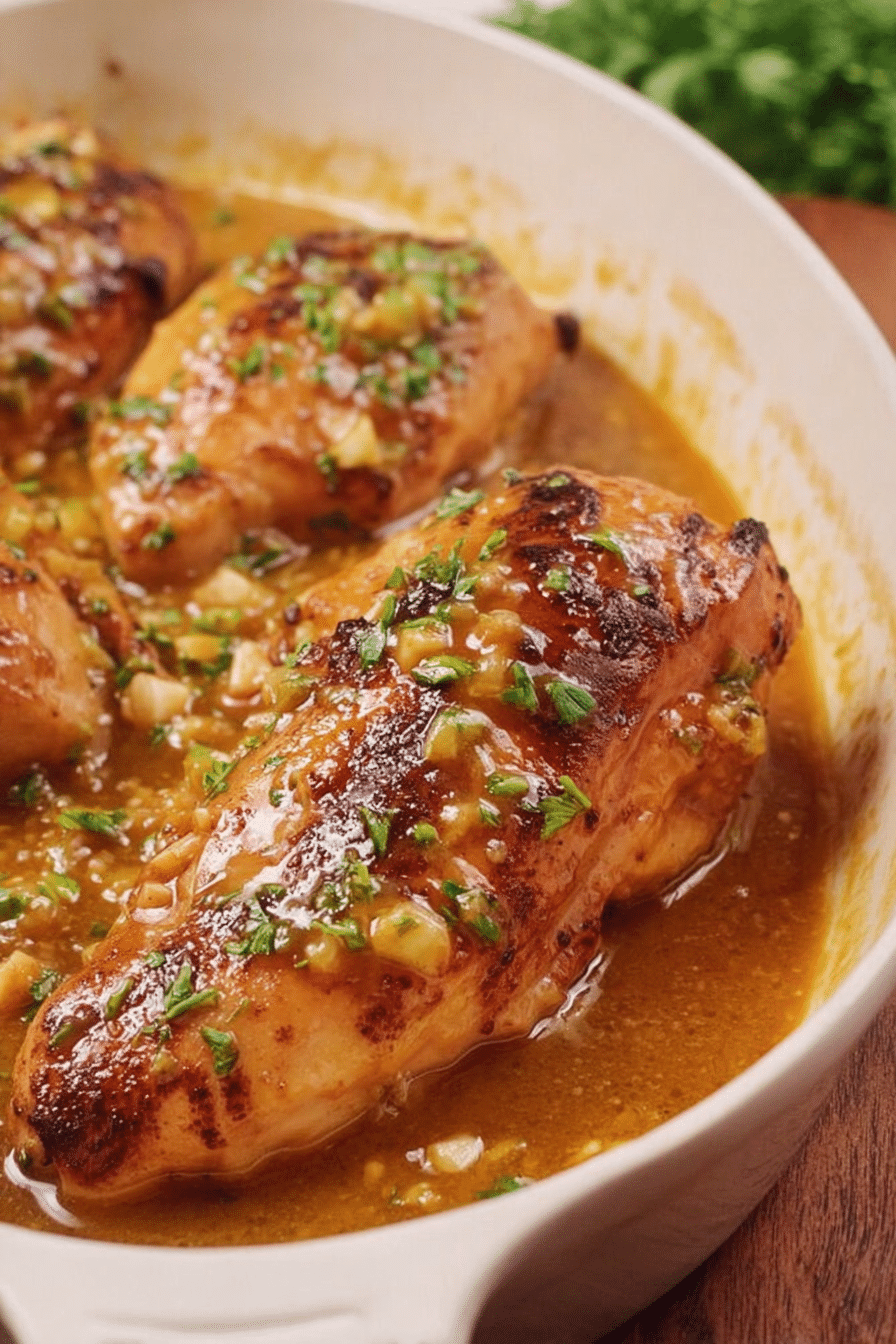
Easy Honey Mustard Chicken
Ingredients
Method
- Preheat the oven to 350 °F. Lightly grease a baking dish and set aside.
- Make the marinade in a small bowl by whisking together Dijon mustard, honey, olive oil, garlic, and lemon juice.
- Season the chicken with paprika, salt, and pepper. Arrange in the baking dish.
- Pour the sauce over evenly and bake for 25 to 30 minutes until the internal temperature reaches 165 °F.
- Serve with parsley garnish and optional lemon wedges or slices on the side.