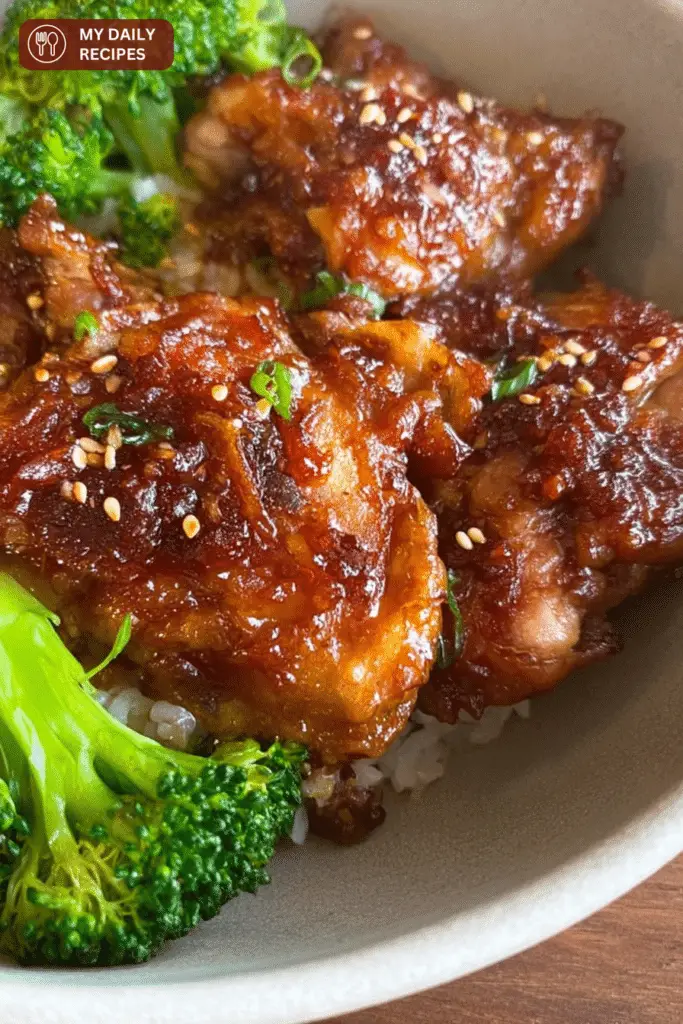
If you love bold, savory flavors with a touch of sweetness and a glossy finish, these easy soy garlic chicken thighs will become a weeknight staple. I first started making this as a quick dinner when work ran late and I wanted something that felt special without fuss. The skin (or crust if you’re using skinless thighs) browns into a crisp mahogany edge, the pan fills with garlicky warmth, and the sauce reduces until it’s sticky and shiny — that smell alone will have everyone at the table before the rice is ready.
What I love about this recipe is how forgiving it is: a light dusting of potato starch and flour gives the chicken a thin, crisp crust, and the sauce comes together in one pan. You don’t need to babysit the stove for the whole time, but you do want to pay attention to the aroma — that’s the kitchen telling you when the garlic has turned golden and the sauce is ready.
Ingredients for the Recipe
- Chicken thighs – boneless skinless pieces are tender and forgiving; they stay juicy even if you slightly overcook them.
- Potato starch & all-purpose flour – a light dusting creates a crisper surface than flour alone; potato starch gives an almost glassy, light crunch.
- Garlic – minced, it becomes sweet and nutty when sautéed; don’t step away once it starts to color.
- Soy sauce – provides the salty, umami backbone; swap for low-sodium or tamari if needed.
- Honey – adds a warm sweetness and helps the sauce caramelize and glaze the chicken.
- Chicken stock – gives depth and helps the sauce reduce without getting too salty; water and bouillon also work.
- Rice vinegar – brightens the sauce, cutting through the sweetness and oil.
- Cornstarch – tiny bit to thicken the sauce quickly into a glossy finish.
- Green onions – white parts sauté with the garlic; green parts are a bright, fresh garnish.
- Sesame seeds – optional garnish for nutty crunch and an attractive finish.
- Neutral frying oil – like vegetable or canola oil; it gets hot without smoking and helps form that crisp crust.
Step-by-Step Instructions
I always follow the steps below, and I’ll add notes where I’ve learned little tricks. The full, measure-by-measure recipe card is right after these instructions if you want to print or save it.
- Make the sauce. Whisk together the chicken stock (or the water + bouillon alternative), honey, rice vinegar, dark soy sauce, and cornstarch. I like to stir the cornstarch into the liquid until there are no lumps — it helps the sauce thicken quickly and evenly when it hits the pan. Set aside.
- Dry and coat the chicken. Pat the chicken thighs thoroughly with paper towels — this is essential for a good crust. On a large plate mix the potato starch, flour, garlic powder, salt, and black pepper. Lightly dust both sides of the thighs; you want a thin coating, not a heavy batter. Too much starch makes the crust gummy instead of crisp.
- Heat the pan and oil. Use a large frying pan that gives each piece room to breathe. Heat enough neutral oil to just coat the bottom over medium-high heat. I watch for the oil to shimmer but not smoke — that’s the cue it’s hot enough. If the oil is too cool, the coating will absorb oil and become greasy; too hot and the outside will burn before the inside cooks.
- Pan-fry the chicken. Add the thighs skin-side (or coated side) down and let them cook undisturbed until golden brown, about 7 minutes per side in my pan — this depends on thickness and stove heat. Resist flipping too often; a steady sizzle and that release-sound when it’s ready are your friends. Transfer the chicken to a plate while you finish the sauce.
- Sauté the aromatics. In the same pan (do not wipe it clean; the browned bits are flavor), add the minced garlic, the white parts of the green onion, and the red chili flakes. Stir and cook for about 2–3 minutes until the garlic turns a light golden brown and smells sweet rather than sharp. If the garlic goes dark brown fast, lower the heat — burnt garlic tastes bitter.
- Glaze the chicken. Pour the sauce mixture into the pan and bring to a simmer. It should thicken in about a minute thanks to the cornstarch. Scrape any browned bits into the sauce; that’s where the depth of flavor lives. Return the chicken to the pan and spoon the glaze over it. Simmer together for 4–6 minutes to finish cooking and let the flavors meld — the sauce will become glossy and cling to the chicken.
- Finish and rest. Turn off the heat, sprinkle with sliced green onion and sesame seeds, and let the chicken rest a minute or two before serving. The sauce will set slightly as it cools and becomes even more spoonable.
Notes on doneness: the recipe is written for boneless thighs. They’re forgiving, but if you want to be precise use an instant-read thermometer: 165°F (74°C) at the thickest part is safe, though thigh meat can be juicier when pulled at 170°F and allowed to rest. If the sauce seems thin, keep simmering until it reduces; if it’s too thick, whisk in a splash of stock or water.
Tips for Achieving Crispy Skin
Crispiness is a texture you can control if you pay attention to a few details. I always do these things:
- Pat dry. Moisture is the enemy of crispness. The drier the surface, the better the crust.
- Light coating. A thin dusting of potato starch + flour dries surface moisture and creates that glassy crisp. If you coat too heavily the crust will be thick and soft.
- Hot pan, but not smoking. Get the oil shimmering. If the oil smokes, you’ll taste bitterness; if it’s too cool, the coating soaks oil and never crisps.
- Don’t overcrowd. Give pieces space. Overcrowding drops the pan temperature and causes steaming.
- Finish under a broiler for extra snap. If after glazing you want more crunch, pop the thighs under a hot broiler for 1–2 minutes, watching closely so the sauce doesn’t burn.
- Use a cast-iron skillet. It keeps heat steady and promotes even browning. Stainless works fine, but the cast iron excels for a reliable crust.
Common pitfalls: adding the sauce too early will soften the crust; brown garlic means great flavor, but burnt garlic ruins the sauce — so adjust heat quickly. If you accidentally over-brown the coating before the inside is cooked, lower the heat and cover for a minute to let the interior finish without burning the outside.
Serving Suggestions and Pairing Ideas
This dish is all about balance: the savory-sweet glaze pairs beautifully with simple, fresh sides that cut the richness and add texture. Here are my favorite ways to serve it.
- Steamed rice – plain jasmine or short-grain rice soaks up the glossy sauce; the neutral starch balances the honey and soy.
- Quick stir-fried greens – bok choy, spinach, or broccolini tossed with a little garlic and sesame oil provide a slightly bitter, crunchy contrast.
- Simple cucumber salad – thinly sliced cucumber with rice vinegar, a pinch of sugar, and sesame seeds cuts the richness and offers brightness.
- Pickled vegetables – kimchi or quick-pickled carrots add acid and a spicy snap that plays well with the sweet glaze.
- Garnishes – sliced scallions, cilantro, and toasted sesame seeds add aroma, freshness, and a final textural note.
I often serve this with a bowl of steamed rice and a big plate of charred broccolini. The broccolini’s smoky edges and bite contrast the tender chicken and glossy sauce perfectly.
Dietary Variations and Modifications
This recipe is flexible — here’s how to make it fit different needs.
- Gluten-free – use tamari or a certified gluten-free soy sauce and check your potato starch and cornstarch labels. That preserves the flavor while removing wheat.
- Low-sodium – swap in low-sodium soy sauce and use low-sodium chicken stock or dilute stock with water. Reduce the added salt in the coating and taste the sauce before finishing.
- Dairy-free – the base recipe is already dairy-free.
- Air-fryer method – for less oil, lightly spray the coated thighs and air-fry at 400°F (200°C) for about 10–12 minutes, flipping once, then finish by simmering in the sauce to glaze.
- Using chicken breasts – pound to even thickness or slice into cutlets; cook 4–6 minutes per side depending on thickness. See FAQ below for full details.
- Spicier version – add gochujang or sriracha to the sauce, or increase red pepper flakes; start with a teaspoon and adjust.
Nutritional Information (Approximate)
Below are rough estimates per serving assuming the recipe yields 4 servings. I calculate these using the main ingredients (1 lb chicken thighs, 3 tbsp oil, 3 tbsp honey, flours/starches, and the sauce components). These are estimates for guidance — actual values depend on exact brands and how much oil is absorbed during frying.
- Calories: ~430–470 kcal per serving
- Protein: ~25–28 g per serving
- Fat: ~20–25 g per serving (largely from chicken and the cooking oil)
- Carbohydrates: ~20–30 g per serving (from honey, flours/starches, and small contributions from aromatics)
- Sodium: can be high because of soy sauce — consider low-sodium swaps if you’re watching salt intake
Why this matters: chicken thighs are protein-rich and keep moisture well, making them forgiving for weeknights. But the glaze contains honey and soy, which add sugars and sodium, so pairing the dish with vegetables and whole grains helps balance the meal.
Meal Prep and Make-Ahead Options
I do this recipe a lot on busy weeks. Here’s how I make it a reliable meal-prep option:
- Marinate ahead. You can coat the chicken in the starch/flour mix and keep it in the fridge up to 24 hours. I sometimes mix the sauce and store it separately; this saves 10 minutes on the night-of.
- Cook and store. Cooked chicken keeps well for 3–4 days in the refrigerator in an airtight container, or freeze for up to 2 months.
- Reheating to preserve texture. Reheat in a 300–325°F (150–160°C) oven until warmed through, then briefly broil or pan-sear to re-crisp the crust. Microwaving will make the coating soft, so I avoid it unless time is short.
- Portioning ideas. Store with rice and a green vegetable in meal prep containers. Keep the sauce and garnishes in separate small containers so you can reheat and then finish with fresh scallions and sesame.
FAQ
- Can I use chicken breasts instead of thighs?
Yes. Pound breasts to an even thickness or slice them into cutlets so they cook evenly. Reduce pan-fry time (about 4–6 minutes per side depending on thickness) and always confirm an internal temperature of 165°F (74°C). Breading and sauce instructions work the same. - How can I make this recipe gluten-free or lower in sodium?
Use tamari or a certified gluten-free soy sauce and ensure your potato starch and other ingredients are labeled gluten-free. For lower sodium, use low-sodium soy sauce and low-sodium chicken stock or dilute stock with water and reduce added salt, then taste and adjust. - What are the best tips for getting the chicken extra crispy?
Pat the chicken dry before coating, lightly dust with the potato starch/flour mix, heat enough oil until shimmering, and avoid overcrowding the pan. Cook undisturbed until a golden crust forms (about 7 minutes per side in this recipe). For extra crispness finish briefly under a broiler or in a hot cast-iron skillet. - Can I meal prep this and how should I reheat leftovers?
Yes. You can marinate the chicken up to 24 hours. Cooked chicken keeps 3–4 days in the fridge or can be frozen. To reheat while preserving texture, warm in a 300–325°F (150–160°C) oven until heated through, then broil or pan-sear briefly to re-crisp. Microwaving will make it soft. - How do I adjust the sauce if I want it less sweet or spicier?
To reduce sweetness, cut back the honey or add a splash more rice vinegar or soy. To increase heat, add more red chili flakes or a little gochujang or sriracha. Taste as you go and adjust a teaspoon at a time until you reach the balance you like.
Conclusion and Final Thoughts
These easy soy garlic chicken thighs hit the sweet spot between weeknight simplicity and restaurant-worthy flavor. Over the years I’ve tweaked the coating and the sauce balance; this version is the one I come back to because it reliably yields juicy meat, a glossy glaze, and a satisfying bit of crunch. It’s forgiving, adaptable, and great for meal prep. Try it as written the first time, then play with heat or salt levels to match your taste — and if you do, tell me what worked for you. I always tweak mine depending on what’s in the fridge, and that’s part of the fun.
Happy cooking, and remember: watch the garlic closely, don’t overcrowd the pan, and let the sauce reduce until it clings to the chicken. Small adjustments make a big difference, and with this recipe you’ll get dinner on the table quickly with minimal cleanup.
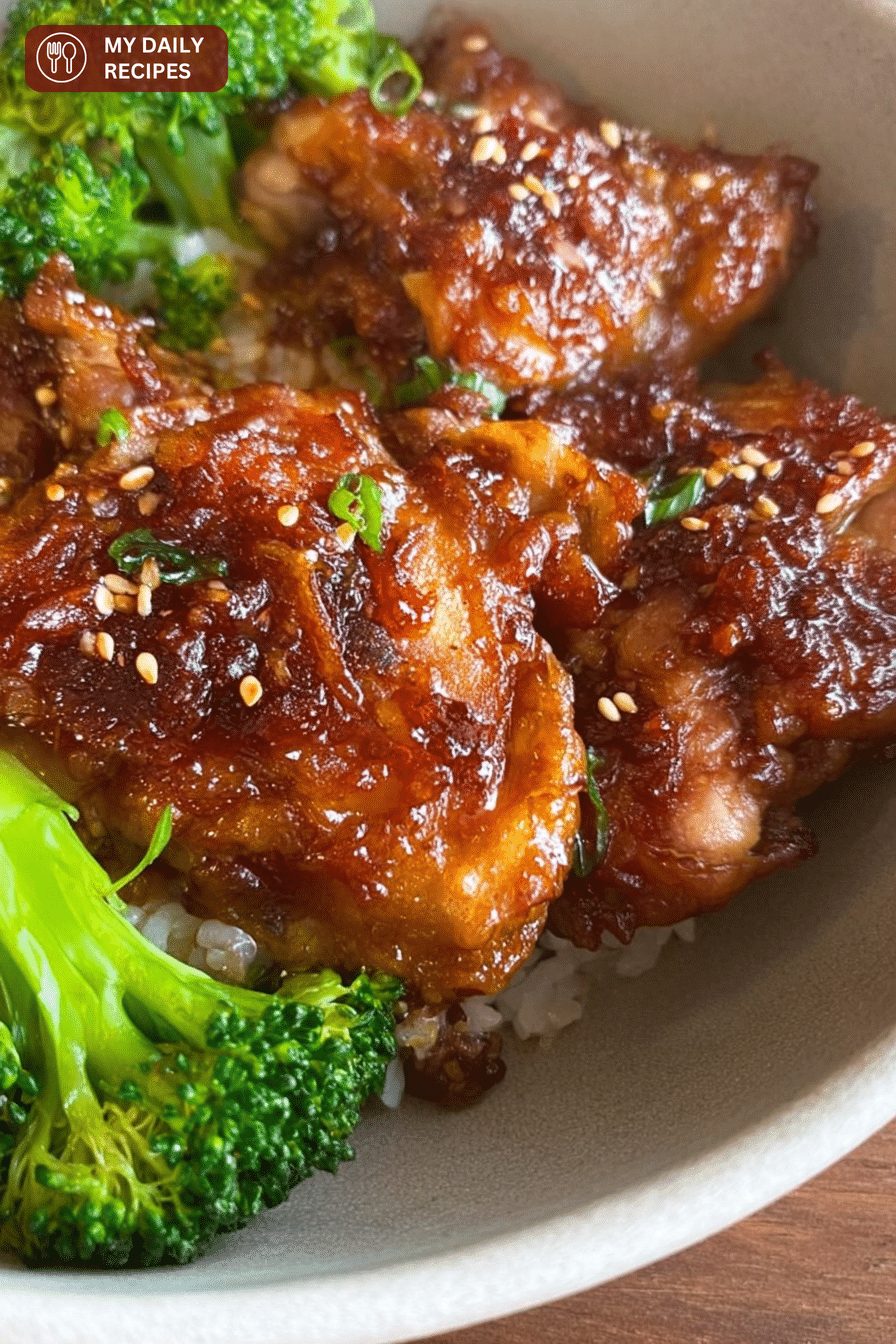
Easy Soy Garlic Chicken Thighs
Ingredients
Method
- Combine all the sauce ingredients (chicken stock, honey, rice vinegar, dark soy sauce, cornstarch) and mix, then set aside.
- Dry the chicken thighs with a paper towel, mix the potato starch, flour, garlic powder, salt, and black pepper on a plate, and coat the chicken thighs.
- Heat the neutral oil in a frying pan, add the chicken thighs and fry until golden brown on both sides (about 7 minutes per side).
- In the same pan, add the minced garlic, white part of the green onion, and red chili flakes, and sauté for 3 minutes. Add the sauce to the pan and cook until thickened.
- Add the chicken back to the pan and cook for 5 minutes until coated with the sauce.
- Serve with your favorite veggies and steamed rice.