- Prep
- 10 min
- Cook
- 30 min
- Total
- 40 min
- Serves
- 15
- Calories
- 41 kcal
- Carbs
- 10.00 g
Introduction
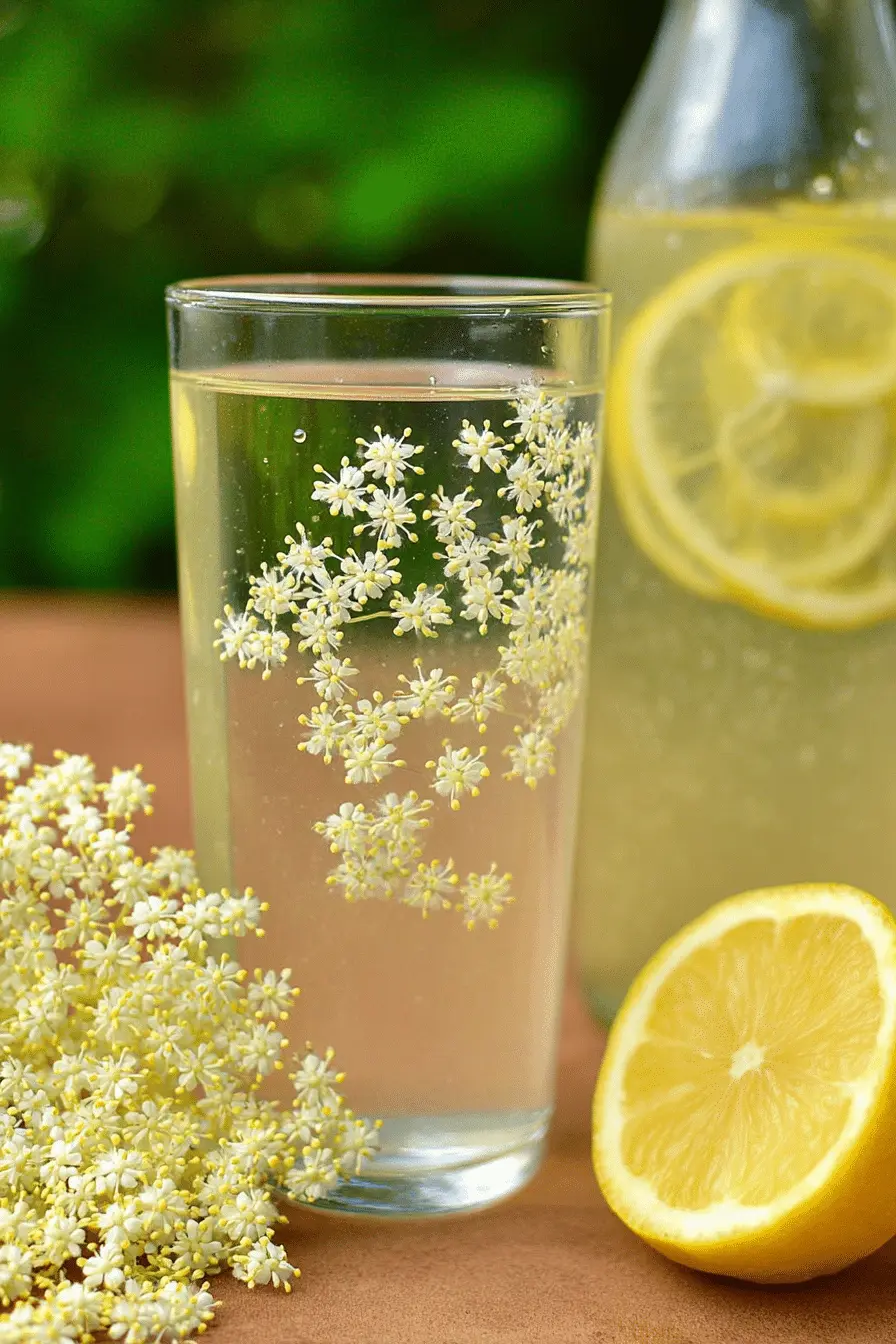
I make elderflower cordial every summer in my kitchen because it tastes like a sunny afternoon in a glass. I love how the floral perfume of the flowers lifts the citrus brightness from the lemons, and how a simple syrup becomes something unexpectedly elegant with almost no effort. When I first started, I worried the flowers would be fiddly — they aren’t. With a little care and patience you get a syrup that’s floral, tangy and utterly refreshing. The sight of pale lemon slices floating among cream elderflower heads in a large pot is one of those small seasonal pleasures. As the mix steeps, the kitchen fills with a soft, floral scent that makes you think of warm hedgerows and long evenings. I’ve learned a few shortcuts over the years to keep things quick while preserving that delicate aroma. I’m writing this for home cooks who want a reliable, fuss-free cordial: simple ingredients, an easy overnight infusion, and clear bottle-and-store steps so you’ll have syrup to dilute with sparkling water the next day. This is approachable summer cooking — no special tools, just a good pot, clean bottles and a sense of timing. Everything You Need for Easy Elderflower Cordial- Elderflower heads – Use large, fully open elderflower heads for the fullest aroma; look for fresh, clean clusters and avoid any that are brown or damp. Responsible foraging matters: only take a few heads from each bush and leave plenty for wildlife and seed production.
- Lemons – Provide bright acidity and a visual pop in the infusion; you can swap for limes or oranges for a different citrus note.
- Citric acid – Adds tartness and helps preserve the cordial so it keeps longer without changing the floral tone.
- Filtered water – A neutral base so the elderflower and citrus come through cleanly.
- Sugar – Balances the floral and acidic notes and helps form the syrup body that makes the cordial so satisfying when diluted.
- Equipment – A large pot for infusion, muslin or a fine cloth for straining, a funnel and sterilized glass bottles for storing the finished cordial.
- Place the elderflower heads and lemon slices in a large pot and cover with hot water; add the citric acid but hold the sugar back for now.
- Bring the water just to a boil to help release the oils, then immediately remove from the heat and cover the pot — that trapped steam keeps the delicate volatile aromatics from escaping.
- Let the mixture steep, covered, for at least a few hours and ideally overnight. Shorter steeping gives a lighter floral note; overnight gives richer flavor. Treat the timing as a flexible guideline based on how forward you want the elderflower taste to be.
- As it steeps the liquid will take on a pale, slightly yellow hue and the steam from the covered pot will carry a heady floral citrus scent — those are the flavors you want to keep.
Citric acid is doing double duty: it sharpens the flavor so the syrup isn’t cloying and it helps preserve the cordial so it lasts longer in the bottle. Fresh lemon adds bright, fresh acidity and a visual contrast — the pale yellow of the slices against the cream flowers looks like summer in a jar. If you need alternatives, limes or oranges make great swaps for a different citrus profile, or you can use a milder acid like tartaric acid if you prefer.
For a different lemony idea, try pairing the same bright citrus note in baked goods:
Explore our lemon poppy seed cheesecake cookies for another delightful way to enjoy lemon flavor.
How to Make Easy Elderflower Cordial (Step-by-Step)- Check the elderflowers carefully and remove any insects or dirt; don’t wash them — washing removes much of the aromatic pollen that gives the cordial its floral lift.
- Add the elderflowers, lemon slices and citric acid to a large pot of water. Heat to just below boiling, or bring briefly to a boil, then remove from heat and cover to trap the aroma.
- Allow the mixture to infuse for at least four hours, preferably overnight, then strain through muslin or a very fine sieve, pressing the flowers gently to extract as much liquid as possible.
- Return the strained liquid to the pot and stir in the sugar. Gently heat, stirring frequently until the sugar fully dissolves, then simmer for a few minutes to form a syrup — don’t over-boil or the bright floral notes can fade.
- Sterilize your bottles, lids and any funnels. I either rinse with very hot water and pour boiling water into the bottles for a few minutes or place clean bottles in a low oven until dry.
- Pour the hot syrup into warm bottles using a funnel, seal immediately and let cool. Label and date each bottle so you can track freshness.
- When serving, dilute the cordial to taste with still or sparkling water; a light spritz of fresh lemon juice can lift the drink into something very sharp and summery.
- Only pick flowers on dry days when the blooms are fully open and dry — damp flowers can encourage mould during storage.
- Leave plenty for birds and insects; take a few heads from each bush rather than stripping one plant bare.
- Check local rules: some areas restrict wild foraging, and private land needs permission.
- Bring a soft brush or shake the heads gently to dislodge tiny insects before you bring them home.
- For a guided, safer experience, go with an experienced forager or community group so you learn the local plants and habitats.
- If the sugar isn’t dissolving easily, warm the syrup gently and stir continuously; coarse sugar takes longer, so swap to a finer granulated sugar if you want faster dissolving.
- If the cordial tastes dull, I’ll steep another handful of flowers briefly in hot water and add that infusion to brighten the flavor.
- If you notice cloudiness after bottling, chill the bottles — a gentle filtration through muslin once more will help remove fine particles.
- If a bottle develops off smells or gas, discard it — that’s a sign of fermentation and not safe to drink.
- Short term: keep opened bottles refrigerated and consume within a few weeks.
- Long term: sterilize and seal bottles tightly; stored in a cool, dark place unopened, the cordial should keep for a couple of months. Always label and date your bottles so you know when you made them.
- Freezing: pour cordial into freezer-safe containers leaving headspace; frozen cordial keeps for many months and thaws quickly for use.
- Signs of spoilage: sour smell, bubbling in a sealed bottle, or mould mean discard immediately.
- Serving: dilute to taste with still or sparkling water; a common range is a light pour to much richer if you’re using it in cocktails.
- Use beyond drinks: elderflower cordial is lovely drizzled over fruit or mixed into dressings — try it as an unusual finishing touch on savoury dishes for contrast.
- Add bruised mint or basil leaves during infusion for an herbal lift.
- Steep a handful of raspberries or a few slices of ginger with the flowers for spicy-fruity notes.
- Try a citrus swap — lime or orange changes the character subtly.
- Use the cordial in desserts: poach fruit in diluted cordial or fold into frostings for a floral hint. For a refreshing twist, try making
blueberry tea lemonade as a delightful variation.
Elderflower has a long history in traditional herbal remedies; it has been used for mild anti-inflammatory effects and to support respiratory comfort in folk preparations. Modern interest looks at some of these traditional uses, but if you’re considering elderflower for medicinal purposes, treat it cautiously and consult a healthcare professional — homemade cordial is primarily a delicious seasonal drink rather than a medical treatment.
To read more about elderflower’s traditional uses and reported benefits, see this overview:
Check out the health benefits of elderflower to learn more about its medicinal properties.
Serving SuggestionsMy favourite way to enjoy this cordial is simply diluted with sparkling mineral water and plenty of ice, garnished with a thin lemon wheel and a sprig of mint. It also makes a bright mixer for light cocktails — combine with prosecco for a quick spritz — or drizzle a little over fresh berries and yoghurt for a floral dessert twist.
Frequently Asked Questions
What should I do if I can't find elderflower heads?
If you can't find elderflower heads, try looking for elderflower syrup at local stores or online. Alternatively, you can experiment with other floral syrups like lavender or rose for a different flavor!
Can I adjust the sweetness of the elderflower cordial?
Absolutely! You can adjust the sweetness by adding more or less sugar. Start with the recommended amount and taste as you go to find your perfect balance.
How long does homemade elderflower cordial last?
Homemade elderflower cordial can last for about 2-3 months when stored properly in a cool, dark place in sterilized bottles. Once opened, keep it refrigerated and consume it within a few weeks.
What are some ways to use elderflower cordial?
Elderflower cordial is wonderfully versatile! You can dilute it with sparkling water for a refreshing drink, use it in cocktails like a Hugo Spritz, or drizzle it over desserts and fruit salads.
Is elderflower cordial safe for children?
Yes, elderflower cordial can be enjoyed by children when diluted properly with water or sparkling water. Just make sure to adjust the sweetness to their taste!
Recipe Card
The Easy Elderflower Cordial I Make Every Summer (Ready Overnight)
- Prep
- 10 min
- Cook
- 30 min
- Total
- 40 min
- Serves
- 15
- Calories
- 41 kcal
- Carbs
- 10.00 g
Ingredients
- 15 headselderflower (large) (Use double if small)
- 2 wholelemons (sliced)
- ¼ cupcitric acid
- 2.5 litreswater
- 5 cupssugar
Instructions
- 1
Check elderflowers for dirt and little insects - don't wash!
- 2
Add elderflowers, lemon slices and citric acid to the water in a big pan. (The only ingredient not yet going in is the sugar)
- 3
Heat up to boiling point, stirring occasionally, remove from heat, cover and let infuse overnight, or for at least four hours.
- 4
Strain the liquid through a muslin cloth, to catch all the flowers. Squeeze all that yummy flavour out of the pulp in the muslin!
- 5
Return liquid to the pan and add the sugar.
- 6
Bring to boil again, stirring frequently to dissolve all the sugar, and simmer for 5 minutes.
- 7
In the meantime, clean and sterilise all your glass bottles, lids, a funnel and any other equipment in soapy water. Rinse the bottles and fill them with boiling water and leave for 5 minutes before draining.
- 8
Bottle up the finished cordial while it's still hot, pouring carefully into your warm bottles and closing the lids.
- 9
Depending on desired sweetness, dilute 1:5 to 1:10.
- 10
Best enjoyed with sparkling mineral water.
- 11
Optional: Squeeze in some fresh lemon for extra tanginess!
You might also like
Reviews
Be the first to review this.