- Prep
- 20 min
- Cook
- 35 min
- Total
- 55 min
- Serves
- 6
- Calories
- 400 kcal
Introduction
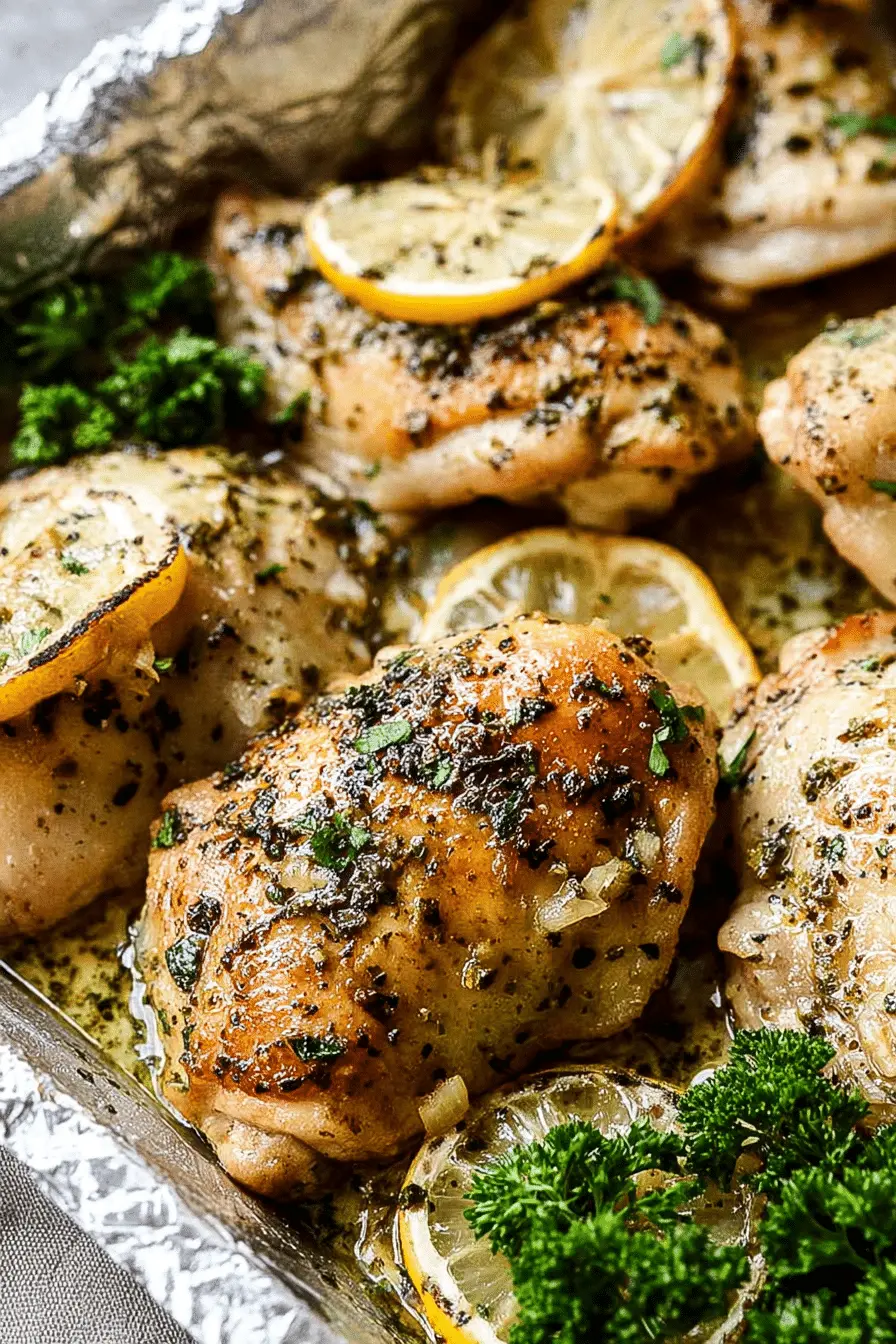
I made this garlic lemon chicken on a rainy Tuesday when I needed something bright and forgiving on the stove and the oven. Within minutes my kitchen smelled like toasted garlic and citrus — that first waft tells you this will be a winner. The acid from lemon cuts through the richness of the chicken and buttered potatoes, and garlic gives it a savory backbone. It’s the kind of dish I turn to for both weeknight dinners and when friends pop over; it’s simple, but it reads like effort on the table. I first played with this combination years ago — lemon and garlic are a classic pairing for a reason. I usually toss thighs in the marinade for a quick 20-minute soak and bake everything together on one sheet pan: chicken, baby Dutch potatoes, and broccoli. The results are reliably juicy chicken, potatoes that soak up lemon-garlic juices, and broccoli that finishes crisp-tender. Below you’ll find the exact recipe I used, plus the tips I learned from making it dozens of times.Ingredients Needed
- Boneless skinless chicken thighs (1 ½–2 pounds) – the recipe uses thighs for juiciness; they tolerate the oven’s heat and citrus better than lean breasts. You can swap breasts, but watch the timing.
- Baby Dutch potatoes (about 1 pound) – quartered or halved if tiny; they roast with the chicken and soak up the marinade. Yukon golds also work.
- Broccoli florets (about 3 cups) – add toward the end of roasting so they stay crisp-tender rather than mushy.
- Olive oil (about 1/3 cup) – a drizzle provides fat for the marinade and helps with browning.
- Fresh garlic (3 cloves, minced) – fresh is far superior to jarred in aroma and flavor; it gives that warm, slightly sweet garlic note when cooked.
- Fresh lemon juice (3 tablespoons) and lemon zest (2 teaspoons) – acid for brightness and a bit of zest for aromatic oil that lifts the whole dish.
- Dijon mustard (1 tablespoon) – emulsifies the marinade, giving it body and a gentle tang that carries through the dish.
- Salt & pepper and dried herbs/spices – the recipe calls for salt, pepper, dried basil, oregano, onion powder, paprika, ground cumin, dried thyme, and a pinch of sugar; each plays a role in balance (don’t skip salt).
- Greek yogurt or sour cream (for sauce, about 1 cup) – the base for a cooling Yogurt Parmesan Herb Sauce that offsets the lemon’s brightness.
- Parmesan (¼ cup finely grated) – adds umami and creaminess to the sauce.
- Fresh herbs (parsley, chives, dill – small amounts) – parsley is the main garnish and mixes into the sauce; chives or dill are optional but lovely.
- Optional: 1 tablespoon extra lemon juice for the sauce – to bump the brightness if desired.
Step-by-Step Instructions
- Preheat the oven to 400°F. I always wait until the oven fully comes to temperature — feel free to give it a full 10 minutes after the indicator clicks. A fully hot oven ensures the potatoes get a head start and the chicken finishes in the same window.
- Make the Lemon Garlic Marinade. In a large sealable bag combine the olive oil, minced garlic, lemon juice, lemon zest, Dijon, salt, pepper, dried herbs (basil, oregano), onion powder, paprika, ground cumin, dried thyme and a pinch of sugar. Remove 2 tablespoons of this marinade to reserve for the vegetables — label it or put it in a small bowl (important: the reserved marinade must not touch raw chicken).
- Marinate the chicken. Add the chicken thighs to the bag, seal, and turn to coat. Let them sit at room temperature for 20 minutes while you prep the potatoes or up to 4 hours in the fridge. Tip: 20 minutes is the sweet spot for a weeknight — it brightens flavor without starting to "cook" the surface from the citrus. If you marinate longer than 4 hours, the acid can make the texture slightly mealy.
- Prepare the sheet pan and potatoes. Line a 15x21-inch rimmed sheet pan with foil and spray the foil with cooking spray for easy cleanup. Toss the quartered potatoes with 1 tablespoon of the reserved (never-chicken-touched) marinade and 1/4 teaspoon salt. Spread them in an even layer and roast for 15 minutes at 400°F. The potatoes should start to soften and get a little golden at the edges after this first round.
- Add broccoli and chicken to the pan. After the potatoes have baked 15 minutes, remove the pan. Push potatoes to one side. Toss broccoli florets with 1 tablespoon of the reserved marinade (this gives them a hit of garlic and lemon without being soggy) and lay them beside the potatoes in a single layer. Arrange the marinated chicken in a single layer on the pan as well.
- Bake until cooked through. Return the pan to the oven and bake uncovered at 400°F for another 17–22 minutes, or until thighs reach 170–175°F (use an instant-read thermometer) and chicken cutlets reach 165°F. Watch the broccoli in the last 5 minutes — if it looks like it’s browning too fast, tent with foil. The final 17–22 minutes depends on the thickness of your pieces and whether you used thighs or breasts; thicker pieces need the upper end of the window.
- Make the Yogurt Parmesan Herb Sauce while the chicken bakes. Whisk together 1 cup Greek yogurt (or sour cream), 1/4 cup finely grated Parmesan, 1/4 cup chopped parsley, 1 tablespoon lemon juice, 1 tablespoon chopped chives (optional), 1 tablespoon minced dill (optional), and a small pinch of salt and pepper. Taste and adjust — if it feels flat, add a touch more salt or a squeeze of lemon. Chill until ready to serve.
- Rest, then serve. Rest the chicken for 5 minutes off the heat — it will finish carrying the juices and stay juicier if you don’t slice immediately. Serve with roasted potatoes and broccoli, a spoonful of the yogurt-Parmesan sauce, and a scattering of chopped parsley and lemon wedges.
Marinating Techniques
I use two go-to approaches depending on time: the quick 20-minute room-temperature marinate and an up-to-4-hour refrigerated marinate. Here’s how each affects the chicken and why I choose one over the other.- 20-minute quick marinate: Perfect for weeknights. The lemon and garlic penetrate the surface fast enough to give obvious flavor without changing the texture. I often set the bag on the counter while I prep potatoes so nothing’s wasted.
- Up to 4 hours refrigerated: Gives deeper flavor throughout thicker pieces. Keep it under 4 hours with citrus-heavy marinades — beyond that, the acid starts to denature proteins and the surface can become oddly firm.
- Overnight (not recommended with heavy citrus): If you want overnight depth, reduce the lemon juice by half and add another fat (like a spoon of mayo or additional oil). This slows the acid’s "cooking" effect while still allowing flavors to develop.
Serving Suggestions
This garlic lemon chicken is flexible — it can be the star of a simple midweek plate or part of a dinner-party spread. The yogurt-Parmesan herb sauce I serve with it makes each bite lively and creamy. Here are a few of my favorite ways to present and pair it.- Simple weeknight plate: One or two thighs with a scoop of roasted potatoes, a handful of broccoli, a dollop of yogurt sauce, and a lemon wedge. Quick and balanced.
- Over grains: Serve slices over rice pilaf, orzo, or quinoa to soak up the juices. For comfort food, spoon the juices and a little sauce over a bed of mashed potatoes.
- Light option: Skip the potatoes and pile the chicken on a big green salad with shaved fennel and cucumber for a bright lunch or dinner.
- Party platter: Slice the chicken and arrange on a platter with lemon slices, extra yogurt sauce in a bowl, and bowls of olives and roasted peppers for a Mediterranean vibe.
- Wine pairing: A crisp Sauvignon Blanc or a dry Riesling complements the lemon and garlic. If you prefer red, a light, low-tannin Pinot Noir won’t overpower the dish.
Nutritional Benefits of Ingredients
Garlic and lemon are both more than flavorings — they bring nutrients too. Garlic has compounds associated with immune support and has been linked to modest cardiovascular benefits. Lemon provides vitamin C and antioxidants that brighten the flavor and help your body absorb certain nutrients. Chicken is a lean source of protein when you remove the skin, and thighs offer a slightly higher fat content that keeps them forgiving (less likely to dry out). Greek yogurt adds protein and probiotics to the sauce and gives a creamy counterpoint that’s lower in fat than a cream-based sauce. If you’re watching carbs, skip the potatoes and serve the chicken with extra vegetables or cauliflower rice. To lower sodium, reduce the added salt and increase fresh herbs and lemon zest to boost flavor without sodium.User Reviews and Tips
Readers often write in with small adjustments that worked for them; I keep a running list and share the most helpful here.- Sara from Ohio: "I swapped Greek yogurt for sour cream in the sauce because that’s what I had — still fantastic. I also added a teaspoon of smoked paprika for a subtle smokiness." Tip: smoked paprika plays nicely with cumin and adds color.
- Mark, a busy dad: "I double the marinade and reserve extra to drizzle on the potatoes after they come out of the oven. My kids gobble it up." Tip: reserve some clean marinade for finishing, but never use the marinade that touched raw chicken unless you cook it first.
- Amanda, gluten-free home cook: "Checked my mustard label and it was fine — turned out great and kid-approved." Tip: always check labels if you’re sensitive; most Dijon is gluten-free, but blends can vary.
FAQ
Can I use boneless skinless chicken breasts instead of thighs? Yes. You can swap thighs for boneless skinless chicken breasts—just adjust cooking time. Breasts should reach 165°F; grill or skillet-cook about 5–8 minutes per side depending on thickness, or bake at 400°F for ~20–25 minutes. Pound thicker breasts to even thickness to ensure even cooking and avoid drying out. How long should I marinate the chicken? The recipe calls for a quick 20-minute room-temperature marinate (great for weeknights) or up to 4 hours refrigerated. Avoid much longer with citrus-heavy marinades, as the acid can begin to firm or 'cook' the surface of the meat. Can I grill or cook the chicken in a skillet instead of baking with the veggies? Absolutely. Grill or sear in a hot skillet over medium-high heat for best browning, then finish as needed until the internal temp is reached (165°F for breasts, 170–175°F for thighs). If using a skillet for thick pieces, you can finish them in a 400°F oven for a few minutes. How can I make this recipe gluten-free or low-carb? To make it gluten-free, verify mustard and any packaged seasonings are labeled gluten-free (most are). For low-carb, omit the potatoes and serve the chicken with cauliflower rice, roasted radishes, or extra broccoli. Skip the small amount of sugar in the marinade if desired. How should I store and reheat leftovers? Store in an airtight container in the fridge for 3–4 days or freeze for up to 2–3 months. Reheat gently in a 325–350°F oven until warmed through (about 10–20 minutes depending on portion), or reheat slices in a skillet over medium-low to keep them juicy. Thaw frozen portions overnight in the fridge before reheating.Conclusion
This garlic lemon chicken is one of those dependable recipes I make again and again — it’s quick to prep, forgiving in the oven, and full of bright, layered flavor. The combination of garlic, lemon, and a hint of herbs is familiar and crowd-pleasing, and the yogurt-Parmesan sauce brings everything together with a creamy tang. Try it for a busy weeknight or scale up for company; either way you’ll end up with juicy chicken and minimal cleanup. If you give it a try, tell me what tweaks you made — I love hearing how readers adapt it to their kitchens.Recipe Card
Garlic Lemon Chicken: A Quick Weeknight Delight
- Prep
- 20 min
- Cook
- 35 min
- Total
- 55 min
- Serves
- 6
- Calories
- 400 kcal
Ingredients
- 1.5-2 poundsboneless skinless chicken thighs
- 1 poundbaby Dutch potatoes, quartered
- 3 cupsbroccoli florets
- 1/3 cupolive oil
- 3 clovesgarlic, minced
- 3 tablespoonsfreshly squeezed lemon juice
- 2 teaspoonslemon zest
- 1 tablespoonDijon mustard
- 1 teaspoonsalt
- 1 teaspoonpepper
- 1 teaspoondried basil
- 1 teaspoondried oregano
- 1 teaspoononion powder
- 1/2 teaspoonpaprika
- 1/2 teaspoonground cumin
- 1/2 teaspoondried thyme
- 1/2 teaspoonsugar
- 1 cupGreek yogurt or sour cream
- 1/4 cupfinely grated Parmesan
- 1/4 cupchopped parsley
- 1 tablespoonlemon juice
- 1 tablespoonchopped chives (optional)
- 1 tablespoonminced dill (optional)
- 1/4 teaspoonsalt
- 1/8 teaspoonpepper
Instructions
- 1
Preheat oven to 400 degrees F.
- 2
Combine the Lemon Garlic Marinade ingredients in a freezer size sealable bag. Remove 2 tablespoons to use later for the veggies. Add the chicken to the bag, seal, and turn to coat. Let the chicken marinate at room temperature for 20 minutes.
- 3
Line a large sheet pan with sides (15x21-inches) with foil and spray with cooking spray.
- 4
Add the potatoes, 1 tablespoon reserved marinade and ¼ teaspoon salt. Toss and spread into an even layer. Bake potatoes for 15 minutes.
- 5
After 15 minutes, push the potatoes to one side. Add the broccoli and toss with 1 tablespoon of the reserved marinade. Add the chicken in a single layer.
- 6
Bake uncovered at 400 degrees for 17-22 minutes or until chicken is cooked through.
- 7
Whip up the Yogurt Parmesan Herb Sauce by whisking all ingredients together. Refrigerate until ready to serve.
You might also like
Reviews
Be the first to review this.