- Prep
- 15 min
- Cook
- 420 min
- Total
- 465 min
- Serves
- 3
- Calories
- 51 kcal
- Carbs
- 14.00 g
Introduction
I make apple butter every fall in my kitchen the way my grandmother used to — slowly, patiently, and without adding refined sugar. There’s something about the long, low simmer that pulls out the apples’ hidden sweetness and fills the house with a warm, cinnamon-scented hug. I love that this version focuses on simple fruit and spices, so it feels like a wholesome treat rather than a sugary condiment. In my kitchen I often use a mix of apples so the flavor is balanced — sweet notes from one variety, a touch of tartness from another. Over the years I’ve learned which apples break down fastest, how long to reduce on low, and how to coax natural caramelization without any extra sweeteners. These little observations make the difference between a good batch and the kind you want to scoop by the spoonful. I’ll share practical steps, ingredient notes, and my favorite small tricks so you can make a silky, naturally sweet apple butter that’s perfect for breakfast toast, stirring into oatmeal, or giving away in pretty jars for neighbors and teachers.Why this healthy apple butter belongs in your fall kitchen
Apple butter concentrates everything you love about fall into one spreadable jar: the scent of cinnamon, the warmth of cloves and nutmeg, and that deep, fruit-forward sweetness that comes from slow cooking. Because this recipe uses only apples and a few spices (no added sugar), it makes a lighter, more ingredient-forward version of the classic—great for mornings when you want comfort without excess sweetness. Seasonal apples are at their best in autumn, and buying locally when they’re plentiful not only supports growers but gives you fresher flavor. Picture your kitchen as the apples soften and the aroma slowly builds — the scent alone makes it worth the few hours of gentle attention. For me, apple butter is also practical fall cooking: it’s an easy way to preserve the season’s bounty, a thoughtful gift, and a pantry staple that transforms simple dishes into something special.Everything You Need for Healthy Apple Butter
Below I list the ingredients and tools in plain language so you know what each one does and what you can use instead. I kept this conversational so you can gather everything without fuss.- Apples – The star of the show; use sweet varieties for natural sweetness and mix in a tart apple if you like brightness.
- Apple cider vinegar (or water) – A splash helps balance the sweetness and encourages deep flavor development during cooking; water works in a pinch.
- Cinnamon – Warms and rounds the flavor; use ground or a cinnamon stick steeped in the pot.
- Vanilla – Adds depth and a soft background sweetness; a little goes a long way.
- Cloves & nutmeg – Use sparingly for a cozy spice profile; they’re potent so adjust to taste.
- Sea salt – Highlights the apples’ natural flavors and balances sweetness.
- Slow cooker or heavy pot – Slow, even heat is key; a slow cooker makes the process hands-off, while a heavy pot on the stove lets you watch the reduction more closely.
- Immersion blender or high-speed blender – For a silky-smooth finish; an immersion blender keeps everything in the pot and reduces hot transfers.
- Jars or airtight containers – For storing and gifting; choose heat-safe containers if you prefer to warm-jars before filling.
The Secret to the Perfect Texture: Slow Reduction & Choice of Apples
Texture comes from two things: the apples you choose and the patience you give them. Slow cooking breaks down pectin and concentrates sugars, transforming diced apples into a glossy, spoonable butter. I’ve learned that softer, sweeter apples will collapse and reduce faster, producing a smoother base; firmer, tarter apples add structure and bright notes. Scientifically speaking, long, low heat allows Maillard-style reactions and gentle caramelization that push flavor into the savory-sweet range without added sugar. Visually you’ll notice the mixture darken and thicken — that’s when the aroma goes from bright apple to deep, warm, cozy. Pureeing is the last step to silk. Use an immersion blender right in the pot for minimal cleanup; if you transfer to a blender, work in batches and be careful with hot splatters. The goal is a uniform spreadable texture with no chunks unless you prefer a slightly rustic mouthfeel.Spice Variations for Different Diets — Keto, Paleo & Kid-Friendly
- Classic warming blend – Cinnamon with a hint of cloves and nutmeg for a traditional profile that pairs well with everything.
- Keto-friendly – Keep the spice mix the same and rely on very sweet apple varieties or a favorite keto-friendly sweetener if you must; stevia or monk fruit can be used sparingly, but I prefer maximizing apple sweetness first.
- Paleo approach – Use whole spices and vanilla; skip any processed sweeteners and trust slower reduction for natural caramelization.
- Kid-friendly version – Tone down cloves and nutmeg (they can be intense) and stick primarily to cinnamon and vanilla for a milder, universally appealing flavor.
- Adventurous twists – Add a pinch of cardamom for floral notes, or a dash of ginger for warmth; these keep the spread interesting without adding sugar.
Sustainability Tip: What to Do with Apple Scraps
When I prep apples I try to use every part. Cores and peels are perfect for homemade vinegar or a gently flavored broth, and they compost beautifully if you garden. Saving scraps reduces waste and extends the harvest’s usefulness beyond the jar.- Compost cores and peels to return nutrients to your garden soil.
- Make apple scrap vinegar by steeping peels and cores in water with a little sugar for several weeks — you’ll end up with a bright, multipurpose vinegar.
- Simmer peels with onion and herbs for a savory apple-infused broth; this is a great base for fall soups and stews and pairs well with dishes like caramelized onion apple cider soup.
Pro Tip for healthy apple butter: Max natural sweetness without sugar
- I let the apples cook slowly and resist the urge to rush the reduction; longer, low heat brings out caramelized notes that mimic added sugar.
- I often leave the skins on for added flavor and nutrients — they contribute tannins that deepen the taste and help the texture.
- Adjust sweetness by tasting mid-cook: if your apples are more tart, give them extra time to reduce or blend in a sweeter variety rather than adding sugar.
- Finishing with a tiny pinch of salt makes the fruitiness pop, so you need less sweetness overall.
How to Make Healthy Apple Butter (Step-by-Step)
This is my hands-on process—simple, with safety notes. If you prefer an even easier route, try a slow-cooker alternative I like: slow cooker apple butter.- Core and slice the apples; no need to peel unless you prefer a very smooth finish — peels add flavor and color.
- Place the apples in a slow cooker or heavy pot, add a splash of apple cider vinegar or water, and stir in your spices and a pinch of salt.
- Cook on low for several hours until the apples are very soft and the liquid has reduced; the mixture will darken and smell richly spiced as it concentrates.
- Turn off the heat and puree the apples — use an immersion blender in the pot for safety, or carefully transfer to a blender in small batches. Be cautious of steam and hot splatter.
- Return the puree to the pot or slow cooker, then cook uncovered on high for one to two hours to further reduce and thicken, stirring occasionally to prevent sticking and encourage even caramelization.
- Once the apple butter reaches the consistency you prefer, turn off the heat and let it cool slightly before transferring to jars or containers.
- Cool completely at room temperature, then refrigerate. If you’re canning for longer shelf life, follow safe water-bath canning procedures for preserves.
How to Store, Freeze, and Gift Your Apple Butter
Storing apple butter is straightforward if you follow a few simple practices to keep flavor and safety top-notch.- Refrigerate in airtight jars or containers; cooled apple butter will keep for a few weeks when chilled.
- Freeze portions in labeled freezer-safe containers or bags for up to a year—leave headspace for expansion and thaw in the fridge or gently at room temperature.
- For gifting, fill small jars while the butter is warm, wipe rims clean, and seal; add a handwritten label and a ribbon for a homey touch.
- If you plan to give jars that will sit at room temperature, use tested canning methods to ensure a safe shelf-stable product.
Easy Ways to Use Apple Butter — Breakfasts, Snacks & Baking
Apple butter is one of those small luxuries that transforms ordinary dishes: spread it on toast, swirl it into your morning oats, or fold it into muffin batter for tender, spiced baked goods. For a delicious breakfast option, you can top your apple butter with our apple pie baked oatmeal. It also plays well in savory applications — a spoonful on roasted pork, a smear on a cheese board, or baked into quick breads adds dimension. If you’re planning a fall dessert spread, pair jars with richer sweets like pumpkin cheesecake for seasonally inspired contrasts. Serve warm on toasted bread, stirred into yogurt, or used as a natural sweetener in recipes that call for jam or applesauce.Frequently Asked Questions
Can I use different types of apples for this apple butter? Absolutely! While sweet varieties like Gala or Honeycrisp work best, feel free to experiment with other apples based on your preference for sweetness and tartness. How long does apple butter last in the fridge? Your healthy apple butter can be stored in the fridge for up to 3 weeks. Just make sure to use airtight containers! Can I make this recipe vegan-friendly? Yes! This recipe is naturally vegan since it doesn’t include any animal products. Enjoy it guilt-free! What’s the best way to use apple butter? Apple butter is versatile! Use it as a spread on toast, stir it into oatmeal, or use it in baking for added flavor. Can I freeze apple butter? Definitely! Apple butter freezes well for up to a year. Just ensure you store it in airtight containers or freezer bags.Recipe Card
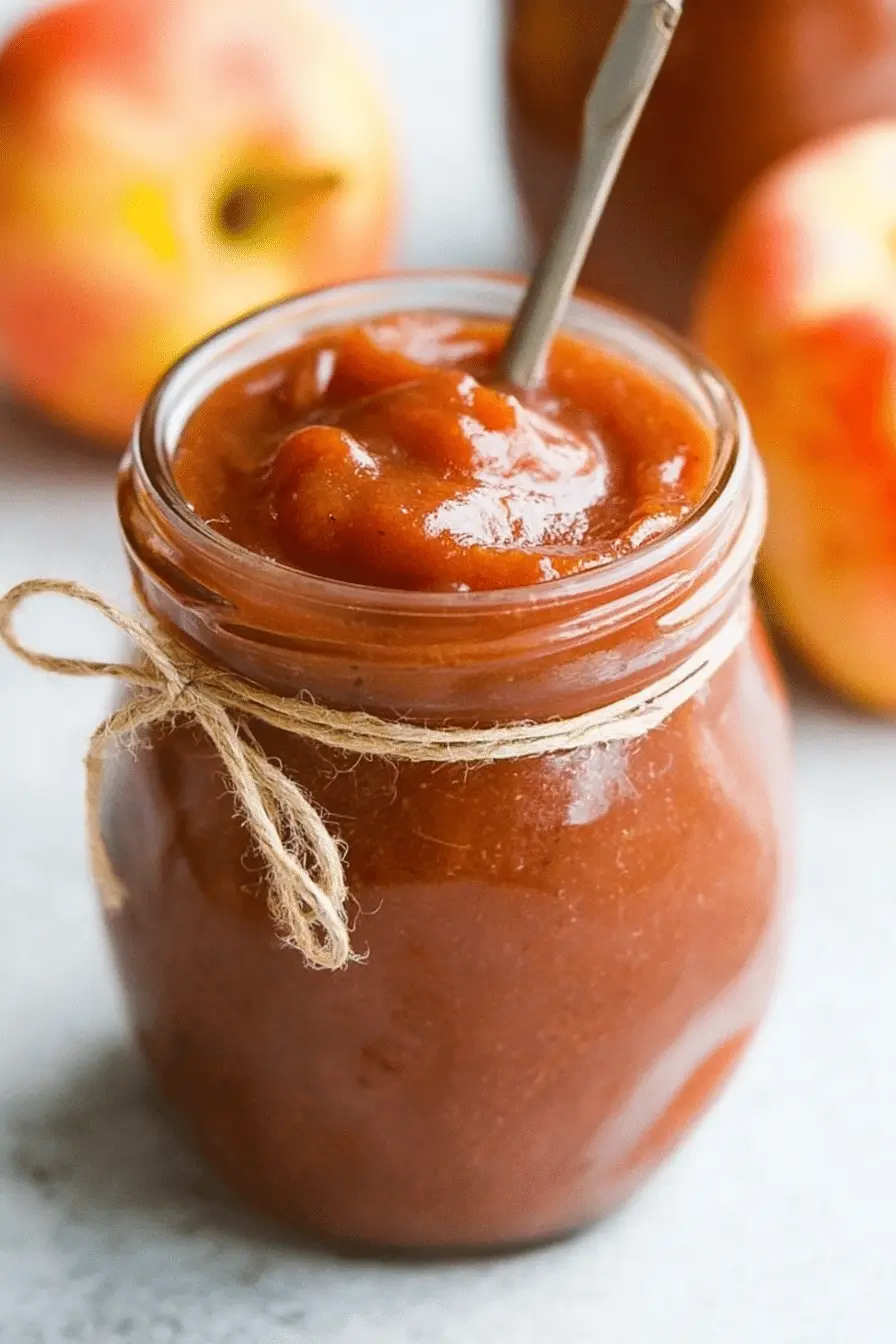
The Healthy Apple Butter I Make Every Fall — Slow Cooker & No Added Sugar
- Prep
- 15 min
- Cook
- 420 min
- Total
- 465 min
- Serves
- 3
- Calories
- 51 kcal
- Carbs
- 14.00 g
Ingredients
- 6 mediumapples (choose a sweet variety like Gala or Honeycrisp)
- 1/4 cupapple cider vinegar (or water)
- 1/2 Tablespoonground cinnamon
- 1/2 teaspoonvanilla
- 1/8 teaspoonground cloves
- 1/8 teaspoonground nutmeg
- 1 pinchsea salt
Instructions
- 1
Place cored and sliced apples (not peeled) into a large slow cooker or crock-pot.
- 2
Add apple cider vinegar (or water) and spices. Stir all ingredients together, cover, and let it cook for 5-6 hours on low.
- 3
Once the apples are very soft, turn the slow cooker off and use an immersion blender to puree the apples until smooth.
- 4
Turn the slow cooker on high and heat the apple butter for 1-2 hours uncovered to help it thicken and caramelize.
- 5
Cool for 30 minutes before transferring into airtight containers for storage.
- 6
The apple butter will keep in the fridge for up to 3 weeks or in the freezer for up to a year.
You might also like
Reviews
Be the first to review this.