- Prep
- 20 min
- Cook
- 30 min
- Total
- 50 min
- Serves
- 16
- Calories
- 250 kcal
Introduction
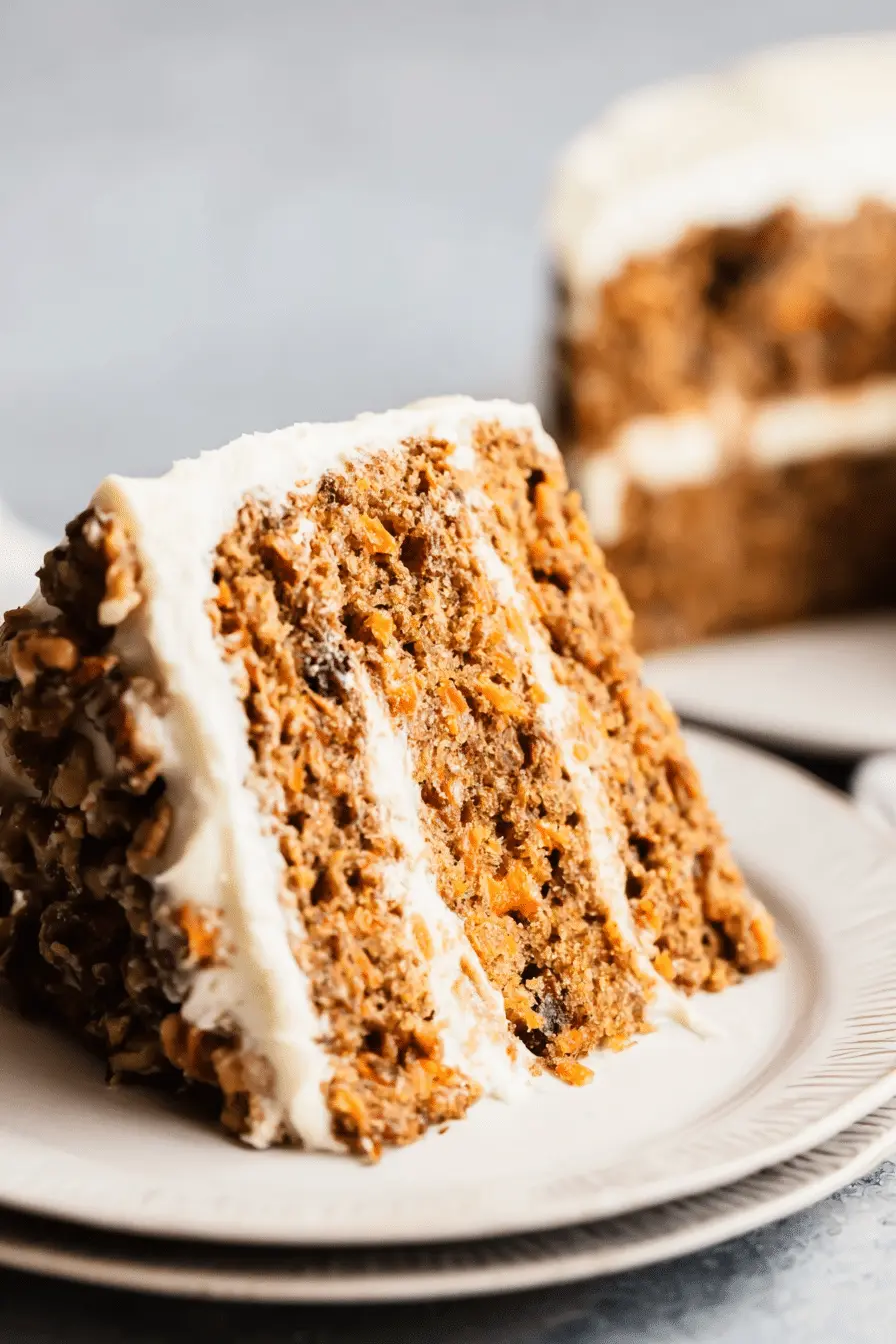
I’ve been making variations of carrot cake for years, trying to keep the warm, comforting flavor while swapping out refined flours and sugars. In my kitchen I tested almond and coconut flours side-by-side, adjusted fats and natural sweeteners, and tracked which tweaks kept the cake moist without compromising texture. The result is a cake that feels indulgent but aligns with a health-conscious approach. When the cake bakes, the kitchen fills with the scent of cinnamon and nutmeg and the bright orange of freshly shredded carrots gives a cheerful pop through the batter. I love that you can smell the spices before you even open the oven — it’s a comforting cue that something good is coming. I kept the sweetening simple with pure maple syrup, and I use ingredients like tahini and coconut oil to keep the crumb tender and moist. This cake is built to be forgiving: it holds up well to add-ins like pecans, raisins, or coconut, and it’s naturally gluten-free, which makes it an easy choice for gatherings where folks are eating with dietary restrictions.Why This Healthy Carrot Cake Is Ideal for Health-Conscious Bakers
This version leans on whole-food ingredients that provide more nutrition than a traditional cake without sacrificing the familiar carrot-cake profile. Here’s what makes it a smart swap for the health-focused baker:- Almond and coconut flours as gluten-free options – Almond flour brings a tender, slightly nutty crumb while coconut flour adds absorbency and structure without gluten.
- Coconut and pecans are nutritious additions – Shredded coconut gives texture and healthy fats; pecans provide heart-healthy oils and a pleasant crunch.
- Maple syrup as a natural sweetener – It’s less processed than refined white sugar and adds depth of flavor that pairs well with warm spices.
Everything You Need for The Best Healthy Carrot Cake
Gather good-quality ingredients and a few reliable tools. Sourcing and small choices matter for the final texture and flavor.- Almond flour – Provides the cake’s base and tender crumb; look for superfine blanched almond flour for the best texture.
- Coconut flour – Adds structure and fiber; it’s very absorbent so it’s used alongside almond flour rather than on its own.
- Shredded coconut – For texture and a subtle coconut aroma.
- Baking soda – Your leavening agent to help the cake rise.
- Cinnamon & nutmeg – Warm spices that define carrot cake.
- Salt – Balances sweetness and enhances flavors.
- Eggs – Bind and provide structure; bring them to room temperature before using.
- Pure maple syrup – Natural sweetener that pairs beautifully with carrot and spice.
- Tahini or almond butter – Adds moisture and a subtle savory note; tahini brings a smoother, more mellow flavor.
- Almond milk – Light liquid to loosen the batter without dairy.
- Vanilla extract – Rounds and lifts other flavors.
- Coconut oil – Keeps the cake tender and helps with mouthfeel when it’s melted and cooled to near room temp.
- Shredded carrots – Freshly grated on a medium grate for the best texture and moist crumb.
- Optional mix-ins – Raisins, chopped pecans or walnuts add texture and contrast.
- Butter or vegan buttery stick & cream cheese or dairy-free cream cheese – For a classic cream cheese frosting that can be made dairy-free.
- Powdered sugar (or a powdered sugar substitute) – To sweeten and stabilize the frosting.
- Tools – You’ll want round cake pans, parchment rounds, a box grater or food processor for the carrots, a spatula, and an electric mixer for the frosting.
The Secret to a Moist, Gluten-Free Texture
Gluten-free cakes rely on ingredient balance and technique to stay tender. These are the practical reasons this cake holds moisture and avoids dryness:- Coconut oil and tahini hold moisture – Their fats coat flour particles and keep the crumb soft; tahini also adds a subtle savory depth that balances sweetness.
- Almond + coconut flour interaction – Almond flour contributes fat and structure, while coconut flour soaks up liquid and prevents the cake from collapsing. Using them together mimics the behavior of wheat flour without gluten.
- Avoid overmixing – Stir until ingredients are just combined; overworking the batter can make the crumb dense.
- Freshly grated carrots – They release moisture as they bake and keep the cake tender; grate them rather than using pre-shredded carrots for best texture.
Boosting Protein & Making the Frosting Dairy-Free
To make the cake more satiating or to meet specific dietary goals, you can add protein thoughtfully so the texture and flavor remain balanced.- Protein powder options – Neutral-flavored plant proteins (pea, rice, or a blend) or collagen work well; add a scoop to the dry mix and compensate with a touch more liquid so the batter isn’t too dry.
- High-protein flour alternatives – Finely ground seed flours (like sunflower seed flour) or a small portion of chickpea flour can increase protein; use small substitutions to avoid altering flavor dramatically.
- Dairy-free frosting tips – Use a full-fat vegan cream cheese or a chilled coconut cream base blended with a little powdered sugar and vegan butter. Chill the frosting briefly to firm it so it pipes and spreads smoothly.
- Achieving creamy texture – Start with room-temperature dairy-free butter and cream cheese alternatives and beat them until light before adding powdered sugar; a splash of plant milk helps reach spreadable consistency.
How to Make The Best Healthy Carrot Cake (Step-by-Step)
- Preheat the oven so it’s fully up to temperature; line the bottoms of your pans with parchment rounds and grease the sides to prevent sticking.
- Whisk together the almond flour, coconut flour, shredded coconut, baking soda, cinnamon, nutmeg, and salt in a large bowl so the leavening and spices are evenly distributed.
- In a separate bowl, whisk the room-temperature eggs, maple syrup, tahini (or almond butter), almond milk, and vanilla until smooth.
- Slowly whisk in the melted-but-cooled coconut oil so it incorporates without cooking the eggs; then fold in the grated carrots and any mix-ins like raisins or nuts.
- Fold the dry ingredients into the wet with a wooden spoon until combined; stop as soon as there are no large pockets of flour to avoid overmixing.
- Divide the batter evenly between prepared pans and smooth the tops with a spatula; bake until a tester comes out clean or with a few moist crumbs attached (times will vary by pan size).
- Allow cakes to cool completely in the pans, then turn them out and let them reach room temperature before frosting — frosting a warm cake will melt the frosting.
- For frosting, beat softened butter (or vegan butter) with cream cheese (or dairy-free cream cheese) until light and fluffy; add powdered sugar, vanilla, and a splash of almond milk and beat until creamy.
- Assemble by placing a small amount of frosting on your serving plate to anchor the first layer; spread frosting between layers and over the top and sides, then decorate with extra pecans and shredded coconut.
- If the cake is crumbly, I usually check that I measured the flours correctly and that there wasn’t too much dry mix relative to the wet — coconut flour is highly absorbent.
- If pockets of oil appear on top after baking, I let the cake sit and blot gently; this often means the oil was a bit too warm when mixed in.
- If the center sinks, I make sure the baking soda was fresh and that I didn’t open the oven while it was rising; also, room-temperature ingredients help create an even rise.
Pro Tip for Healthy Carrot Cake: Why Room-Temp Eggs & Cool Oil Matter
- Room-temperature eggs emulsify better – I always bring eggs to room temp because they mix more easily with other wet ingredients, creating a smoother, more uniform batter which supports lift and even texture.
- Cool, melted oil avoids cooking the eggs – If oil is too hot it can curdle the eggs and create an uneven batter; letting melted oil cool to near room temp before adding keeps the batter cohesive.
- Effect on rise and consistency – These two steps together help the batter trap air evenly so the cake bakes up with a tender crumb rather than a dense, greasy texture.
- For a playful reuse of leftovers, try making carrot cake truffles using the same cake crumbs and frosting principles: carrot cake truffles.
Easy Variations: Vegan, Keto, Mini Cakes & Add-In Ideas
Adapt this recipe to meet different dietary needs without losing the essence of carrot cake.- Vegan – Use flax or chia eggs and swap dairy cream cheese for a vegan variety; tahini or almond butter remains a great binder and flavor contributor.
- Keto / Low-carb – Replace maple syrup with a low-carb liquid sweetener of your choice and reduce fruit mix-ins; increase almond flour proportionally for a denser, lower-carb crumb.
- Mini cakes or cupcakes – Bake in a smaller pan or muffin tins and reduce bake time; they’re great for portion control and make assembling easier for gatherings.
- Add-in ideas – Crushed pineapple for brightness (drained), cardamom for a warm floral twist, or a pinch of ginger for sparkle.
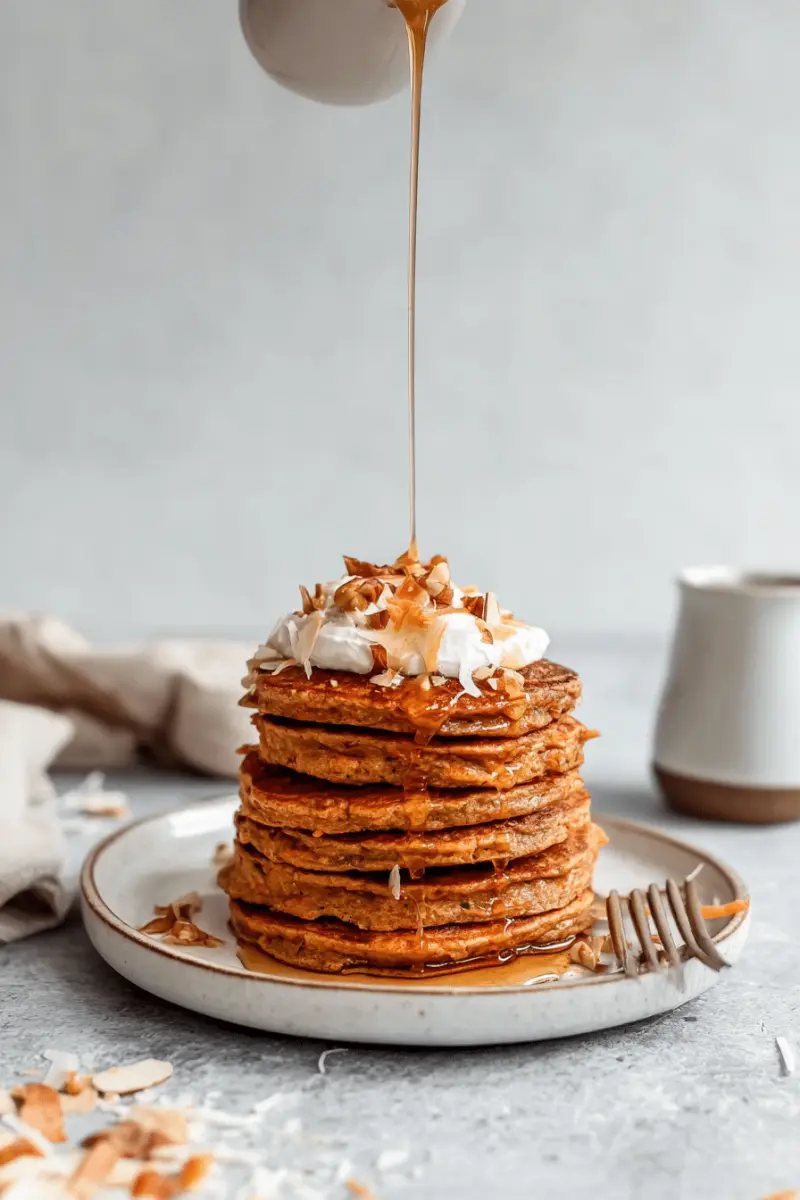
- For a breakfast-friendly twist, you can use the same flavors in pancakes — try these healthy carrot cake pancakes as a morning option: healthy carrot cake pancakes.
How to Store, Make-Ahead & Reheat Slices
Practical strategies help this cake stay moist and delicious for days.- Storage – Keep the cake covered and refrigerated; it will stay fresh for several days when wrapped or stored in an airtight container.
- Make-ahead – You can bake the layers a day ahead and keep them wrapped in the fridge; assemble and frost on the day you plan to serve so the frosting looks its best.
- Freezing – Individual slices or unfrosted layers freeze well; thaw in the fridge overnight and bring to room temp before serving.
- Reheating slices – Warm a slice gently in the oven or microwave just until slightly warmed through to revive moisture; avoid overheating which dries the crumb.
- If you serve cake as part of a balanced meal, leftover slices pair nicely with a crisp carrot and arugula salad: carrot and arugula salad.
Frequently Asked Questions
Can I make this carrot cake vegan? Yes! You can substitute the eggs with flax eggs or applesauce and use dairy-free cream cheese for frosting to make it vegan. How should I store the leftover carrot cake? Store the carrot cake in the fridge, covered, and it will stay fresh for about 5-7 days. Can I use a different sweetener instead of maple syrup? Absolutely! You can use honey or agave syrup as alternatives, but note that they may slightly alter the flavor. What can I use instead of almond flour? You can use sunflower seed flour or an all-purpose gluten-free flour blend if you need a nut-free option. Is this carrot cake gluten-free? Yes! This recipe uses almond flour and coconut flour, making it a delicious gluten-free option.Recipe Card
The Best Healthy Carrot Cake You'll Ever Eat — Gluten-Free & Paleo
- Prep
- 20 min
- Cook
- 30 min
- Total
- 50 min
- Serves
- 16
- Calories
- 250 kcal
Ingredients
- 2 cupsAlmond Flour (packed super fine blanched (Bob's Red Mill))
- ½ cupCoconut Flour (do not pack)
- ½ cupUnsweetened Shredded Coconut ((Bob's Red Mill))
- 1 teaspoonBaking Soda
- 1 tablespoonGround Cinnamon
- ¼ teaspoonGround Nutmeg
- ½ teaspoonSalt
- 4 piecesLarge Eggs (at room temperature)
- ¾ cupPure Maple Syrup
- ⅓ cupTahini (or sub almond butter)
- ¼ cupUnsweetened Almond Milk
- 1 teaspoonVanilla Extract
- ⅓ cupMelted Coconut Oil (melted and cooled)
- 3 cupsShredded Carrots ((medium grate))
- ½ cupRaisins (optional mix-in)
- ½ cupChopped Pecans or Walnuts (optional mix-in)
- ½ cupSalted Butter (at room temperature (or sub vegan buttery stick))
- 8 ouncesCream Cheese (at room temperature (or sub dairy free cream cheese))
- 3 cupsPowdered Sugar
- 2 teaspoonsVanilla Extract
- 1 tablespoonAlmond Milk (any milk will work)
- —Pecans and Shredded Coconut (for decoration)
Instructions
- 1
Preheat oven to 350°F. Line three 6-inch or two 8-inch round cake pans with parchment paper and spray with nonstick cooking spray.
- 2
In a large bowl, whisk the almond flour, coconut flour, shredded coconut, baking soda, cinnamon, nutmeg, and salt together. Set aside.
- 3
In another large bowl, whisk together the eggs, maple syrup, tahini, almond milk, and vanilla extract until smooth.
- 4
Slowly whisk in melted coconut oil, then stir in the shredded carrots.
- 5
Add dry ingredients to wet ingredients and mix until well combined. Stir in raisins and nuts if using.
- 6
Divide batter between pans and bake for 22-32 minutes for 8-inch pans and 30-40 minutes for 6-inch pans until a tester comes out clean.
- 7
Allow cake to cool completely before frosting.
- 8
For the frosting, whip softened butter and cream cheese until light and fluffy. Add powdered sugar, vanilla extract, and milk, beating until well combined.
- 9
Frost cake with layers and top with remaining frosting. Decorate with pecans and shredded coconut.
- 10
Refrigerate the cake to keep it fresh for 5-7 days.
You might also like
Reviews
Be the first to review this.