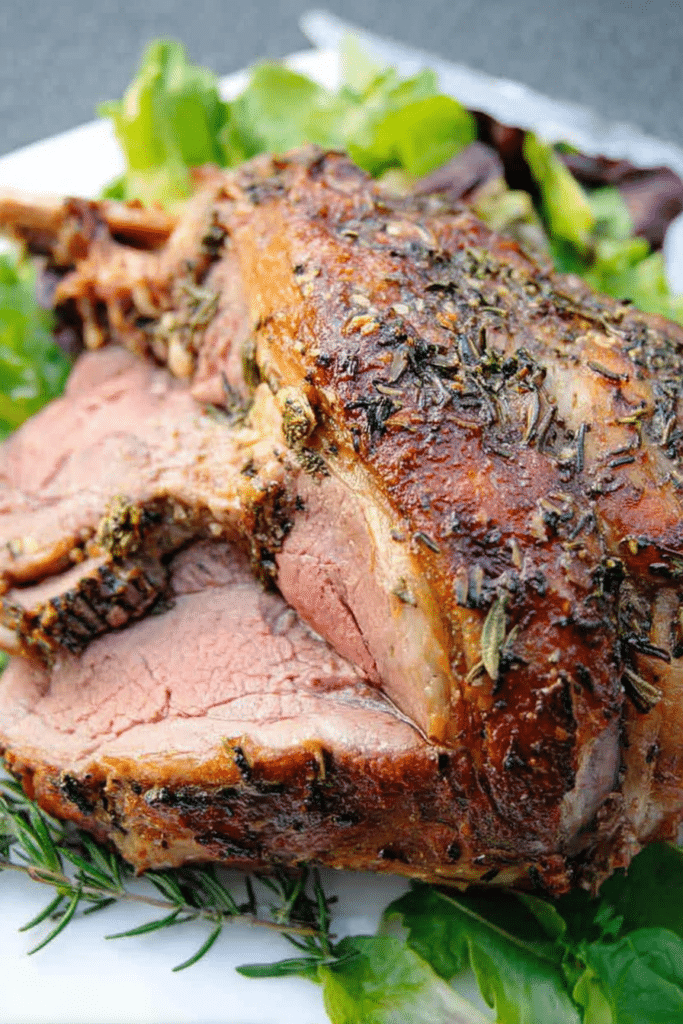
I have a handful of dishes I turn to when I want the table to feel special, and a herb-roasted leg of lamb ranks near the top. In my kitchen it’s a showpiece: the oven does the heavy lifting while the herb bed and garlic infuse the meat with an aroma that fills the house long before guests are seated. Serving it warm, crusted and carved at the table always draws a few admiring sighs.
Over the years I’ve learned which small choices make the largest difference — the initial high heat to form a crust, the little slits for garlic, and a patient resting period that rewards you with slices that keep their juices. I like to dress the platter with sprigs of fresh rosemary and thyme so the presentation looks as thoughtful as the flavor.
Hosting with lamb need not be fussy. With a modest set of steps and a reliable instant-read thermometer, you can send a beautiful roast to the table while you finish the last course. Invite guests to linger; this is a dish that invites conversation as much as it satisfies appetite.
Before you begin, set aside time for prep and a calm kitchen. The more relaxed you are, the better the roast — and the more memorable the evening.
Make Your Next Family Gathering Unforgettable with Herb Roast Leg of Lamb
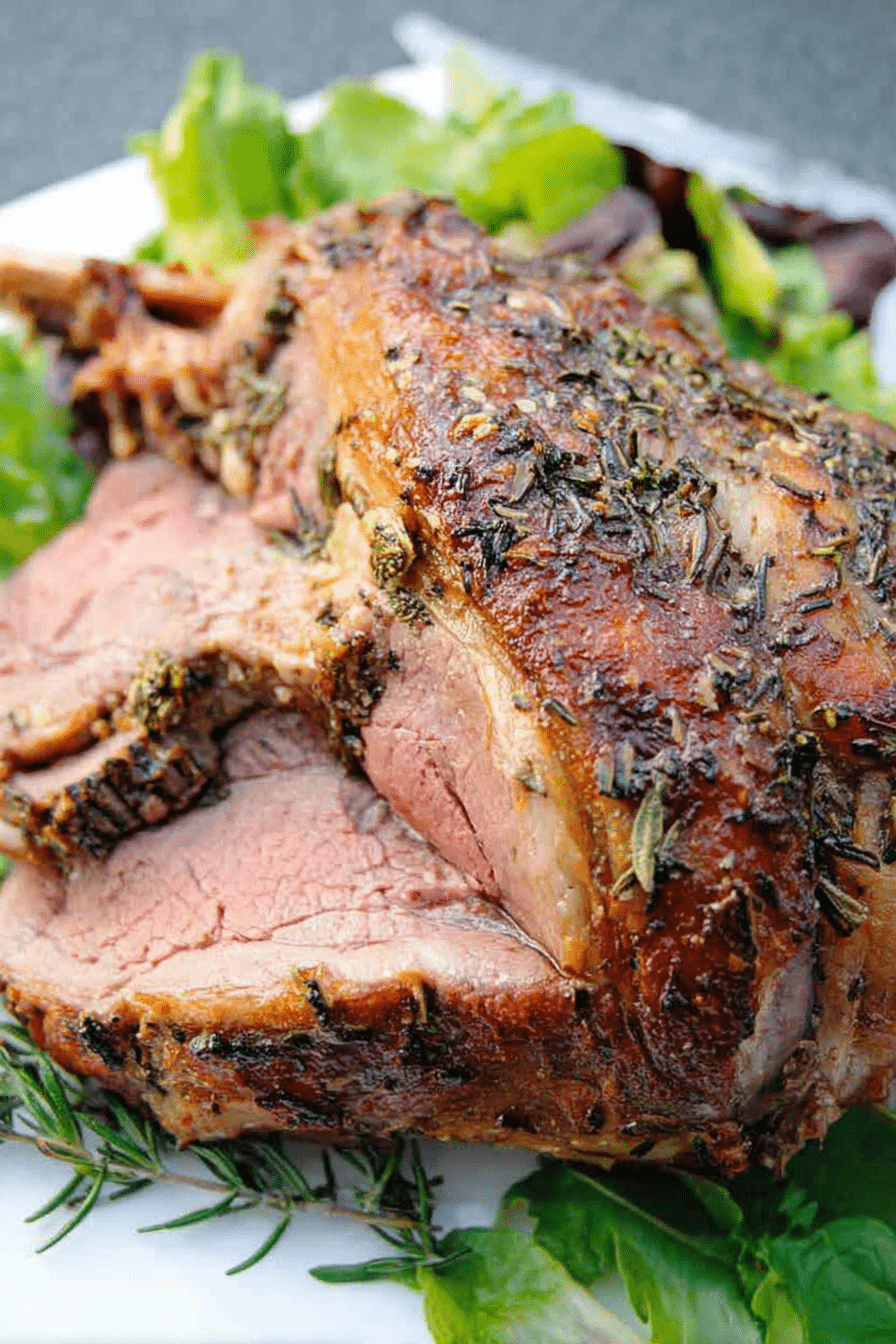
A well-cooked leg of lamb carries ceremony: it speaks to tradition and to gatherings where people slow down and savor company. Present it on a warm platter so the crust stays crisp and the herb colors pop. Carve against the grain into even slices and arrange them overlapped, garnishing with a few whole herb sprigs and a small ramekin of mint jelly for those who enjoy a touch of sweetness.
Think about plating as part of the experience. A simple white platter, toasted nuts or pomegranate seeds scattered around for color, and a rustic carving fork make the roast the visual centerpiece. Encourage guests to help themselves or carve at the table if you enjoy a bit of theater — it turns a meal into a memory.
I invite readers to comment on how you present yours. Tell me about your crust preferences or a side dish that became a hit at your table.
Everything You Need for Herb Roast Leg of Lamb
Below is a conversational guide to the ingredients and what each contributes. If something is hard to find, I offer practical substitutions so you can still create a beautifully flavored roast.
- Boneless leg of lamb – The roast’s centerpiece; choose a well-marbled cut for flavor. A bone-in leg works too if you prefer deeper flavor and don’t mind slightly longer cook time.
- Garlic – Inserted into slits, it perfumes the meat from the inside out. Shallots can work in a pinch for a milder aroma.
- Coarse sea salt – Essential for seasoning and helping form the crust. Kosher salt is an acceptable alternative.
- Black pepper – Freshly cracked for bright heat. White pepper is fine if you want a subtler look.
- Dijon mustard – Acts as an adhesive for the chopped herbs and adds a tangy backbone. Whole-grain mustard offers texture and visual interest.
- Fresh rosemary – Robust and piney; it stands up to high heat and pairs perfectly with lamb. If unavailable, dried rosemary may be used cautiously.
- Fresh thyme – Adds floral, savory notes that mellow under heat. Substitute with oregano or marjoram for a different herbal profile.
- Herb sprigs (rosemary/thyme) – Laid under the roast to create an aromatic bed; they infuse subtle herb oils into the pan juices.
- Light extra virgin olive oil – Prevents sticking and helps the herb bed sing. Use a neutral oil if you prefer.
- Mint jelly (optional) – A classic accompaniment that provides a sweet contrast to the savory meat; consider a fresh mint chimichurri for a brighter alternative.
The Secret to the Perfect Crust: High-Heat Sear + Herb Bed
The crust forms when the surface proteins and sugars undergo the Maillard reaction, producing the brown color and nutty, roasted flavors that make the first bite so compelling. That initial blast of high heat is what gives you that deeply flavored crust while sealing juices inside.
Placing the lamb on a bed of herbs does more than look pretty: as those sprigs warm, they release essential oils and aromatics that perfume the pan and the underside of the roast. When the pan juices mingle with those herb oils, you get a deeper, more complex pan sauce if you choose to spoon it over slices.
- Start in a very hot oven long enough to develop that sear; I use a short, intense sear phase to encourage deep browning.
- Use the herb bed to lift the roast slightly so heat circulates and aromatics steam gently into the meat.
- After the sear, lower the oven to finish cooking evenly without over-browning the exterior.
Share your crust experiments in the comments — I love hearing what tweak produced the crispest, most flavorful exterior for you.
Why Temperature and Resting Time Determine Tenderness
Tenderness is a direct result of temperature and time. As collagen breaks down it becomes tender; if you overcook, muscle fibers tighten and squeeze out juices. Carryover cooking — the temperature increase after you remove the roast — is a crucial part of achieving perfect doneness.
For best results, check the thickest part of the roast with an instant-read thermometer. Insert it away from bone and fat to measure the true center. Remember that the roast will continue to rise several degrees while it rests, so pull it a few degrees shy of your target and allow it to rest quietly.
- Aim for an internal temperature appropriate to your preferred doneness; pull the roast a few degrees early to account for carryover cooking.
- Always rest the meat for at least 15 minutes; this lets juices redistribute so slices remain moist.
- If you don’t have a thermometer, look for visual cues: a well-formed crust, slightly pliant center when pressed, and clear pan juices running when you make a small slice.
Choosing and Preparing the Right Leg of Lamb (Beginner-Friendly)
Select a leg with even thickness for predictable cooking. A tied or netted roast cooks more evenly; if your butcher leaves the roast rolled and tied, it will serve you well. Trim large, loose pockets of fat but leave a thin fat cap for flavor and to protect the meat during roasting.
Preparing the lamb is simple and forgiving when you follow a few beginner-friendly steps. Small mistakes—like uneven trimming or under-seasoning—are easy to correct and won’t ruin the roast.
- Ask the butcher for a roast that is evenly sized; a uniform shape means even cooking.
- Remove excessive silverskin or thick connective tissue so seasoning can penetrate.
- If using bone-in, account for slightly longer cooking time and position the thermometer in the thickest meat away from bone.
- Make shallow slits across the surface to tuck in garlic slices; this adds flavor without overpowering the lamb.
How to Make Herb Roast Leg of Lamb (Step-by-Step)
- Preheat the oven very hot so it’s ready for the sear.
- Oil a roasting pan and lay down whole herb sprigs to form an aromatic bed for the roast.
- Place the boneless leg of lamb on a clean work surface and make slits across the top. Tuck thin garlic slices into the slits.
- Season the surface generously with coarse salt and cracked black pepper. Spread a thin layer of Dijon mustard over the roast, then press chopped rosemary and thyme into the mustard so they adhere.
- Transfer the lamb to the prepared roasting pan, set it on the herb bed, and place it in the hot oven for an initial high-heat period to form a crust.
- After the sear phase, reduce the oven temperature to continue roasting until the internal temperature approaches your desired doneness; timing will vary by roast size.
- Remove the roast and let it rest undisturbed for at least 15 minutes so juices redistribute before carving.
- Carve against the grain into even slices and serve with mint jelly or pan juices as you prefer.
Pro Tip for herb roast leg of lamb: Use an Instant-Read Thermometer
- I always rely on an instant-read thermometer to know exactly when to pull the roast; it removes the guesswork and prevents overcooking.
- Insert the probe into the thickest part of the roast, avoiding bone or excessive fat for an accurate read.
- Remember to account for carryover cooking by pulling the roast a few degrees below your target temperature.
Troubleshooting: Common Problems & Fixes
- If the crust isn’t developing, ensure the oven was fully preheated and the roast was dry before it went in; pat the surface dry to encourage browning. I learned this the hard way—wet surface equals steamed exterior.
- If the roast cooks unevenly, check that it was tied and shaped uniformly; a trussed roast behaves more predictably.
- If slices are dry, you likely removed the roast too late; next time I pull it a few degrees earlier and rest longer to regain moisture.
- If garlic is too dominant, make the slits smaller or use fewer cloves; the goal is aromatic balance, not garlic overload.
Best Side Dishes and Wine Pairings for Herb Roast Leg of Lamb
Classic sides pair beautifully: roasted root vegetables, garlic mashed potatoes, or a bright salad to cut the richness. For a playful starter, try deviled eggs or baked feta preparations that echo Mediterranean flavors and set the tone for the meal.
Consider these accompaniments and small bites to round the menu:
- Roasted baby potatoes with rosemary and lemon zest.
- Honey-roasted carrots or parsnips for sweet contrast.
- Garlic mashed potatoes or a creamy gratin for comfort.
- Fresh green salad with crisp herbs and a lemon vinaigrette to balance richness.
- For appetizers, complement the lamb with small plates like baked feta eggs or classic deviled eggs to keep guests grazing before the main course.
For a delightful side, consider our baked feta eggs that pair perfectly with the robust flavors of lamb.
Enhance your gathering with classic deviled eggs as a tasty appetizer to complement the herb roast leg of lamb.
Pair your lamb with Mediterranean spinach and feta crisps for a fresh and flavorful addition to the meal.
For a sweet and savory touch, try roasted goat cheese stuffed dates as an irresistible side with your lamb dish.
Wine pairings: choose medium- to full-bodied red wines with structure — think a classic Cabernet, Syrah, or a robust Grenache blend. For those preferring white, an oak-aged Chardonnay with weight can also stand up nicely.
How to Store, Reheat and Make-Ahead Herb Roast Leg of Lamb
- Refrigeration: Store leftovers in an airtight container in the refrigerator for up to three days.
- Freezing: For longer storage, slice and freeze in portioned containers; frozen lamb keeps well when tightly wrapped.
- Reheating: Warm gently to retain moisture — use a low oven with a little stock or pan juices and cover loosely with foil, or briefly reheat slices in a skillet with a splash of broth.
- Make-ahead: You can prepare the herb rub and insert the garlic the day before; keep the seasoned roast covered in the refrigerator and roast on the day you plan to serve.
Variations to Consider for Dietary Preferences
- Gluten-free: This roast is naturally gluten-free when you use a gluten-free mustard or omit any prepared sauces with gluten.
- Lower-sodium: Reduce the salt on the surface and finish with a salted pan sauce at the table to control intake.
- Herb swaps: Replace rosemary and thyme with mint and parsley for a brighter, fresher profile that pairs well with a yogurt-mint sauce.
- Vegetarian alternative: Offer a hearty roasted cauliflower or whole roasted eggplant with similar herb treatment as a centerpiece for guests who do not eat meat.
Frequently Asked Questions
Can I use a bone-in leg of lamb for this recipe?
Yes, you can use a bone-in leg of lamb. Just keep in mind that it may require a bit more cooking time.
What are some good side dishes to serve with herb roast leg of lamb?
Some excellent side dishes include roasted vegetables, garlic mashed potatoes, or a fresh green salad.
How can I ensure the lamb is tender and juicy?
Make sure to sear the lamb at a high temperature initially and allow it to rest for at least 15 minutes after cooking to lock in the juices.
What’s the best way to store leftovers?
Store leftovers in an airtight container in the refrigerator for up to 3 days. You can also freeze them for longer storage.
Can I prepare this dish in advance?
While the lamb is best served fresh, you can prepare and marinate it the day before, then roast it just before serving.
Herb Roast Leg of Lamb
Ingredients
Method
- Preheat oven to 500 degrees. Prepare a 9x13 roasting pan by spreading light extra virgin olive oil in the bottom and then laying springs of fresh herbs on the center, a nice bed of aromatics for your leg of lamb to rest on while it roasts.
- Place boneless leg of lamb on a clean work surface, like a cutting board. Pierce the top with a knife, making slits deep enough for garlic slices. Fill the slits with garlic. Next, rub the surface with coarse sea salt and pepper. Slather with Dijon mustard and finally press fresh, chopped rosemary and thyme into the Dijon mustard. Transfer boneless leg of lamb to the prepared roasting dish.
- Place into the hot oven for 20 minutes. This will create a nice crust and seal in juices.
- After 20 minutes, lower heat to 350 degrees. Open oven door to allow excess heat to escape and cool down the oven fast. Continue to roast for 40-60 minutes. Time will vary greatly depending on size of your leg of lamb and your preferred level of doneness.
- Remove roast after reaching desired temperature. Allow to rest for 15 minutes before carving. Carve against the grain and serve with a side of mint jelly.
- If you've tried this recipe, come back and let us know how it was in the comments or ratings.