- Prep
- 10 min
- Cook
- 5 min
- Total
- 15 min
- Serves
- 8
- Calories
- 103 kcal
- Carbs
- 27.00 g
Introduction
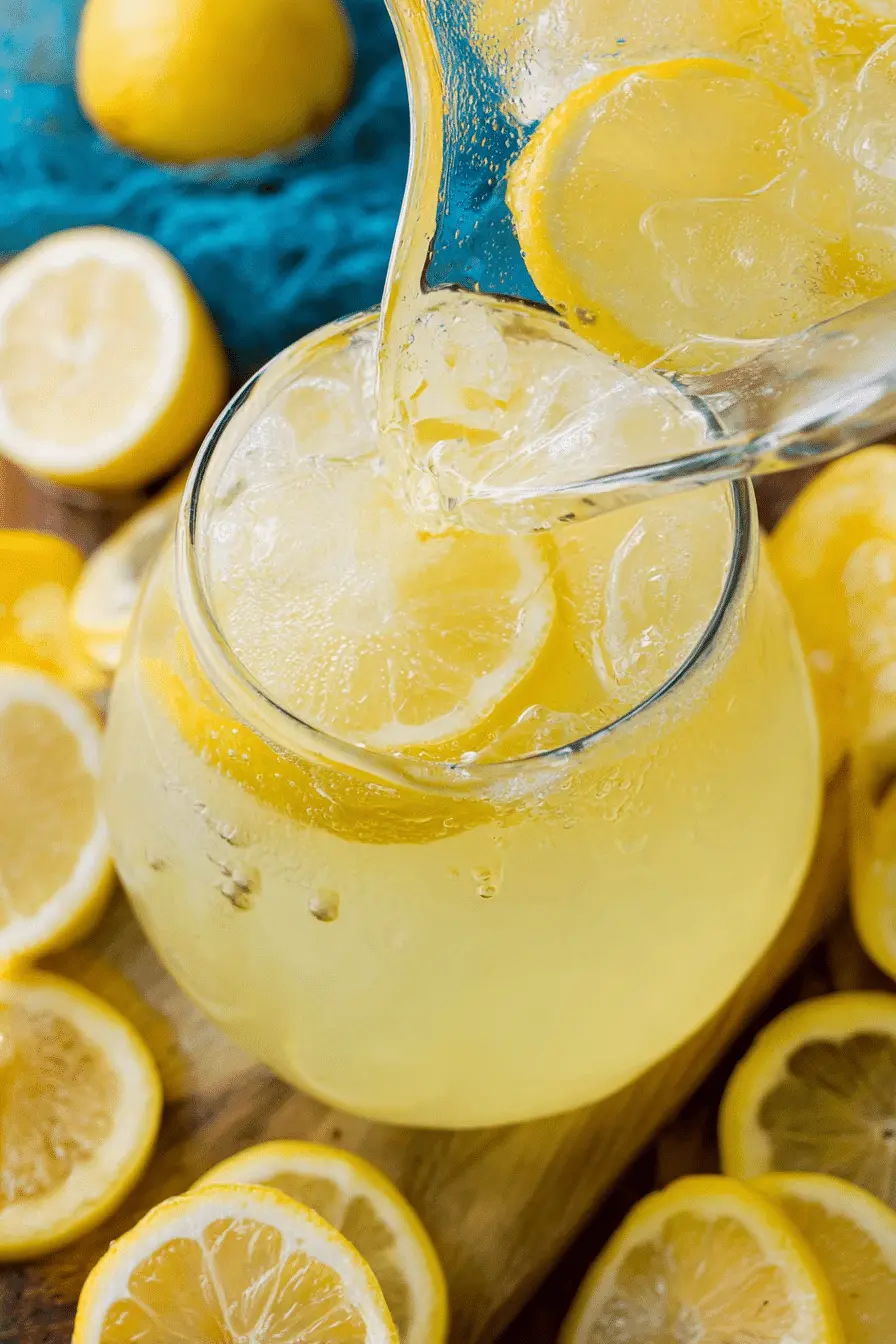
I make this lemonade on the busiest of afternoons — when kids are home from school, when friends pop by, or when I need a fast, bright drink after yard work. It takes about 15 minutes from start to finish, and the payoff is immediate: bright lemon aroma, a pale yellow pitcher glistening with condensation, and that first cool sip that feels like a reset.
In my kitchen I keep a few lemons and a jar of sugar on hand so this becomes a go-to. The method is straightforward: a quick warm simple syrup to dissolve the sugar, fresh-squeezed lemon juice, and cold water to stretch it into a pitcher that serves a small crowd. I like that it’s flexible — you can make it more tart, more sweet, or add a splash of something seasonal with almost no extra work.
I’ll walk you through what I use, fast tricks for getting the most juice from each lemon, and a couple of quick flavor choices you can pull together in minutes. I test these tips often in my kitchen, so what I share has been used, adjusted, and simplified for speed and consistency.
When you make this, notice the smell of fresh lemon oil as you cut the fruit, the tacky texture of the warm sugar syrup, and the cool brightness of the finished drink poured over ice. Those small details tell you you’ve done it right.
Everything You Need for Homemade Lemonade
Below I keep this short and practical. You only need a handful of common items to get great results quickly.
- Fresh lemons – The juice is the heart of the drink; use fresh-squeezed for clean, bright lemon flavor.
- Granulated sugar (or your sweetener of choice) – Sweetens and balances the lemon; a dissolved syrup gives the smoothest finish.
- Water – For diluting the concentrate to refreshing strength; cold water chills it down fast.
- Citrus juicer or reamer – Speeds extraction so you spend less time at the counter.
- Small saucepan – For making the quick simple syrup or warming alternative sweeteners so they blend smoothly.
- Pitcher and strainer – A pitcher for mixing and serving; a mesh strainer catches seeds and excess pulp if you prefer clear lemonade.
Fast lemon-juicing tips: get more juice with less effort
Juicing efficiently makes this recipe fast. Use these small hacks I use all the time.
- Roll each lemon firmly on the counter with the palm of your hand before cutting — it softens the segments and helps the juice flow. You should feel the fruit give under your palm.
- Bring lemons to room temperature first. Cold lemons yield less juice; slightly warm fruit releases more liquid with less pressure.
- Microwave refrigerated lemons for 10–15 seconds to warm them slightly if you're in a hurry — they’ll feel a touch warmer and juice easier.
- Use a hand reamer or a small press for speed; they extract more juice with fewer twists than squeezing by hand.
- Strain your juice through a fine mesh if you want a smooth-looking pitcher. You’ll see clearer liquid and avoid seeds.
- Store any leftover lemons in a sealed bag in the fridge to keep them firm and juicy for several days.
Natural sweeteners compared: honey, maple, and stevia options
If you want to cut back on refined sugar or change the flavor profile, here’s how the common alternatives behave in lemonade and how I use them.
- Honey – Adds floral, warm notes. Heat honey with a little water to make a thin syrup so it blends evenly into cold lemonade; this keeps it from settling or creating grainy spots.
- Maple syrup – Delivers a deeper, slightly caramel note that pairs well with smoked or grilled foods. It dissolves easily into cold liquids but tastes best dissolved into a small amount of warm water first.
- Stevia – A calorie-free option that’s much sweeter than sugar, so add it sparingly and taste as you go. Because stevia can have a slightly bitter edge at higher levels, blend it into the finished lemonade and adjust slowly.
- How I swap – I generally replace sugar with an equal volume of a liquid sweetener after turning it into syrup, but for any non-sugar swap taste as you go; sweetness perception changes with tartness.
Flavor twists you can make in minutes: berries, mint, and simple herbs
These quick additions transform the basic lemonade into something seasonal and pretty without adding more prep time.
- Berry-infused – Muddle fresh berries in the bottom of the pitcher a bit before adding lemonade, or puree and strain for a smooth color and flavor.
- Mint or basil – Clap fresh mint between your palms to release the oils, then add to the pitcher or use as a garnish so the aroma hits first with each sip.
- Herbal slices – Thin cucumber or ginger slices add freshness and complexity; they steep briefly in the cold drink and keep the lemonade bright.
If you're feeling adventurous, consider making blueberry lemonade for a fruity twist!
For a refreshing dessert pairing, try our mint chocolate brownies.
Another creative option is our easy lavender lemonade, perfect for a unique summer refreshment.
How to Make Homemade Lemonade (Step-by-Step)
Follow these straightforward steps; I write them as I make the drink so you can move through the process quickly.
- Make a warm simple syrup: combine equal parts sugar and water in a small saucepan over medium-low heat and stir until the sugar fully dissolves. Remove from heat and let cool slightly.
- Juice your lemons into a pitcher, then strain to remove seeds if you want a clear beverage.
- Pour the warm simple syrup into the lemon juice and stir to combine.
- Add cold water to the pitcher and taste; adjust by adding more water for a milder drink or a touch more syrup if you prefer sweeter lemonade.
- Chill the lemonade briefly in the fridge or serve right away over ice. Garnish with lemon slices or fresh mint if desired.
Pro Tip for homemade lemonade recipe: make a quick warm honey syrup to cut refined sugar
- I often swap part or all of the sugar for honey. Heat equal parts honey and water in a small saucepan until they combine into a smooth syrup — warming makes the honey fluid and easy to mix into cold lemonade.
- Cool the syrup slightly before combining with lemon juice to avoid cooking the fresh lemon flavor.
- This syrup keeps in the fridge for several days, so I sometimes make a batch ahead to speed assembly on busy afternoons.
How to Store, Make Ahead, and Serve Homemade Lemonade
Storing and serving are where this drink really shines for busy households. Make a pitcher in the morning and it’ll be ready all day.
- Refrigerate lemonade in a covered pitcher or airtight container for up to one week; always give it a quick stir before serving as some separation is normal.
- For longer storage, freeze lemonade in ice cube trays and use the cubes to chill drinks without diluting flavor as they melt.
- To keep lemon slices fresh for garnish, store them in a single layer on a plate covered with plastic in the fridge so they don’t go soggy.
Learn more about preserving your citrus with our guide on how to store fresh lemons.
Nutritional Information for Homemade Lemonade and Variations
Here’s a practical look at nutrition so you can choose the version that fits your needs.
- Classic lemonade (per 8-oz serving) – Roughly 100–110 calories and about 25–30 grams of carbohydrates, mostly from sugar. Exact values depend on how much sweetener you use.
- Honey or maple versions – Calories are similar to sugar if you use equal sweetness; the flavor profile shifts and you get trace minerals or antioxidants depending on the sweetener.
- Stevia-sweetened – Very low in calories; carbohydrate content drops significantly, but taste will differ and may require blending with a small amount of another sweetener for mouthfeel.
- Balance is key: homemade lemonade gives you control over sweetness, so you can reduce sugar compared with many store-bought mixers.
Using Lemonade in Cocktails or Culinary Dishes
Lemonade is more than a drink — I use it as a mixer and ingredient around the kitchen.
- Cocktails – Swap lemonade for soda in a simple highball with vodka or gin; it pairs especially well with bourbon for a classic whiskey lemonade.
- Salad dressings – Reduce lemonade slightly on the stove and whisk with oil for a quick lemon vinaigrette.
- Marinades – Use lemonade as the acid component in marinades for chicken or fish, adding herbs and a touch of soy or mustard for balance.
- Desserts – Freeze lemonade into popsicles or churn into a simple sorbet for an easy, bright dessert.
Variations (Quick Ideas)
- Blueberry lemonade: mash fresh berries and stir into the finished drink; strain for a smooth texture.
- Herbed lemonade: steep a handful of basil or rosemary in warm syrup briefly, cool, then combine.
- Spicy lemonade: add a few thin slices of fresh ginger to the pitcher or a pinch of cayenne for a warm undertone.
Troubleshooting
- If your lemonade tastes too tart, add a little more syrup in small amounts and taste as you go.
- If it’s too sweet, dilute with cold water a splash at a time until it balances.
- If the sugar isn’t dissolving, reheat the syrup until it’s fully combined before adding to the cold juice.
- If your drink is cloudy from pulp and you prefer clarity, pour through a fine mesh strainer or cheesecloth.
Frequently Asked Questions
What ingredients do I need to make homemade lemonade?
You'll need 6 cups of water, 1 cup of granulated sugar, and 1 cup of fresh-squeezed lemon juice. That's it!
How long does it take to prepare homemade lemonade?
The total time to prepare homemade lemonade is just 15 minutes, making it a quick and refreshing drink!
Can I use alternative sweeteners instead of sugar?
Absolutely! You can use honey, maple syrup, or stevia as natural sweetener alternatives for your lemonade.
How can I add flavor variations to my lemonade?
You can easily add berries, mint, or simple herbs to give your lemonade a unique twist. Just mix them in while preparing!
How can I store leftover lemonade?
Store your homemade lemonade in the refrigerator for up to a week. Just make sure it's in a covered pitcher or container!
Recipe Card
The Homemade Lemonade Recipe I Make Every Summer — 10 Minutes
- Prep
- 10 min
- Cook
- 5 min
- Total
- 15 min
- Serves
- 8
- Calories
- 103 kcal
- Carbs
- 27.00 g
Ingredients
- 6 cupswater (divided)
- 1 cupgranulated sugar
- 1 cupfresh-squeezed lemon juice (seeds removed, pulp may remain)
Instructions
- 1
Combine 1 cup (236ml) water and 1 cup sugar in a small saucepan. Place over medium-low heat and stir until sugar is dissolved. Remove from heat and set aside, allow to cool for 10 minutes.
- 2
Pour 1 cup fresh-squeezed lemon juice into a pitcher. Add sugar/water mixture (simple syrup).
- 3
Add remaining 5 cups (1180ml) water and stir well. Pour over ice and serve, or transfer to refrigerator and allow to chill several hours before serving.
You might also like


Reviews
Be the first to review this.