- Prep
- 20 min
- Cook
- 30 min
- Total
- 230 min
- Serves
- 40
- Calories
- 120 kcal
- Carbs
- 18.00 g
Introduction
There’s a particular kind of comfort in frying tiny rounds of dough at home: the smell of warm butter and yeast rounding the kitchen, the soft clouds of steam when you flip a donut, and that first bite — slightly crisp on the outside, pillowy and tender inside. I made these mini donuts on a rainy afternoon when the kids were home from school and the house felt like it needed a little celebration. The dough sat overnight in the fridge, which made the flavor quietly sweet and buttery; when I fried the first batch, the kitchen filled with a warm, cinnamon-tinged aroma that made everyone line up at the counter. If you love donuts, be sure to check out our Krispy Kreme donuts recipe for another delicious treat you can make at home.Ingredients You'll Need
- Active dry yeast – wakes up the dough and gives a light, airy texture.
- Whole milk – adds richness and tenderness; lukewarm to help the yeast bloom.
- Sugar – feeds the yeast and adds the right hint of sweetness to the dough.
- All-purpose flour – the structure builder for these brioche-style donuts.
- Salt – balances flavor and strengthens the gluten.
- Eggs – add richness and help with that tender, custardy crumb.
- Vanilla – a little warmth and rounds out the sweet notes.
- Unsalted butter – for richness and a soft, melt-in-your-mouth texture.
- Neutral frying oil – canola or vegetable oil for a clean, high-heat fry.
- Granulated sugar – for tossing the finished donuts; works beautifully with cinnamon.
- Cinnamon – pairs with sugar for a classic coating; adjust to taste.
- 2 1/4 tsp (7g) active dry yeast
- 250g whole milk, lukewarm
- 50g sugar (divided)
- 565g all-purpose flour
- 1 tsp (5g) salt
- 2 large eggs (about 100g), at room temperature
- 1 tsp vanilla bean paste (or extract)
- 100g unsalted butter, at room temperature
- Neutral oil (canola, extra light olive oil, or vegetable) for frying — enough to deep fry
- 200g granulated sugar (for coating)
- 3 Tbsp cinnamon (reduce if you prefer a subtler cinnamon note)
Step-by-Step Guide to Making the Dough
I start this recipe the night before. That overnight rest in the fridge is a small step that pays off in flavor and in dough handling — the butter firms up so the dough is easier to roll and cut the next day, and the flavor develops a gentle, yeasty sweetness that’s worth the wait.- Bloom the yeast. In a small bowl combine the yeast, lukewarm milk, and a couple of tablespoons of the sugar. Stir, then leave it for 10–15 minutes until it’s foamy and fragrant. If nothing happens after 15 minutes, your yeast might be dead — start over with fresh yeast and slightly warmer (not hot) milk.
- Make the dough. In your stand mixer bowl (dough hook attached) whisk together the flour, salt, and remaining sugar so the salt doesn’t touch the yeast directly. Add the eggs, vanilla, and foamy yeast mix. Start on low — the dough will look dry at first, but after a few minutes it pulls together. Turn the mixer to medium and let it run 8–10 minutes until the dough is soft, smooth, and slightly tacky to the touch. Tip: the dough should feel like a soft pillow, not sticky puddle. If it’s tacky and sticks to your finger, that’s okay — it will firm after buttering and the cold rest. If it’s a wet mess, add a tablespoon of flour at a time.
- Incorporate the butter. Reduce the speed and add softened butter a little at a time. Wait until each piece is fully folded in before adding more. This step takes patience but gives the dough its enriched, brioche-like texture. When all the butter is in, increase speed to medium and mix another 4–5 minutes until silky and very smooth. When I overwork this step, the dough can feel a bit warm from the mixer — puck it into a lightly oiled bowl and chill sooner rather than later so the fat firms back up.
- First rise in the fridge. Transfer the dough to an oiled bowl, cover tightly with plastic wrap, and place overnight in the refrigerator. In my kitchen that’s usually 8–14 hours. You’ll notice the dough won’t double like room-temperature dough, but it will develop a domed look and deepened aroma when ready.
How to Cut and Shape Mini Donuts
Cutting uniform donuts is more about patience than fancy tools. I use a 1 3/4" (4.5cm) round cutter for the donut body and a very small round cutter (or a thick milkshake straw) for the center hole. The little center scraps fry up into perfectly imperfect donut nuggets — my favorite kitchen perk.- Roll to the right thickness – roll the chilled dough to about 1/2" (1.25cm). If it’s too thick they’ll be doughy inside; too thin and they’ll crisp up more than I like.
- Use a template – if you don’t have a donut cutter, two round biscuits or a small glass for the center hole work fine. Uniformity matters so everything cooks at the same rate.
- Re-roll scraps sparingly – re-rolling can tighten the gluten, making donuts denser. I press scraps gently together and roll once more; I save those for a test fry so I can judge oil temperature without wasting the prime shapes.
Frying Tips for Perfect Results
Frying is where people get nervous, but with a little technique it’s straightforward and safe.- Choose the right oil and pot – a neutral oil with a high smoke point (canola or vegetable) is best. Use a heavy-bottomed pot so the temperature stays steady.
- Temperature matters – heat the oil to 350°F (180°C). Too hot and the donuts brown on the outside before the inside cooks; too cool and they’ll absorb oil and be greasy. I keep a candy thermometer clipped to the pot and watch the temp carefully.
- Don’t overcrowd – fry up to six mini donuts at a time so the oil temperature doesn’t drop drastically. I use a spider or slotted spoon to gently lower and flip each donut every 30 seconds so they color evenly.
- Test first – fry one or two scraps first. If they brown quickly and are cooked through, you’re set. If they’re pale and greasy at 3 minutes, raise the heat slightly; if they brown too fast, lower the heat a hair.
Cinnamon Sugar Toss and Serving Suggestions
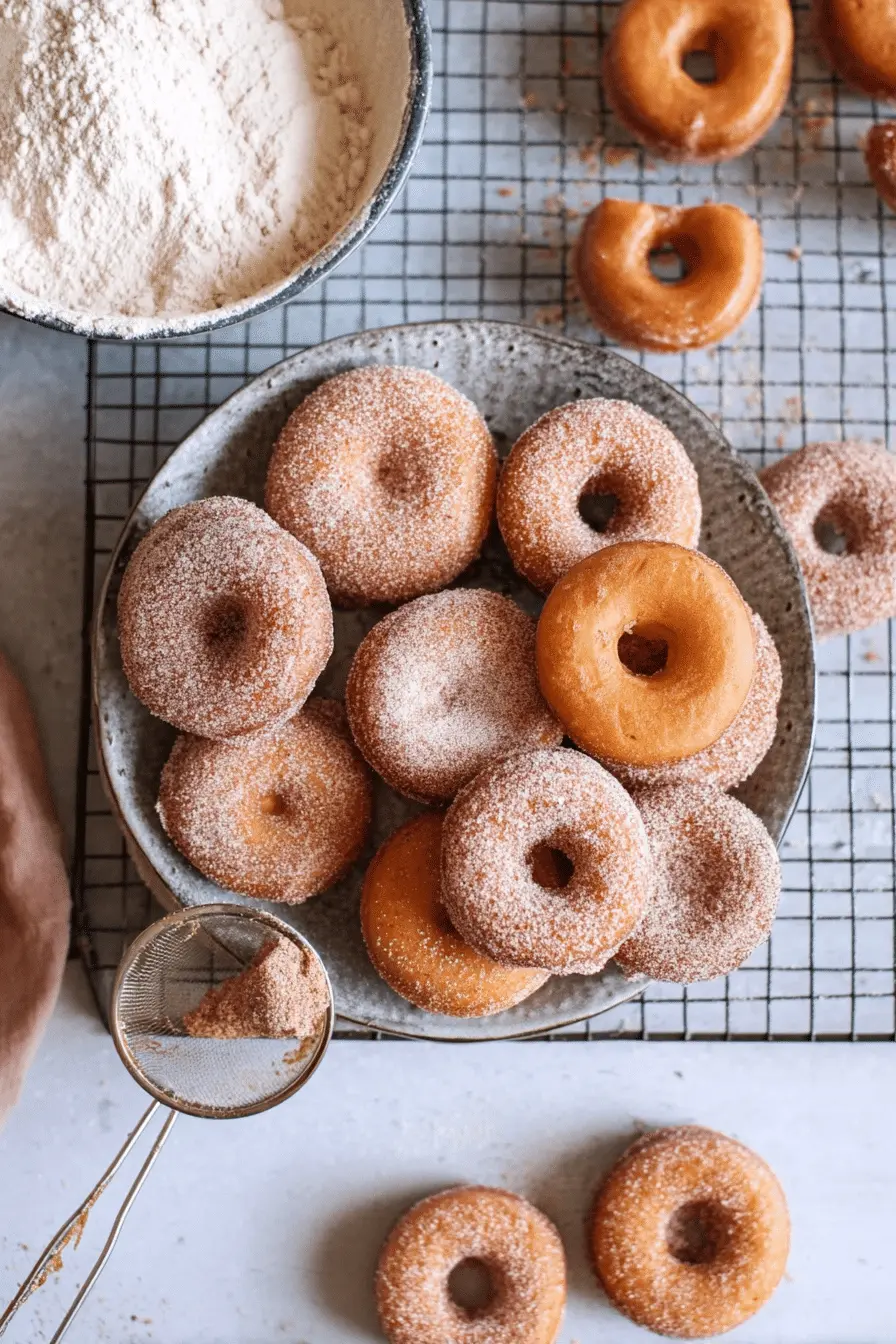
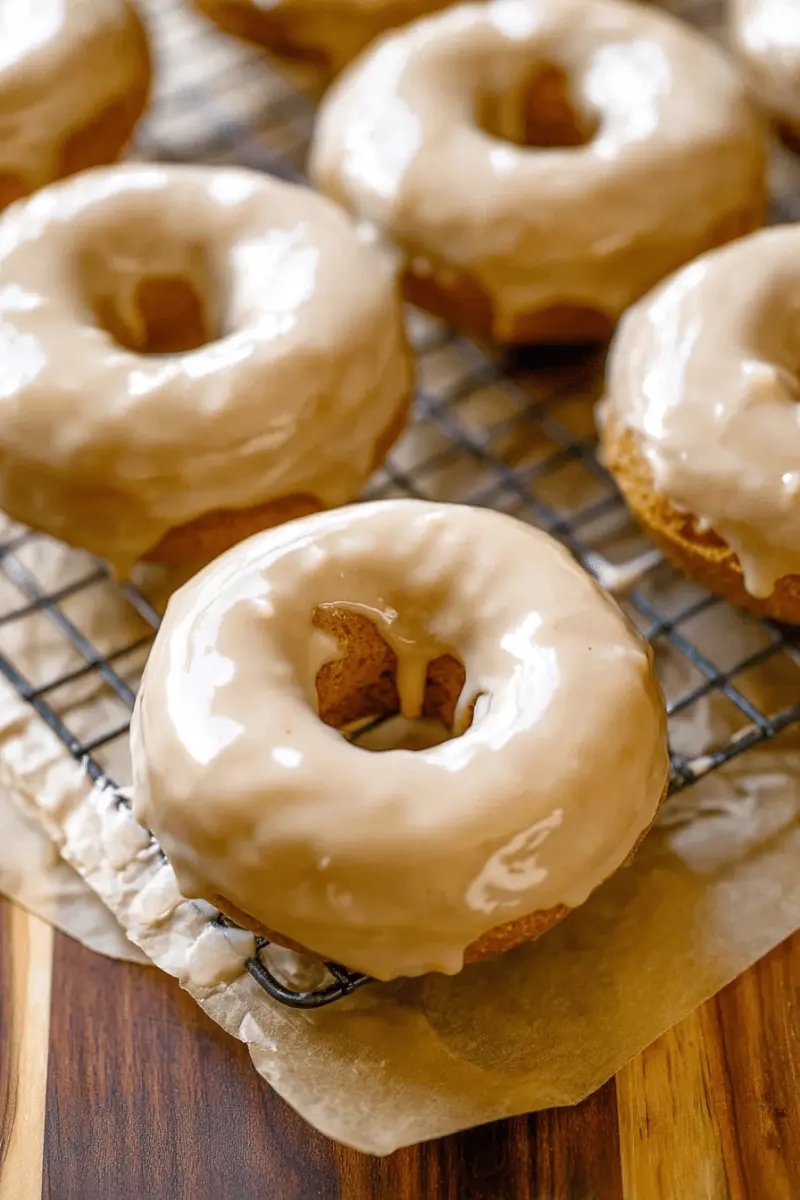
The classic finish is simple and nearly foolproof. In a bowl I mix the granulated sugar and cinnamon (the recipe uses 200g sugar to 3 Tbsp cinnamon). I tip the warm donuts into the bowl a few at a time and roll them until evenly coated — the sugar clings to the outer shell and gives a satisfying crunch and aroma. For a delightful twist, try making mini powdered sugar doughnuts as an alternative serving suggestion. Enhance your mini donuts with flavors by making maple glazed donuts as a serving option for special occasions.- Serve warm – these are at their best the day they’re made; the sugar has that fresh crunch and the center is soft.
- Party platter – arrange a mix of cinnamon-sugar, powdered sugar, and glazed donuts on a tiered stand for brunch or a birthday table.
- Make-ahead tip – you can cut and proof the donuts, then park them in the fridge for a few hours before frying. Bring them to room temperature before frying so they cook evenly.
Creative Topping Ideas
If you're in the mood for something chocolatey, consider trying our chocolate baked cake donut recipe for a sweet topping idea. Beyond cinnamon sugar, here are toppings I test regularly and recommend:- Classic glaze – powdered sugar, milk, and a touch of vanilla. Thin to a pourable consistency and dip the donut tops for a shiny finish.
- Chocolate ganache – quick and glossy. Dip and add sprinkles while wet for color.
- Fruit compote dollop – keep a spoonful of thick strawberry or blueberry compote on top for a fresh bite.
- Nut crunch – finely chopped toasted hazelnuts or pistachios add texture and nutty warmth.
- Seasonal toppings – pumpkin-spice glaze in fall, lemon glaze with candied zest in spring, or red-and-green sprinkles for holiday parties.
FAQs About Mini Donuts
Can I use gluten-free flour for this mini donuts recipe? Yes, you can substitute all-purpose flour with a gluten-free flour blend. Just ensure that it includes xanthan gum or a similar binding agent to help the donuts hold their shape. How can I make these mini donuts vegan? To make the mini donuts vegan, you can replace the eggs with flax eggs (1 tablespoon of flaxseed meal mixed with 2.5 tablespoons of water per egg) and use a plant-based butter substitute instead of regular butter. What should I do if my donut dough feels too sticky? If your donut dough feels too sticky, you can add a little more flour, one tablespoon at a time, until it reaches a smooth and manageable consistency. Just be careful not to add too much, as it can make the donuts dense. How do I store leftover mini donuts? Leftover mini donuts can be stored in an airtight container at room temperature for up to two days. For longer storage, freeze them in a single layer and then transfer to a freezer bag for up to a month. Can I bake these mini donuts instead of frying them? Yes, you can bake the mini donuts! Preheat your oven to 375°F (190°C), place the cut donuts on a lined baking sheet, and bake them for about 10-12 minutes or until golden brown.Conclusion and Final Thoughts
Making homemade mini donuts is one of those recipes that rewards patience and gives you a little kitchen theater: the overnight dough, the steady rhythm of cutting out shapes, the hiss of oil, and the triumphant toss in cinnamon sugar. I’ve tested this version several times — changing the yeast timing, butter temperature, and frying batches — and this is the version I return to because it reliably gives tender, flavorful donuts with a thin, crisp shell. If you try them, start with the test scraps and watch how the oil behaves; that’s the easiest way to avoid greasy or undercooked donuts. Share them warm, invite friends or family, and don’t be afraid to get creative with glazes and sprinkles. If you take photos, tag them and tell me which topping became your favorite — I love hearing how people put their own spin on these bite-sized treats. Happy frying, and enjoy every little, sugary bite.Recipe Card
Homemade Mini Donuts: The Ultimate Guide to Fluffy Treats
- Prep
- 20 min
- Cook
- 30 min
- Total
- 230 min
- Serves
- 40
- Calories
- 120 kcal
- Carbs
- 18.00 g
Ingredients
- 2 1/4 tspactive dry yeast
- 250g mlwhole milk, lukewarm
- 50gsugar
- 565gall-purpose flour
- 1 tspsalt
- 2 largeeggs, at room temperature
- 1 tspvanilla bean paste
- 100g gunsalted butter, at room temperature
- Neutral oilfor frying
- 200ggranulated sugar
- 3 Tbspcinnamon
Instructions
- 1
In a small bowl, combine the yeast, milk, and 2 Tbsp of sugar. Leave to sit for 10-15 minutes, or until foamy.
- 2
Mix flour, salt, and remaining sugar in a stand mixer bowl. Add eggs, vanilla, and foamy yeast mixture. Mix until dough comes together, then knead for 10 minutes.
- 3
Add butter little by little until fully incorporated. Mix for another 5 minutes.
- 4
Transfer to an oiled bowl, cover, and place in the fridge overnight to rise.
- 5
Roll out dough to 1/2” thickness, cut out donuts, and let rise for 45-50 minutes.
- 6
Heat oil to 350°F (180°C). Fry donuts until golden brown, about 3-4 minutes, flipping halfway.
- 7
Toss warm donuts in cinnamon sugar mixture.
- 8
Best eaten fresh, but leftovers can be reheated in the microwave.
You might also like
Reviews
Be the first to review this.