- Prep
- 35 min
- Cook
- 60 min
- Total
- 95 min
- Serves
- 10
- Calories
- 372 kcal
- Carbs
- 50.00 g
Introduction
I grew up with this cake in my home long before I ever tracked down a written recipe. On wet autumn afternoons in my kitchen I would watch my mother peel and slice apples while the house filled with the smell of cinnamon and butter; that memory is the heart of this cake for me. There’s something about the simple, honest combination of tender cake, tart apples, and a crunchy streusel that always brings people to the table.
I make the custard a little ahead of time, because there’s a calmness to having the sauce ready — it lets the cake rest and the flavors knit together. I’ve learned how small changes matter: how peeled versus unpeeled apples change the texture, or how chilling the streusel keeps it from sinking. When I say this is a farmhouse cake, I mean it: rustic, forgiving, and built to feed a family with leftover slices that comfort you the next day.
Over the years I’ve baked this cake for birthdays, for low-key Sunday teas, and for evenings when a warm dessert felt like the only sensible remedy. In my kitchen it’s the smell that announces home — the nutty top, the caramelizing apples — and I still cut the first slice with the same impatience I had as a child.
Below I’ll walk you through everything you need to make your own version, why certain choices matter, and a few little tricks I use to keep the crumb tender and the fruit never soggy.
Everything You Need for Irish Apple Cake
Before you begin, set out your ingredients and tools so you can move through the recipe without fuss. High-quality basics make a real difference — fresh butter, a good all-purpose flour, and ripe-but-firm apples are the foundation. Here’s a conversational rundown of the ingredients and why they matter:
- Unsalted butter – Provides flavor and a tender crumb; use as called for in the recipe and bring it to the temperature the instructions recommend.
- Sugar (granulated and confectioner’s) – Granulated sweetens the batter and streusel, while confectioner’s is for a light final dusting that reads as homey and finished.
- Eggs – Bind the cake and add richness; room-temperature eggs mix more evenly into the batter.
- Milk or cream – Adds moisture and helps the crumb stay soft; you can adjust richness with half-and-half or cream if you like a richer texture.
- All-purpose flour – The structure of the cake; if you need a gluten-free option, see the Variations section below.
- Baking powder – The leavening that gives the cake lift and a tender crumb.
- Cinnamon and a pinch of salt – Cinnamon warms the cake; salt balances the sweetness and enhances flavor.
- Apples – Use firm, crisp apples for texture. See the Choosing Apples section for guidance on varieties and selecting fruit.
- Rolled oats (for the streusel) – Adds rustic texture and a bit of nutty flavor to the topping.
- Egg yolks and extra sugar (for custard) – If you’re serving custard, these make a silky sauce that pairs beautifully with the warm cake.
Don't forget dessert—our pumpkin cheesecake is a crowd-pleaser! It’s a great pairing for holiday tables when you want more than one sweet option.
Choosing Apples: Which Varieties Work Best
Apples are the centerpiece here, so choose ones that will hold their shape and offer a bright contrast to the sweet cake. I always reach for a tart, firm apple to cut through the richness — but you can mix varieties for complexity. When you’re picking apples, look for fruit that feels dense and heavy for its size and has taut skin without brown spots.
Good choices include classic tart varieties as well as firmer, sweeter ones if you prefer less tang. If the season’s abundant, try combining a tart apple with a sweeter one to give the cake both lift and mellow fruitiness. If you’re sourcing locally, farmers’ markets often have heritage varieties that lend a deeper apple flavor than supermarket standards.
If you want another apple dessert option, try our old-fashioned easy apple crisp — it’s a great way to showcase the exact varieties you’ve chosen.
The Secret to a Tender, Not Soggy, Crumb
I’ve learned that texture comes down to balance and restraint. Too much agitation and the cake becomes tough; too much juice from the apples and the center goes gummy. Treat the batter gently and respect the apples’ moisture.
Key points to keep in mind:
- Fold dry ingredients into the creamed mixture only until no streaks of flour remain; over-mixing develops gluten and tightens the crumb.
- Thinly slicing the apples helps them bake through without releasing overwhelming amounts of juice; thicker slices can create more pockets of fruit and moisture.
- Lightly dusting the apple slices with a bit of flour before layering can help absorb surface moisture and keep the batter from becoming soggy.
- Baking powder provides the lift you want — it gives the cake a tender, open crumb rather than a dense puck.
The Tradition Behind Irish Apple Cake and Custard
Apple cake sits firmly in the pantry-to-table tradition of farmhouse Ireland: apples were a reliable garden crop, and a simple cake was a way to make that seasonal fruit feel celebratory. In many homes, apple cake was the thing you made when company dropped by or when a family needed something comforting and sweet.
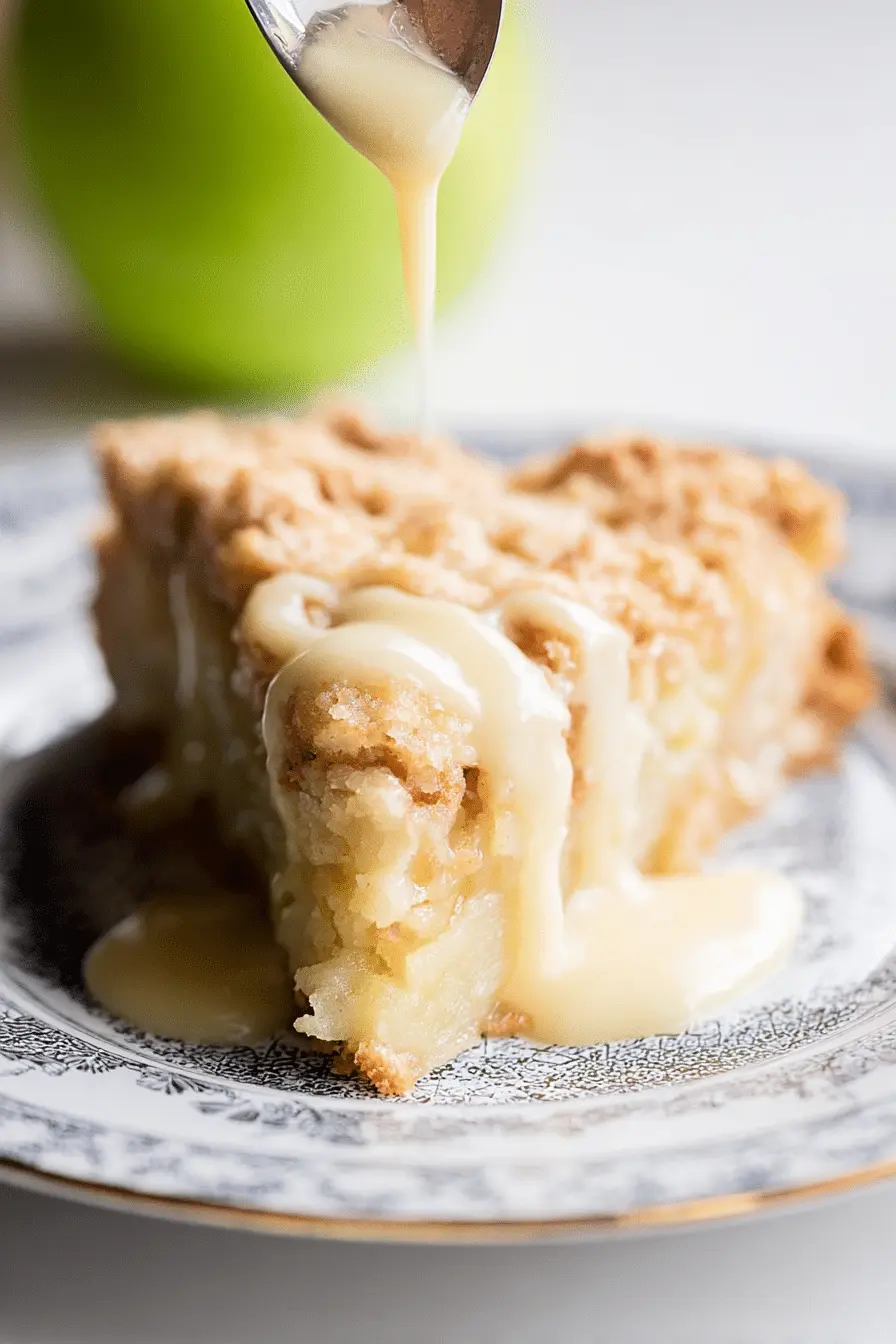
Serving it with warm custard is a ritual I cherish. The custard is not an afterthought but a companion — cool, silky, and slightly sweet, it softens the edges of the crumb and creates a comforting contrast with the apples. When I serve this cake with a spoonful of custard drizzled over the slice, people always pause for a beat before speaking — it’s a small, quiet pleasure that says home.
How to Make Irish Apple Cake (Step-by-Step)
- Preheat your oven and prepare a 9-inch springform or similar pan by greasing it so the cake releases cleanly.
- Make the custard first if you plan to serve it chilled: gently heat the milk until steaming, whisk egg yolks with sugar, temper the eggs with hot milk, then return to the pan and cook slowly until the mixture coats the back of a spoon. Strain, cover the surface with plastic so a skin doesn’t form, and chill.
- Prepare the streusel by cutting cold butter into flour, oats, and sugar until coarse crumbs form; keep it cold in the fridge so it stays crumbly on top.
- Cream the room-temperature butter and sugar until light and airy, then beat in eggs one at a time so the batter stays emulsified and smooth.
- Whisk together the dry ingredients (flour, baking powder, cinnamon, salt) and fold them into the butter mixture alternately with the milk or cream to a smooth, spreadable batter.
- Spoon the batter into the prepared pan and smooth it out evenly; top with a single even layer of thinly sliced apples, arranging for coverage rather than perfection.
- Scatter the chilled streusel over the apples so it bakes into a golden, crisp top.
- Bake until the cake is set and the top is lightly browned; a skewer should come out free of wet batter though a little moistness from cooked apple is fine.
- Let the cake cool in the pan for a short while to set, then release the springform. Dust with confectioner’s sugar before serving and spoon chilled or warm custard alongside.
For a savory complement to your dessert, consider making creamy garlic parmesan chicken alongside — it’s an easy main if you’re serving a casual supper followed by cake.
Pro Tip for Irish Apple Cake: Prevent Soggy Fruit and Uneven Baking
- Chill the sliced apples briefly before layering so they release less surface juice when baked — I often slice them and pop them in the fridge for 10–15 minutes.
- Lightly toss the apple slices with a dusting of flour to absorb surface moisture; this keeps the batter from going gummy around the fruit.
- Keep the streusel cold up until it goes into the oven so it stays crumbly and bakes to a crisp rather than melting into the cake.
- Bake on the middle rack and, if your oven runs hot, tent the cake with foil toward the end to avoid over-browning while the center finishes baking.
- Use a metal pan or place your pan on a preheated baking stone for more even bottom heat if your oven has hot spots.
How to Store, Reheat, and Make Ahead Irish Apple Cake
This cake keeps well and can be made ahead; the custard and cake each have their own best storage methods so both hold up beautifully.
- Room temperature: Store the cake, covered lightly with a clean tea towel or tented foil, for a day if you’re serving within 24 hours.
- Refrigeration: For longer storage, wrap the cake loosely in plastic wrap and keep it in the fridge; bring to room temperature or gently rewarm slices before serving so it isn’t too firm.
- Reheating: Warm slices briefly in a low oven or in the microwave for short bursts; if using the oven, cover loosely so the top doesn’t over-brown.
- Custard: Keep the custard chilled in a sealed container and pour it over warm or room-temperature slices when ready to serve; it also freezes poorly, so make only as much custard as you’ll need.
- Make-ahead: You can bake the cake a day in advance; store it covered at room temperature and dust with confectioner’s sugar just before serving for the freshest look.
Easy Variations: Gluten-Free, Vegan & Presentation Ideas
- Gluten-free option — use a one-to-one gluten-free baking blend that contains xanthan gum for structure, and treat the batter gently to avoid crumbly texture.
- Vegan option — replace eggs with flax or chia “eggs” and use a dairy-free butter and plant milk; a touch more fat (like coconut cream) helps keep the crumb tender.
- Streusel swap — add chopped toasted nuts to the streusel for extra crunch and a toasty flavor note.
- Apple mix-ins — fold in a small amount of grated apple into the batter for pockets of fruit without adding extra moisture from slices.
- Presentation ideas — serve warm slices with a generous pour of custard, or plate individual wedges with a dollop of softly whipped cream and a sprinkle of cinnamon sugar.
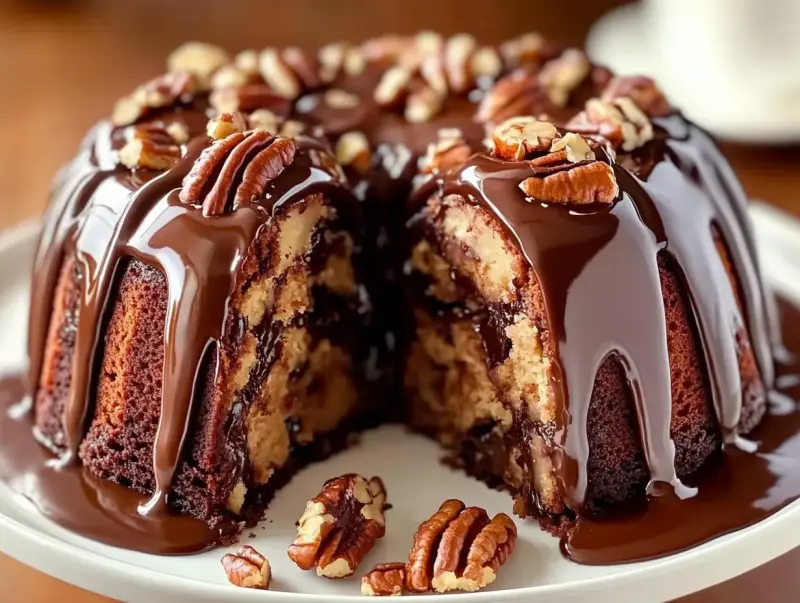
For another tasty apple dessert, try our apple pecan cake with caramel glaze, which offers a delicious twist!
Frequently Asked Questions
What type of apples are best for this Irish Apple Cake? Granny Smith apples work great in this recipe due to their tartness and firm texture, but feel free to experiment with other varieties like Honeycrisp or Braeburn for added sweetness!
Can I make this cake ahead of time? Yes! You can bake the cake a day before serving. Just store it at room temperature and dust with confectioner's sugar just before you serve for a fresh look.
How can I prevent the cake from becoming soggy? To keep the cake tender and not soggy, make sure to properly drain any excess moisture from the apples and bake the cake until it's set and golden on top.
What can I serve with the Irish Apple Cake? This cake pairs beautifully with a warm custard sauce, whipped cream, or even a scoop of vanilla ice cream for a delightful dessert experience!
Is this recipe adjustable for dietary restrictions? Absolutely! You can experiment with gluten-free flour to make it gluten-free, and there are also options to substitute eggs with flax eggs for a vegan version.
Recipe Card
The Irish Apple Cake My Family Makes Every St. Patrick's Day
- Prep
- 35 min
- Cook
- 60 min
- Total
- 95 min
- Serves
- 10
- Calories
- 372 kcal
- Carbs
- 50.00 g
Ingredients
- 1/2 cupunsalted butter (at room temperature)
- 1/2 cupgranulated sugar
- 2 largeeggs
- 3 Tbspwhole milk or cream
- 1 1/4 cupsall-purpose flour
- 1 tspbaking powder
- 1 tspcinnamon
- 1/8 tspsalt
- 3Granny Smith apples (peeled and thinly sliced)
- confectioner's sugarfor dusting
- 3/4 cupall-purpose flour
- 1/4 cupold-fashioned rolled oats
- 6 Tbspunsalted cold butter ((cut in small pieces))
- 6 Tbspgranulated sugar
- 6 largeegg yolks
- 1 1/2 cupswhole milk (can also use half and half or cream)
- 1 1/2 tspvanilla
Instructions
- 1
Preheat the oven to 350F and grease a 9 inch springform pan.
- 2
Bring the milk to a simmer over medium heat. Meanwhile whisk the yolks and sugar until well combined. Drizzle a little of the hot milk into the egg mixture, whisking all the time...
- 3
Blend the bits of butter into the flour, sugar, and oats until the butter is incorporated and the mixture has a coarse crumbly texture. Put in the refrigerator.
- 4
Cream together the butter and sugar until light and fluffy. Beat in the eggs, one at a time.
- 5
Whisk together the flour, baking powder, cinnamon, and salt. Fold the dry ingredients into the butter/sugar mixture, along with the milk or cream.
- 6
Spoon the batter into your prepared pan, and smooth out evenly. Top with the sliced apples, and then the streusel topping. Bake for about 50 minutes to an hour...
- 7
Let cool a bit in the pan before removing. Dust with confectioner's sugar before serving.
You might also like
Reviews
Be the first to review this.