- Prep
- 10 min
- Cook
- 20 min
- Total
- 30 min
- Serves
- 1
- Calories
- 287 kcal
- Carbs
- 37.10 g
Introduction
I’ve been making a simplified banana pancake for my little one for years, and this 4-ingredient version is the one I reach for when time is tight. It comes together in under 30 minutes, uses pantry staples, and consistently yields tender, slightly sweet mini pancakes that babies and toddlers can eat with tiny hands. When I test recipes in my kitchen I pay attention to what actually works on hectic mornings—this one passes the real-world test. The first time I made these I was surprised how much the kitchen smelled like warm banana bread—that cozy aroma fills the house and usually gets at least one family member out of bed. I like that the batter is forgiving: a lumpy banana mixed into eggs and a bit of coconut flour becomes light pancakes that puff up and brown evenly when you manage the heat. I found a small trick: start at medium heat and drop to medium-low to finish so they cook through without burning. What I love most as a parent is how flexible these pancakes are. They’re naturally sweet from ripe bananas, free of added sugars, and easy to tweak for allergies or dietary needs. Below I walk through what I use in my kitchen, why coconut flour is a smart choice for this recipe, how to cook them, and practical prep and storage tips that make mornings simpler.Why These Kid-Friendly Banana Pancakes Are Perfect for Busy Parents
These pancakes are designed to solve real, everyday problems: they require very little hands-on time, use only a few ingredients you probably already have, and make portions that are easy to control for young children. The full prep and cook time is short—about half an hour from start to finish—so they fit into rushed mornings without sacrificing nutrition. Because the ingredient list is minimal, you can adapt the recipe to meet dietary needs quickly—swap in a plant-based milk, make them egg-free for vegan variants, or keep them grain-free for gluten-sensitive kids. The aroma of warm bananas and light toasty notes from the pan signals breakfast is ready and often makes picky eaters curious enough to try a bite.Everything You Need for Kid-Friendly Banana Pancakes
Below I talk through the role of each core ingredient and reliable substitutes so you can shop or swap with confidence. The contrast between a vibrantly speckled ripe banana and the pale, slightly thick batter is a helpful visual cue while you work.- Banana – Acts as natural sweetener and binder; choose bananas with brown spots for concentrated sweetness and easy mashing. Overripe bananas produce a more uniform batter.
- Eggs – Provide structure and protein; they help pancakes puff and hold together. For vegan options see the Variations section below.
- Coconut flour – Absorbs moisture and gives body without grains; it behaves differently than wheat flour, so you only need a little. For a nut-free swap, some cooks use oat flour carefully (see Variations), but coconut flour keeps these grain-free and baby-safe when used properly.
- Milk of choice – Thins batter and adds moisture; use dairy-free milk to keep the recipe dairy-free. Use higher-quality milk to avoid off-flavors if serving to small children.
Nutrition Snapshot: Protein, Fiber, and Baby-Safe Facts
Here’s a quick breakdown of what a serving delivers and why it matters for growing kids: the pancakes provide a balance of protein and carbohydrates with moderate fat, plus natural fruit sugars rather than added sugars. Estimated nutrition for one serving includes approximately 287 kcal, 10.1 g fat, 37.1 g carbohydrates, and 15.3 g protein. Protein from eggs supports muscle growth and keeps little tummies satisfied between meals. Fiber from the banana and coconut flour helps with regular digestion and adds bulk to the meal so snacks don’t become urgent right after breakfast. Bananas also supply potassium and several micronutrients that support overall growth. Because the sweetness comes from ripe banana, you avoid added sugar while still offering a palatable breakfast for kids. For a nutritious dessert that kids will love, try our banana strawberry cheesecake fantasy.The Secret to Fluffy, Baby-Safe Pancakes (Why Coconut Flour Works)
Coconut flour is much more absorbent than grain flours, so it gives structure with a smaller amount. That absorbency helps the batter hold moisture from the banana and eggs, producing pancakes that are tender and slightly cake-like rather than dense. Because coconut flour soaks up liquid, it’s easy to overdo it—use only a small portion and adjust with milk to reach a batter you can drop from a spoon. Cooking temperature is also part of the secret. Start the pan on medium heat so the pancakes get color on the underside, then lower to medium-low so the inside cooks through without burning the outsides. Watch for small bubbles around the edges and a slight puffing as your cue to flip; that gentle rise is the texture you want.How to Make Kid-Friendly Banana Pancakes (Step-by-Step)
- Prepare the banana: mash one medium ripe banana until mostly smooth—some small lumps are fine and add texture.
- Mix eggs and banana: crack two eggs into the mashed banana and whisk together until combined; the mixture should be uniform in color with banana flecks.
- Add coconut flour and milk: stir in the coconut flour and then the milk of your choice. The batter should resemble traditional pancake batter; if it’s too thick, add milk a teaspoon at a time until it loosens.
- Heat the pan: lightly coat a nonstick skillet or griddle with butter, coconut oil, or a neutral oil and warm it over medium heat. I usually start at medium then lower the heat once the first pancakes color up.
- Cook the pancakes: drop about one heaping tablespoon of batter per mini pancake into the hot pan. Cook for 2–3 minutes until the pancakes puff slightly, the underside is golden, and bubbles appear around the edges.
- Flip and finish: flip gently and cook until the other side is golden brown. If pancakes are browning too quickly, lower the heat to avoid burning.
- Repeat: wipe the pan clean if needed and repeat with the remaining batter. This recipe makes roughly nine mini pancakes—perfect for little hands.
- If your batter is gluey or too thick, add milk in very small increments until it reaches a spoonable consistency—I noticed a single extra teaspoon often fixes it.
- If pancakes stick, make sure your pan is well-coated and fully preheated; a nonstick surface helps enormously.
- If the outside browns before the inside cooks, lower the heat and be patient—this is the most common issue and is fixed by less direct heat.
- If pancakes are flat and dense, you may be using too much coconut flour—scale back next time and rely on the banana and eggs to bind.
Pro Tip for Kid-Friendly Banana Pancakes: Freeze in Singles for Quick Mornings
Pro-Tips, Troubleshooting, and Variations below are formatted as bulleted lists for quick scanning.- Cool completely before freezing: let pancakes cool on a wire rack so steam doesn’t make them soggy in the freezer. I usually lay them flat in a single layer first.
- Freeze in singles: place parchment paper between pancakes and stack in an airtight container or freezer bag so you can remove individual pieces quickly.
- Reheat options: for fast mornings, microwave a single pancake briefly or pop them into a toaster (if the pancake is dry enough) or warm them in a skillet over low heat with a splash of oil to restore texture.
- Meal planning idea: freeze cooked pancakes in portions so you can pull a breakfast or snack-sized stack for school lunches or daycare days.
- If you're looking for a sweet dessert to enjoy with your pancakes, try our banana pudding cheesecake for a delightful twist!
Easy Variations: Vegan, Nut-Free, and Flavor Twists
- Vegan swap: replace the eggs with a flaxseed "egg" (ground flaxseed mixed with water) or use mashed applesauce—expect a slightly different texture and add a touch more coconut flour if it seems too wet.
- Nut-free options: coconut flour is naturally nut-free for most families; if you need to avoid coconut entirely, try a small amount of oat flour instead but be mindful that the batter will absorb liquid differently.
- Flavor add-ins: you can stir in a pinch of cinnamon, a drop of vanilla extract, or a handful of mashed berries to vary the flavors while keeping the recipe kid-friendly.
- Seasonal twists: fold in grated apple in autumn or a few mashed strawberries in summer for a seasonal version that’s still soft and easy to chew.
- For a fun breakfast twist, check out our recipe for crispy banana French toast!
How to Store, Reheat, and Batch-Cook These Pancakes
- Short-term storage: keep fresh pancakes in an airtight container in the refrigerator for up to 3 days; separate layers with parchment to prevent sticking.
- Freezer best practices: freeze in a single layer first, then transfer to a freezer-safe bag with parchment between each pancake for long-term storage.
- Reheating methods: microwave briefly for a soft, quick option; toaster or skillet can restore a more toasted exterior—use low heat to avoid drying them out.
- Batch-cooking tips: double or triple the recipe and freeze in meal-sized portions so you always have breakfast ready. When cooking large batches, keep finished pancakes on a low oven rack to stay warm while you finish the rest.
- Consider batch-cooking some baked apple fritters alongside these pancakes for a delicious breakfast arsenal!
Serving and Safety Tips for Babies and Toddlers
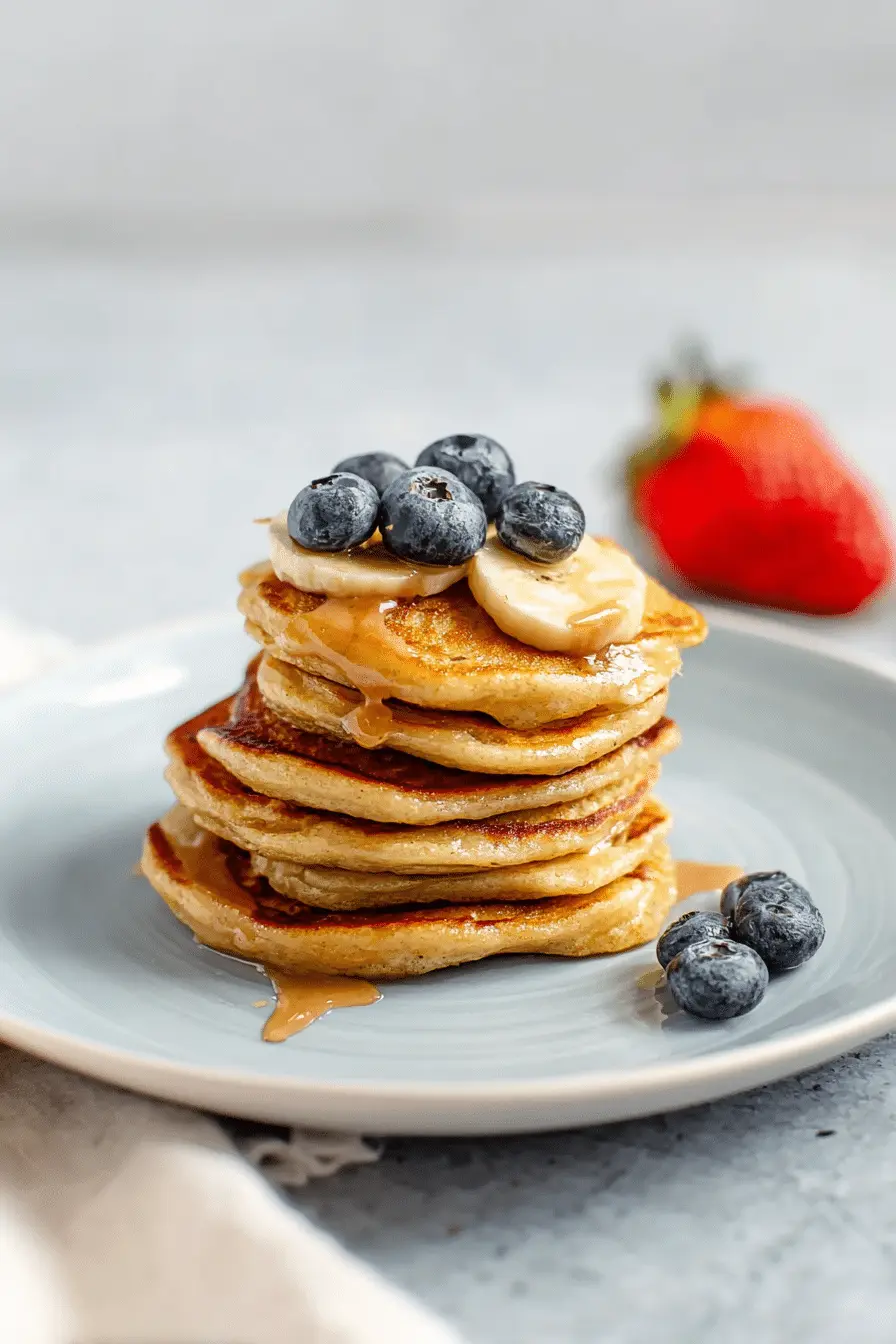
Portion sizes should match your child’s appetite and developmental stage: for younger babies, offer one or two mini pancakes cut into very small, manageable pieces; older toddlers may eat a larger stack. Always supervise meals and offer water alongside to help with swallowing. Choking safety: cut pancakes into small strips or bite-sized pieces for babies just learning to self-feed. Avoid overly large or dense pieces; soft, chewy pancakes are easier to gum and swallow. Pair with a protein-rich dip like plain yogurt or a thin smear of nut butter (if there are no allergy concerns) to round out the meal and help with satiety. Visualize a small plate of warm, golden mini pancakes, a little smear of yogurt on the side, and a happy child practicing feeding skills—simple, nutritious, and safe.Frequently Asked Questions
How do you make banana pancakes for kids? To make banana pancakes for kids, mash one ripe banana, mix it with two eggs, add coconut flour and a splash of milk. Cook spoonfuls of batter in a greased pan over medium heat until golden on both sides. Serve warm. What are the three ingredients in banana pancakes for kids? The basic ingredients are a ripe banana, eggs, and coconut flour. You can add a little milk as needed to adjust the batter consistency. Are banana pancakes good for kids? Yes. Banana pancakes are a healthy and kid-friendly option—naturally sweet, simple to make, and a balanced breakfast when paired with a protein-rich side. They’re also easy to adapt for dietary restrictions. Can I freeze these pancakes for later? Yes. Freeze pancakes in singles with parchment between each piece to prevent sticking, then reheat in the microwave, toaster, or skillet for quick breakfasts. How can I make these pancakes vegan? Replace the eggs with a flaxseed "egg" (ground flax mixed with water) or applesauce, and use plant-based milk to keep them dairy-free and vegan-friendly.Recipe Card
How I Make Kid-Friendly Banana Pancakes with 4 Simple Ingredients
- Prep
- 10 min
- Cook
- 20 min
- Total
- 30 min
- Serves
- 1
- Calories
- 287 kcal
- Carbs
- 37.10 g
Ingredients
- 1 mediumripe banana (best with brown spots)
- 2 largeeggs
- 2 tablespoonscoconut flour (*)
- 1 tablespoonmilk of choice (dairy-free is recommended)
Instructions
- 1
In a medium bowl, mash your banana until smooth. Crack two eggs into the bowl and whisk until well combined. Add coconut flour and milk, mix until batter is similar to traditional pancake batter. Adjust thickness with more milk if needed.
- 2
Lightly coat a nonstick pan with oil or butter and heat over medium. Add a tablespoon of batter for each pancake and cook for 2-3 minutes until puffed and golden. Flip and cook until both sides are golden brown.
- 3
Repeat the cooking process with remaining batter, making about 9 mini pancakes total. Serve with nut butter or yogurt. Ensure sizes are appropriate for children.
You might also like
Reviews
Be the first to review this.