Korean Cucumber Salad: An Incredible Ultimate Recipe for an Amazing Side Dish
- Prep
- 10 min
- Total
- 30 min
- Serves
- 4
- Calories
- 100 kcal
- Protein
- 3.00 g
- Carbs
- 7.00 g
- Fat
- 7.00 g
On this page14 quick jumps
TOC
14 quick jumps
Introduction
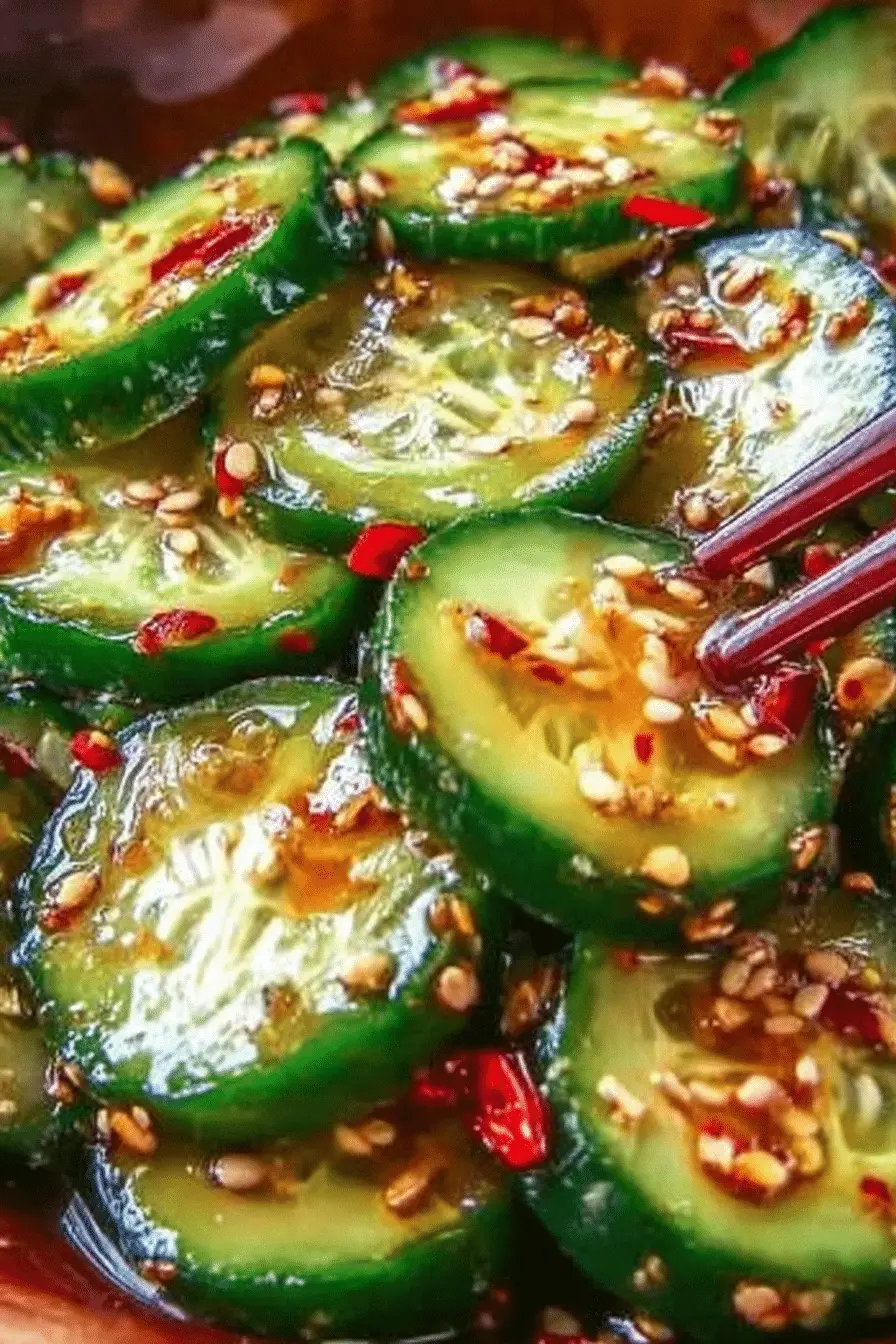
I keep my cooking refreshing, vibrant, and simple — especially on weeknights when dinner needs to be fast but interesting. This Korean cucumber salad is one of those recipes I rely on when I want a bright, crunchy side that still feels special. It comes together quickly and gives a meal instant lift with minimal fuss. When I make this salad I think about contrasts: cool, crisp cucumber against a lively dressing that’s tangy, salty, and slightly spicy. The sesame oil and seeds add that toasty aroma that ties everything together — you can almost smell it before you taste it. I also appreciate how forgiving this dish is: small swaps here or there won’t ruin the result. I’ll walk you through what matters most — the right cucumber, the small technique that keeps the crunch, and simple swaps that make it vegan-friendly when needed. This is the kind of side I make repeatedly because it’s fast, reliable, and delicious.Transform your meals with this refreshing, spicy side dish that packs a punch!
This salad balances spicy and tangy in a way that feels lively but clean. The rice vinegar brings a bright acidity, soy sauce adds savory depth, and chili flakes or gochugaru give the peppery lift that makes each bite interesting. Visually, the pale green cucumber, flecks of red chili, and bright green scallions make the bowl pop — it wakes up even the simplest plate. Texturally, the contrast is the star: cool, crunchy cucumber against a silky, slightly viscous dressing. Serve it alongside grilled proteins, rice bowls, or noodle dishes — it pairs with classic Korean mains but also plays well with grilled fish, roast chicken, or a simple bowl of steamed rice. For additional ideas, check out our refreshing cucumber dill chicken salad that complements the flavors of the Korean Cucumber Salad.Everything You Need for Korean Cucumber Salad
- Cucumbers – Use Korean or Persian cucumbers if you can; they’re crisper and less watery than standard slicing cucumbers. If unavailable, pick firm, young cucumbers.
- Salt – Used to draw out excess moisture so the cucumbers stay crunchy and the dressing doesn’t get diluted.
- Rice vinegar – Provides the bright, clean acidity that keeps the salad tasting fresh.
- Soy sauce – Adds savory, umami depth. Swap with coconut aminos if you need a soy-free option.
- Chili flakes or gochugaru – Gives the heat and that slightly smoky, authentic Korean pepper note; adjust to taste.
- Sugar – Balances acidity and heat with a touch of gentle sweetness.
- Sesame oil – Brings aroma and a rich, nutty finish; toasted sesame oil is the one to use for full flavor.
- Sesame seeds – Add crunchy nuttiness and visual contrast on top.
- Green onions – Fresh, oniony brightness that lifts the whole salad.
- Garlic (optional) – Offers a bite of pungency if you want more savory complexity; use sparingly if included.
The Secret to the Perfect Crunchy Texture
- Salt the cucumbers briefly to pull out excess water. Let them sit just long enough to release moisture but not so long that they turn limp — this concentrates flavor and preserves crunch.
- After salting, rinse quickly under cold water to remove excess salt and immediately pat dry. The rinse prevents the salad from tasting overly salty while keeping the structure intact.
- Slice evenly for uniform bite. A mandoline or a sharp knife helps make consistent slices so every mouthful has the same satisfying snap.
- Dress just before serving if you want the crispiest texture; if you’re chilling the salad to let flavors meld, do so briefly so the cucumbers keep some crunch.
- For busy cooks: salt while you prep other ingredients. This short passive step saves active time without extra effort.
Why Quality Ingredients Matter in Salad Dressings
A simple dressing shows every ingredient. Good rice vinegar tastes clean and bright; low-quality versions can be sharp or flat. Toasted sesame oil is aromatic and can transform the dressing — a small drizzle goes a long way. Fresh green onions and freshly toasted sesame seeds give aroma and texture that dried or stale versions can’t match. Using better soy sauce (or a suitable alternative) boosts umami with less added salt, so the whole dressing feels rounder. If you want to explore how ingredient quality changes a cucumber salad, try our creamy cucumber salad to compare textures and flavor impact: creamy cucumber salad.How to Make Korean Cucumber Salad (Step-by-Step)
- Wash and slice the cucumbers to your preferred shape — rounds or half-moons work best for even dressing coverage.
- Place the slices in a bowl and sprinkle with salt; toss and let rest so moisture is drawn out for a short period (this step concentrates flavor and preserves crunch).
- While the cucumbers rest, whisk together rice vinegar, soy sauce (or substitute), chili flakes or gochugaru, a bit of sugar, sesame oil, and minced garlic if using until the sugar dissolves.
- Rinse the cucumbers under cold water briefly to reduce surface salt, then pat dry with a clean towel to remove excess moisture.
- Toss the cucumbers with the dressing until evenly coated, then sprinkle green onions and toasted sesame seeds on top and give the salad one gentle toss.
- Chill briefly if you prefer melded flavors — about 20 minutes is enough to marry the tastes without losing too much crunch.
Expert Tips for Making It Vegan-Friendly
- Swap soy sauce for coconut aminos or a gluten-free tamari if you need gluten-free; both keep savory depth while changing the sodium and flavor profile slightly.
- Keep the sesame oil and seeds — they’re vegan and provide the crucial toasty note that anchors the dressing.
- If you avoid refined sugar, use a small amount of maple syrup or rice syrup to balance acidity; taste as you go so sweetness remains subtle.
- Pair with vegan mains like grilled tofu, vegetable bibimbap, or simple steamed rice bowls. If you want a creamy vegan dip alongside, try pairing it with some homemade tzatziki sauce for an excellent flavor boost.
- Nutrition note: the salad is naturally low in calories and hydrating; swapping soy and sugar as above adjusts sodium and simple-sugar content for different diets.
Pro-Tip for Korean Cucumber Salad
- I like to slice cucumbers thin and even — a mandoline is my shortcut for consistent slices that look great and hold dressing evenly.
- If the salad tastes too salty after salting, I rinse and pat the cucumbers again; a quick rinse resets the seasoning without losing texture.
- To make ahead without sogginess: keep the dressing separate and toss just before serving, or dress lightly and store in a shallow container to limit liquid pooling.
- Garnish last-minute with sesame seeds and scallions so they stay bright and crunchy; toasted sesame seeds add the aroma that signals the salad is ready.
- Troubleshooting: if cucumbers go limp, refresh them briefly in an ice water bath for 10 minutes to perk them back up; if dressing is flat, add a splash more vinegar and a pinch of sugar to rebalance.
Variations to Try
- Add thinly sliced carrots or radishes for extra color and crunch — they bring visual interest and complementary texture.
- Mix in fresh herbs like cilantro or mint for a brighter, herb-forward version that pairs well with spicy dishes.
- Swap chili flakes for a small spoon of gochujang mixed into the dressing for a deeper, fermented chili note and a touch more body.
- Make a sesame-citrus variation by adding a little orange or lemon zest for a seasonal twist that’s great with seafood.
- For a light meal, serve the salad alongside a warm bowl of spring vegetable soup for a balanced plate: spring vegetable soup.
Storage Tips
Store the salad in an airtight container in the refrigerator. For the best texture, keep the dressing separate if you plan to store it more than a few hours — cucumbers release water over time, and separated storage prevents sogginess. Properly kept, the salad will last about two to three days, though it’s best within the first day for crunch. If leftovers look a bit flat, toss with a splash of fresh rice vinegar and a quick stir to brighten flavors; a short rest at room temperature can also reawaken aromas before serving.Cultural Significance of Oi Muchim
Oi Muchim is a classic banchan (side dish) in Korean cuisine — small plates meant to complement the main course and provide flavor contrast. It’s often served with rice and grilled or stewed dishes, offering a refreshing counterpoint to richer flavors. The use of gochugaru, sesame oil, and rice vinegar reflects common Korean pantry staples that balance heat, aroma, and acidity. Regional variations exist across Korea; some versions use more garlic, some add a fermented kick, and others focus on light, vinegary notes. The dish’s simplicity and reliance on seasonal cucumbers make it a summer favorite, bringing coolness to the table during hot months. I love this salad because it’s fast, reliable, and full of personality — the sort of side I reach for when I want something that feels homemade but won’t slow dinner down. Try one of the variations above next time you serve it and watch how it brightens your meal.Frequently Asked Questions
What’s in a Korean cucumber salad? A Korean cucumber salad typically includes cucumbers, salt, rice vinegar, soy sauce, chili flakes or gochugaru, sugar, sesame oil, sesame seeds, green onions, and garlic (optional). Is Korean cucumber salad healthy? Yes! This salad is low in calories, packed with electrolytes, and hydrating, making it a nutritious side dish. It’s also gluten-free and can be made soy-free. How are Korean cucumbers different from regular cucumbers? Korean cucumbers are usually thinner, with a tender and taut skin. They have a unique texture, and some may have smooth skin while others are slightly bumpy. Can I make this salad vegan? Absolutely! This salad is naturally vegan as it doesn’t contain any animal products. Just ensure the ingredients like soy sauce are vegan-friendly. How long can I store Korean cucumber salad? You can store Korean cucumber salad in the refrigerator for about 2-3 days in an airtight container. However, it’s best enjoyed fresh for optimal crunch.Ingredients
- 2 largecucumbers (Korean or Persian)
- 1 teaspoonsalt
- 2 tablespoonsrice vinegar
- 1 tablespoonsoy sauce
- 1 tablespoonchili flakes (or gochugaru)
- 1 teaspoonsugar
- 1 tablespoonsesame oil
- 1 tablespoonsesame seeds
- 2 numbergreen onions, finely chopped
- 1 clovegarlic, minced (optional)
Instructions
- 1
Wash the cucumbers thoroughly. Cut them into thin slices, either round or half-moons according to your preference.
- 2
Place the sliced cucumbers in a large bowl. Sprinkle with salt, and mix well. Let them sit for about 10 minutes to draw out excess moisture.
- 3
In a separate bowl, combine the rice vinegar, soy sauce, chili flakes, sugar, sesame oil, and minced garlic if using. Stir until the sugar is dissolved.
Taste as you go. Recipes are a guide, not a contract.
- 4
After the cucumbers have released some moisture, drain them and rinse under cold water to reduce the saltiness. Pat dry with a clean towel.
- 5
In the bowl with the cucumbers, add the dressing you just prepared. Toss to ensure all the cucumber slices are evenly coated.
- 6
Sprinkle the chopped green onions and sesame seeds over the salad, and give it one last gentle toss to mix everything.
- 7
For best results, let the salad chill in the refrigerator for about 20 minutes before serving. This allows the flavors to meld beautifully.
Recipe Card
Korean Cucumber Salad: An Incredible Ultimate Recipe for an Amazing Side Dish
Keep it handy for later, send it to someone cooking with you, or open the clean print view.
- Prep
- 10 min
- Total
- 30 min
- Serves
- 4
You might also like
The Salad My Guests Always Ask For: Strawberry Watermelon & Burrata
May 23, 2026
The Smashed Asian Cucumber Salad I Make for Hot Weeknights
May 23, 2026
The Kid-Approved Orange-Honey Fruit Snacks That Boost Immunity
May 21, 2026
How I Stash Summer in Jars: Watermelon Jelly (Quick & Easy)
May 21, 2026
Reviews
Be the first to review this.