- Prep
- 25 min
- Cook
- 20 min
- Total
- 45 min
- Serves
- 4
- Calories
- 610 kcal
Introduction
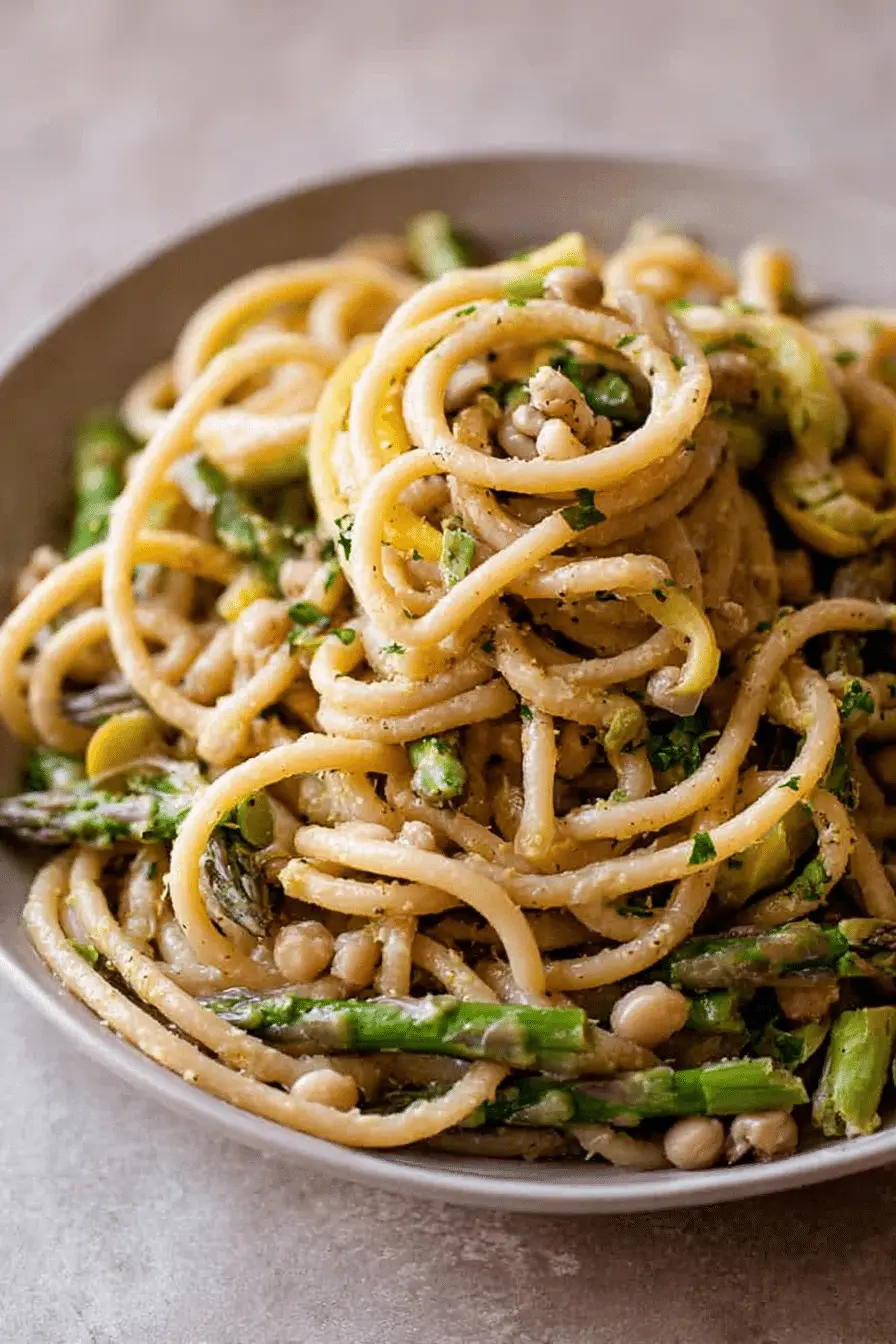
I cook a lot of one-pan dinners in my tiny kitchen, and lemon asparagus pasta is one of those recipes I reach for when I want something that feels both light and generous. I love how a handful of pantry staples and a mound of seasonal asparagus turn into a vibrant, satisfying meal in under 45 minutes. In my kitchen this dish is equal parts spring freshness and comfort-food simplicity.
I first made this when asparagus was at peak season and the lemons smelled impossibly bright. I split the lemon zest so some gets stirred into the sauce and some lands on top at the end — that little split makes a huge difference in lift and aroma. I learned the hard way that overcooking the asparagus flattens the whole dish, so achieving crisp-tender spears is non-negotiable.
Between the zip of lemon, the crunch of toasted walnuts, and the silky sauce made with olive oil and starchy pasta water, this pasta works for quick weeknight dinners, an easy date-night at home, or a light spring lunch. I keep the recipe flexible so you can add beans or a quick pan-seared protein if you need more staying power. The result is bright, inviting, and clever in its simplicity.
Below I break down what I use, what I swap, and how I get the textures just right so you can get to the table fast without sacrificing flavor.
Bright, quick, and nutritious: why lemon asparagus pasta fits weeknights
Lemon asparagus pasta is perfect for busy nights because it comes together quickly and relies on fresh, seasonal ingredients to carry the flavor. This recipe serves four and is designed to be completed in under 45 minutes, so you can go from boiling water to dinner in the same hour you typically spend fretting over takeout menus.
The bright lemon and green asparagus bring vitamins and a freshness that feels nourishing after a long day, while walnuts and white beans add fiber and satisfying texture. The dish is flexible: keep it simple for a casual meal, or dress it up with extra herbs and a composed garnish for a special occasion.
Everything You Need for Lemon Asparagus Pasta
Freshness matters here: fragrant herbs, good-quality olive oil, and ripe lemons make the sauce sing. Below is a conversational guide to the ingredients and easy swaps so you can tailor the dish to what you have on hand.
- Spaghetti or long pasta – The classic vehicle for this sauce; picks up the lemony oil and bits of asparagus beautifully. Gluten-free long pasta works well if you need a swap.
- Fresh lemons – Both juice and zest are essential: juice for the sauce, zest added at the end for brightness.
- Extra virgin olive oil – The backbone of the sauce; choose a fruity, balanced bottle for best results.
- Shallots – Add sweet, oniony depth; you can use a small onion or green onions in a pinch.
- Garlic – For aroma and savory balance; slice or mince depending on how pronounced you want it.
- Dijon mustard – Helps emulsify the lemon and oil into a creamy sauce without dairy.
- Asparagus – Trim and slice on the bias so each piece has tender tip and crisp stalk; freshness equals snap.
- Toasted walnuts – Provide crunchy contrast; almonds or pistachios are good alternatives.
- Nutritional yeast – Gives a savory, cheesy note for a vegan-friendly finish; you can omit or swap with grated Parmesan if not vegan.
- Fresh herbs (parsley and basil) – Bright, aromatic finishers; use what’s freshest.
- Capers and olives – Optional, for briny punches that cut through the lemony oil.
- White beans – Optional protein and fiber boost; perfect for making the dish more filling while keeping it plant-forward.
- Salt and pepper – Simple seasoning that makes everything pop.
The secret to the perfect texture: al dente pasta and crisp-tender asparagus
Getting the textures right is what transforms this from a decent weeknight plate into something memorable. With lemon asparagus pasta the goal is contrast: tender-but-firm pasta against bright, slightly crunchy asparagus. Here’s how I think about it.
- Cook the pasta to just al dente so it still offers a little bite; it will finish cooking briefly in the pan with the sauce.
- When sautéing asparagus, aim for crisp-tender — you want vibrant green color and a gentle snap when you bite. Thick stalks take slightly longer; slice them on the bias so they cook evenly and faster.
- Emulsify the sauce by whisking or shaking lemon juice, olive oil, and a bit of mustard together, then finish in the pan with starchy pasta water so the oil and juice bind into a silky coating. The starch in the water is the science behind the creaminess without dairy.
- Use sensory cues: watch for the color change in asparagus (bright green), feel for a slight resistance when you pierce the stalk with a fork, and smell the garlic and lemon coming together in the pan.
Best pasta choices (including gluten-free swaps) for a light, satisfying meal
Different pasta shapes shift the mouthfeel of the dish. For a light, classic presentation, long strands are my go-to; short shapes create bite-sized pockets for the asparagus and walnuts.
- Spaghetti or linguine – Classic and elegant; strands wrap around the asparagus and pick up the sauce.
- Fettuccine or bucatini – Wider or hollow shapes give a heartier chew if you prefer more substance.
- Penne or rigatoni – Short shapes that hold bits of asparagus and crushed walnuts in their grooves.
- Gluten-free options – Chickpea, brown rice, or corn-based long pastas work well. Pick a brand you like and cook to package directions so they remain al dente.
For a richer protein pairing, consider serving this pasta alongside a quick pan-seared chicken recipe like this creamy garlic parmesan chicken if you want a non-vegetarian option.
Nutrition boost: how to add protein and fiber without losing flavor
Health-conscious eaters will appreciate how easy it is to add protein and fiber without dulling the bright flavors. I often add beans or a quick protein to make the meal last longer through the afternoon.
- White beans (navy, cannellini) – Stirred in at the end, they add creamy texture and plant protein without overpowering the lemon.
- Chickpeas or firm tofu – Pan-roasted and seasoned, they’re an easy protein upgrade that keeps the dish plant-forward.
- Nuts and seeds – Crushed walnuts increase healthy fats and add crunch; pumpkin seeds or sunflower seeds work too.
- Whole-grain or legume pasta – Swap in whole wheat or chickpea pasta for a boost in fiber and protein.
For a seafood option that pairs beautifully, try adding garlic shrimp — it’s a quick finish that complements the citrus notes in this dish: garlic butter shrimp.
How to Make Lemon Asparagus Pasta (Step-by-Step)
- Bring a large pot of salted water to a boil and cook your pasta until just al dente, stirring occasionally. Reserve a cup of pasta water before draining.
- Zest the lemons, dividing the zest into two piles; juice the lemons and combine the juice with olive oil, Dijon mustard, salt, and pepper, whisking or shaking to emulsify into a lemon sauce.
- Heat oil in a skillet over medium heat, add sliced shallots and garlic, and sauté until translucent and fragrant; add red pepper flakes if you like a touch of heat.
- Add sliced asparagus and season with salt and pepper; cook until crisp-tender and brightly green — don’t overcook.
- Toss the hot pasta into the pan with the asparagus, pour in the lemon sauce, add crushed toasted walnuts and nutritional yeast, and stir while adding reserved pasta water a splash at a time until the sauce emulsifies and clings to the pasta.
- Fold in the remaining lemon zest, herbs, capers, olives, or white beans if using; briefly warm everything together so flavors marry, then serve immediately.
Pro Tip for lemon asparagus pasta: use starchy pasta water to create a naturally creamy sauce
- I always reserve pasta water because its starch helps the lemon-and-olive-oil dressing bind into a silky coating. Add it a little at a time while tossing until the sauce feels creamy and glossy, not watery.
- Timing tip: add the first splash of pasta water while the pan is still hot so the starch loosens and emulsifies quickly.
How to Store, Reheat, and Meal-Prep Lemon Asparagus Pasta
Store leftovers in an airtight container in the refrigerator for up to three days. To keep the asparagus from going floppy, undercook it slightly at first if you plan to reheat later. When reheating, warm gently on the stove with a splash of water or extra olive oil to revive the sauce and prevent the pasta from drying out.
For meal-prep: keep the pasta and any beans or proteins together, but if you want maximum freshness, store the herbs and crunchy toppings separately and add them just before serving. If you enjoy heartiness during your meal prep rotation, consider pairing the pasta with a warming soup like this creamy lentil soup for variety across the week.
Lemon asparagus pasta variations: garnishes and toppings
- Toasted walnuts or pine nuts for crunch.
- Capers, halved Castelvetrano olives, or a spoonful of preserved lemon for briny notes.
- Fresh basil and parsley ribbons for brightness and color.
- Lightly pan-seared tofu cubes or white beans for added protein.
- Grated vegan Parmesan or nutritional yeast for savory depth, or shaved hard cheese if not vegan.
- Make your dish more vibrant by adding elements from our spring green risotto — pick a few toppings to transfer the color and texture play.
Unique twists: Asian-inspired and Mediterranean variations
- Asian-inspired – Replace some of the olive oil with toasted sesame oil, add a splash of soy or tamari, toss in scallions and toasted sesame seeds, and finish with cilantro for a citrus-sesame profile.
- Mediterranean – Amp up olives, capers, and sun-dried tomatoes; finish with oregano and a drizzle of herb-infused olive oil for a heartier, rustic flavor.
- Herbed ricotta swirl – If you’re not keeping things vegan, a spoonful of ricotta stirred in just before serving makes the sauce luxuriously creamy.
Troubleshooting
- If the sauce is too thin, I add more pasta water and toss until it emulsifies — it’ll thicken as it cools a touch.
- If the asparagus is limp, I blame overcooking; next time I reduce sauté time and slice stalks thinner so they cook faster.
- If the lemon is too tart, a small pinch of sugar or a drizzle more olive oil balances the acidity without masking the citrus.
- If the pasta sticks after draining, toss it immediately with a little oil or return briefly to the hot pan with the sauce so it rehydrates and separates.
Frequently Asked Questions
Can I use a different type of pasta for the lemon asparagus pasta?
Absolutely! You can use any type of pasta you enjoy. For a lighter option, try whole wheat or gluten-free pasta if needed.
What can I substitute if I don't have shallots?
If you don't have shallots on hand, you can use a small onion or green onions as a substitute. Just be sure to adjust the quantity based on your taste preference.
How can I make this dish vegan?
The lemon asparagus pasta recipe is already vegan! Just ensure that any added ingredients, like nutritional yeast, are also plant-based.
What's the best way to store leftover lemon asparagus pasta?
Store leftovers in an airtight container in the refrigerator for up to 3 days. Reheat gently on the stove or in the microwave, adding a splash of water if needed.
Can I add protein to this lemon asparagus pasta?
Yes! You can add cooked chickpeas, white beans, or your choice of protein to increase the dish's nutrition without compromising its fresh flavors.
Recipe Card
The Best Lemon Asparagus Pasta — Ready in 30 Minutes
- Prep
- 25 min
- Cook
- 20 min
- Total
- 45 min
- Serves
- 4
- Calories
- 610 kcal
Ingredients
- 10 ouncesspaghetti
- 2 medium-largelemons
- 6 1/2 tablespoonsextra virgin olive oil, divided
- —Kosher salt and freshly cracked black pepper
- 1/2 teaspoonDijon mustard
- 2 mediumshallots, thinly sliced
- 4 clovesgarlic, thinly sliced
- 1/4 teaspoonred pepper flakes, optional
- 1 bunchasparagus, sliced thinly on a bias into 1-inch pieces
- 1/2 cuptoasted walnuts, finely crushed
- 3 tablespoonsnutritional yeast
- 1/2 cupItalian flat-leaf parsley, chopped
- 1/2 cupfresh basil leaves, slivered
- 2 tablespoonscapers, drained, optional
- 1/4 cupCastelvetrano olives, sliced in half, optional
- 1 cannavy beans or other white beans, rinsed and drained, optional
Instructions
- 1
Bring a large pot of water to a boil for the pasta. Add a generous amount of salt. Add the pasta and cook according to the package directions, stirring occasionally, until just al dente. Drain the pasta, reserving 1 cup of the pasta water.
- 2
Zest the lemons and divide the zest into two piles. Set aside.
- 3
Meanwhile, make the Lemon Sauce. In a mason jar, combine lemon juice, olive oil, Dijon mustard, kosher salt, and black pepper. Shake until emulsified.
- 4
Cook the asparagus. Heat olive oil in a pan over medium heat. Add shallots and garlic, cooking until golden. Add red pepper flakes if using, and then add asparagus. Season with salt and pepper, cooking until crisp-tender.
- 5
Add the hot cooked pasta and the Lemon Sauce to the asparagus mixture, along with the crushed walnuts and nutritional yeast. Add pasta water as needed, tossing until the sauce is emulsified.
- 6
Add the remaining lemon zest, basil, parsley, capers, olives, and white beans if using. Toss again and briefly cook. Serve immediately.
You might also like

Reviews
Be the first to review this.