- Prep
- 45 min
- Cook
- 15 min
- Total
- 120 min
- Serves
- 12
- Calories
- 200 kcal
Introduction
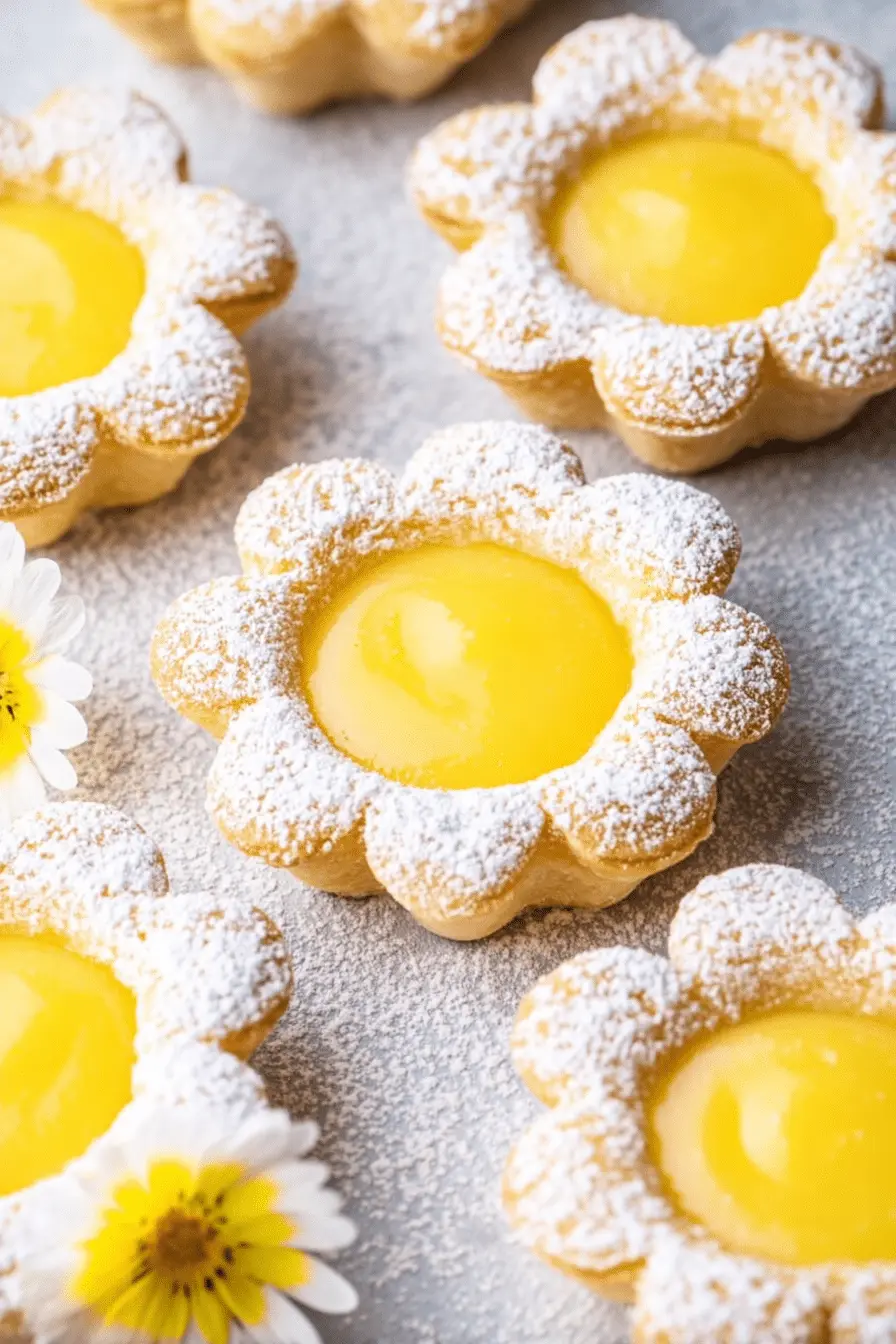
I’ve made lemon curd tartlets for years when I want something that looks elegant but doesn’t demand all day in the kitchen. In my kitchen they’re my go-to for afternoon tea because they’re small, bright and they let the lemon sing against a crisp, golden shell. These are the tartlets I bring when I want guests to pause, smile and reach for another. I love arranging them on a pretty platter — the pop of sunshine-yellow curd against lightly browned pastry is irresistible. The scent of fresh lemon zest while you’re making the curd fills the kitchen and makes guests ask when dessert will be ready. I’ll often shape a few into little flowers for a special occasion; they look so pretty in a cluster on a cake stand. When I test these at home I focus on two things: a shell that snaps when you bite it, and a curd that’s glossy and completely smooth. Over the years I’ve learned which steps protect that texture and which shortcuts are worth taking when time is tight. If you love tartlets, you should also try our lemon blueberry tart for another delightful dessert option perfect for gatherings.Why These Lemon Curd Tartlets Are Perfect for Tea Parties and Gatherings
These tartlets are the kind of small-bite dessert that makes a table look thoughtfully curated. When you line them up on a platter they create contrast: the glossy lemon curd against a warm, golden pastry creates a visual that feels festive without fuss. Their bright citrus flavour cuts through sweeter elements on a dessert table and pairs beautifully with teas, lighter coffees and even a sparkling wine. Think about the sensory details: the sharp citrus aroma as you spoon the curd, the satisfying snap of the shell, and the cool velvet of curd on the tongue. They’re easy to eat in one or two bites, which keeps conversations flowing and plates tidy. For an extra citrus spread, consider adding some lemon poppy seed cupcakes to your dessert lineup for guests who want more variety.Everything You Need for Lemon Curd Tartlets
Before you start, make sure your ingredients are at room temperature when called for — that helps the curd emulsify smoothly and gives pastry a tender crumb. Use bright, firm lemons with thin skins if possible; they hold more juice and their zest is full of oil and fragrance. As for tools, a mini cupcake tray, a small round or flower cutter, a fine sieve and a sturdy whisk will make the whole process much easier.- Ready-rolled shortcrust pastry – The shortcut that keeps these quick; it gives even thickness and predictable results. You can also roll your own if you prefer.
- Lemons (zest and juice) – Provide the tart, aromatic backbone. Fresh is essential; bottled juice won’t give the same bright fragrance.
- Caster sugar – Gives sweetness while dissolving smoothly into the curd for a fine texture.
- Eggs – The emulsifiers that set the curd and give it that silkiness.
- Unsalted butter – Adds gloss, richness and a rounded mouthfeel to the curd.
- Icing sugar – For a light dusting to finish; it adds a soft contrast to the tartness.
- Mini cupcake tray – Holds the tart shells in shape while baking so they keep neat edges.
- Fine sieve – Essential for removing any cooked bits of zest or curd for a perfectly smooth finish.
How to Make Lemon Curd Tartlets (Step-by-Step)
- Chill and prep your tray: Generously grease your mini cupcake tray so pastry releases easily after baking.
- Stamp the pastry: Unroll the pastry and cut rounds (or flowers) so they’re slightly larger than each cavity — you want a little overhang to shape the edges.
- Line the tray: Press the pastry gently into each cavity, folding petals outward if you’re making flowers; prick the base with a fork to let steam escape.
- Rest the cases: Place the prepared tray in the fridge for a full hour so the pastry firms up and won’t shrink while baking.
- Bake until pale gold: Preheat your oven and bake the shells until light golden and cooked through — the color is your best doneness guide.
- Release and cool: Let the shells cool in the tray briefly, then turn out onto a wire rack to cool completely; filling hot shells will cause sogginess.
- Make the curd: Combine lemon zest, lemon juice, sugar and butter in a saucepan and warm gently until the sugar dissolves and the butter melts.
- Temper the eggs: Whisk the eggs, then add them to the warm lemon mixture and cook over medium heat, whisking constantly until the curd thickens and coats the back of a spoon.
- Strain and cool: Push the curd through a fine sieve into a bowl to remove zest and any cooked egg bits; let it cool until slightly thickened before filling.
- Fill and chill: Dust the cooled pastry cases with icing sugar, fill to the top with lemon curd and refrigerate until set — chilled curd will hold shape and taste refreshingly bright.
The Secret to a Crisp Shortcrust Shell
- Chill everything: Cold pastry goes into the oven and gives you flaky layers and minimal shrinkage. I always pop my prepared cases into the fridge for an hour before baking.
- Prick the base: Docking the pastry lets steam escape so the base bakes flat and crisp rather than puffing up.
- Watch the color: Bake until the edges and base are light golden — underbaked pastry is soft, overbaked is dry. A springy, textured base and clear golden rim are your cues.
- Release while warm: Let the tray cool slightly, then release the tartlets carefully; this prevents cracking and preserves the shell’s shape.
How to Make Silky, Lump-Free Lemon Curd Every Time
- Warm gently first: Combine zest, juice, sugar and butter over low heat so the sugar dissolves and the butter melts before you add the eggs.
- Temper and whisk: Whisk the eggs lightly, then add them to the warm mixture off the heat if it’s very hot, or pour the mixture into the eggs slowly to temper. Constant whisking while cooking prevents curdling.
- Cook to coat the spoon: Increase the heat and keep whisking until the curd thickly coats the back of a spoon — that’s the point when it will set firmly as it cools.
- Strain for gloss: Pushing the curd through a fine sieve removes any tiny cooked egg bits and zest fragments, leaving a glossy, velvety finish.
Why Temperature and Timing Matter for Texture
- Room temperature ingredients: Eggs and butter at room temperature blend smoothly and reduce the risk of the curd seizing or splitting.
- Controlled heat for curd: Too-high heat cooks the eggs unevenly; steady medium heat with continuous whisking gives a consistent, thick set.
- Resting times: Chilling baked shells fully before filling prevents sogginess. Letting curd cool slightly off the heat before filling gives you a creamier set and cleaner presentation.
- Serving contrast: I like the contrast of a warm shell with chilled curd, but for best texture serve the tartlets cold or just slightly cool so the curd holds and the shell stays crisp.
Pro Tips for Lemon Curd Tartlets: Gluten-Free Shells & Citrus Swaps
- Gluten-free shell (almond flour version): I often make a quick almond-based shell for guests who need gluten-free — almond flour, a little sweetener, a pinch of salt and cold butter pressed into the pan gives a tender, nutty base that crisps nicely.
- Citrus swaps: Swap lemon for lime for a sharper tang, or use orange for a sweeter, softer citrus. When you use a sweeter citrus, reduce sugar slightly to keep the curd balanced.
- Adjust sweetness: Taste the curd before you strain it; if your lemons are very bright, you may want an extra touch of sugar, or a splash of cream for a softer edge.
- Decorating ideas: Pipe the curd neatly and finish with a thin twist of lemon zest or a tiny mint leaf for contrast and freshness.
- Pairing suggestion: For a light savoury pairing, try serving these tartlets with a simple lemon basil chicken salad — it creates a cohesive citrus theme across your menu.For a complete meal, pair the tartlets with an easy lemon basil chicken salad to share with your guests.
- Side dish idea: If you want an herb-forward side, the bright herbs in a lemon dill potato salad can complement the tartlets nicely.Looking for a side dish? Try this refreshing lemon dill potato salad that pairs beautifully with your tartlets.
Troubleshooting
- If your curd is grainy or has cooked egg bits: Remove from heat immediately and whisk vigorously; strain through a fine sieve to restore smoothness — I do this every time I see any texture change.
- If shells shrink or lose shape: You likely need a longer chill before baking; next time chill the lined tray for at least an hour so the pastry firms up and holds its edges.
- If the curd is too runny after cooling: It probably needed a touch more cooking — return to very low heat and whisk until it coats the spoon, then cool and strain.
- If the bases are soft after filling: Ensure the shells are completely cool before filling and keep filled tartlets refrigerated until serving.
Variations
- Berry top: Add a few fresh raspberries or a blueberry on top of each tartlet for colour and a sweet-tart counterpoint.
- Meringue-topped: Pipe a small rosette of Italian meringue and torch briefly for a brunchy lemon meringue mini.
- Herb-infused curd: Steep a sprig of thyme or basil in the warm lemon mixture, then remove before adding eggs for a subtle herbal note.
- Passion fruit swap: Replace part of the lemon with passion fruit pulp for a tropical twist — balance sweetness to taste.
How to Store, Make-Ahead and Serve Lemon Curd Tartlets
Filled tartlets will keep in the fridge for up to three days if covered — the curd stays glossy and the shells remain reasonably crisp for that time. If you want the absolute best texture, bake the shells ahead and freeze them flat; fill from frozen with chilled curd just before serving so the pastry keeps its snap. For serving, I like to dust the pastry with a little icing sugar and arrange the tartlets on a tiered stand with lemon twists and a few fresh mint leaves for colour. These pair beautifully with lighter teas and bright, citrus-forward dishes — for a complete meal, pair the tartlets with an easy lemon basil chicken salad to share with your guests.Frequently Asked Questions
Can I use store-bought lemon curd instead of making my own? Absolutely! If you're short on time, using store-bought lemon curd is a great shortcut. How can I make these tartlets gluten-free? You can substitute the shortcrust pastry with a gluten-free version available at most supermarkets or make your own using gluten-free flour. How long do the tartlets last once made? The tartlets can be stored in the fridge for up to 3 days. Just keep them covered to prevent drying out. Can I freeze the lemon curd tartlets? It's best to freeze the pastry shells separately and fill them with curd just before serving for optimal texture. What other flavors can I use in place of lemon curd? You can experiment with lime, orange, or passion fruit curd for a different twist on these tartlets!Recipe Card
The Lemon Curd Tartlets I Make for Every Tea Party
- Prep
- 45 min
- Cook
- 15 min
- Total
- 120 min
- Serves
- 12
- Calories
- 200 kcal
Ingredients
- 2 packsReady-rolled shortcrust pastry ((each pack weighs 320g, remove from the fridge 30 minutes before using))
- 4 mediumLemons ((juice and zest))
- 200 gCaster sugar
- 4 mediumEggs ((room temperature))
- 50 gUnsalted butter ((room temperature))
- 2 tbspIcing sugar ((for dusting))
Instructions
- 1
Generously grease a mini cupcake tray with butter.
- 2
Unroll both packs of shortcrust pastry and use a 2-inch round cutter (or the rim of a glass) to stamp out circles.
- 3
Press the pastry cases into the mini cupcake tray and prick the bottom with a fork.
- 4
Place the tray in the fridge for 1 hour.
- 5
Preheat the oven to 180°C fan / 200°C conventional and bake for 15 minutes until light golden brown.
- 6
Cool for 10 minutes, then release the cases and cool completely on a wire rack.
- 7
In a medium saucepan, combine lemon zest and juice, caster sugar, and butter.
- 8
Stir over medium-low heat until butter melts and sugar dissolves.
- 9
Whisk the eggs in a jug and pour into the saucepan, whisk to combine.
- 10
Increase heat and whisk continuously until thickened.
- 11
Strain the curd into a bowl and let it cool for 10 minutes.
- 12
Dust pastry cases with icing sugar and fill with lemon curd to the top.
- 13
Chill in the fridge until ready to serve.
You might also like
Reviews
Be the first to review this.