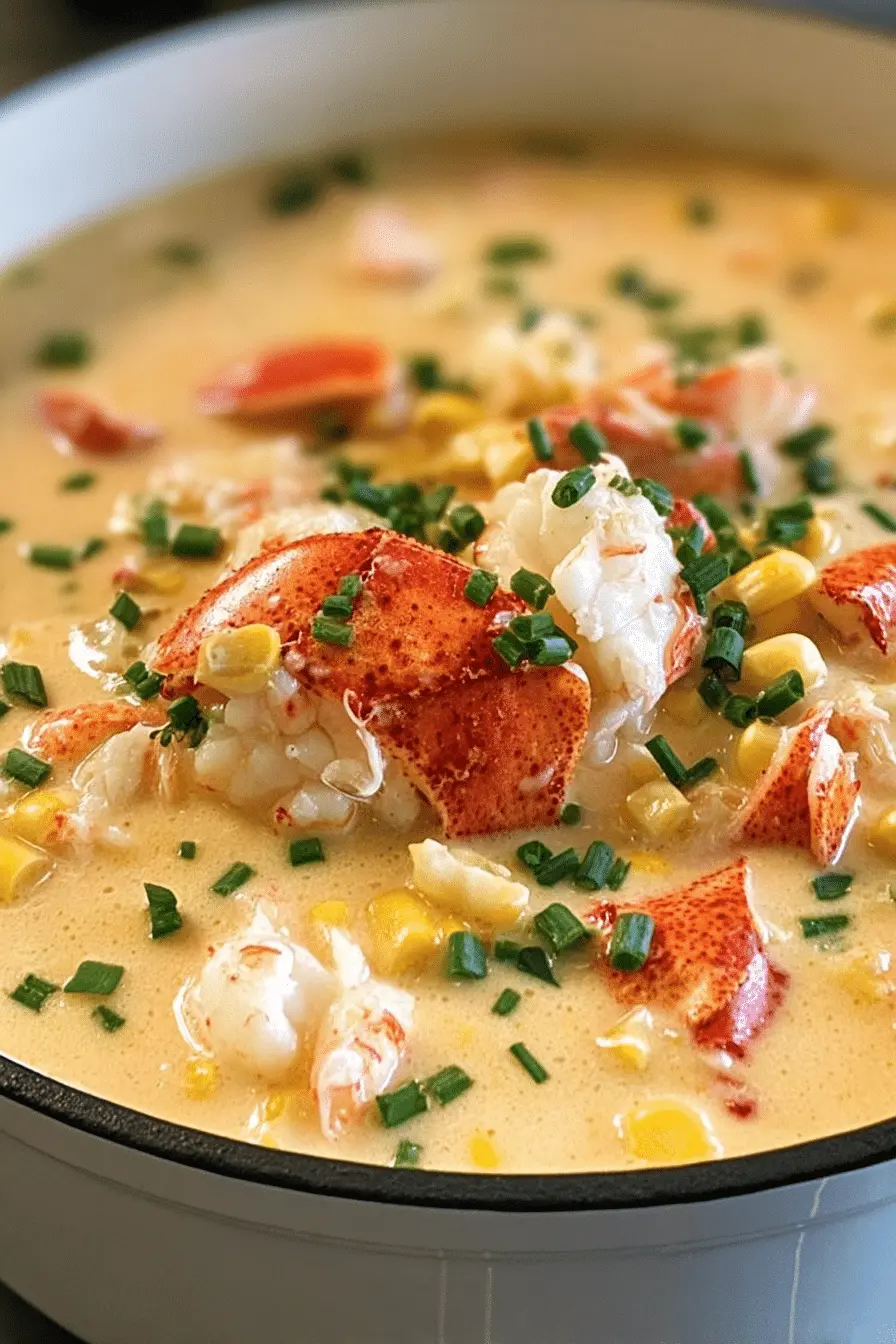
- Prep
- 15 min
- Cook
- 60 min
- Total
- 75 min
- Serves
- 6
- Calories
- 351 kcal
- Carbs
- 28.00 g
Introduction
I remember the first time I set out to make lobster chowder at home: the lobster was sweet, but the texture of the soup was either too thin or strangely pasty. Over the years in my kitchen I learned that great lobster chowder is less about showy ingredients and more about control — of heat, of timing, and of how each layer of flavor is built. I now approach this chowder like a small orchestra: the roux holds the texture, the stock provides a backbone, and the lobster is the soloist that must be handled with restraint. I’ll show you how to coax the pure sweetness from the lobster and pair it with a silky broth that coats the spoon without feeling leaden. In my practice, the same few adjustments fixed nearly every problem: stop the roux from browning, temper liquids slowly, and add lobster at the very end. Those three moves preserve both texture and aroma — you’ll see an amber-tinted chowder and smell the herb-scented sea notes before you taste it. I’ll also share ways to lighten the chowder without losing richness, and how to store and reheat it so the lobster stays tender. If you enjoy seafood, you might also enjoy our creamy seafood chowder recipe!A Technique-Driven Lobster Chowder for Home Cooks Who Want to Master Seafood
This section focuses on the precision that separates a good chowder from a memorable one. Start by thinking of each ingredient in terms of function: starch for body, butter for mouthfeel, stock for depth, and lobster for the sweet, briny finish. Use intentional heat control — medium to medium-low for the aromatic vegetables, lower for the roux — and resist the urge to rush the incorporation of liquids. The aroma should be a restrained mingle of caramelized vegetables, a faint herbaceous top note, and the oceanic sweetness of lobster that will be added late.
Discussing fresh vs frozen vs canned lobster: fresh offers the firmest texture and the clearest lobster flavor; properly thawed frozen meat can be nearly indistinguishable when treated gently; canned is convenient and reliable when you want short-cook convenience. Each option changes how you time the lobster addition and how much residual liquor (for flavor) you rely on.
Technique highlights you should practice: make a blond roux without coloring it, whisk stock in gradually so the base is glossy and lump-free, and keep your final simmer low so the potatoes soften without breaking apart. The result should be a gleaming, amber-honey chowder that smells lightly herbal and impossibly inviting.
Everything You Need for Lobster Chowder
Below I list the ingredients and tools with a focus on purpose and substitutions. I avoid exact measurements here so you learn why each component matters.
- Unsalted butter – Builds silkiness and control; using unsalted lets you season precisely.
- All-purpose flour – Creates the roux that thickens without graininess; rye or rice flour will behave differently.
- Potatoes – Provide body and a creamy mouthfeel when cooked through; waxy vs starchy will change texture.
- Onion, celery, carrots – The classic aromatic trio for depth; sweat gently to coax sweetness without browning.
- Stock (chicken, seafood, or vegetable) – Backbone of flavor; seafood or shellfish stock intensifies the lobster note, chicken stock gives a neutral canvas.
- Milk or dairy – Adds creaminess and smoothness; use half-and-half or a lighter dairy to reduce richness while keeping texture.
- Fresh thyme – Herbal lift; add late to keep bright fragrance.
- Lobster meat – The star; fresh, frozen, or canned all work if handled correctly (see preparation section).
- Tools – A heavy-bottomed saucepan or Dutch oven for even heat, a sturdy whisk for the roux, a heatproof spoon for stirring, and a slotted spoon or small tongs for removing lobster pieces.
If you're looking for lighter seafood options to serve alongside or as an alternative, try our creamy seafood chowder for ideas and inspiration.
The Secret to the Perfect Texture: Roux, Milk, and Timing
The roux is the structural element of your chowder. I aim for a blond roux: melt butter until foaming subsides, stir in flour, and cook briefly to remove raw flour taste without allowing color to deepen. Temperature control here is crucial; too hot and the roux darkens and loses thickening power.
- Start with medium-low heat for the roux; stir constantly to prevent localized browning.
- Gradually whisk in cool or room-temperature stock in small additions to avoid lumps and to temper the roux so it emulsifies into a glossy base.
- Add milk slowly after the stock is integrated; sudden temperature swings cause protein to seize and can separate the base.
- Simmer gently—maintain a bare ripple, not a rolling boil—to let starches swell and meld flavors without breaking the emulsion.
Scientifically: heating the roux too aggressively speeds Maillard reactions (color/flavor) but reduces the roux’s ability to thicken predictably. Gentle, staged incorporation of liquids keeps the sauce smooth and creates that silkiness that clings to a spoon.
Choosing and Preparing Lobster: Fresh, Frozen, or Canned
Choosing lobster is a balance between flavor, texture, convenience, and sustainability. Fresh lobster yields the sweetest, most toothsome bites; frozen, when thawed properly, retains much of that freshness; canned is practical and still offers good flavor when time is limited.
- Fresh lobster – If you cook live lobster, boil or steam briefly, then remove meat from claws and tail. Keep pieces large for texture. Pat dry before adding to chowder.
- Frozen lobster – Thaw slowly in the refrigerator overnight, then rest in milk if you want subtle creaminess. Avoid microwave thawing, which ruins texture.
- Canned lobster – Rinse if canned in brine; reserve any flavorful juices to adjust the stock if needed.
- Handling tip – Keep lobster cold until the last moment and add it to the pot when the chowder is hot but not aggressively boiling.
Consider using butter poached lobster tails for an exquisite addition to your chowder if you’re plating for guests; poaching concentrates flavor and keeps the meat tender.
How to Make Lobster Chowder (Step-by-Step)
- Soak prepared lobster meat briefly in milk while you prepare the base; this rounds the edges of the seafood flavor and keeps the meat cool.
- Melt butter over medium heat and sweat diced onion, celery, and carrots until translucent and aromatic; do not brown.
- Add flour to the pan, stirring to form a blond roux; reduce heat and cook gently to remove raw flour taste without darkening.
- Whisk in stock in two or three additions until the base is silky and lump-free; maintain a gentle simmer.
- Remove lobster from milk and reserve. Add milk to the soup gradually, stirring to incorporate and smooth the base.
- Add diced potatoes and simmer until tender but intact; the potatoes should release starch to enrich the chowder without disintegrating.
- Add fresh thyme and season carefully with sea salt and black pepper; remember the lobster may bring salinity.
- Add lobster pieces in the final stage and simmer gently for a short time to warm through and meld flavors without toughening the meat.
- Adjust seasoning and finish with a final low simmer for flavor integration before serving.
Pro-Tips
- I recommend keeping the roux pale and relying on stock reduction and seasoning for depth—this avoids a heavy, pasty mouthfeel.
- I usually reserve the largest claw pieces to add last so they remain impressive on the plate.
- Gently pressing some cooked potato against the pot to release a bit of starch can help thicken without extra flour.
Troubleshooting
- If the chowder is grainy, the roux may have cooked too long or liquids were added too quickly; whisk vigorously and simmer gently to re-emulsify.
- If the base is too thin, simmer uncovered to reduce and concentrate, or gently mash a few potato pieces into the broth.
- If lobster is rubbery, it was cooked too long or added to a boiling pot; next time add lobster at a lower temperature and for a shorter time.
Variations
- Blend part of the cooked potatoes and carrots into the base for a silkier, thicker chowder without extra roux.
- Add smoked bacon or salt pork early for a smoky backbone, then skim if you prefer a cleaner finish.
- For a brinier, shell-forward chowder, simmer lobster shells briefly in stock before removing them to enhance seafood depth.
Why Temperature Matters When You Add the Lobster
Texture loss in lobster is a thermal problem. Lobster muscle fibers tighten and expel moisture when exposed to prolonged high heat, turning tender flesh rubbery. The ideal approach is to add lobster when the chowder is hot but below a rolling boil, allowing residual heat to gently bring the meat to serving temperature.
- Target a gentle simmer (a few small bubbles) rather than a boil when you add lobster pieces.
- Add lobster late — typically only a few minutes of warming are needed for pre-cooked or thawed meat; fresh-cooked pieces may need slightly longer but still only a short finish.
- Use a thermometer for precision if you like: heating to a point where lobster reaches around the mid-120s°F will keep it tender; overshoot and it tightens.
The emotional payoff of this restraint is immediate: each bite offers tender lobster that flares against the creamy base rather than a texture that distracts from flavor.
Pro Tip for lobster chowder recipe: Make it lighter without losing richness
- Swap heavier cream for low-fat milk or half-and-half and increase blended vegetables (cauliflower or potato) to maintain body without excess fat.
- Puree a portion of the cooked cauliflower or potato into the stock to add velvet texture while cutting calories.
- Use a leaner stock (vegetable or white fish) and finish with a small knob of butter at the end for mouthfeel rather than heavy cream.
- Serve the chowder with a large, crisp salad or citrusy vinaigrette to balance richness across the meal.
If you're looking for lighter seafood options, try our ultimate seafood lasagna as another great seafood recipe.
How to Store, Reheat, and Make-Ahead Lobster Chowder
Seafood-based chowders require careful handling to preserve safety and texture. Cool the chowder quickly and refrigerate in airtight containers. I never keep lobster chowder more than three days in the refrigerator.
- Cool rapidly by placing the pot in an ice bath and stirring until lukewarm before transferring to containers.
- Store in the refrigerator for up to three days; freeze only if necessary, knowing the texture of potatoes and dairy can change after thawing.
- Reheat gently over low heat, stirring frequently. If the soup seems thin after chilling, stir in a small amount of cold milk and warm slowly to re-emulsify.
- Add leftover lobster at the very end of reheating to avoid overcooking; if frozen, thaw overnight in the fridge first.
- To refresh flavor on reheating, squeeze a little lemon or add a pinch of fresh herbs to brighten the base.
Pairing Suggestions: Elevating Your Experience
Pairings should contrast the chowder’s creaminess with brightness and texture. A simple green salad with a citrus vinaigrette cuts through richness, while crusty bread provides the tactile pleasure of a crisp exterior and soft crumb. For wine, choose an unoaked white with good acidity.
- Salad – Mixed greens with a lemon-shallot vinaigrette to balance richness.
- Bread – A rustic loaf, sliced thick and lightly toasted, to dip and add texture.
- Wine – Crisp Sauvignon Blanc or a dry Riesling for acidity; for beer, a pilsner or light ale works well.
For a delightful seafood experience, pair your chowder with garlic butter shrimp.
Sustainability Aspects of Lobster Sourcing
Responsible sourcing matters. Look for lobster from fisheries that use size limits, traps with escape vents for juveniles, and transparent quota systems. Buying local when possible supports smaller fisheries and often means fresher product for your pot.
- Seek certification labels and ask your fishmonger about seasonality and catch methods.
- Prefer suppliers who can trace catch data or who work with regulated, quota-based fisheries.
- Consider alternating lobster with sustainably abundant shellfish to reduce pressure on any single species.
Frequently Asked Questions
Can I use frozen lobster meat for this chowder?
Absolutely! Frozen lobster meat works great in this recipe. Just make sure to thaw it properly before cooking.
What can I substitute for chicken stock?
You can use vegetable or seafood stock as a substitute for chicken stock to maintain the flavor profile of the chowder.
How do I make the chowder lighter without losing richness?
Try using low-fat milk or half-and-half instead of full cream, and increase the amount of vegetables to maintain a hearty texture.
How long can I store leftover lobster chowder?
You can store leftover chowder in an airtight container in the refrigerator for up to 3 days. Just reheat gently on the stove before serving.
What sides pair well with lobster chowder?
A fresh salad and a loaf of crusty bread are perfect pairings for lobster chowder, enhancing the meal experience beautifully.
Recipe Card
How I Finally Nailed Lobster Chowder Recipe for Cozy Weekends
- Prep
- 15 min
- Cook
- 60 min
- Total
- 75 min
- Serves
- 6
- Calories
- 351 kcal
- Carbs
- 28.00 g
Ingredients
- 10 ounceslobster claw and body meat (frozen or canned)
- 1/2 cupunsalted butter ((1 stick))
- 1/2 cupall purpose flour
- 2 cupsdiced potatoes
- 1 cupdiced onions
- 1 cupdiced celery
- 1 cupdiced carrots
- 2 cupschicken stock ((vegetable or seafood stock can be substituted))
- 2 cupsmilk
- 1 teaspoonfresh thyme
- —sea salt and black pepper (to taste)
Instructions
- 1
Soak lobster meat in milk while preparing soup until needed.
- 2
Melt butter in a medium saucepan.
- 3
Add diced celery, carrots, and onion. Sauté for 3-4 minutes then add flour and stir it all together. Reduce heat to low and allow to cook for about 5 minutes. Do not let this burn or darken!
- 4
Whisk in stock until fully incorporated.
- 5
Remove lobster meat from milk and set aside.
- 6
Add milk to the soup, mixing well.
- 7
Add potatoes to soup and continue to simmer for about 30 minutes or until potatoes are softened (20-30 minutes).
- 8
Add fresh thyme.
- 9
Add sea salt and pepper to taste.
- 10
Add lobster and allow to simmer for 7-10 minutes to build the lobster flavor.
- 11
Serve and enjoy!
You might also like



Reviews
Be the first to review this.