- Prep
- 30 min
- Cook
- 90 min
- Total
- 120 min
- Serves
- 8
- Calories
- 350 kcal
Introduction
I grew up watching a single, heavy pot simmer on my grandmother's stove for hours while her hands coaxed a deep brown roux and the kitchen filled with the smell of spices and the sea. I still make gumbo the way she taught me: low and slow, with patience and respect for each ingredient. Over the years I learned where home cooks trip up and how to coax a stable, glossy gumbo from a humble beginning. I remember the first time my roux went too dark too fast — smoke, alarm, and a pot of late-night learning. Since then I’ve refined timing, heat control and the rhythm of stirring so the roux flavors the stew without burning. I share those lessons here because gumbo is a communal dish: it feeds a table, tells a story, and improves with repetition. In this piece I’ll walk you through why this gumbo feels like home, the tools and ingredients I rely on, how to make the perfect dark roux, where to source authentic seafood, common mistakes and fixes, and practical serving and storage tips. Read this with a warm towel in your lap and a spoon at the ready — you’ll understand how the aromas build and how a good pot of gumbo brings people together.Why this Louisiana Seafood Gumbo Feels Like Home for Home Cooks
Gumbo is Louisiana’s culinary crossroad — West African okra and roux techniques met French stock-making and Spanish and Native influences to become a truly regional dish. For many families, the pot of gumbo is a weekly anchor: a way to gather, stretch ingredients, and feed everyone with one hearty meal. I often think about the kitchen sounds and scents that announce a gumbo: the steady scrape of a wooden spoon on a heavy pot, the sweet-nutty perfume of a slowly darkening roux, the briny tang of fresh shellfish added last. Those sensory cues are part of the tradition; they tell you what’s happening before a taste does. When you serve gumbo you’re serving memory — other cooks’ hands shaped the techniques you use now. Keep the communal spirit alive by making a pot large enough to share and by inviting conversation while the roux cooks.Everything You Need for Louisiana Seafood Gumbo
Before you begin, gather the basics so you can work steadily. A calm, well-planned mise en place keeps the roux from burning and the seafood from overcooking. I recommend setting up you station with all aromatics chopped and seafood portioned before you heat the oil.- Vegetable oil & flour – The foundation for your roux; use neutral oil so the roux’s toasted flavor comes through. If you need a gluten-free option, plan for an alternative thickener later.
- Onion, bell pepper, celery (the holy trinity) – These build the aromatic base and soften into the stew; keep them evenly diced so they cook at the same rate.
- Garlic, thyme, bay leaf, and Cajun seasoning – Layered aromatics that add floral and earthy notes; taste as you go so the seasoning stays balanced.
- Stock – Seafood stock deepens the briny character; chicken stock is a fine stand-in when seafood stock isn’t available.
- Andouille sausage – Adds smoke and fat to the pot; choose a quality link with a good texture that will hold up to simmering.
- Shrimp, crabmeat, oysters (optional) – Freshness matters; these proteins are added near the end so they remain tender and not rubbery.
- Green onions and parsley – Bright finishing herbs that lift the gumbo just before serving.
- White rice – The traditional bed for gumbo; cook it separately so you can portion to taste.
- Heavy pot and long-handled wooden spoon – A heavy-bottomed pot holds steady heat; a long-handled spoon keeps your hands away from steam while stirring the roux.
The Secret to a Dark, Nutty Roux — Step-by-Step
- Heat your pot over medium to medium-low before adding oil; a consistent moderate heat helps you control the browning.
- Add oil, then slowly whisk in flour to form a paste; keep the mixture moving from the first moment so it cooks evenly.
- Stir constantly with a wooden spoon; scrape the base and edges to prevent hot spots. Expect the roux to move from pale, to peanut-butter, to caramel, to a dark chocolate brown — the darker you go, the nuttier the flavor and the thinner the thickening power.
- Watch for visual and olfactory cues: the roux will lose its raw flour smell and take on a toasted, nutty aroma. If smoke appears, lower the heat immediately.
- If the roux develops lumps, keep stirring and blend in a small splash of stock off heat to loosen it before returning to the pot; patience here saves the day.
- Once the roux reaches your desired color, add the holy trinity right away so the vegetables release moisture and prevent the roux from burning further.
Choosing and Sourcing Authentic Louisiana Seafood
Authentic gumbo benefits most from seafood that’s as fresh and local as you can find. In Louisiana markets you’ll often see daily catches that bring bright, saline aromas and firm textures — the scent should be of the sea, not of ammonia. When true local seafood isn’t available, use the freshest shrimp and lump crab you can buy; frozen is acceptable when labeled responsibly. Look for shrimp that smell clean and have a glossy, firm texture; crabmeat should be flakey and slightly sweet; oysters should be briny and plump if you choose to add them. If your fishmonger can recommend what’s seasonally best, ask — they usually know the ideal picks for a gumbo. For more seafood inspiration, check out our Cajun Shrimp Etouffee, which uses similar authentic flavors.Common Gumbo Mistakes Home Cooks Make (and How to Fix Them)
- Roux burnt or bitter — I’ve burned a roux more than once. If it tastes bitter, the best fix is to start anew and fold the fresh roux into the stew slowly; don’t try to mask the burnt flavor with extra seasoning.
- Roux too thin or thick — If your gumbo is too thin, simmer longer uncovered to concentrate; if too thick, add hot stock a little at a time until the texture loosens.
- Seafood overcooked — Add shrimp and delicate shellfish at the very end. I always remove the gumbo from high heat and let residual heat finish the seafood to avoid rubbery textures.
- Flat seasoning — Taste and adjust at the end with salt, pepper and a splash of acid (a squeeze of lemon or splash of vinegar) to brighten the flavors.
- Lumpy roux or gravy — If lumps form when adding stock, whisk vigorously off heat and strain if necessary, then continue simmering; to prevent this, add stock gradually while stirring constantly.
How to Make Louisiana Seafood Gumbo (Step-by-Step)
- Begin by making the roux as described above and bring it to a deep, nutty brown while stirring constantly.
- Immediately add the diced onion, bell pepper and celery to the hot roux and sauté until softened so they release moisture into the roux.
- Stir in garlic and dried seasonings briefly to bloom their aromatics without burning them.
- Gradually whisk in warm stock until the mixture is smooth and bring to a gentle boil, scraping the pot to incorporate any fond.
- Add sliced andouille or smoked sausage, reduce heat and simmer to let the sausage flavor meld into the base.
- Simmer sufficiently to marry flavors (time varies by pot and heat), then add shrimp, crabmeat and oysters toward the end and cook just until proteins are opaque and tender.
- Remove the bay leaf, stir in sliced green onions and chopped parsley for a fresh lift, and season with salt and pepper to taste before serving over hot white rice.
Pro Tip for louisiana seafood gumbo: Layering Flavor the Traditional Way
- I always layer flavors: start with a deep roux, build with the holy trinity, add smoked sausage for fat and smoke, then finish with fresh seafood so each component contributes distinct notes.
- Toast your spices briefly in the pot before adding stock to release essential oils and deepen the aroma.
- Use hot stock when adding to roux — cold stock can seize the roux and create lumps; warming the liquid keeps the texture silky.
- Finish with fresh herbs and a bright acid to balance the richness at the table rather than during the long simmer.
- Variations – Try a shrimp-and-crab-only version to highlight shellfish; add okra for a thicker, rustic gumbo; or create a lighter fish-based pot by using mild white fish and omitting sausage for a cleaner profile.
How to Serve Louisiana Seafood Gumbo — Rice, Sides, and Garnishes
- Serve gumbo over freshly cooked white rice so each spoonful has a mix of stew and grains; spoon rice into bowls first, then ladle gumbo on top for that classic presentation.
- Garnish with sliced green onions and chopped parsley for color and a fresh finish; a small sprinkle of file powder at the table adds an herbal lift if you like.
- Traditional sides: crusty French bread or a simple salad cut through the richness. Consider serving with Crab and Dill Potato Cakes for a complementary texture and flavor contrast: Crab and Dill Potato Cakes.
- Portioning tip: plan on larger bowls for a single-serving meal or small cups as part of a multi-course spread — gumbo is flexible for evenings when you want to feed a crowd.
How to Store, Reheat, and Make-Ahead Louisiana Seafood Gumbo
- Make-ahead: Gumbo often tastes better the next day as the flavors continue to meld. Cool to room temperature before refrigerating in airtight containers.
- Storage times: Refrigerate for up to three days; for longer storage, freeze in portioned containers for up to three months.
- Reheating: Gently rewarm on the stovetop over medium-low heat, adding a little hot stock or water if it’s too thick. Add delicate seafood only during the final warm-through so it doesn’t overcook.
- Meal-prep tip: Keep rice separate from the gumbo in the fridge; combine just before serving to avoid soggy grains.
Frequently Asked Questions
What type of seafood is best for Louisiana Seafood Gumbo? For authentic Louisiana Seafood Gumbo, shrimp, crabmeat, and oysters are commonly used. You can also experiment with other fish or shellfish based on your preference! Can I make gumbo ahead of time? Absolutely! Gumbo can be made ahead of time and actually tastes better the next day as the flavors meld together. Just store it in the refrigerator and reheat before serving. How do I avoid a lumpy roux when making gumbo? To avoid a lumpy roux, gradually add the stock to the roux while stirring constantly. This helps ensure a smooth and creamy base for your gumbo. What can I serve with gumbo? Gumbo is traditionally served over cooked white rice, but you can also accompany it with crusty bread or a side salad for a complete meal. Can I use a different type of flour for the roux? While all-purpose flour is commonly used, you can try using whole wheat flour or gluten-free alternatives, though it may slightly alter the flavor and consistency of your roux.Recipe Card
How I Finally Nailed Louisiana Seafood Gumbo — Traditional Roux & Tips
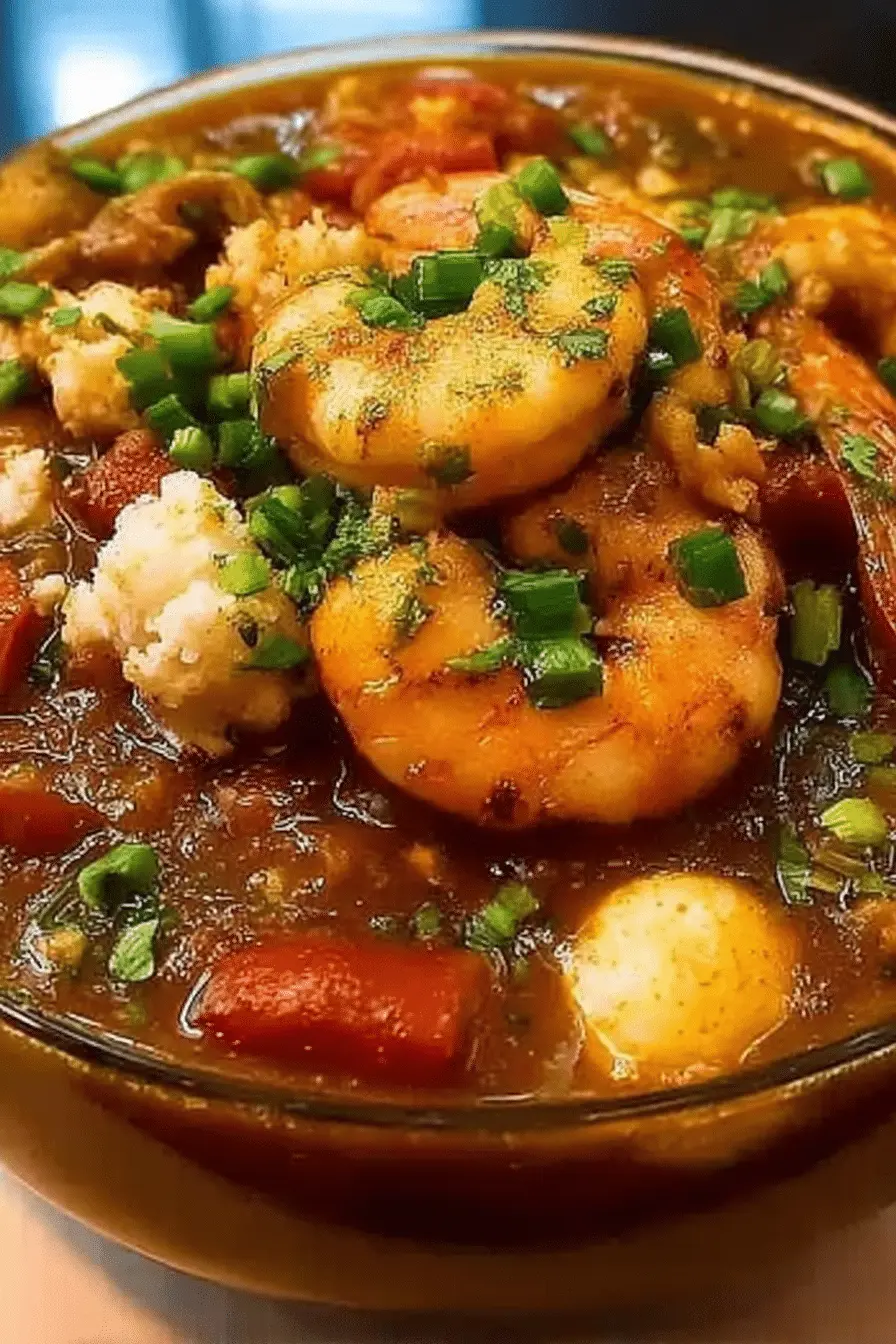
- Prep
- 30 min
- Cook
- 90 min
- Total
- 120 min
- Serves
- 8
- Calories
- 350 kcal
Ingredients
- 1/2 cupvegetable oil
- 1/2 cupall-purpose flour
- 1 largeonion, diced
- 1 largegreen bell pepper, diced
- 3 stalkscelery, diced
- 4 clovesgarlic, minced
- 1 tablespooncajun seasoning
- 1 teaspoondried thyme
- 1 leafbay leaf
- 8 cupsseafood or chicken stock
- 1 poundandouille sausage, sliced
- 1 poundshrimp, peeled and deveined
- 1 poundcrabmeat
- 1 pintoysters, shucked (optional)
- 1 cupfresh parsley, chopped
- —Salt and pepper to taste
- —Cooked white rice, for serving
Instructions
- 1
In a large pot, heat vegetable oil over medium heat. Gradually stir in the flour and cook, stirring constantly, until the mixture turns a dark brown color, about 20-30 minutes.
- 2
Add the diced onion, bell pepper, and celery to the roux. Sauté for 5-7 minutes until the vegetables soften.
- 3
Stir in the minced garlic, cajun seasoning, thyme, and bay leaf. Cook for an additional minute to release the flavors.
- 4
Slowly add the seafood or chicken stock, stirring constantly to prevent lumps. Bring the mixture to a boil.
- 5
Once boiling, add the sliced andouille sausage. Reduce the heat and let it simmer for 20 minutes.
- 6
Next, add the shrimp, crabmeat, and optionally the oysters. Simmer for another 10-15 minutes until the seafood is cooked through.
- 7
Remove the bay leaf and stir in sliced green onions and chopped parsley. Season with salt and pepper according to your preference.
- 8
Scoop hot gumbo into bowls over cooked white rice.
You might also like

Reviews
Be the first to review this.