- Prep
- 10 min
- Cook
- 20 min
- Total
- 45 min
- Serves
- 6
- Calories
- 298 kcal
- Carbs
- 39.00 g
On this page13 quick jumps
TOC
13 quick jumps
Introduction
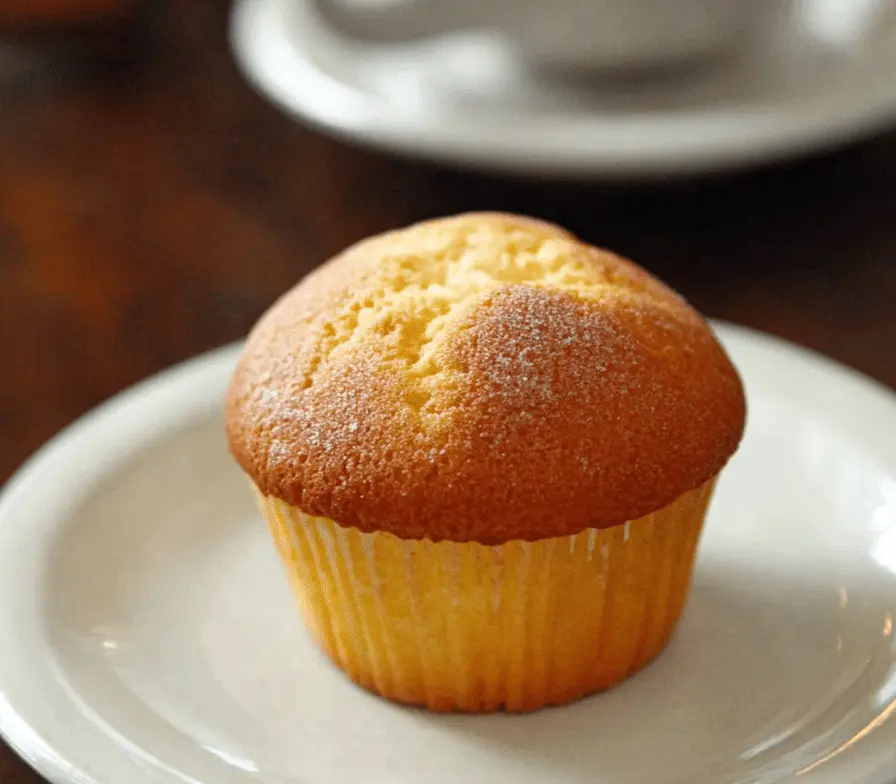
I grew up with the warm, buttery smell of mantecadas filling the house on slow Sunday mornings. My earliest memory is of my abuela setting a tin of these little muffins on the table, steam still rising as she poured café con leche into chipped cups. In my kitchen now, I try to recreate that same comfort — the quick rhythm of whisking eggs and sugar, the hush while the batter rests, and the little golden domes that make the whole room feel like a panadería. These mantecadas are a small celebration of Mexican panadería culture — simple ingredients, quick hands, and a reliable oven. I like how they travel well from breakfast to an afternoon snack, and how every neighborhood panadería has its own gentle variation. If you enjoy baking other rustic treats, you might also like pairing the ritual of making these with other comforting favorites like sourdough cinnamon rolls for a cozy kitchen atmosphere. Baking them has taught me patience: a short rest makes a big difference, and small changes — a touch of orange zest or a whisper of vanilla — take a mantecada from ordinary to memorable. Read on and I’ll walk you through what you need, how I work the batter, and the little tricks I rely on to get the texture just right.Everything You Need for Mantecadas
Below I talk through the ingredients and tools in a conversational way so you know what each item brings to the table and how to swap things if you want a different result.- * Eggs – Provide structure and lift; room-temperature eggs mix more easily and trap air better.
- * Sugar – Sweetness and tenderness; use granulated for the classic crumb or a mix with a little cane sugar for a deeper flavor.
- * Milk – Adds moisture and a tender crumb; dairy alternatives work, but the texture will shift slightly.
- * Vegetable oil – Keeps mantecadas soft and helps with shelf life; butter can be used for more richness but will change the texture.
- * Vanilla or orange essence – Aromatics that define the flavor profile; vanilla is warm and familiar, orange is bright and traditional.
- * Orange zest (optional) – Fresh zest gives a fragrant citrus lift without adding liquid.
- * All-purpose flour – The backbone of the crumb; for a lighter result use a flour with a lower protein percentage.
- * Baking powder – Quick leavening for immediate oven rise.
- * Instant yeast – Adds tenderness and a subtle fermentation note; it works in combination with baking powder for the classic mantecada lift.
- * Salt – Small amount enhances sweetness and rounds flavors.
- * Tools – Muffin tin and paper liners, a whisk, a sieve or sifter, a pitcher or ladle to pour batter, and a cooling rack. These simple tools make the process clean and easy.
- * Gluten-free or healthier swaps – Use a gluten-free all-purpose blend designed for quick breads, or swap half the flour for whole-grain flour and increase liquid slightly to compensate.
How to Make Mantecadas (Step-by-Step)
Follow these steps and pay attention to texture and rhythm rather than rushing — the batter and the oven do most of the work.- Preheat your oven so it’s hot when you place the pan inside; line a muffin tin with paper liners.
- Sift the flour, baking powder, and instant yeast together; this aerates the dry mix and prevents lumps.
- In a large bowl, whisk eggs and sugar until the sugar feels dissolved and the mixture is slightly pale — this helps create a tender crumb.
- Add milk and your chosen flavoring (vanilla or orange essence plus any zest) and mix until smooth.
- Stream the oil in while whisking gently so the mixture becomes homogenous and glossy.
- Fold in the dry ingredients with a soft motion until the batter looks uniform; stop as soon as there are no streaks of flour.
- Let the batter rest briefly at room temperature; this pause relaxes the batter and improves rise.
- Use a pitcher or ladle to fill the liners just below the rim so the tops can bloom evenly.
- Bake until golden and set; remove to a cooling rack and let cool slightly before serving so the crumb finishes setting.
The Secret to the Perfect Mantecada Texture
Texture comes from balance: air trapped in the eggs, gentle incorporation of fat, and the right combination of leaveners. Baking powder gives an immediate oven lift; instant yeast contributes subtle flavor and tenderness as it relaxes the batter. Sifting the dry ingredients keeps the flour light and helps the batter come together without lumps. The crust should be a thin, even gold while the interior remains soft and tender — not wet, not dry.Why Temperature and Rest Time Matter
Temperature affects how ingredients interact. Room-temperature eggs and milk trap air more effectively when whisked, which translates into a lighter crumb. Resting the batter for a short period allows the flours to hydrate fully and gives the yeast a moment to start acting; that pause helps the crumb open up in the oven. If your batter is very cold, the rise will be slower; if it’s too warm, the structure can collapse. Aim for a calm, slightly cool batter and a brief rest to let everything settle.Flavor Boosts: Vanilla, Orange Zest and Other Twists
Small flavor choices make a big difference. Choose one dominant note — vanilla for warmth, orange for brightness — and build around it. Here are easy variations to try:- Use fresh orange zest plus orange essence for a classic bright mantecada.
- Replace orange with lemon zest for a slightly tart, sunny version.
- Toss in a small handful of chocolate chips for a weekend treat; the chips should be added gently to avoid overmixing.
- Stir in ground cinnamon or a pinch of nutmeg for a cozy spice note that pairs beautifully with coffee.
- For a creamier, indulgent pairing, try serving with flavors inspired by vanilla custard cream squares.
Pro Tip for Mantecas Recipe: Rest Batter, Don't Overmix
These are the concise rules I always follow; keep them handy when you bake.- Let the batter rest for about fifteen minutes — it’s short, but it matters for texture.
- Stop mixing as soon as the dry streaks disappear; overmixing develops gluten and leads to dense mantecadas.
- Fold gently rather than beating; use wide, slow turns to keep the batter airy and uniform.
- Use room-temperature ingredients when you can to help emulsify and trap air.
Serving Suggestions: What to Pair with Mantecadas
Mantecadas are most beloved with a steaming cup of café con leche — the combination of warm milk and coffee complements their buttery sweetness. For something a little richer, spiced hot chocolate or a lightly sweetened té de canela works beautifully. Spread with artisanal butter or a good fruit preserve and serve alongside other nostalgic sweets for an indulgent table; you can even serve them with a side of butter tarts for an extra treat or pair with peach cobbler for a nostalgic experience.How to Store, Reheat and Make-Ahead Mantecadas
- Store at room temperature in an airtight container for two to three days to keep them soft.
- To freeze, wrap individually or place in a freezer-safe container for up to a month; thaw at room temperature.
- Reheat gently in a low oven or wrapped in foil so they warm through without drying out; a quick zap in a microwave (short bursts) also works for immediate enjoyment.
- Make the batter ahead and chill briefly if needed, but bake from a rested, not cold, batter for best rise.
Troubleshooting Common Mantecada Problems
I’ve made every mistake at least once, so here are practical fixes I rely on when my batch doesn’t behave.- If your mantecadas are dense: you likely overmixed or the batter was too cold. Let your batter rest and fold gently next time.
- If they are dry: check your oven temperature (it may run hot) and don’t overbake; try adding a touch more liquid in future batches if you use whole-grain flours.
- If the centers are undercooked while the tops are browned: lower the oven temperature slightly and extend the bake time so heat penetrates more evenly.
- If the tops crack or domes are uneven: ensure liners aren’t overfilled and that your oven rack sits in the center for the most even heat.
- I’ve also noticed that swapping oils or using cold liquids can change how they rise — when experimenting, change one variable at a time so you can see its effect.
Frequently Asked Questions
What is the best way to ensure my mantecadas have the right texture? To achieve the perfect texture, make sure not to overmix the batter and allow it to rest for 15 minutes before baking. This helps create a light and fluffy mantecada! Can I substitute the eggs in the mantecadas recipe? Yes! If you're looking for an egg substitute, you can try using flaxseed meal mixed with water or a commercial egg replacer. The texture may vary slightly, but your mantecadas will still be delicious! How can I store leftover mantecadas? Store your mantecadas in an airtight container at room temperature. They will keep well for 2 to 3 days. For longer storage, you can freeze them for up to a month. What flavors work well with mantecadas? Besides vanilla, you can enhance your mantecadas with orange zest, orange essence, or even try incorporating spices like cinnamon or nutmeg for a unique twist! Can I use whole wheat flour instead of all-purpose flour? Yes, you can swap all-purpose flour for whole wheat flour, but you might need to adjust the liquid slightly, as whole wheat flour absorbs more moisture.Ingredients
- 2 largeeggs
- 125 gramssugar (½ cup + 1 tbsp)
- ½ cupmilk
- ½ cupvegetable oil
- 1 tspvanilla or orange essence
- 1 tsporange zest (optional)
- 125 gramsAll Purpose flour (1 cup minus 1 tbsp)
- 1 tspbaking powder
- 1 tspinstant yeast
- 1 pinchsalt
Instructions
- 1
Preheat oven to 400F. Place muffin paper liners in muffin pan.
- 2
Sift together flour, baking powder and yeast in a medium size bowl, and set aside.
- 3
Place egg and sugar in a large bowl and whisk until sugar has dissolved.
Taste as you go. Recipes are a guide, not a contract.
- 4
Add milk and the flavoring of your choice and mix.
- 5
Incorporate the oil in a gentle stream and whisk again to form a homogenous mixture.
- 6
Slowly stir in the dry ingredients plus the pinch of salt, mixing gently until you have a uniform batter. Let batter rest for 15 minutes.
- 7
Pour the batter into the prepared muffin pan, filling just below the edge.
- 8
Bake for 20 minutes and cool for 5 minutes on a cooling rack.
Recipe Card
The Mantecadas Recipe I Make Every Sunday Morning
Keep it handy for later, send it to someone cooking with you, or open the clean print view.
- Prep
- 10 min
- Total
- 45 min
- Serves
- 6
You might also like
How I Make Quick Blueberry Lemon Jam — Canning in 1 Hour
May 21, 2026
The 5-Ingredient Japanese Jelly Dessert I Make All Summer
May 21, 2026
The Homemade Peachy Gummies My Kids Love — Fun, Simple Treat
May 21, 2026
How I Make Green Tea Lemon Ginger Gummies for Daily Immune Support
May 21, 2026
Reviews
Be the first to review this.