- Prep
- 15 min
- Cook
- 30 min
- Total
- 45 min
- Serves
- 6
- Calories
- 399 kcal
- Carbs
- 38.00 g
Introduction
I look forward to the first nettle harvest every spring. In my kitchen those prickly green shoots mean one thing: a pot of nettle soup with potato and leek. Over the years I've learned how a handful of bright, stinging leaves transforms a familiar potato–leek base into something unexpectedly fresh and nutrient-dense.
When I blanch the nettles and shock them in ice water, the color snaps to a brilliant green and the aroma shifts from grassy to herbaceous — a smell that always reminds me of early mornings in the garden. Texture matters here: the potatoes give the soup body while the leeks add a soft, sweet undernote that balances the nettles' mineral edge.
I treat this recipe like a spring ritual. I forage carefully, sweat the leeks gently to coax out sweetness, and blend until the soup is velvety. The result is a bowl that feels light but nourishing, perfect after a day outside gathering greens.
Below I cover everything you need to know — from identifying nettles to achieving the silkiest base, plus sensible vegan swaps and storage tips so you can make this soup whenever the season offers fresh nettles.
Everything You Need for Nettle Soup with Potato and Leek
Here’s a conversational run-down of the ingredients and why each matters. I include safe alternatives so you can adapt this for dietary needs.
- Leeks – The aromatic backbone; use the tender white and light green parts for sweetness and a soft texture.
- Butter and olive oil – Fat carries flavor and helps sweat the leeks without browning. For a vegan option, swap the butter for a neutral oil or vegan butter.
- Potatoes – Provide body and creaminess when blended; waxy varieties hold texture, starchy varieties break down for a silkier finish.
- Chicken stock – Adds savory depth. Use vegetable stock to keep the soup vegetarian/vegan.
- Heavy cream – Smooths and enriches the soup. For vegan alternatives, use full-fat coconut milk, cashew cream, or a neutral plant-based cream to mimic mouthfeel.
- Stinging Nettle leaves – The star green: fresh nettles offer the best flavor and nutrition; dried nettles can work in a pinch but won’t give the same vibrant color.
- Fresh dill – Brightens the soup with an herbaceous note; parsley is a good substitute.
- Creme fraiche – Optional for finishing; plant-based cultured cream can stand in for a vegan finish.
- Salt and pepper – Adjust to taste; nettles can take a fair bit of seasoning because of their vegetal intensity.
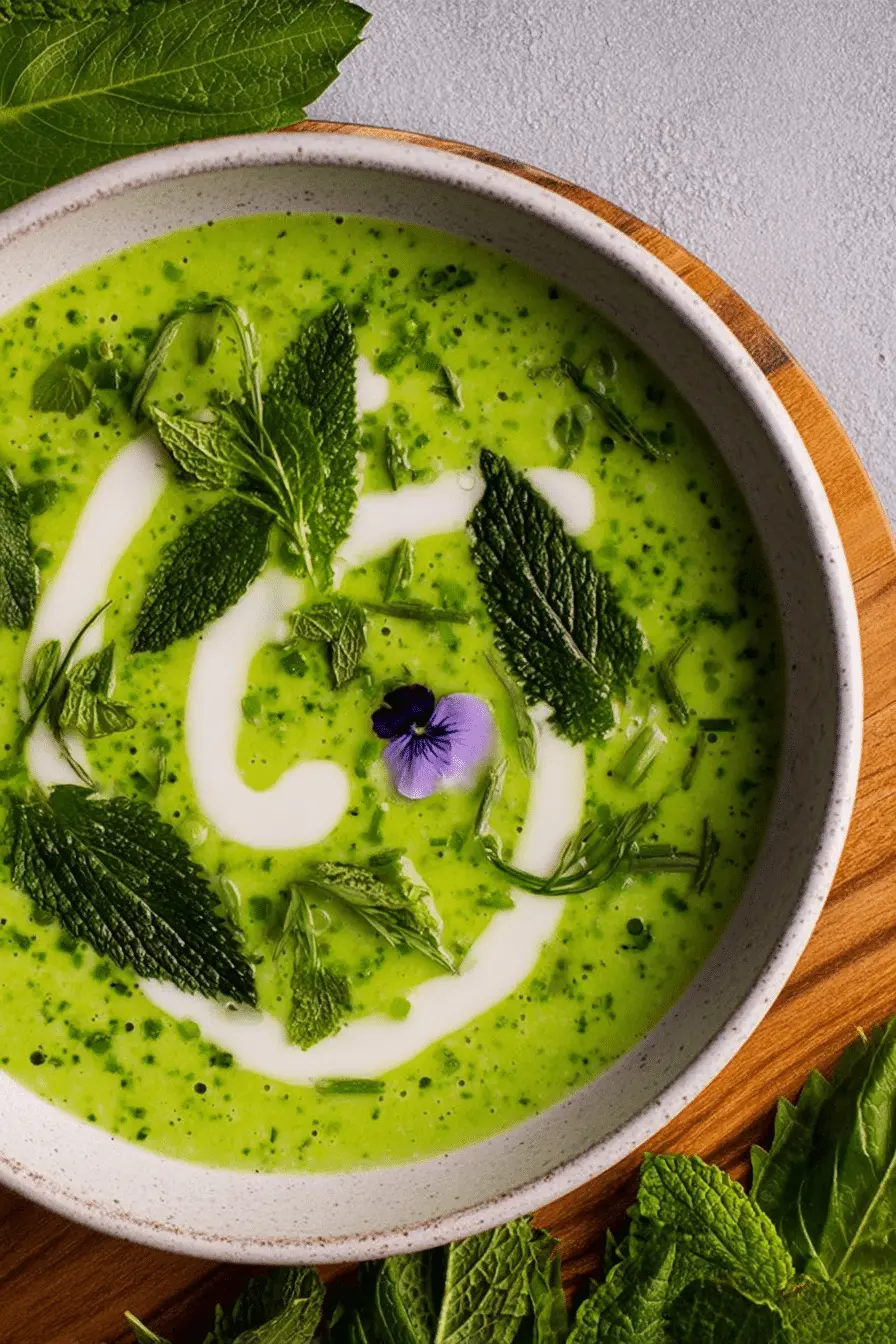
- Microgreens and edible flowers – Optional garnish for visual contrast and a fresh bite.
Foraging & Safety: How to Identify and Harvest Stinging Nettles
- Identification: Nettles have opposite, serrated leaves with pointed tips and fine stinging hairs on the stems and undersides of the leaves. New growth (top few sets of leaves) is the most tender and best for cooking.
- Safety gear: Always wear gloves and long sleeves when you harvest. Use scissors or snips to cut the tops; avoid brushing bare skin against the plants.
- Harvesting technique: Take only the top handfuls from each plant and leave plenty behind so the patch can regenerate. Cut stems cleanly rather than pulling to minimize damage.
- Sustainability: Rotate your harvest spots, never strip a single plant, and avoid plants growing near roadsides or contaminated runoff.
- Handling after harvest: Keep nettles in a bag or container to avoid accidental contact. Blanching neutralizes the sting — that’s key before you handle them freely in the kitchen.
Nettle Nutrition: Why These Leaves Boost This Soup
Nettles are dense with micronutrients: they're high in vitamins A, C, and K and are a good source of iron and calcium for a leafy green. They also contain antioxidants and flavonoids that contribute to their anti-inflammatory reputation. Compared with a conventional potato–leek soup, adding nettles increases the mineral and vitamin content while keeping calories moderate.
While nettles are nutrient-rich, think of them as a complement to the potatoes’ energy-giving carbohydrates and the leeks’ vitamin and fiber contribution. Together they make a balanced, spring-forward bowl.
Texture & Flavor: Getting the Silkiest Potato–Leek Base
To reach that velvet mouthfeel and balanced flavor, temperature control and technique are everything. Slow-sweating the leeks and fully tenderizing the potatoes before blending are two non-negotiables.
- Start low and slow when sweating leeks to release sweetness without browning; patience yields a cleaner, sweeter base.
- Cook the potatoes until they’re fully tender — this is what gives the blended soup body. Test by piercing; they should break apart easily.
- When blending, use a high-powered blender if you have one; otherwise blend in batches and strain if you want extra silkiness.
- Fats and emulsifiers: Adding cream or a swirl of nut-based cream helps the soup coat the palate. For vegan versions, an emulsifier like a small splash of aquafaba or an immersion of blended cooked white beans can help create the same mouthfeel.
For another comforting soup with a rich texture, try our creamy wild rice and mushroom soup which showcases a silky base.
How to Make Nettle Soup with Potato and Leek (Step-by-Step)
- Prep the leeks: wash thoroughly and slice the white and light-green parts. Sweat them in butter and a little oil over medium-low heat until soft and translucent; stir often to prevent scorching.
- Add the potatoes and cover with stock. Bring to a gentle simmer, cover, and cook until the potatoes are tender — test by piercing a cube with a fork.
- Blanch the nettles briefly: bring a large pot of water to a rolling boil, immerse the nettle leaves for just a few seconds, then remove with a slotted spoon and plunge immediately into ice water to preserve color and halt cooking.
- Drain the nettles well, squeeze out excess water, then add them to the pot once the potatoes are cooked through. Add fresh dill and finish with cream.
- Blend the soup until completely smooth and velvety. Heat gently to serve and season to taste. If you like a tangy finish, a spoonful of creme fraiche stirred in at the end brightens the bowl.
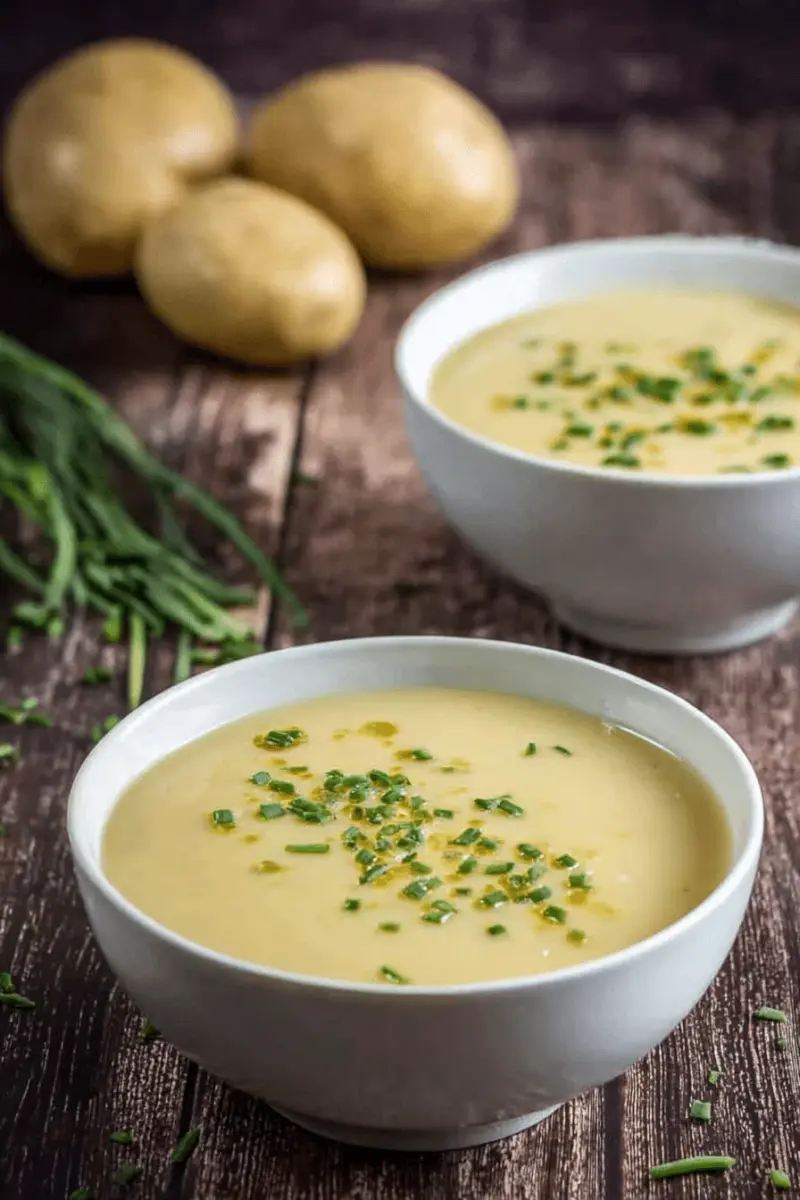
If you're a fan of leeks, you might also enjoy our recipe for classic potato leek soup, which offers a delightful variation.
Pro Tip for nettle soup with potato and leek: Blanch, Shock, and Blend for Bright Green Color
- Blanch the nettles for only a few seconds in boiling water; overcooking dulls color and flavor.
- Shock immediately in an ice bath to lock in that bright green hue and stop the cooking process.
- Drain and squeeze the nettles dry before adding to the blender to avoid watering down the soup.
- Blend at high speed until emphatically smooth; pause and scrape the sides so everything emulsifies evenly.
- I find that a quick finish with cold cream or a nut-cream at the end creates a glossy, stable emulsion that carries the flavor across the palate.
Troubleshooting
- If the soup tastes flat: boost with salt in small increments and add a splash of acid (lemon or a little vinegar) to brighten the greenery.
- If the color turns olive or brownish: you likely overcooked the nettles or blended while hot for too long; blanch and shock next time and blend briefly until smooth.
- If the texture is grainy: blend longer or pass the soup through a fine sieve. Using a high-powered blender reduces graininess from starchy potatoes.
- If the soup separates after storage: reheat gently while whisking in a little stock or cream to re-emulsify.
How to Store, Reheat, and Make-Ahead Nettle Soup (Plus Variations)
- Storage: Cool completely, transfer to airtight containers, and refrigerate for a few days. For longer storage, freeze in portions; nettles hold color well when frozen quickly.
- Reheating: Warm gently on the stovetop over low heat, stirring to keep the texture smooth. Avoid rapid boiling after cream is added to prevent separation.
- Make-ahead: Prepare the base and blanch nettles ahead of time; hold nettles and base separately in the fridge and blend just before serving to retain color and brightness.
Variations (bulleted for easy scanning):
- Vegan: Use vegetable stock and a cashew or coconut cream in place of dairy; finish with lemon for brightness.
- Protein boost: Stir in cooked shredded chicken, white beans, or a spoonful of Greek yogurt when serving.
- Herb swaps: Substitute dill with tarragon or chives for different aromatic notes.
- Spicy edge: Add a small pinch of crushed red pepper or a drizzle of chili oil at service for contrast.
Cultural Significance of Nettles in Cuisine
Nettles have a long history in spring cooking across Europe and beyond — used in soups, stews, and as a cooked green when fresh vegetables were scarce. Foraging for nettles has traditionally marked the arrival of spring, offering a nutrient-rich green at the start of the season. Today, nettles are experiencing a resurgence in modern kitchens as people look back to wild and seasonal ingredients for flavor and nutrition.
Nettles are often featured in spring recipes, such as our easy one-pan spring vegetable soup, highlighting seasonal produce.
Frequently Asked Questions
What type of nettles should I use for this soup? You should use fresh Stinging Nettles, which are packed with nutrients and flavor. Make sure to wear gloves when handling them to avoid the sting!
Can I substitute the Stinging Nettles with another green? Yes, you can use spinach or kale as a substitute, but you will miss out on the unique flavor and nutritional benefits of nettles.
How can I ensure my soup has a smooth texture? To achieve a silky texture, blend the soup thoroughly after adding the nettles and cream. A high-powered blender like a Vitamix works great for this!
How should I store leftovers of the nettle soup? Store the leftover soup in an airtight container in the refrigerator for up to 3-4 days. Reheat on the stove or in the microwave before serving.
What are some variations I can try with this recipe? You can add additional herbs like basil or parsley, or even stir in some cooked chicken or beans for extra protein. Experiment and find your favorite combination!
Recipe Card
The Spring Soup I Make Every Year: Nettle Soup with Potato and Leek
- Prep
- 15 min
- Cook
- 30 min
- Total
- 45 min
- Serves
- 6
- Calories
- 399 kcal
- Carbs
- 38.00 g
Ingredients
- 4 unitsleeks (washed and sliced)
- 2 tbspbutter
- to tasteolive oil
- 4 mediumpotatoes (peeled and cubed)
- 4 cupschicken stock
- 1 cupheavy cream
- 4 ozStinging Nettle leaves
- 1/3 cupfresh dill
- to tastecreme fraiche
- to tastesalt
- to tastepepper
- optionalmicrogreens and edible flowers (for garnish)
Instructions
- 1
Wash, then slice the white parts of the leeks.
- 2
Add the butter and a bit of olive oil to a medium soup pot and sweat the leeks until they become soft and translucent. Stir often to prevent scorching.
- 3
Add the cubed potatoes, then cover the vegetables in stock. Bring to a slight simmer, then cover. Cook until the potatoes are tender, about 20 minutes.
- 4
Fill a large saucepan with water and bring to a boil. Immerse the nettle leaves in the boiling water for 15 seconds, then remove with a slotted spoon. Immediately plunge into an ice water bath.
- 5
Place soup in Vitamix, add the nettle leaves, dill, and cream. Process until smooth and velvety.
- 6
Serve garnished with microgreens and edible flowers (optional).
You might also like



Reviews
Be the first to review this.