- Prep
- 15 min
- Cook
- 10 min
- Total
- 25 min
- Serves
- 8
- Calories
- 341 kcal
- Carbs
- 40.60 g
On this page12 quick jumps
TOC
12 quick jumps
Introduction
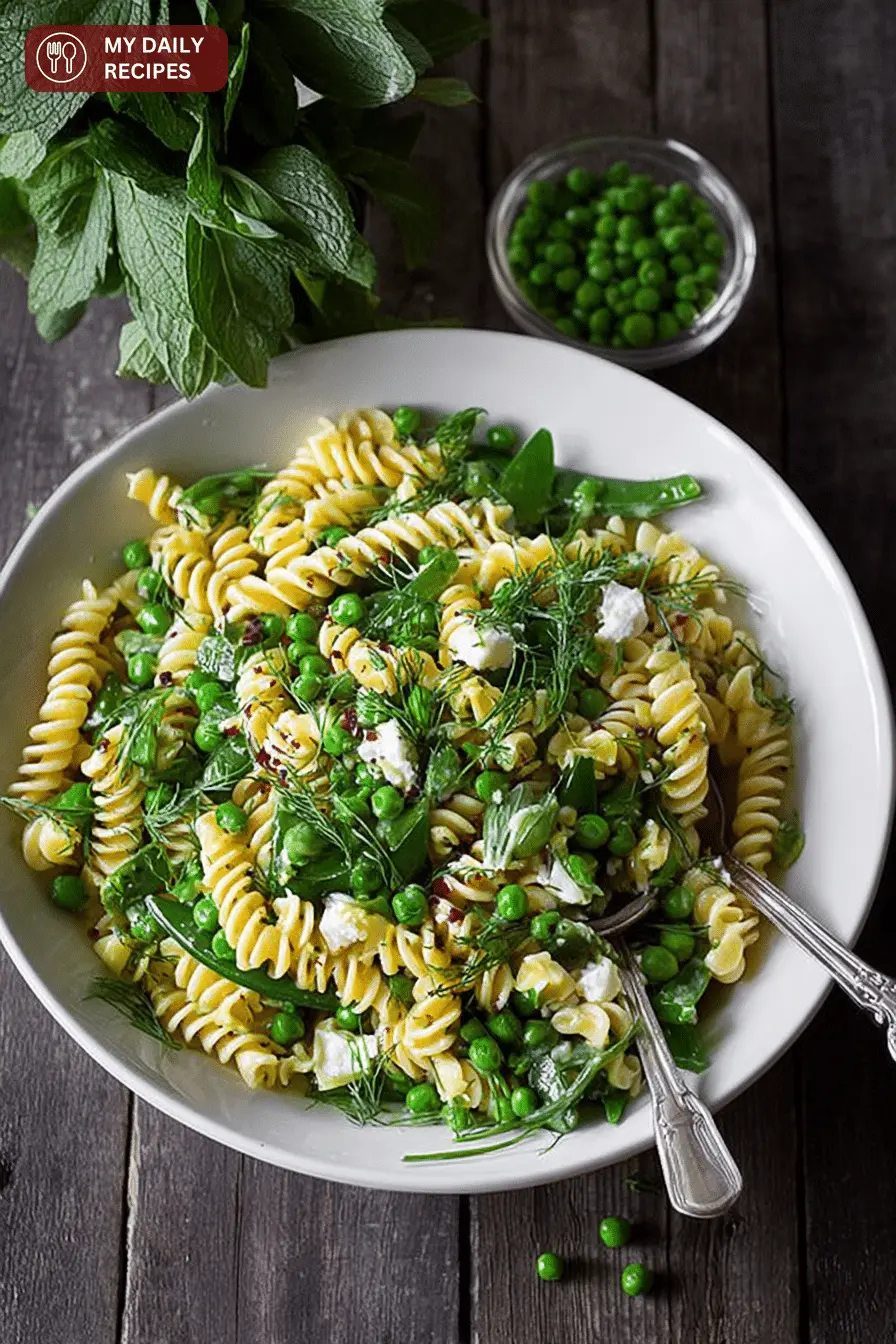
I first made this pea pasta on a rainy April evening when the market crates were piled high with sugar-sweet spring peas and fragrant mint. The bowl I brought to the table was nearly neon green — the kind of color that makes you pause and take a picture before you even twirl a fork. The scent was all lemon and fresh herbs, with that faint, luxurious whisper of truffle oil at the very end. It felt like an elevated weeknight dinner, but it took under 25 minutes from pot to plate. This version of pea pasta is simple: bright green peas, scallions and shallot for bite, lemon for brightness, a handful of herbs for lift, olive oil for silkiness, and a tiny drizzle of truffle oil for perfume. It’s one of those recipes I make when I want something that feels thoughtful but won’t leave me doing dishes until midnight. It works warm as an entree or cold as a dressed pasta salad — I’ve eaten it both ways, and each has its charms.The Benefits of Using Spring Peas in Pea Pasta
Using spring peas here isn’t just about the flavor and color — it’s about timing. Fresh spring peas have a sweetness and a snap you don’t get from older peas or many frozen varieties. They’re at their best for a few short weeks, and swapping them into this dish makes it taste of the season. Nutrition-wise, spring peas bring a lot to the table: they’re a good source of vitamins A, C and K, and they add dietary fiber and plant-based protein to the meal. That combination supports immune health, helps digestion, and makes this pasta feel more substantial without being heavy. Choosing in-season peas is also a more sustainable move — less shipping, better flavor, and often better value. When peas are truly fresh they also change how you cook: they blanch nearly instantly and go from dull to brilliant in about 45–60 seconds. That quick transformation means you need to time things carefully, so the peas stay tender-crisp rather than mushy.Ingredient Breakdown: Fresh & Flavorful
- Pasta – the vehicle for the sauce; use a short shape like penne, rigatoni or farfalle so the peas and herbs cling to the pasta.
- Fresh peas – the star: sweet, bright and slightly grassy; they add texture and color.
- Scallions and shallot – provide an oniony backbone without overpowering the delicate peas.
- Fresh mint – gives that cooling, aromatic lift that pairs beautifully with peas and lemon.
- Parsley – adds freshness and a green herbal note that complements the mint.
- Olive oil – creates a silky coating for the pasta and carries the lemon and herb flavors.
- Lemon (zest + juice) – brightens and balances the sweetness of the peas; zest brings aroma, juice brings tang.
- Truffle oil – used sparingly for perfume; a little goes a long way and it should be added off the heat.
- Greens (pea shoots, baby spinach or arugula) – optional, but they add volume and a tender bite when tossed in at the end.
- Salt & white or black pepper – salt is crucial for flavor; pepper adds a quiet backbone.
- Goat cheese (optional) – if you want a soft, tangy finish, crumbled goat cheese melts slightly into warm pasta for creaminess.
Simple Steps to Make Pea Pasta
Below is the tested recipe I use — I’ve made this dozens of times, and these amounts/times give consistent results. Read the notes after the instructions for timing tips from my kitchen experiments.- Bring a large pot of water to a rolling boil and salt generously (the water should taste like the sea). Add the pasta and cook according to package directions.
- During the very last minute of cooking, add the fresh peas to the pasta if you plan to serve the dish warm. Blanch them for about 1 minute — they should turn bright green and be tender-crisp. If serving cold, briefly blanche then shock in ice water.
- While the pasta cooks, prep everything: thinly slice the scallions, finely dice the shallot, chop the mint and parsley, zest the lemons and squeeze out the juice.
- Drain the pasta and peas immediately and transfer to a large bowl. Drizzle with olive oil and lemon juice, and season with the teaspoon of salt and the pepper.
- Toss in pea shoots (or your chosen greens), scallions, shallot, herbs and lemon zest. Stir gently to coat everything evenly. Taste after a minute — sometimes the flavors settle and you’ll need a touch more salt or lemon.
- Finish with a small drizzle of truffle oil (start with about ½ tablespoon), toss once more, and serve immediately. If using goat cheese, scatter crumbles over the top as you plate.
Variations: Vegan or with Goat Cheese
Over the years I’ve played with this recipe depending on what’s in my fridge and who I’m feeding. Both options below are ones I use regularly.- Vegan version – keep everything plant-based: omit goat cheese and use a sprinkle of nutritional yeast or a vegan Parmesan alternative if you want a cheesy note. A little toasted pine nut or almond crumb adds richness without dairy.
- With goat cheese – crumble soft goat cheese over warm pasta just before serving so it melts into creamy pockets. I like pairing the tang of goat cheese with an extra pinch of lemon zest to balance the fat.
Serving Suggestions: Pairing Ideas for Pea Pasta
This pea pasta is delicate and fresh, so it likes light, complementary companions.- Simple green salad (arugula, lemon vinaigrette) — keeps the meal bright.
- Grilled chicken or shrimp — add protein without overwhelming the flavors.
- Crusty bread or focaccia — to mop up any olive oil and lemon left in the bowl.
- Wine pairings: Sauvignon Blanc or a light Pinot Grigio — they match the lemon-herb profile. For a non-alcoholic option, try a chilled herbal tea with mint.
- For entertaining: serve in shallow bowls and sprinkle with extra herbs and a delicate grind of pepper; garnish with lemon zest for a fresh, groomed look.
Nutritional Benefits of the Ingredients
Here’s a quick breakdown of the key players and why they’re good for you. This dish fits nicely into a balanced diet as it combines carbohydrates, plant protein and healthy fats.- Peas – fiber, vitamins A and C, and plant protein. They help with satiety and digestion.
- Pasta – provides carbohydrates for energy. Use whole grain pasta to increase fiber and micronutrients.
- Olive oil – heart-healthy monounsaturated fats and flavor carrier.
- Lemon – vitamin C and bright flavor that helps balance the dish.
- Herbs (mint & parsley) – small amounts of vitamins and antioxidants, plus flavor without calories.
- Optional goat cheese – adds calcium and protein but increases saturated fat; use sparingly for flavor contrast.
Tips for Perfecting Your Pea Pasta
From testing this multiple times, here are the practical tips that make the difference between good and great:- Salt the pasta water well: pasta needs salt to taste like something. If the dish tastes flat, it usually needs more salt before adding other things.
- Watch the peas: they go from underdone to overcooked very quickly. One minute in boiling water is usually enough for fresh peas.
- Add truffle oil at the end: heat destroys its aroma. Start small — about ½ tablespoon — then taste and add more if you want. Truffle oil is powerful and easy to overwhelm the delicate peas and herbs.
- Taste and wait a minute: pasta absorbs flavors as it cools. After the initial toss, taste again and adjust salt and lemon. I often add a touch more lemon after a few minutes to lift the flavors.
- Use zest and juice separately: zest gives aroma; juice gives acidity. Both are important — don’t substitute one for the other.
- If using frozen peas: blanch for about one minute in the final minute of the pasta’s cook time, or thaw and shock in ice for a cold salad. They won’t be as bright as fresh, but they’re convenient and tasty.
- Storage & leftovers: leftovers keep well for 3 days in an airtight container. The pasta absorbs the dressing over time; refresh with a drizzle of olive oil and a squeeze of lemon before serving cold or at room temperature.
Frequently Asked Questions about Pea Pasta
How do I avoid overpowering the dish with truffle oil? Use truffle oil sparingly and add it at the end. Start with ½ tablespoon for the whole recipe, drizzle, taste, and add more if desired. Don’t cook the oil—heat destroys its aroma—and store it in a cool, dark place. Can I use frozen peas instead of fresh spring peas? Yes. Frozen peas work well—briefly blanch them for about 1 minute in the final minute of the pasta’s cook time, or thaw and shock in ice for a cold salad. Fresh spring peas will be brighter, but frozen are a convenient, tasty substitute. Is this recipe vegan? The base recipe is vegan: olive oil, peas, herbs, lemon and truffle oil. Simply omit the optional goat cheese or swap in a plant-based cheese or nutritional yeast for a cheesy note. When should I add the peas to the pasta? Add peas during the very last minute of the pasta’s cooking time and blanch them for about one minute so they become bright green and tender-crisp. Drain immediately and toss with the other ingredients. What pairs well with pea pasta? Light pairings work best: a crisp green salad or arugula, grilled chicken or shrimp for protein, and crusty bread. For drinks, try Sauvignon Blanc or a light Pinot Grigio. If you want extra richness, finish with goat cheese or shaved parmesan.Conclusion: Enjoying Your Homemade Pea Pasta
This pea pasta is one of those recipes I come back to every spring and sometimes in summer when peas and mint are at their best. It’s quick, forgiving, and flexible — and while the truffle oil step feels a little indulgent, it’s really just a finishing flourish. Expect bright lemony notes, the sweet pop of peas, a cool herbal lift from mint, and a silky mouthfeel from the olive oil. It won’t be heavy or stodgy; it’s meant to feel fresh and seasonal. Try it warm on a busy night, or make it ahead and serve it chilled at a picnic — both ways tell the same story of a simple vegetable turned into something special. If you cook it, I’d love to know: did you go vegan, or did you crumble goat cheese on top? Did you add a toasted nut for crunch? Cooking is experimentation — and this pea pasta is forgiving enough to take whatever tweaks you enjoy. Happy cooking — and remember, watch those peas. One minute is all they need.Ingredients
- 12 ouncespasta
- 3-4 cupsfresh peas
- 5 unitsscallions, thinly sliced
- 1 unitshallot, very finely diced
- 1 cupchopped fresh mint
- 1 cupchopped Italian parsley
- ½ cupolive oil
- 2 unitslemons – zest and juice
- 2 cupsfresh pea shoots, baby spinach or arugula
- 1 teaspoonsalt, plus more to taste
- ½ teaspoonwhite or black pepper
- 1 tablespoontruffle oil
- —Optional- goat cheese crumbles
Instructions
- 1
Boil pasta in salted water according to directions.
- 2
During the last minute of cooking, if serving warm, add peas to the pasta to lightly blanch.
- 3
While the pasta is cooking, prep the remaining ingredients.
Taste as you go. Recipes are a guide, not a contract.
- 4
Chop scallions, shallots, and herbs. Zest lemons and measure out lemon juice.
- 5
Once pasta is done, add peas and blanch for one minute until bright green. Drain and place in a large bowl.
- 6
Drizzle with olive oil, lemon juice, and season with salt and pepper.
- 7
Toss in pea shoots (or greens) and add scallions, shallots, herbs and lemon zest.
- 8
Adjust salt and lemon juice to taste, then drizzle with truffle oil and serve immediately.
Recipe Card
Pea Pasta with Mint, Truffle & Lemon: A Fresh Spring Delight
Keep it handy for later, send it to someone cooking with you, or open the clean print view.
- Prep
- 15 min
- Total
- 25 min
- Serves
- 8
You might also like
The 30-Minute Chili-Lime Tofu and Peach Skewers for Busy Summer Grills
May 14, 2026
How I Make Summer Skewers with Shrimp, Jalapeño & Plums
May 14, 2026
The Summer Peach Spinach Salad I Make Almost Every Week
May 14, 2026
The Summer Quinoa Salad I Make Almost Every Week
May 13, 2026
Reviews
Be the first to review this.