- Prep
- 15 min
- Cook
- 15 min
- Total
- 30 min
- Serves
- 5
- Calories
- 663 kcal
- Carbs
- 57.00 g
On this page12 quick jumps
TOC
12 quick jumps
Introduction
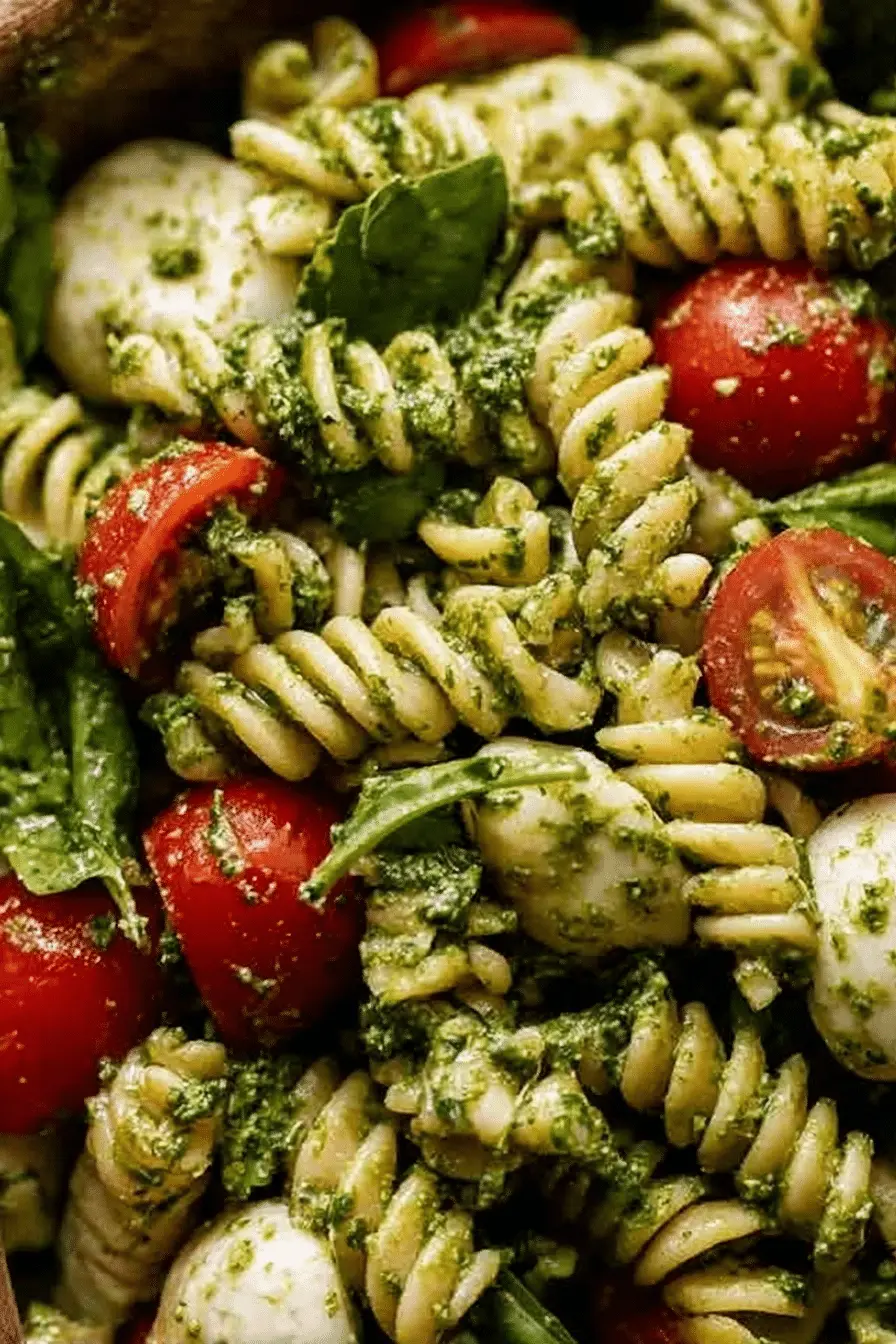
I make this pesto pasta salad a lot in my kitchen during warm months because it hits a sweet spot: minimal hands-on time, big flavour, and it travels well. I often pull it together straight after work — get the water boiling, blitz the pesto while the pasta cooks, and by the time the noodles are cool you’re close to done. There are no fussy steps, but there are small choices that make a huge difference to texture and leftovers. I love how bright it looks in the bowl — glossy green pesto clinging to spirals, halved cherry tomatoes popping with red, and creamy bocconcini contrasting the basil. The first sniff as you lift the lid is always basil and garlic wrapped in olive oil; that aroma tells you this is summer on a plate. I call this my weeknight-and-picnic recipe because it works hot or cold, and people keep coming back for seconds. Over the years I learned to stop being stingy with the pesto and the oil, and to add a tiny bit of mayo to the mix. That two-tablespoon trick keeps the salad silky and dramatically improves day-two texture — it won’t dry out in the fridge. If you need to save time, there are smart shortcuts that still yield great results, and I explain when store-bought pesto is acceptable vs. when to make your own. Why this pesto pasta salad is perfect for busy weeknights and summer gatheringsWhy this pesto pasta salad is perfect for busy weeknights and summer gatherings
This dish is built for convenience and crowd-pleasing colour. It takes very little hands-on time, you can serve it cold (ideal in hot weather), and it doubles as an easy potluck or barbecue side.
- Minimal prep and cook time — most of the work is boiling pasta and a quick blitz of pesto.
- Serves cold or at room temperature, so you can make it ahead and bring it to outdoor events without worrying about reheating.
- Flexible for crowds — scale easily and swap add-ins to suit what you have on hand.
Visually, this pesto pasta salad pops — deep green from basil, jewel-bright cherry tomatoes, and soft white bocconcini. The aroma of fresh basil and olive oil is immediate and inviting, and that keeps guests reaching for a serving.
Everything You Need for Pesto Pasta Salad
Quality matters here: fresh basil, good olive oil, and ripe tomatoes make the biggest difference. Below I talk through the roles of each ingredient and sensible swaps, including vegan and gluten-free alternatives.
- Pasta – Provides the base and texture; use shapes with nooks and spirals so the pesto clings well. For gluten-free, pick a reliable rice or corn blend pasta.
- Basil – The flavour backbone; choose bright, fragrant leaves for the freshest scent and colour.
- Nuts (pine nuts, or substitutes) – Give body and that nutty note; if allergies are a concern, use toasted sunflower seeds or skip for extra olive oil.
- Garlic – A little goes a long way; it provides sharpness to cut the richness of the oil and cheese.
- Parmesan or hard cheese – Adds umami and salt; for vegan options, use a tangy nutritional yeast or a vegan hard cheese alternative.
- Extra virgin olive oil – Key for mouthfeel and flavour; if you need a neutral option, blend with a lighter oil.
- Mayonnaise – Just a small amount adds creaminess and helps the dressing cling; swap with vegan mayo or extra olive oil for a plant-based version.
- Cherry tomatoes – Provide acidity, sweetness and colour contrast.
- Bocconcini or fresh mozzarella – Soft, milky bites that add richness; for vegan versions, use plant-based mozzarella or roasted marinated tofu for texture.
- Rocket/arugula – Peppery freshness that lifts the salad; baby spinach is a milder substitute.
The Secret to the Perfect Texture: pasta-to-pesto ratio and cooling tips
Texture comes down to two things: making sure the pasta is cooled and dry, and getting the right amount of pesto so everything is glossy but not soggy. The goal is a coating, not a pool of dressing.
- Rinse the pasta under cold water immediately after draining to stop cooking and cool quickly; shake or spin off as much water as possible so the pesto sticks instead of sliding off.
- Start with a modest amount of pesto — toss and check. You want every piece coated with a sheen. If it looks dry, add a touch more pesto or a drizzle of olive oil until it glistens.
- Mixing order matters: toss pasta with pesto first so the noodles are evenly coated, then fold in delicate ingredients like bocconcini and rocket so they don’t bruise or bleed juice into the pasta.
Imagine cool, springy spirals flecked with green, each bite offering the thick, aromatic burst of pesto against the cool pasta — that contrast is what makes this salad so satisfying.
Why Olive Oil and 2 Tbsp Mayo Make All the Difference
Olive oil and a small amount of mayonnaise are doing different jobs that together give the salad a rounded mouthfeel and great leftovers.
- Olive oil brings fruity, slightly peppery flavour and a silky mouthfeel. Nutritionally, good-quality extra virgin olive oil is high in monounsaturated fats and contains antioxidants like vitamin E and polyphenols, which are linked to heart-healthy benefits when used instead of saturated fats.
- Two tablespoons of mayonnaise act as an emulsifier: they help the pesto and oil form a stable coating that clings to pasta rather than separating. That small amount adds creaminess without weighing the salad down.
- These fats also prevent the salad from drying out in the fridge, so leftovers stay pleasurable to eat the next day.
Homemade Pesto vs Store-Bought: what to buy and when
Fresh, homemade pesto has a brightness and vibrancy that’s hard to beat — basil leaves, toasted nuts, good cheese, garlic and oil blitzed just until coarse and fragrant. But I also understand time constraints; a high-quality refrigerated jar can be a perfectly acceptable shortcut.
- Homemade advantages: brighter flavour, control over salt and garlic, and you can adjust nuts or oil to taste. It also offers that freshly cut basil aroma you notice immediately when you open the blender.
- Store-bought tips: if you must buy pesto, get it from the refrigerated section rather than the aisle; refrigerated pesto tends to use fresher oil and fewer preservatives and will taste closer to homemade.
- When to buy vs make: buy for last-minute meals or if you’re short on prep time; make your own when basil is at peak season for a superior flavour.
For an authentic taste, consider making your own homemade pesto instead of buying store-bought.
How to Make Pesto Pasta Salad (Step-by-Step)
- Bring salted water to a rolling boil and cook the pasta until just past al dente — cook the packet time plus a minute if you like a slightly softer bite.
- Drain the pasta and rinse under cold running water until cool; shake or spin well to remove excess water so the pesto can cling.
- Make the pesto: blitz basil, toasted nuts, garlic, cheese, salt and pepper with oil until mostly smooth but still showing some green flecks. You want texture, not a puree.
- Place the cooled pasta in a large bowl, add the pesto and toss to coat evenly. Add the mayonnaise and toss again until the pasta looks glossy and well-dressed.
- Gently fold in halved cherry tomatoes and bocconcini; add the rocket/arugula last and toss just enough to combine.
- Transfer to a serving bowl and scatter with small basil leaves if you like. Serve immediately or chill for later.
- If you enjoy other pesto recipes, try this pesto chicken tortellini as another quick meal idea.
- Toast the nuts briefly to deepen flavour — I do this in a dry pan, watching closely so they don’t burn.
- If the pesto is too thick, add a little extra olive oil rather than water; oil carries the flavour better and keeps the sauce glossy.
- Keep delicate leaves like rocket/arugula out of the initial toss to avoid wilting; fold them in at the end.
- If the salad tastes flat, I add a squeeze of lemon or a pinch more salt — acid brightens pesto and brings out the basil.
- If the pasta clumps, I toss it with a touch more olive oil and give it a minute to loosen before adding the remaining ingredients.
- If the bocconcini releases water, I drain and pat it dry — excess moisture dilutes the dressing.
- Add grilled vegetables (zucchini, bell peppers) for a smoky element.
- Stir in cooked, shredded chicken or canned tuna for extra protein.
- Swap bocconcini for marinated feta for a saltier, crumbly bite.
Pro Tip for Pesto Pasta Salad: Vegan & Gluten‑Free Swaps
Here are simple swaps to keep the salad satisfying for special diets without losing the core flavours.
- Vegan mayo – Use a plant-based mayonnaise to retain the emulsifying creaminess.
- Cheese alternatives – Nutritional yeast or a firm vegan parmesan substitute will add savoury notes.
- Gluten-free pasta – Choose a quality gluten-free pasta made from rice, corn, or legume blends to match the texture closely.
- Nut-free pesto – Replace nuts with toasted seeds (sunflower or pumpkin) or omit and increase olive oil slightly.
- For a plant-based pesto base, see this vegan wild garlic pesto for ideas on dairy-free herb sauces.
How to Store, Make-Ahead and Serve Pesto Pasta Salad
This salad stores and serves well — here’s how to keep it tasting its best whether you’re prepping for the week or packing for a picnic.
- Storing: Keep in an airtight container in the fridge. The small amount of mayo helps prevent the pasta from drying out overnight.
- Make-ahead: You can make the salad a day early; chilling allows the flavours to meld and often improves the overall taste.
- Transporting: Pack chilled, and keep cool with an ice pack if you’re heading outdoors. Add delicate greens at the last minute if possible.
- Serving temperature: Serve cold or at room temperature. If chilled, take it out of the fridge 10–15 minutes before serving to soften the olive oil slightly.
If you enjoyed this recipe, be sure to check out our pesto caprese pasta salad for another refreshing twist!
Frequently Asked Questions
Can I use store-bought pesto for this pasta salad? Absolutely! While homemade pesto is preferred for its freshness, store-bought pesto can work just fine. Just make sure to choose a quality product, preferably from the refrigerated section.
How do I ensure my pasta doesn’t become mushy? To prevent mushy pasta, cook it according to package instructions plus one additional minute, then rinse under cold water after draining to stop the cooking process and ensure it cools quickly.
Can I make this pasta salad in advance? Yes, this pasta salad is great for meal prep! Just keep it in an airtight container in the refrigerator, and it will taste even better the next day.
What can I substitute for mayonnaise to make it vegan? You can substitute mayonnaise with a vegan mayo or use a little extra olive oil or a drizzle of tahini for creaminess.
Is this pasta salad gluten-free? To make this salad gluten-free, simply use gluten-free pasta. All the other ingredients are naturally gluten-free!
Ingredients
- 350 gspiral pasta (fusilli or other) ((3 1/2 cups))
- 1 tbspsalt ((for cooking pasta))
- 2 tbsppinenuts ((toasted, sub walnuts, cashews, almonds))
- 2 cupsbasil leaves ((tightly packed))
- 1 smallgarlic clove ((minced))
- 1/2 cupparmesan ((finely grated))
- 1/2 tspcooking/kosher salt
- 1/4 tspblack pepper
- 7 tbspextra virgin olive oil ((or 50/50 grapeseed/olive oil))
- 2 tbspmayonnaise ((S&W, else Hellman's))
- 250 gcherry tomatoes ((cut in half))
- 220 gbaby bocconcini ((drained, cut in half))
- 1 cupbaby rocket/arugula ((tightly packed, 40g))
- 1/2 tspcooking/kosher salt
- —Small basil leaves ((optional garnish))
Instructions
- 1
Cook pasta - Bring 3 litres of water to the boil with the salt. Cook for the pasta packet time + 1 minute. Drain in a colander, rinse under cold water. Shake off excess water well, then allow to fully cool and dry.
- 2
Pesto - Place all ingredients in a tall jug just large enough to fit the head of a stick blender. Blitz until pretty smooth, leaving some visible green bits.
A well-seasoned pan is worth more than a drawer of gadgets.
- 3
Toss - Place pasta in a bowl, scrape in the pesto. Add mayonnaise then toss well. Add bocconcini and tomato, toss gently just to disperse. Add rocket/arugula and toss just to disperse.
- 4
Serve - Transfer into a serving bowl. Scatter with basil leaves, if using. Serve!
Recipe Card
The Pesto Pasta Salad I Make Every Week — 30-Min Summer Staple
Keep it handy for later, send it to someone cooking with you, or open the clean print view.
- Prep
- 15 min
- Total
- 30 min
- Serves
- 5
You might also like
The Lemon Honey Salad Dressing I Make for Microgreens
May 23, 2026
The Salad I Make All Summer — Peach Avocado Green Salad
May 23, 2026
The Mason Jar Salad I Make Every Meal-Prep Sunday
May 23, 2026
The Esquites My Guests Always Ask For — Ready in 15 Minutes
May 23, 2026
Reviews
Be the first to review this.