- Prep
- 15 min
- Cook
- 30 min
- Total
- 45 min
- Serves
- 6
- Calories
- 400 kcal
On this page12 quick jumps
TOC
12 quick jumps
Introduction
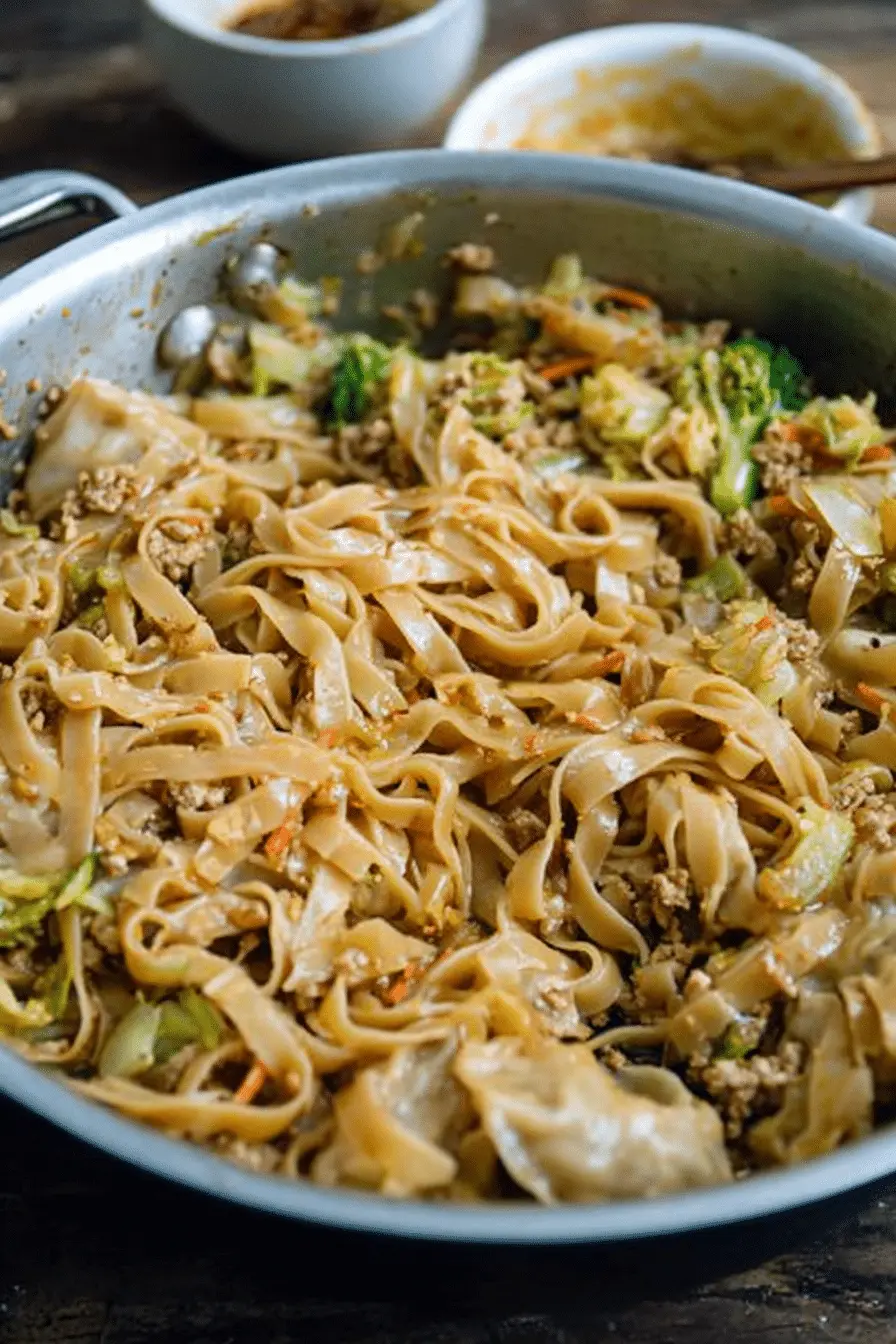
I make potsticker bowls on the busiest nights in my kitchen because they give me everything I want from takeout—savory meat, crunchy greens, and soft noodles—without hours of work. Over the years I’ve learned a few small tweaks that keep the greens bright, the noodles tender, and the whole pan from getting soggy. I’ll share the mistakes I made early on so you don’t have to repeat them. In my experience, the fastest versions are all about prep and timing: soak the noodles, have veggies chopped, and make the sauce ahead. That small batch of sauce is what pulls the whole bowl together—think savory, slightly tangy, with a whisper of ginger. I learned the hard way that adding delicate greens too early turns them limp; added late, they give that nice potsticker-like crunch. These bowls are forgiving: swap proteins, add more spice, or load up on vegetables depending on what you have in the fridge. They’re also a solid meal-prep option—cook once, portion into containers, and reheat during the week. Keep reading and I’ll show you the simple tools, the sauce balance that mimics takeout, and the pan tricks to get crisp texture without deep frying. Below I break everything down so a weeknight cook can move confidently through the recipe, including scannable pro tips, troubleshooting, and easy variations to suit your family.Why Potsticker Bowls Are the Weeknight Dinner You Need
Potsticker bowls are the ideal weeknight dinner for busy households because they require minimal active cooking time and use pantry-friendly ingredients. In my kitchen this means: a short soak for rice noodles while I brown the protein, a quick toss of cabbage, and a final simmer with a simple sauce. The result feels like takeout but comes together in one pan. The appeal is practical and sensory: you get savory, umami-rich sauce coating chewy noodles, the bright snap of shredded cabbage or coleslaw mix, and little pockets of caramelized meat. The balance of texture—soft noodles, crisp greens, and slightly browned bits in the pan—keeps everyone at the table happy.Everything You Need for Potsticker Bowls
Most of what you need is probably already in your kitchen. Below I list the ingredients conversationally so you know the purpose of each and what to swap if you need to.- Rice noodles – Provide a neutral, slightly chewy base that soaks up the sauce; swap for wheat noodles or ramen if preferred.
- Soy sauce / Tamari – The backbone for umami and salt; use tamari for gluten-free depth or a lower-sodium soy for less salt.
- Chicken or vegetable broth – Adds body to the sauce so it coats noodles instead of tasting flat; vegetable broth works well for vegetarian versions.
- Rice vinegar – Brightens the sauce and balances saltiness with acidity.
- Fresh ginger – Adds warmth and a fresh, peppery aroma; grated is best.
- Red pepper flakes – For heat; you can skip or swap for fresh sliced chiles for more punch.
- Eggs – Scrambled into the pan for richness and extra protein; omit or replace with tofu for vegetarian bowls.
- Neutral oil – For browning the protein and giving toasted edges on the noodles.
- Ground pork (or alternative protein) – Provides savory fat and caramelized bits; see variations below for swaps.
- Coleslaw mix or cabbage – Keeps a crisp bite and color in the bowl; pre-shredded mixes save time.
- Garlic – Adds savory aroma; add toward the end to avoid bitter flavors from overcooking.
- Green onions – Fresh finish and visual brightness.
The Secret to Potsticker-Like Crunch Without Frying
You don’t need to deep-fry to get a satisfying crunch. In my pan the trick is aggressive, short cooking on high heat that caramelizes the meat and gives the noodles a bit of toasted surface where they touch the skillet. That contrast is what makes the bowl feel potsticker-ish. Key ideas: keep the pan hot, don’t overcrowd, and add crunchy veg at the end so it stays snappy. If you want even more crisp without frying, finish portions briefly under a broiler or use an air fryer for assembled portions. Achieve that perfect crunch by pairing your potsticker bowls with a Crispy Korean Spring Onion Pancake for a delightful texture contrast.How to Make the Sauce Match Takeout Flavor
A takeout-like sauce balances three things: umami (depth), acidity (brightness), and a touch of heat or sweetness depending on your preference. In practice I blend soy/tamari with a little stock for roundness, rice vinegar for tang, and fresh grated ginger to lift the aroma. Choose soy sauce for a classic salty profile, or tamari if you need a richer, gluten-free option. If the sauce tastes flat, add a splash more vinegar or a pinch of sugar to bring forward the flavors. For heat, a small pinch of red pepper flakes or a drizzle of chili oil at the end works wonders.How to Make Potsticker Bowls (Step-by-Step)
- Soak your rice noodles in warm water until flexible, then drain and set aside so they’re ready when the pan is.
- Whisk together soy/tamari, broth, rice vinegar, grated ginger, and red pepper flakes to make the sauce; set it near the stove.
- Heat a large wok or heavy skillet over medium-high heat with neutral oil. When shimmering, add the ground protein and brown it, breaking into small pieces so you get little caramelized bits.
- Season the meat with a splash of soy and salt and pepper to build layers of flavor while it browns.
- Add the coleslaw mix (or shredded cabbage), green onions, and minced garlic. Cook just long enough for the greens to wilt but still keep a snap—about a couple minutes.
- Make a shallow well in the center of the pan, pour in beaten eggs, scramble briefly until just set, then mix into the meat and greens.
- Add the soaked noodles and pour the sauce over everything. Toss on high heat until the noodles absorb the sauce and are heated through, about a few minutes; let some noodles sit against the hot pan to get lightly toasted if you like extra texture.
- Taste and adjust: add more soy for saltiness, vinegar for brightness, or a pinch of sugar if it needs balance. Serve immediately, garnished with extra green onions or sesame seeds.
- Troubleshooting:
- If noodles clump together, rinse after draining in warm water and toss with a small splash of oil before adding to the pan.
- If meat releases too much liquid and the pan steams, raise the heat and cook uncovered until the liquid reduces and browning returns.
- If the greens are limp, add them later in the cook and toss only until bright and slightly tender.
- Prep tip: Chop your vegetables and whisk the sauce before you start cooking so the active cook time stays short.
Pro Tip for potsticker bowls: Easy Vegetarian & Spice Swaps
- Silken or firm tofu – Press and crumble or cube and pan-fry until golden to replace ground pork; marinate briefly in soy for more flavor.
- Tempeh – Crumble and brown for nuttier texture; it soaks up sauce well.
- Vegetable broth – Swap for chicken broth in the sauce to keep the bowl vegetarian without losing depth.
- Milder heat – Replace red pepper flakes with a small pinch of white pepper or omit entirely.
- More punch – Use chili oil or a spoonful of sambal for layered heat.
Quick Variations: Protein, Veg, and Spice-Level Swaps
- Protein swaps:
- Ground chicken or turkey — lean and quick-cooking, give a milder flavor.
- Sliced chicken thighs — brown first, then shred into the pan.
- Shrimp — add at the end so they stay tender.
- Vegetable additions:
- Mushrooms — add early to brown and concentrate flavor.
- Bell peppers — add with the cabbage for sweetness and color.
- Snow peas or bok choy — add near the end to keep them crisp and bright.
- Spice levels:
- Mild — omit chiles and serve with a citrus wedge for brightness.
- Medium — use red pepper flakes or a teaspoon of chili-garlic sauce.
- Hot — finish with chili oil and fresh sliced chiles to taste.
How to Store, Reheat, and Meal-Prep Potsticker Bowls
If you enjoy meal prepping, try these Teriyaki Chicken Meal Prep Bowls for a quick and easy option.- Storage – Cool to room temperature, then transfer to airtight containers. Refrigerate for up to 3–4 days. For longer storage, freeze in portioned containers for up to 2 months.
- Reheating – Reheat in a skillet over medium heat with a splash of water or broth to refresh the sauce and steam the noodles; this preserves texture better than the microwave. If using the microwave, sprinkle a little water on top and cover loosely.
- To re-crisp – For a quick crisp finish, pan-fry single portions on high in a dry skillet for 1–2 minutes per side until edges brown.
- Meal-prep strategy – Store sauce separately from noodles and greens when possible to prevent sogginess; combine and reheat in the pan for best texture.
Frequently Asked Questions
What is a potsticker bowl? A potsticker bowl is a quick and satisfying dish that combines the flavors of potstickers in a single skillet, using ingredients like ground meat, cabbage, and noodles—without the need for folding dumplings. It's perfect for a cozy and easy weeknight dinner! Can I make potsticker bowls vegetarian? Absolutely! You can easily swap out the ground pork for a plant-based protein like tofu or tempeh, and use more vegetables to create a delicious vegetarian version. How do I achieve that crunchy texture without frying? To get the crunchy texture of potstickers without frying, you can sauté the ingredients on high heat and allow the noodles to crisp slightly at the bottom of the pan. Adding coleslaw can also enhance the crunch! What sauce do you recommend for potsticker bowls? A flavorful sauce can be made using soy sauce, tamari, chicken broth, rice vinegar, and ginger, blended together to perfectly match the takeout flavor you love. How do I store leftovers from potsticker bowls? To store leftovers, place them in an airtight container in the refrigerator. They can be reheated on the stovetop or in the microwave. Enjoy within three to four days.Ingredients
- 8 oz.rice noodles
- 1/4 cuplow-sodium soy sauce
- 1/4 cuptamari sauce
- 1/4 cuplow-sodium chicken broth
- 2 teaspoonsrice vinegar
- 1/2 tablespoonginger, crushed or grated
- 1/4 teaspoonred pepper flakes, optional
- 2 eggsbeaten
- 1 tablespoonvegetable oil
- 1 lb.ground pork
- 2 tablespoonslow-sodium soy sauce
- 1 (14 oz.) bagcoleslaw mix
- 3 clovesgarlic, crushed or minced
- 1 bunchgreen onions, finely chopped
- —kosher salt and freshly ground pepper, to taste
Instructions
- 1
Set noodles aside in a shallow dish filled with water and allow to soak according to package directions, then set aside until ready to use.
- 2
In a small bowl, whisk together soy sauce, tamari sauce, chicken broth, rice vinegar, ginger, garlic and red pepper flakes, then set aside.
- 3
Heat vegetable oil in a large wok or pan over medium-high heat and cook pork until browned.
Taste as you go. Recipes are a guide, not a contract.
- 4
Stir in remaining 2 tablespoons soy sauce and season generously with salt and pepper.
- 5
Add coleslaw mix, green onions and garlic, and cook for another 2-3 minutes, or until fragrant and greens have wilted.
- 6
Make a well in the center or your skillet, then pour in beaten eggs and cook for 2-3 minutes, or until eggs are scrambled.
- 7
Toss together to combine, then add noodles and sauce mixture and cook until noodles are tender, 3-4 minutes.
- 8
Taste and adjust seasoning, if necessary, then serve and enjoy.
Recipe Card
The Potsticker Bowls I Make Every Week — Ready in 20 Min
Keep it handy for later, send it to someone cooking with you, or open the clean print view.
- Prep
- 15 min
- Total
- 45 min
- Serves
- 6
You might also like
The 30-Minute Chili-Lime Tofu and Peach Skewers for Busy Summer Grills
May 14, 2026
How I Make Summer Skewers with Shrimp, Jalapeño & Plums
May 14, 2026
The Summer Peach Spinach Salad I Make Almost Every Week
May 14, 2026
The Summer Quinoa Salad I Make Almost Every Week
May 13, 2026
Reviews
Be the first to review this.