- Prep
- 15 min
- Cook
- 60 min
- Total
- 90 min
- Serves
- 6
- Calories
- 386 kcal
- Protein
- 19.00 g
- Carbs
- 26.00 g
- Fat
- 24.00 g
Introduction
I have a habit of turning weekends into tiny practice runs for the week ahead, and this quiche florentine is one of those make-ahead wins I come back to again and again. I love that I can finish most of the work in a single 15-minute session—saute the shallots, press in a store-bought crust if I'm short on time, whisk the custard—and then let the oven do the rest while I tidy the kitchen. It’s simple but feels thoughtful, which is exactly what I want on busy mornings. When I first worked on this recipe I focused on balance: a custard with enough cream to be silky but not so much that it weighs you down, spinach to keep the color and nutrients high, and a modest amount of gruyère for savory depth. Over time I learned small things—like squeezing the spinach dry and resting the quiche after baking—that make the slices cleaner and the filling silkier. Those are the sorts of kitchen notes I rely on when time is tight. This is the sort of dish you can serve at breakfast, pack for lunch, or enjoy as a light dinner with a salad. The aroma of softened shallots and the bright green of the spinach are always reassuring to me; they feel like a little dose of everyday good food. If you’re aiming for healthy, easy meals that still taste homemade, this quiche florentine is a dependable option. I also appreciate that it’s a forgiving base for swaps—use what you have, adjust the crust for dietary needs, or add fresh herbs if you want a brightness boost. Below I’ll walk through what I keep in my pantry, the technique I trust for a silky custard, and a few pro tips for gluten-free crusts so you can tailor it to your week.Why This Quiche Florentine Is Perfect for Busy, Health-Conscious Cooks
This quiche florentine checks a lot of boxes for anyone juggling a full schedule and a desire to eat well. The hands-on prep is short, and the finished dish stores and reheats with integrity—ideal for meal-prep. From a nutrition standpoint, it balances protein from eggs with vitamins and fiber from spinach, giving steady energy without feeling heavy.
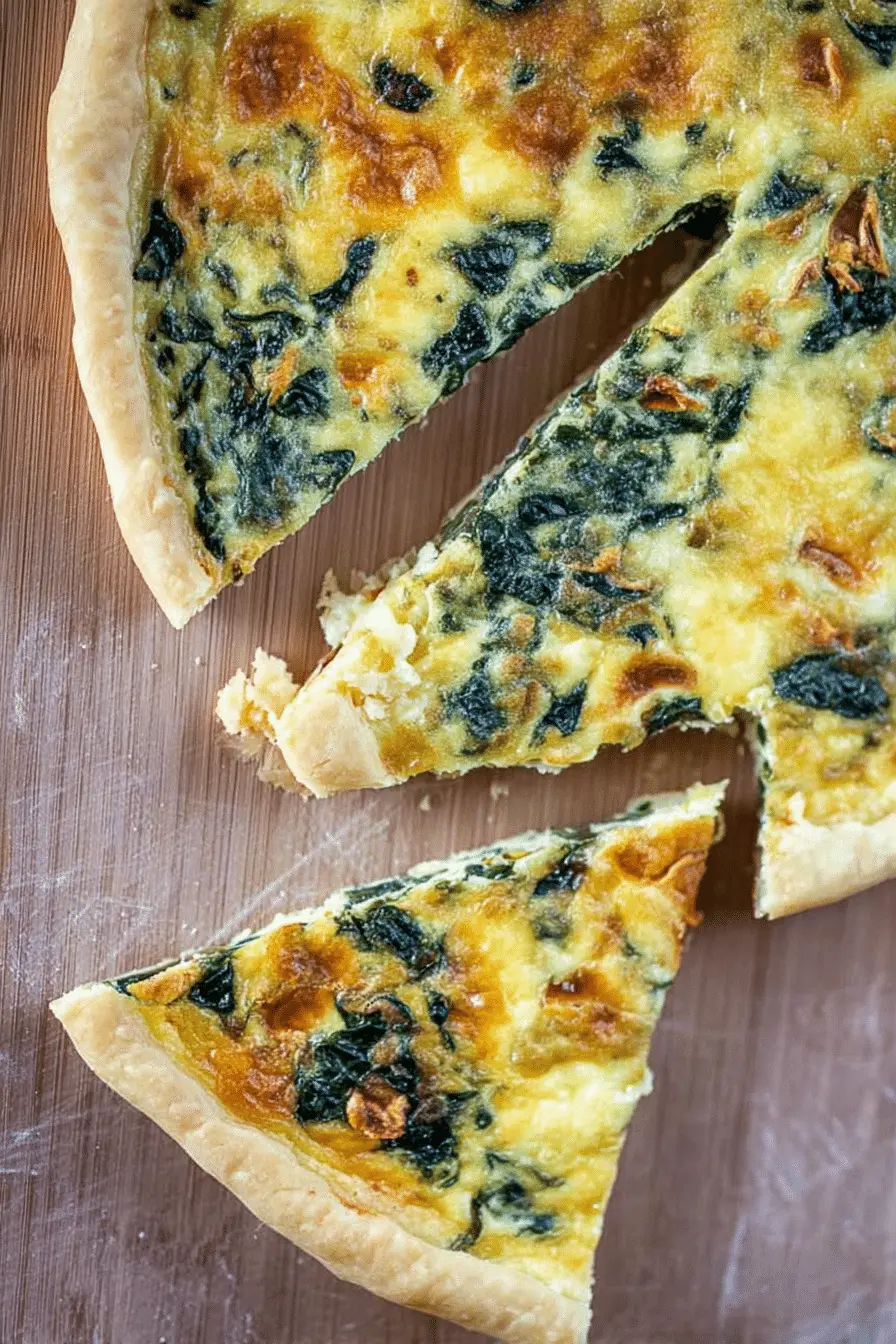
Sensory cues help you know it’s done: the top should be lightly golden, the center set (not wobbly), and the aroma should carry the sweet, slightly caramelized scent of sautéed shallots. The bright green of the spinach through the custard signals freshness; when you slice a wedge, the texture should be creamy, not rubbery.
Everything You Need for Quiche Florentine
- Pie crust – A ready-made crust saves time; a homemade crust gives more control over ingredients and texture.
- Butter – For sautéing shallots and adding richness to the filling if you make the crust from scratch.
- Shallots – Provide a sweet, mellow onion flavor when gently caramelized.
- Eggs – The backbone of the custard and a complete source of protein.
- Cream – Adds silkiness to the custard; you can lighten it with milk or a lower-fat alternative if desired.
- Dijon mustard – Gives a subtle tang that brightens the custard without overtaking it.
- Salt & pepper – Essential for seasoning; taste the custard before baking if you can.
- Spinach – Use frozen and well-drained for convenience, or fresh sautéed until wilted; both keep the filling vibrant.
- Gruyère (or substitute) – Adds nuttiness and creaminess; Swiss, cheddar, or mozzarella will also work.
- Nutmeg – A tiny grate elevates the custard with warmth and depth.
Tools I use often:
- 9-inch pie plate or tart pan – For even baking and easy slicing.
- Whisk – To combine eggs and cream without over-aerating.
- Skillet – For sautéing shallots and fresh spinach.
- Parchment paper and pie weights – Helpful when blind-baking a crust so the bottom stays flat.
Nutrition and Health Benefits of the Key Ingredients
Eggs are an efficient source of high-quality protein and provide essential nutrients like vitamin B12 and choline, which support energy and brain function. Spinach brings vitamins A, C, and K, plus iron and magnesium—important for energy and muscle function. The crust contributes carbohydrates for satiety; choosing a whole-grain or gluten-free base will affect fiber and glycemic response.
Cheese adds calcium and protein, but you can reduce the amount or choose lower-fat varieties to lower calories and saturated fat. Using a modest amount of cream keeps the custard silky while letting the spinach and eggs remain the nutritional stars.
For another nutritious egg-based dish, try our Baked Eggs Napoleon, which highlights the health benefits of eggs and vegetables.
The Secret to a Silky, Creamy Custard
- Use a higher-fat liquid (like cream) for silkiness, but don’t overload it—too much fat yields a heavy filling. If you want a lighter custard, replace part of the cream with milk.
- Whisk the eggs and dairy gently. You want them combined, not frothy—excess air makes the custard rise and fall, creating holes and a less uniform texture.
- Season the custard before pouring so the flavors settle into the mixture; mustard helps the custard hold flavor without saltiness overwhelming it.
- When adding spinach, ensure it’s well-drained. Excess water will make the custard watery and extend baking time.
- After baking, let the quiche rest for at least 10–20 minutes. This resting period firms the custard and gives you clean slices.
- Troubleshooting – If the center is wobbly after the recommended baking time, return it to the oven in 5-minute increments until set. If the edges brown too quickly, tent the quiche with foil for the remainder of the bake.
- Too-dry filling? – Likely overbaked. Next time, shorten the bake time and check earlier, aiming for a slight jiggle in the center before resting.
Crust Options: Store-Bought vs. Homemade (Gluten-Free Tips)
Store-bought crusts are a time-saving ally for busy cooks; they blind-bake well and give consistent results. Homemade crust lets you control fat, salt, and flour types, and I often make a whole-grain crust when I want more fiber.
- Gluten-free crust – A mix of almond flour and a neutral gluten-free flour often produces a pleasant texture; chilling the dough before rolling prevents crumbling.
- Crustless option – Grease the pan well and pour in the filling; you lose the crunch but keep the nutrition and save on prep time.
- Whole-grain swap – Use whole-wheat or spelt for a nuttier flavor and more fiber; expect a slightly denser crust.
- Parchment & weights – Always line and weight the crust when blind-baking to prevent bubbles and a soggy bottom.
How to Make Quiche Florentine (Step-by-Step)
- Preheat your oven and place the rack low so the crust has direct heat for blind-baking.
- Fit your pie crust into the pan, trim and tuck the edges, then prick the bottom with a fork to prevent puffing.
- Line the crust with parchment and fill with pie weights (or raw rice/beans), then blind-bake until the edges are golden and the center looks set.
- While the crust bakes, melt butter in a skillet and sauté shallots until they begin to brown; remove from heat and drain if they release a lot of moisture.
- Whisk eggs, cream, mustard, salt, and pepper gently until combined—avoid vigorous whisking.
- Layer the shallots, drained spinach, and half the cheese in the prebaked crust, then pour in the egg mixture.
- Top with the remaining cheese and a light grating of nutmeg, then bake until the custard is set and the top is lightly browned.
- Let the quiche rest before slicing so the filling firms and slices hold their shape.
Pro Tip for quiche florentine: How to Make a Flaky Gluten-Free Crust
- Chill the dough thoroughly before rolling; cold fat creates flakiness when it melts in the oven.
- Combine nutty flours (like almond) with a starchy gluten-free flour to balance flavor and structure.
- Handle the dough as little as possible—too much warmth from your hands encourages crumbling.
- Blind-bake with parchment and weights to set the crust before filling; this prevents sogginess from the custard.
- If the dough cracks, press it gently with your fingers and patch with a little extra dough—bakes up fine and still tastes great.
How to Store, Reheat, and Meal-Prep Quiche Florentine
- Refrigerate cooled slices in an airtight container for up to three days; they make ready-to-go breakfasts or lunches.
- Freeze individual slices wrapped tightly for up to two months; thaw overnight in the fridge before reheating.
- To reheat, use the oven or toaster oven at moderate heat until warmed through—this preserves texture better than the microwave. If you must microwave, cover loosely and heat in short bursts to avoid rubbery eggs.
- For meal-prep, bake the quiche ahead and portion it with a simple side salad and whole-grain bread for balanced meals during the week.
Pair your quiche with a refreshing drink, like our Blueberry Tea Lemonade for a complete meal experience.
Unique Variations of Quiche Florentine
- Swap gruyère for crumbled goat cheese and fresh thyme for a tangier, herby quiche.
- Add sautéed mushrooms and a touch of garlic for an earthier version that still highlights the spinach.
- Fold in fresh herbs like dill or chives after baking for a bright finish.
- Make it Mediterranean with sun-dried tomatoes and feta, or keep it simple with cheddar and green onions for family-friendly flavors.
If you're looking for delicious alternatives, check out our Spinach Goat Cheese Quiche for a unique twist on the classic quiche.
In my kitchen, this quiche florentine is a reliable, wholesome dish that supports a busy life without sacrificing flavor. With a few small habits—draining the spinach, blind-baking the crust, and giving the quiche time to rest—you’ll get a consistently silky custard and tidy slices every time. Make it your own with different cheeses, a gluten-free crust, or seasonal vegetables, and you’ll have a versatile dish that travels from breakfast to dinner with ease.
Frequently Asked Questions
Can I use fresh spinach instead of frozen for Quiche Florentine?
Yes! You can absolutely use fresh spinach instead of frozen. Just sauté the fresh spinach in butter until wilted, and make sure to squeeze out any excess moisture before adding it to the quiche.
How do I store leftover Quiche Florentine?
Store leftover quiche in an airtight container in the refrigerator. It should stay fresh for up to 3 days. You can also freeze it for up to 2 months; just wrap slices tightly in plastic wrap before freezing.
Can I make Quiche Florentine gluten-free?
Absolutely! You can use a gluten-free pie crust or even make a crustless version by simply baking the filling in a greased pie dish. Both options are delicious!
How long can I keep Quiche Florentine in the fridge?
Quiche Florentine can be kept in the fridge for up to 3 days. Just make sure to cover it well to maintain freshness.
What cheese can I substitute for Gruyère in this recipe?
If you don’t have Gruyère on hand, you can substitute it with Swiss cheese, mozzarella, or cheddar. Each will give a slightly different taste but still delicious!