- Prep
- 10 min
- Cook
- 20 min
- Total
- 30 min
- Serves
- 4
- Calories
- 400 kcal
Introduction
Introduction to Spicy Spaghetti
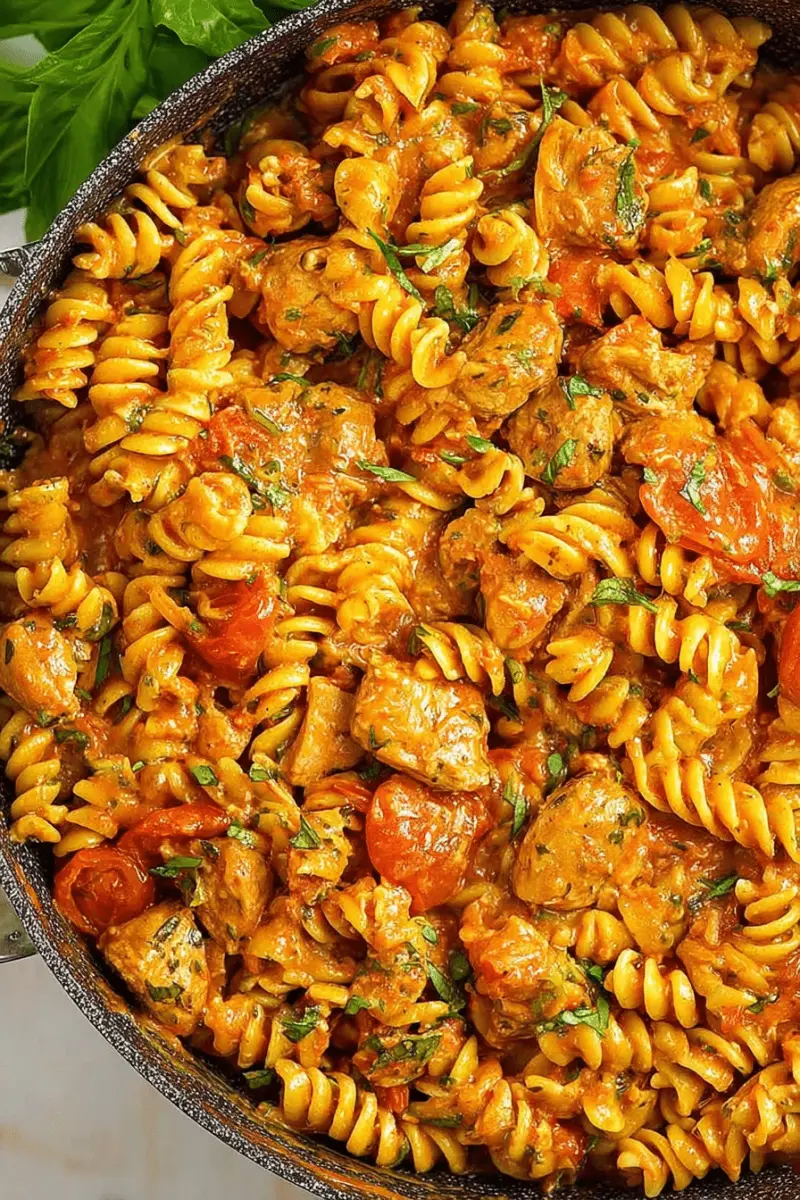
Spicy spaghetti is one of those weeknight heroes I keep returning to: simple pantry staples turned into something bright, saucy, and a little naughty on the tongue. It’s not fussy—just a pan, some good olive oil, a handful of cherry tomatoes, a sensible amount of garlic, and a kick from red pepper flakes. What surprised me the first time I cooked this is how the tomatoes go from shy and whole to bursting, syrupy little pockets of heat that cling to each strand of pasta. The aroma fills the kitchen—warm garlic, sharp tomato, and a peppery heat that wakes up your mouth without stealing the show. I first started making this on busy summer evenings when cherry tomatoes were abundant and I wanted something fast that still felt homemade. Over the years I’ve tweaked the balance of heat, the timing for crushing the tomatoes, and how much pasta water to save. These little changes make a big difference—so in this post I’ll walk you through the exact steps I use, what can go wrong, and how to fix it. If you love a dish that’s both comforting and lively, this spicy spaghetti is for you.Ingredients for Spicy Spaghetti
- Spaghetti – the backbone; long strands catch the sauce and feel classic. Use regular or gluten-free depending on preference.
- Olive oil – a drizzle to start the sauce, adds fruitiness and helps carry the aromatics.
- Onion – gives sweetness and body when softened; yellow or sweet onions work well.
- Red pepper flakes – the main source of heat; easy to dial up or down.
- Garlic – adds savory warmth; mince finely so it disperses through the sauce.
- Cherry tomatoes – they burst and make a quick, bright sauce; mini San Marzanos are a good substitute.
- Dried oregano – a hint of herbal depth; optional but complementary.
- Salt & black pepper – essential for seasoning and bringing out flavors.
- Parmesan cheese – brings richness and umami at the finish; swap with nutritional yeast for vegan versions.
- Fresh basil – bright, aromatic finish that lifts the whole dish.
Step-by-Step Cooking Instructions
Yield: 4 servings. Total time: about 30 minutes. I’ve written these steps the way I actually cook them, with cues and what to watch for. Read once, then have fun adapting.- Bring a large pot of salted water to a rolling boil. Add 12 oz. spaghetti and cook according to package directions until al dente—usually about 8–10 minutes. Taste a strand a minute or two before the lower end of the range; it should be tender but with a tiny bite. Drain, reserving about ½ cup of the pasta water. I always save a little more than I think I need; the starches in that water rescue a sauce that’s gone too thick.
- While the pasta cooks, heat about a ¼ cup of extra-virgin olive oil in a large skillet over medium heat. When the oil shimmers, add 1 cup of diced onion and cook for about 5 minutes until the onion is translucent and starting to soften. You want them softened, not browned—low to medium heat keeps them sweet without developing a bitter edge.
- Stir in 2 teaspoons of red pepper flakes (use less if you’re sensitive) and cook for 2 minutes with the onion so the oil infuses with the spice. This step makes a big difference: toasting the flakes in oil releases their oils and gives a rounder heat than just sprinkling them at the end.
- Add 1 tablespoon minced garlic and cook for 1 minute until fragrant. Watch carefully—garlic can go from fragrant to bitter in a few seconds. The scent will change from sharp to warmly sweet when it’s ready.
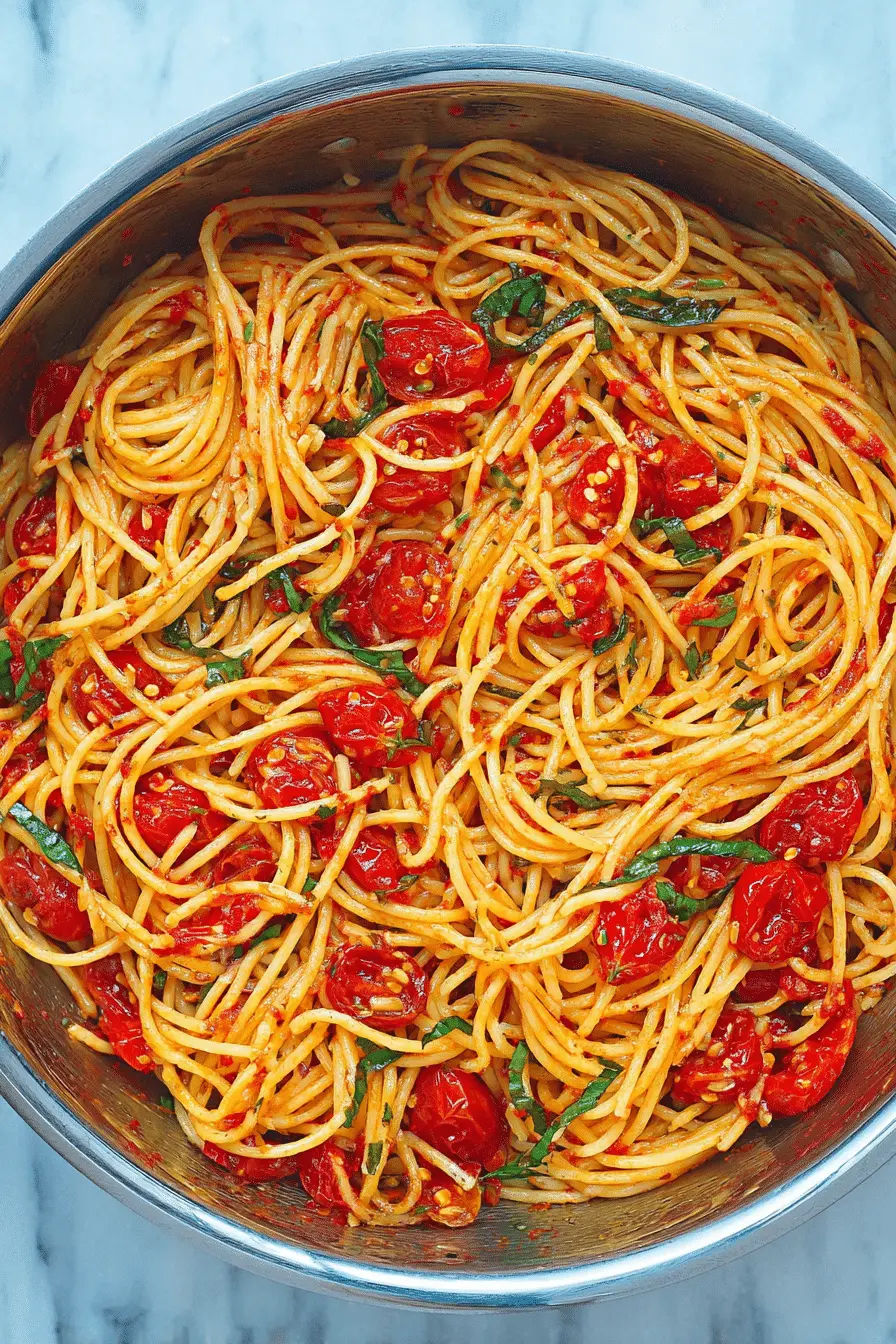
- Add 4 cups halved cherry tomatoes (about 1.5 pounds), 1 teaspoon dried oregano, 1 teaspoon salt, and ¼ teaspoon black pepper to the skillet. Cook for 5–7 minutes, stirring occasionally, until the tomatoes have softened and released their juices. You’ll know they’re ready when the tomatoes collapse at the edges, the pan starts to look saucy, and the aroma turns jammy and slightly tangy.
- Take a potato masher or the back of a wooden spoon and gently crush the tomatoes in the pan to release more juices and make a saucier texture. I usually mash half of them and leave a few whole for bursts of texture—this contrast is nice on the palate.
- Add the drained spaghetti to the skillet, along with 1/3 cup grated parmesan and 2 tablespoons chopped fresh basil. Toss well to coat. If the sauce looks dry or clings to the pasta without gloss, add reserved pasta water a tablespoon or two at a time until the sauce is silky and comes together. The starch in the water helps bind the oil and tomato juices to the pasta for that restaurant-quality coating.
- Serve immediately topped with extra parmesan, more fresh basil, and a few pinches of red pepper flakes for presentation. This dish is best eaten right away when the tomatoes are still warm and saucy. Leftovers are fine, but the texture changes as the sauce firms up in the fridge.
- Sauce too thin – Simmer a few minutes longer without the lid to reduce. If you’re in a hurry, toss in a tablespoon of grated parmesan or a little more pasta water and bring back to a simmer to thicken via the starch.
- Sauce too thick – Add reserved pasta water a teaspoon at a time; it will loosen without watering the flavor down.
- Garlic burned – If garlic becomes bitter, I scrape the onions and tomatoes into a clean pan and start again with fresh oil and new garlic—bitter garlic ruins the sauce. Prevent it by adding garlic after the red pepper flakes have had a minute to bloom and keeping heat moderate.
- Too spicy – Add a knob of butter or a splash of cream (or a non-dairy alternative) to round the heat, or toss in a tablespoon of sugar to balance. Salt also helps tame perceptions of heat—taste before increasing sugar.
Tips for Customizing Heat Levels
Heat is personal, and this recipe is set up so you can fine-tune it. Start conservative if you’re unsure and adjust. I usually keep a small bowl of extra red pepper flakes on the table so everyone can season their own plate. To complement your spaghetti, consider making spicy shrimp patties for an extra kick!- Mild – Use ½ teaspoon red pepper flakes or omit them entirely. Add a small pinch of smoked paprika for warmth without heat.
- Medium – Use 1–2 teaspoons red pepper flakes. Add a little fresh cracked black pepper and a chopped fresh mild chili (like poblano) if you want texture without too much burn.
- Hot – Use 2 teaspoons or more, substitute with crushed Calabrian chiles, or add a finely chopped bird’s-eye chili. Be careful—fresh chilies concentrate heat differently than dried flakes.
Creative Variations for Spicy Spaghetti
This recipe is forgiving, so I encourage you to riff on it. For a unique twist, try adding seafood to your dish by preparing our garlic butter shrimp pasta.- One-pot spicy spaghetti – Cook the pasta right in the skillet with extra broth or water and the tomatoes. You’ll need to stir often and add liquid as it evaporates, but it saves dishes and lets the pasta soak up maximum flavor.
- Baked spicy spaghetti – Mix the sauced pasta with shredded mozzarella, top with breadcrumbs, and bake until bubbling and golden for a comforting casserole twist.
- Roasted vegetables – Add roasted eggplant or zucchini for a smoky, substantial version that’s great with a little lemon zest at the end.
- Protein add-ins – Crumbled Italian sausage (remove from casing and brown before adding onions), leftover roasted chicken, or canned tuna all integrate well.
- International spins – For a Thai-inspired take, replace basil with Thai basil, add fish sauce and a dash of lime, and use bird’s-eye chilies. For a Mediterranean style, fold in olives and capers and finish with a squeeze of lemon.
Serving Suggestions and Pairings
Presentation is low-key but thoughtful. Toss the pasta in the pan so every strand is glossy and spoon into warm bowls. Scatter torn basil and shaved parmesan over the top and add a final drizzle of good olive oil. A little citrus zest (lemon) brightens the plate if your tomatoes are very sweet. Entice your guests with sides like Mediterranean spinach and feta crisps to elevate your dining experience.- Garlic bread – Crunchy, buttery bread is a perfect foil for the juicy pasta.
- Simple green salad – Peppery arugula or a mix with a lemon vinaigrette cuts the richness and refreshes the palate.
- Roasted vegetables – Oven-charred broccoli or cauliflower adds texture and a smoky counterpoint.
Nutritional Information
The original recipe lists general ingredients without precise nutrition data, so I won’t invent exact numbers. Roughly speaking, a serving of this spaghetti (with the parmesan and olive oil) is a moderate-calorie pasta dish that provides carbohydrates from the pasta, healthy monounsaturated fats from olive oil, and some protein from cheese. Swapping in a vegan cheese substitute changes the fat and protein profile; adding sausage increases calories and fat, while adding more vegetables boosts fiber and micronutrients. Health notes:- Spicy foods – Ingredients like red pepper flakes contain capsaicin, which can mildly boost metabolism and has been associated with heart-health benefits, though these effects are small and context-dependent.
- Tomatoes – Rich in vitamin C and lycopene; cooking increases lycopene’s bioavailability.
- Fat – Olive oil provides heart-healthy monounsaturated fats; control the amount if you’re watching calories.
Storage, Make-Ahead, and Leftovers
This spaghetti keeps in the refrigerator for 3–4 days in an airtight container. Expect the sauce to thicken as it cools—reheat gently in a skillet with a splash of water or extra-virgin olive oil to restore silkiness. Leftovers actually taste great cold if you prefer a more concentrated flavor and a chewier texture. Make-ahead options: you can prepare the sauce in advance and refrigerate for up to two days; heat it through and add freshly cooked pasta when ready to serve. If freezing, freeze the sauce (without cheese) for up to 3 months; thaw overnight in the fridge before reheating.Conclusion and Invitation to Share Experiences
Spicy spaghetti is a simple, flexible dish I cook when I want comfort with a bit of attitude. It’s quick, forgiving, and rewarding—those slow-bursting tomatoes and the way the pasta soaks up the spiced oil always feel like a little celebration. Try it as written, then experiment: switch up the heat, add shrimp, or turn it into a baked casserole. I test these recipes in a real kitchen—I've burned garlic, over-reduced sauces, and learned the hard way how crucial the reserved pasta water is. That’s part of the fun. Please share how yours turns out: what heat level you prefer, any swaps you tried, or what sides you paired with it. If you have a question about timing or ingredient substitutions, ask in the comments—I answer based on what I actually cook and test at home and love troubleshooting with readers.FAQ
Is spicy spaghetti a thing? Absolutely! Spicy spaghetti is a beloved dish that combines the comforting flavors of traditional spaghetti with a kick of heat, making it a popular choice for spice lovers. What can I add to make my spaghetti spicier? You can add extra red pepper flakes, fresh chili peppers, or even hot sauce to your spaghetti. Just adjust the amount according to your heat tolerance! How can I customize the heat level in this recipe? To customize the heat, start with the suggested amount of red pepper flakes and add more as desired. You can also use milder ingredients or omit them entirely if you prefer a less spicy dish. What side dishes pair well with spicy spaghetti? Great side dishes include garlic bread, a fresh salad, or roasted vegetables. These will complement the flavors of the spicy spaghetti nicely! Can I make this recipe vegan? Yes! You can substitute the parmesan cheese with a vegan cheese alternative or nutritional yeast for a cheesy flavor without the dairy.Recipe Card
Spicy Spaghetti: A Quick and Zesty Delight for Pasta Lovers
- Prep
- 10 min
- Cook
- 20 min
- Total
- 30 min
- Serves
- 4
- Calories
- 400 kcal
Ingredients
- 12 oz.spaghetti
- 1/4 cupextra-virgin olive oil
- 1 cupdiced onion
- 2 tspred pepper flakes ((use less if you're sensitive to spice))
- 1 Tbspminced garlic
- 4 cupscherry tomatoes, halved ((or mini San Marzanos if available))
- 1 tspdried oregano
- 1 tspsalt
- 1/4 tspblack pepper
- 1/3 cupgrated parmesan cheese ((plus more for topping))
- 2 Tbspfresh chopped basil ((plus more for topping))
Instructions
- 1
Bring a large pot of salted water to a boil and add spaghetti. Cook according to package directions until al dente. Drain, reserving about ½ cup of the water. Set aside.
- 2
While pasta is cooking, heat olive oil in a large skillet over medium heat. Add onion and cook for about 5 minutes. Stir red pepper flakes into onion and cook for 2 minutes. Add garlic and cook for 1 more minute.
- 3
Add tomatoes, oregano, salt, and pepper to the skillet. Cook for 5-7 minutes, stirring occasionally.
- 4
Use a potato masher or the back of a wooden spoon to crush the tomatoes slightly.
- 5
Add drained spaghetti to the skillet with the sauce, along with grated parmesan and chopped basil. Toss to coat evenly.
- 6
Serve topped with more parmesan, basil, and red pepper flakes.
You might also like
Reviews
Be the first to review this.