- Prep
- 5 min
- Cook
- 15 min
- Total
- 20 min
- Serves
- 16
- Calories
- 5 kcal
- Protein
- 1.00 g
- Fat
- 1.00 g
Introduction
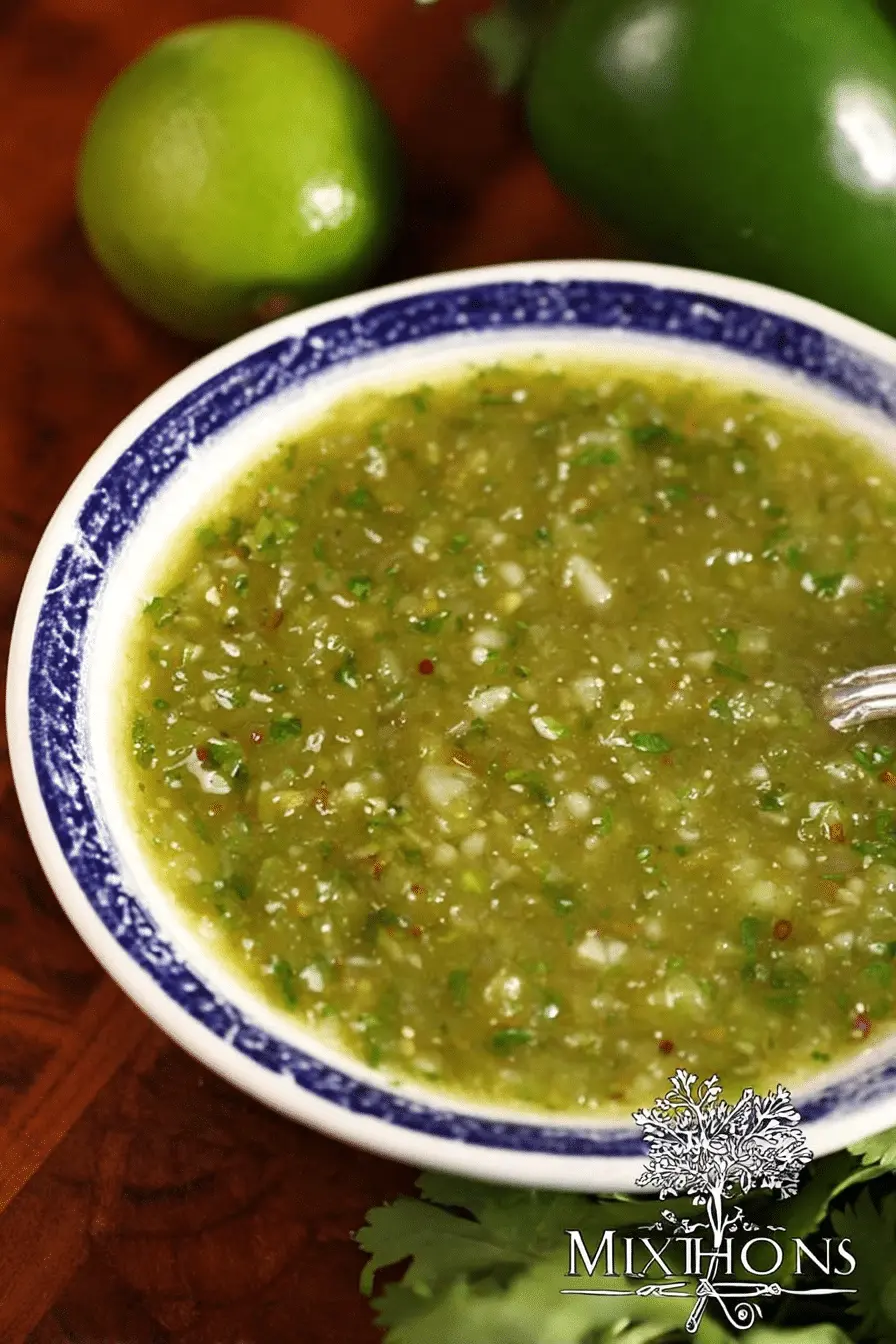
I learned to make salsa verde standing at my mother's counter, rubbing tomatillos until their papery husks came away and the kitchen filled with that bright, slightly citrusy scent. Over the years I've made this sauce dozens of ways — boiled, charred, blended smooth, left a little chunky — and I keep returning to the version that balances heat and brightness with a fresh, herbal finish. In my kitchen I treat it like a finishing touch: a spoonful can lift plain meat, beans, or rice into something more lively.
I like my salsa with a clear green color and a lively tang from the tomatillos; I use serrano peppers when I want punch, and jalapeños when I want a gentler warmth. Texture matters as much as spice: smooth but slightly chunky is where this salsa sings, clinging to warm tortillas and grilled meats. I’ll share the small decisions I make in the kitchen — when to roast, when to simmer, how much of the pepper’s seeds to keep — so your salsa ends up tasting like something you’d get at a home table in Mexico.
Beyond tacos, salsa verde is endlessly useful. I spoon it over carnitas, fold it into scrambled eggs, and I even toss it with roasted vegetables or use it as a sauce for grilled fish. For a tasty twist, try pairing your salsa verde with Mexican street corn fritters — the freshness of the tomatillos cuts through fried batter beautifully. Throughout this post I’ll cover tools, technique, heat control, and storage — everything to help you make a jar that you actually want to keep on the counter.
Transform Tacos: Why Spicy Tomatillo Salsa Verde Belongs in Your Kitchen
Salsa verde is more than a condiment; in many regions of Mexico it’s an everyday sauce that complements everything from slow-cooked pork to simple huevos. Its acidity and herbal notes brighten rich or fatty foods in a way that nothing else does. When you spoon it over tacos, it lifts the meat and ties the toppings together, adding a fresh, slightly tart dimension.
Think regionally: in central Mexico the tomatillo-forward salsa is often thinner and brighter, while in other areas you’ll find roasted versions with deeper, smoky notes. Use the brighter style for fish and chicken, and the roasted style for grilled or richly spiced meats. For more serving inspiration, pairing your salsa verde with Mexican street corn fritters makes an easy and exciting appetizer.
Everything You Need for Spicy Tomatillo Salsa Verde
Tools and equipment: a heavy-bottomed saucepan for simmering, a blender or food processor for a smooth salsa, a fine-mesh sieve if you prefer a silkier texture, and a sharp knife for prep. If you have a molcajete (stone mortar and pestle), use it for a more rustic, textured result — it changes the mouthfeel and releases oils differently than a blender.
- Tomatillos – The star: choose firm, bright green tomatillos with intact husks; they should be slightly sticky once husked. Freshness affects acidity and color.
- Serrano or Jalapeño peppers – Serranos give real heat and a grassy edge; jalapeños are milder and rounder. Adjust pepper choice to match desired spice.
- Onion – Provides sharpness and body; white or yellow onion works well for a clean flavor.
- Garlic – Adds depth; low heat will keep garlic from becoming bitter.
- Cilantro – Optional but recommended for its herbal lift; add after blending for the brightest flavor.
- Salt – Essential for balance; add gradually and taste as you go.
- Water – Used for simmering and for adjusting texture when blending; reserved cooking liquid tames rawness and helps smooth the salsa.
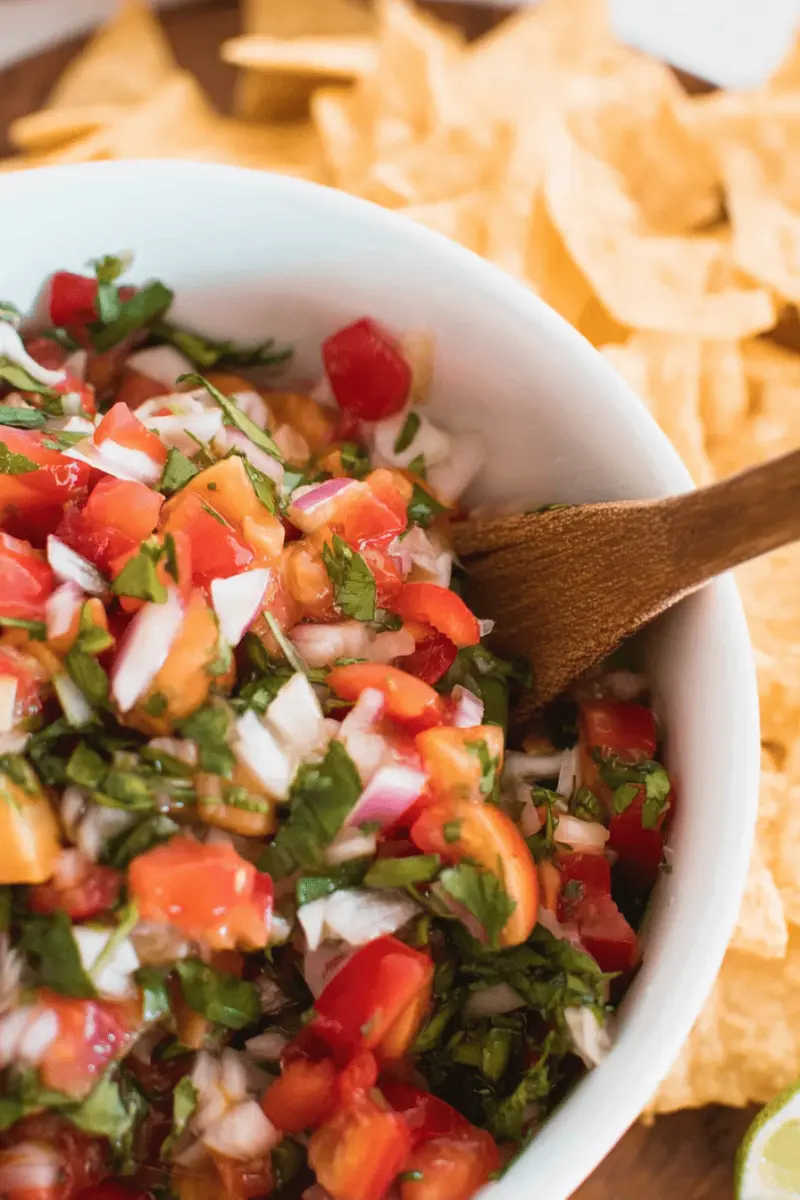
To complement your salsa verde, consider preparing a fresh pico de gallo on the side — the juicy tomatoes and crisp onion make a nice contrast.
Roasted vs. Boiled Tomatillos: Which Adds More Flavor
Roasting (on a hot comal, grill, or under the broiler) concentrates sugars and introduces caramelization and a subtle smokiness. The tomatillos will darken and blister; this produces a more complex, slightly sweeter salsa with roasted notes that pair exceptionally well with smoky meats.
Boiling or simmering keeps things bright and tangy: the tomatillos soften quickly and release their acidic, citrusy flavors into the liquid, giving you a fresher, greener salsa with a clean bite. Texture differs too — roasted tomatillos can be pulpy and slightly drier, while boiled ones break down into a silkier base.
Choose roasting if you want depth and mild sweetness; choose boiling for freshness and a quick, bright sauce. You can also blend methods — roast the peppers and boil the tomatillos for a balanced result.
How to Control Heat: Adjusting Serrano and Jalapeño Levels
Peppers vary: serranos commonly run noticeably hotter than jalapeños. If you want to calibrate heat precisely:
- Remove seeds and membranes to cut heat significantly — most capsaicin is concentrated there.
- Use one pepper and taste; you can always add more. I often start with a single serrano and add a second after tasting.
- For milder salsa, substitute jalapeños or roast the peppers; roasting softens perceived heat and adds sweetness.
- To counterbalance excessive heat, add a touch of acidity (lime or more tomatillo), a small pinch of sugar, or a creamy element when serving (avocado or crema).
- Alternative peppers: for fruity heat try fresno chiles; for smoky warmth try smoked poblano (ancho) blended into the sauce.
These strategies let you tailor the kick without losing the salsa’s bright character — taste as you blend and adjust gradually.
The Secret to the Perfect Texture (Smooth but Slightly Chunky)
The ideal texture clings to tortillas and meat without being watery. Texture comes down to blending time and the amount of reserved cooking liquid you add. Blend in short bursts if you want some chunk; blend longer for a smooth finish.
- Use the reserved cooking liquid sparingly — it smooths the salsa and calms raw bite, but too much makes it runny.
- Pulse the blender to maintain small flecks of tomatillo and pepper for that slightly chunky feel; a full puree will be glossy and smooth.
- If you prefer a rustic texture, mash by hand or use a molcajete for a coarse, peppery finish.
- Strain the salsa through a sieve if you want a satiny, restaurant-style finish; press gently to keep some body.
How to Make Spicy Tomatillo Salsa Verde (Step-by-Step)
- Prepare the tomatillos by removing husks and rinsing the sticky residue; halve very large ones so they cook evenly.
- Bring a saucepan of water to a simmer and add the tomatillos and peppers; simmer uncovered until the tomatillos soften through, about twelve to fifteen minutes.
- Drain the cooked tomatillos and peppers, reserving a small amount of the cooking liquid to adjust texture later.
- In a blender, add the cooked tomatillos, peppers, peeled garlic, and chopped onion; if using cilantro, add it now or after blending for a fresher flavor.
- Pulse to your desired consistency, adding a little reserved liquid only if you need a saucier texture; overblending will turn the salsa too smooth.
- Transfer to a bowl, season with salt to taste, and let the salsa rest for at least ten minutes to allow flavors to meld before serving.
- Troubleshooting tip: if the salsa tastes flat, a squeeze of lime (or a touch more salt) will brighten it immediately.
Pair your freshly made salsa verde with our best ever guacamole to elevate your taco night — the creamy avocado contrasts beautifully with the tangy green sauce.
Pro Tip for Spicy Tomatillo Salsa Verde: Tame Heat Without Losing Brightness
Pro-Tips, Troubleshooting, and Variations are presented as bulleted lists below for quick reference and easy scanning.
- If the salsa is too hot, add chopped cooked tomatillo or a spoonful of avocado to mellow the heat while keeping acidity.
- For a brighter finish, stir in fresh cilantro and a little fresh lime juice just before serving; heat diminishes these flavors.
- Toast the garlic briefly before blending for a milder, sweeter garlic note without losing freshness.
- Make a double batch and keep one jar in the freezer — it thaws with nearly the same brightness as fresh.
Troubleshooting
- The salsa is watery: you likely added too much reserved liquid — blitz less and let excess settle, then skim the top before serving.
- The salsa tastes bitter: overcooked garlic or too many charred bits can cause bitterness — blend in a peeled raw tomato or a touch of sugar to balance.
- Not enough heat: add a small amount of raw chopped serrano and let sit for ten minutes before tasting again.
- Flat flavor: rest the salsa for a bit after seasoning — flavors integrate with time; a final splash of acid wakes it up.
- I use my nose and a quick taste test in the bowl; if something smells dull, it usually needs more salt or acid. I trust that step every time.
How to Store, Make-Ahead, and Preserve Spicy Tomatillo Salsa Verde
Refrigeration: keep the salsa in an airtight container in the refrigerator for up to a week. The flavor will mellow after a day, so it often tastes better on day two. For longer storage:
- Freezing: portion the salsa into freezer-safe containers or ice cube trays for single-serving amounts; thaw gently in the fridge before using.
- Canning: if you plan to can, follow safe, tested canning guidelines (acidification and hot-water bath instructions) to ensure shelf stability; adjust salt and acidity per canning recommendations.
- Make-ahead tip: prepare the salsa a day ahead and refrigerate to let the flavors marry; bring to room temperature before serving for best brightness.
Another great use for your salsa verde is in simple salsa verde chicken enchiladas, perfect for make-ahead meals.
Dietary Swaps for Spicy Tomatillo Salsa Verde
- Low-sodium: reduce added salt and rely on fresh lime or a touch more tomatillo to brighten; salt can be adjusted at the table.
- Herb-free: if you dislike cilantro, add more onion and a bit of parsley or chopped green onion for freshness.
- Fat-friendly: the recipe is naturally very low in fat; serve with avocado on the side for healthy fat without altering the salsa.
- Allergy-friendly: this salsa is naturally vegan and gluten-free — it adapts easily to most dietary needs.
- Make it milder: swap serranos for jalapeños or reduce the number of peppers and remove seeds to suit sensitive palates.
Frequently Asked Questions
Can I use canned tomatillos instead of fresh ones?
While fresh tomatillos provide the best flavor, you can substitute canned tomatillos in a pinch. Just be sure to drain them well before using.
How can I make my salsa verde less spicy?
To reduce the heat, you can either use less serrano or jalapeño peppers, or remove the seeds and membranes, which hold most of the spice. You can also add a little sugar to balance the heat.
Can I store salsa verde, and if so, how?
Yes, you can store salsa verde in an airtight container in the refrigerator for up to a week. For longer storage, consider freezing it in a freezer-safe container.
What dishes pair well with spicy tomatillo salsa verde?
Salsa verde is incredibly versatile! It pairs beautifully with tacos, grilled chicken, carnitas, and even drizzled over nachos or used as a dip with chips.
Can I make this recipe vegan-friendly?
Absolutely! The recipe is already vegan as it contains no animal products. Enjoy it with your favorite vegan dishes!
Recipe Card
How I Make Spicy Tomatillo Salsa Verde the Mexican Way
- Prep
- 5 min
- Cook
- 15 min
- Total
- 20 min
- Serves
- 16
- Calories
- 5 kcal
- Protein
- 1.00 g
- Fat
- 1.00 g
Ingredients
- 6tomatillos (husked and washed) (About 2 cups)
- 3 tablespoonchopped onion
- 1 clovegarlic
- 2 or 3serranos peppers ((if using Jalapeño peppers use 1))
- —salt (to taste)
- 3 cupswater (to cook the tomatillos and peppers)
- 4 tablespoonchopped Cilantro ((Optional))
Instructions
- 1
In a saucepan, bring the water to a boil. Add the pepper and tomatillos, simmer, uncovered, for 12-15 minutes.
- 2
Drain, reserving 1/4 cup water of the liquid.
- 3
In a blender, puree the peppers, tomatillos, garlic and chopped onion, the cilantro if using, then add the reserved liquid if needed to get a saucier texture.
- 4
Transfer to a bowl and add salt to taste.
You might also like

Reviews
Be the first to review this.