- Prep
- 5 min
- Cook
- 15 min
- Total
- 20 min
- Serves
- 4
- Calories
- 278 kcal
- Protein
- 12.00 g
- Carbs
- 37.00 g
- Fat
- 10.00 g
- Sodium
- 531.00 mg
On this page26 quick jumps
TOC
26 quick jumps
Quick Spinach and Chickpeas Stir-Fry
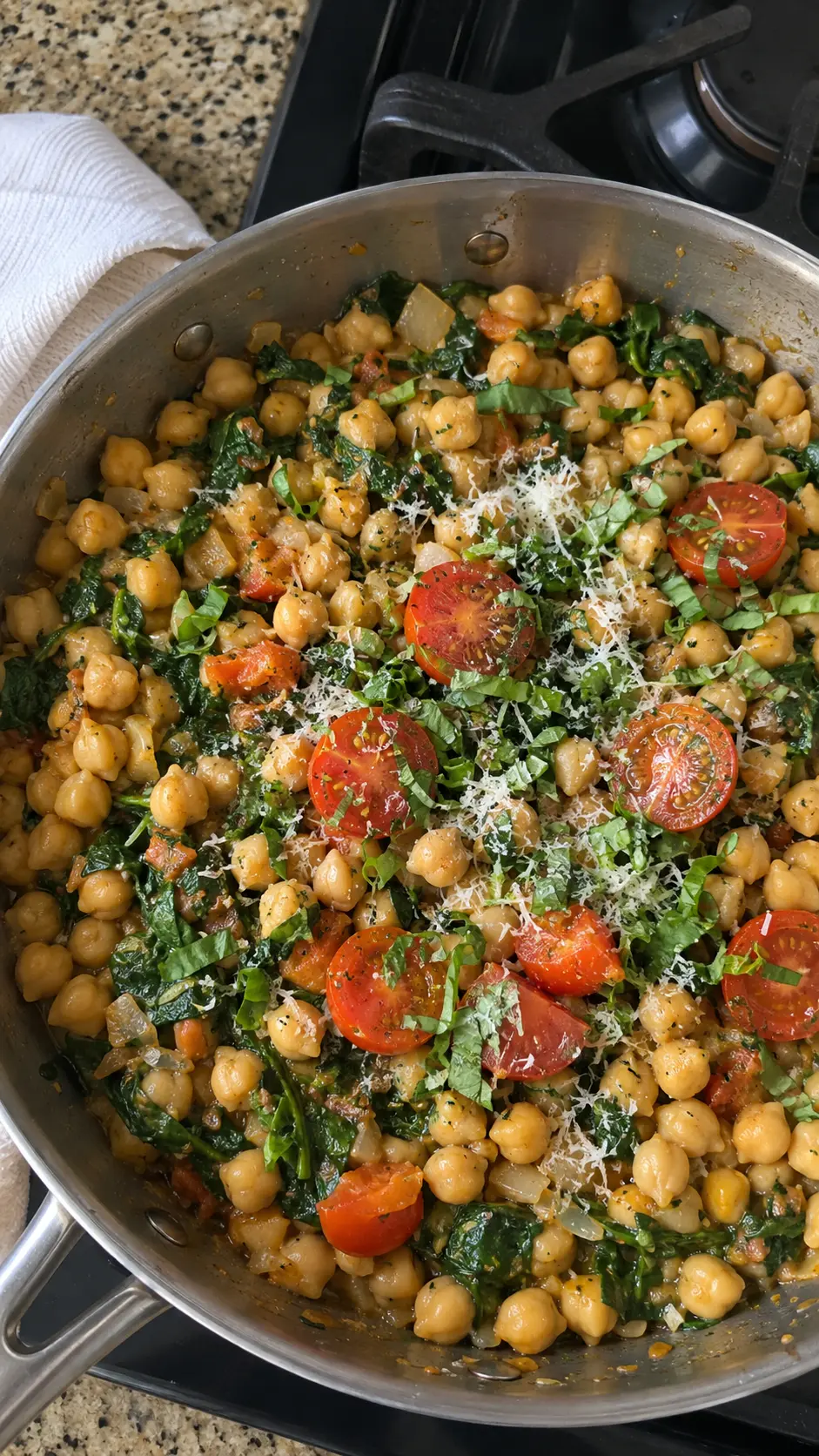
This spinach and chickpeas stir-fry is a simple one-pan meal made with tender chickpeas, fresh spinach, tomatoes, onion, garlic, and olive oil. It comes together in about 20 minutes, making it especially useful for busy weeknights when you want something homemade without spending a long time in the kitchen.
The ingredient list is short, but the combination works well. Chickpeas make the dish satisfying and hearty, while tomatoes bring moisture and acidity. Onion and garlic build the savory base, and fresh spinach is added at the very end so it wilts gently without becoming overcooked.
You can serve the chickpeas on their own, spoon them over rice or quinoa, tuck them into warm pita bread, or pair them with a fresh salad for a larger meal.
It's also an excellent recipe to keep in mind when you have a can of chickpeas in the pantry and a bag of spinach that needs to be used.
Your One-Pan Game Plan
Build Flavor Before Adding the Chickpeas
Why Chickpeas Work So Well in a Skillet
Fresh Spinach Goes in Last
Controlling the Moisture in the Pan
How to Know When Everything Is Ready
Easy Ways to Change the Flavor
Turn the Skillet Into a Complete Meal
What to Do With Leftovers
Common Problems and Simple Fixes
Frequently Asked Questions
Build Flavor Before Adding the Chickpeas
Although this is a quick recipe, the order in which the ingredients go into the pan matters.
The onion goes in first because it needs more cooking time than the other aromatics.
As onion cooks in olive oil, it becomes softer, sweeter, and less sharp. This creates the savory foundation for the entire dish.
Garlic goes in afterward.
Garlic cooks much faster than onion, so adding both at exactly the same time can lead to burned garlic before the onion has softened.
Give the onion a few minutes first, then add the minced garlic for approximately another minute.
Once the kitchen starts smelling fragrant, you're ready for the tomatoes.
This simple sequence—onion, garlic, tomatoes, chickpeas, spinach—helps each ingredient cook for the amount of time it actually needs.
What the Tomatoes Do
Tomatoes do more than add color.
As they cook, they release liquid into the skillet and create a light sauce around the chickpeas.
You don't need a heavy tomato sauce for this recipe.
A relatively small amount of diced tomato is enough to add moisture, acidity, and freshness.
Let the tomatoes cook briefly after adding them to the garlic and onion.
You want them to soften and release some juice without completely disappearing.
If your tomatoes are especially ripe and juicy, you may not need much additional water later.
If they're firmer and drier, a small splash of vegetable broth or water can help the chickpeas cook without sticking.
Why Chickpeas Work So Well in a Skillet
Canned chickpeas are ideal for fast meals because they're already cooked.
That means the 10 minutes they spend in the skillet aren't really about cooking the chickpeas from raw.
Instead, that time allows them to:
Heat all the way through
Absorb some of the garlic and tomato flavor
Soften slightly
Become coated in the juices from the pan
Drain and rinse canned chickpeas before adding them.
Rinsing removes much of the liquid they were stored in and gives you better control over the final flavor and consistency.
Once they're in the skillet, stir occasionally rather than constantly.
Letting the chickpeas sit against the hot pan for short periods can create a little extra texture around their edges.
Controlling the Moisture in the Pan
The recipe calls for adding several tablespoons of water or vegetable broth as needed while the chickpeas cook.
The important words are as needed.
Don't automatically pour all of the liquid into the skillet.
First, look at what is happening in the pan.
If the tomatoes have already released plenty of juice and nothing is sticking, you may need very little.
If the pan looks dry or the chickpeas begin catching on the bottom, add a small splash.
Stir, let it cook for a minute, and evaluate again.
The finished dish should be moist but not soupy.
You want enough liquid to coat the chickpeas and greens, not enough to turn the meal into a stew.
Fresh Spinach Goes in Last
Spinach cooks dramatically faster than almost every other ingredient in this dish.
A large handful can look like far too much when it first goes into the pan, then shrink down within a minute or two.
That's why spinach is the final main ingredient.
Once the chickpeas are hot and flavorful, add the baby spinach and gently fold it through the mixture.
The heat already in the skillet will begin wilting the leaves almost immediately.
Cook only until the spinach has softened and turned bright green.
There is no need to keep cooking it for another 10 minutes.
Overcooked spinach can become very soft, dark, and watery.
For this recipe, a gentle wilt gives you better color and texture.
How to Know When the Dish Is Ready
Because all of the major ingredients except the vegetables are already cooked, you don't need to rely heavily on an exact timer.
Instead, look at the food.
The onion
It should look translucent and softened rather than raw and crunchy.
The garlic
It should smell fragrant without becoming dark brown.
The tomatoes
They should be softened and juicy, with some pieces still visible.
The chickpeas
They should be completely hot and lightly coated in the tomato and onion mixture.
The spinach
It should be wilted but still bright green.
When all five of those things are happening, the skillet is ready.
Seasoning the Chickpeas
Chickpeas have a mild flavor, which means this dish is a good base for several seasoning styles.
At minimum, taste the finished skillet and add salt and black pepper if needed.
If you're using low-sodium canned chickpeas, you'll probably want some salt to make the flavors more noticeable.
From there, you can take the recipe in several directions.
Mediterranean-Style Chickpeas
For a Mediterranean-inspired version, add:
Dried oregano
Black pepper
Red pepper flakes
Fresh lemon juice
Chopped parsley
Finish with crumbled feta or grated Parmesan if desired.
The lemon is especially useful because it adds brightness to the earthy chickpeas and cooked spinach.
Smoky Chickpeas and Spinach
Add:
Smoked paprika
Ground cumin
Garlic
Black pepper
Chili flakes
This gives the dish a deeper, warmer flavor.
Serve the chickpeas over rice or with warm flatbread.
Spicy Tomato Chickpeas
For something with more heat, add:
Crushed red pepper
Cayenne
Fresh chopped chili
Harissa
Chili garlic sauce
Start with a small amount.
You can always increase the heat at the end.
Lemon-Garlic Version
For a brighter variation, keep the seasonings simple.
Use garlic, black pepper, and salt during cooking, then squeeze fresh lemon juice over the pan immediately before serving.
Add a little lemon zest if you want even more citrus flavor.
This version works particularly well when the chickpeas are being served alongside richer foods.
Add More Vegetables
The skillet is easy to expand if you have vegetables that need to be used.
Good additions include:
Bell peppers
Zucchini
Mushrooms
Kale
Swiss chard
Broccoli
Red onion
Carrots
Artichoke hearts
The key is adding vegetables according to how long they take to cook.
Firm vegetables should go in before the chickpeas.
Tender greens should go in near the end.
For example, mushrooms can cook alongside the onion, while kale may need a little more time than spinach to become tender.
Can I Use Kale Instead of Spinach?
Yes.
Kale is sturdier than baby spinach, so it needs a longer cooking time.
Remove tough stems, chop the leaves, and add them several minutes before you would normally add spinach.
A small splash of water or broth can help the kale soften.
Swiss chard also works well.
Separate the stems from the leaves and cook the chopped stems earlier because they take longer.
Turn the Skillet Into a Complete Meal
Spinach and chickpeas can be served on their own, but adding a grain or bread makes the meal more substantial.
Serve Over Rice
White rice, brown rice, jasmine rice, or basmati rice can all work.
The rice absorbs the light tomato and garlic juices from the skillet.
Add Quinoa
Cooked quinoa gives you another easy meal-prep option.
Spoon the hot chickpeas over quinoa and finish with lemon juice and fresh herbs.
Serve With Couscous
Couscous cooks quickly, which keeps the entire dinner in the fast-weeknight category.
Add Flatbread
Warm pita, naan, or another flatbread is ideal for scooping up chickpeas and the flavorful juices from the bottom of the bowl.
Make a Grain Bowl
Start with rice, quinoa, or another grain.
Add the spinach and chickpeas, then finish with extras such as:
Cucumber
Avocado
Feta
Fresh herbs
Roasted vegetables
Tahini sauce
Yogurt sauce
Lemon wedges
Make It Creamier
The basic recipe has a relatively light tomato-based consistency.
If you want something creamier, there are several easy options.
Stir in a spoonful of plain Greek yogurt after removing the skillet from the heat.
You could also add a little coconut milk for a completely different flavor direction.
Tahini is another option.
Thin it with lemon juice and water, then drizzle it over the finished chickpeas rather than cooking it directly in the pan.
Even crumbled feta or grated cheese can add some creamy richness without changing the cooking method.
Don't Forget a Fresh Finish
A simple garnish can change the finished dish more than you might expect.
Try adding:
Fresh basil
Parsley
Cilantro
Green onions
Lemon zest
Lemon juice
Freshly cracked pepper
Grated Parmesan
Crumbled feta
Add delicate fresh herbs after cooking so they stay bright.
This is also a good way to make a simple pantry-based recipe look and taste fresher.
Meal-Prep Strategy
This chickpea skillet works well for meal prep because the major ingredients reheat easily.
Prepare the full recipe and allow it to cool before transferring it to airtight containers.
If you're serving it with rice or quinoa, you can portion the grain and chickpeas into individual containers for quick lunches.
Keep any fresh toppings separate.
For example, lemon wedges, fresh herbs, yogurt sauce, avocado, or feta are better added after reheating.
The spinach will soften somewhat during storage, which is normal.
If meal-prepping specifically for several days, you can slightly undercook the spinach so it doesn't become overly soft after reheating.
What to Do With Leftovers
Leftovers don't have to become exactly the same meal again.
Make a wrap
Spoon reheated chickpeas into pita or a tortilla with fresh greens and sauce.
Turn them into toast
Pile warm spinach and chickpeas over toasted sourdough.
Finish with olive oil, lemon, and pepper.
Add them to a bowl
Combine with leftover grains, roasted vegetables, and a creamy sauce.
Make a quick soup
Add the leftover chickpea mixture to vegetable broth.
Include additional vegetables, pasta, or grains and simmer until everything is hot.
Mash them slightly
Mash some of the chickpeas and use the mixture as a filling for wraps or sandwiches.
Storage
Allow leftovers to cool before transferring them to an airtight container.
Store the chickpea mixture in the refrigerator for up to about 3 days.
When reheating on the stovetop, add a small splash of water or broth if the mixture has become dry.
Warm over medium-low heat until hot.
Individual servings can also be reheated in the microwave.
Stir partway through so the chickpeas heat evenly.
Can You Freeze Spinach and Chickpeas?
The chickpea portion freezes reasonably well, although the spinach becomes softer after thawing.
If texture is important, freezing wouldn't be my first choice.
For the best result, prepare the chickpea and tomato mixture without spinach, freeze it, then add fresh spinach when reheating.
If you've already cooked the full recipe, freeze cooled portions in airtight containers and thaw them in the refrigerator before reheating.
Common Problems and Simple Fixes
My chickpeas are dry
The skillet probably lost too much moisture during cooking.
Add a small splash of vegetable broth or water.
A little olive oil or lemon juice added at the end can also help.
The dish is watery
The tomatoes may have released a lot of juice, or too much additional liquid was added.
Cook uncovered for several more minutes so excess moisture can evaporate.
The spinach is very watery
Fresh spinach naturally releases some liquid.
Make sure it isn't soaking wet when you add it.
After washing, drain or dry it thoroughly.
The spinach disappeared
This is normal to a point—spinach loses a lot of volume when heated.
If you want a greener dish, simply add more spinach.
My garlic burned
The pan was probably too hot or the garlic cooked too long before the next ingredient went in.
Cook garlic only briefly before adding tomatoes.
The chickpeas taste bland
Chickpeas usually need seasoning.
Add salt first, then consider lemon, black pepper, cumin, paprika, herbs, or chili.
Everything tastes heavy
Add acidity.
Fresh lemon juice is one of the easiest ways to brighten chickpeas and cooked greens.
A Simple Skillet You Can Keep Reinventing
The best thing about this spinach and chickpeas stir-fry is that it doesn't require a long list of ingredients to become a useful meal.
Start by softening onion in olive oil.
Add garlic for savory flavor.
Let diced tomatoes create a light sauce.
Give the chickpeas enough time to become hot and absorb some of those flavors.
Then add the spinach at the very end so it wilts without turning into an overcooked mass.
From there, the recipe can move in almost any direction.
Add cumin and smoked paprika for deeper flavor.
Finish with lemon and parsley for something brighter.
Serve it over rice.
Scoop it up with pita.
Add feta, tahini, avocado, or roasted vegetables.
Or simply eat it straight from the skillet.
Once you understand the basic sequence—aromatics first, chickpeas in the middle, delicate greens last—this becomes less of a fixed recipe and more of a reliable 20-minute dinner formula you can adapt to whatever is already in your kitchen.
Ingredients
- 1-1/2 tablespoons extra-virgin olive oil
- 2/3 cuptomatoes, diced
- 1/2large white onion, diced
- 2 teaspoonsgarlic, minced
- 3 cupslow-sodium canned garbanzo beans, drained and rinsed
- 2 cupsbaby spinach
Instructions
- 1
Heat olive oil in a pan.
- 2
Add onion and sauté for 2-3 minutes.
- 3
Stir in garlic and sauté for another minute.
- 4
Add tomatoes and cook for one minute.
- 5
Mix in chickpeas and cook for 10 minutes, adding 3-4 tablespoons of water or vegetable broth as needed.
- 6
Stir in baby spinach and taste to adjust seasoning.
FAQs
Are canned chickpeas already cooked?
Can I use dried chickpeas?
Can I use frozen spinach?
Can I use canned tomatoes?
Can I use tomato paste?
What beans can replace chickpeas?
Can I add cheese?
What herbs work best?
Is this dish better with water or vegetable broth?
Can I double the recipe?
Can I eat spinach and chickpeas cold?
What should I serve with spinach and chickpeas?
Recipe Card
Quick Spinach and Chickpeas Stir-Fry
Keep it handy for later, send it to someone cooking with you, or open the clean print view.
- Prep
- 5 min
- Total
- 20 min
- Serves
- 4
You might also like
Quick and Easy Cauliflower Stir Fry
This quick Cauliflower Stir Fry is ready in 30 minutes, perfect for busy weeknights! Fresh veggies and a savory sauce make it a must-try.
Aug 26, 2026
The 30-Minute Chili-Lime Tofu and Peach Skewers for Busy Summer Grills
May 14, 2026
How I Make Summer Skewers with Shrimp, Jalapeño & Plums
May 14, 2026
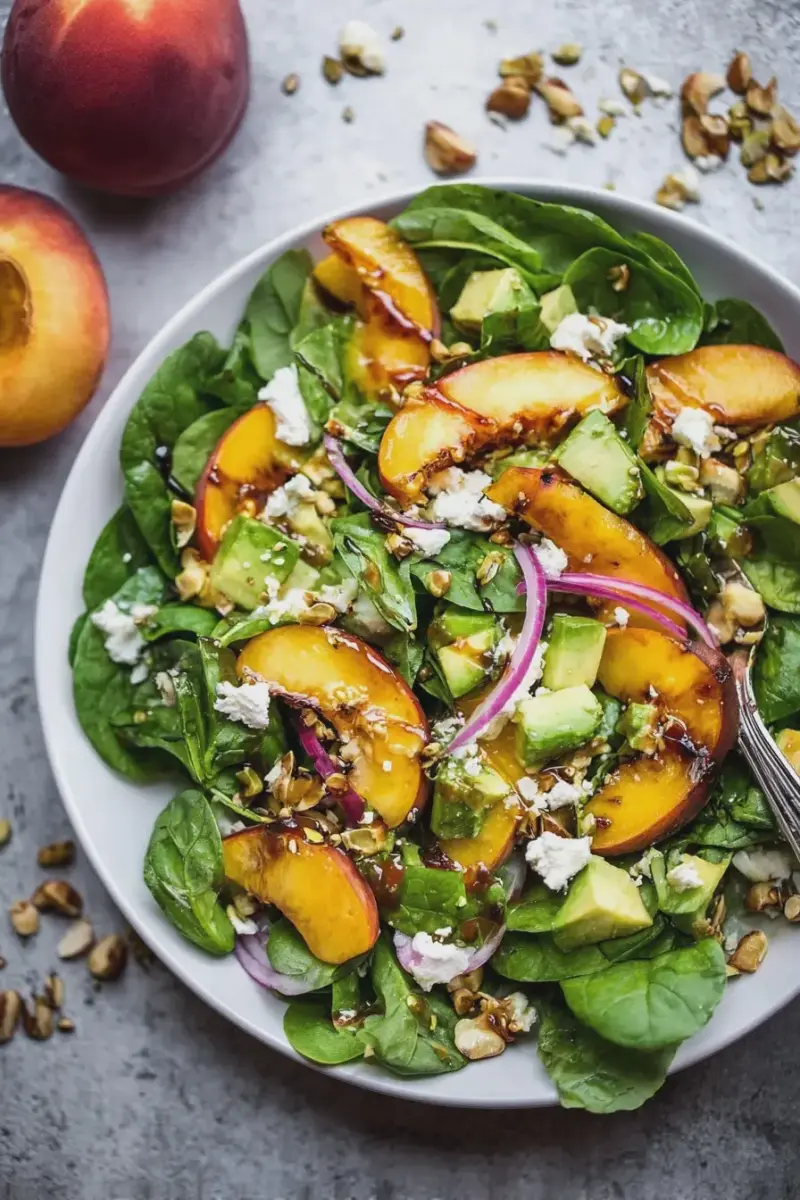
The Summer Peach Spinach Salad I Make Almost Every Week
May 14, 2026
Reviews
Be the first to review this.