- Prep
- 10 min
- Total
- 70 min
- Serves
- 4
- Calories
- 120 kcal
- Carbs
- 30.00 g
Introduction
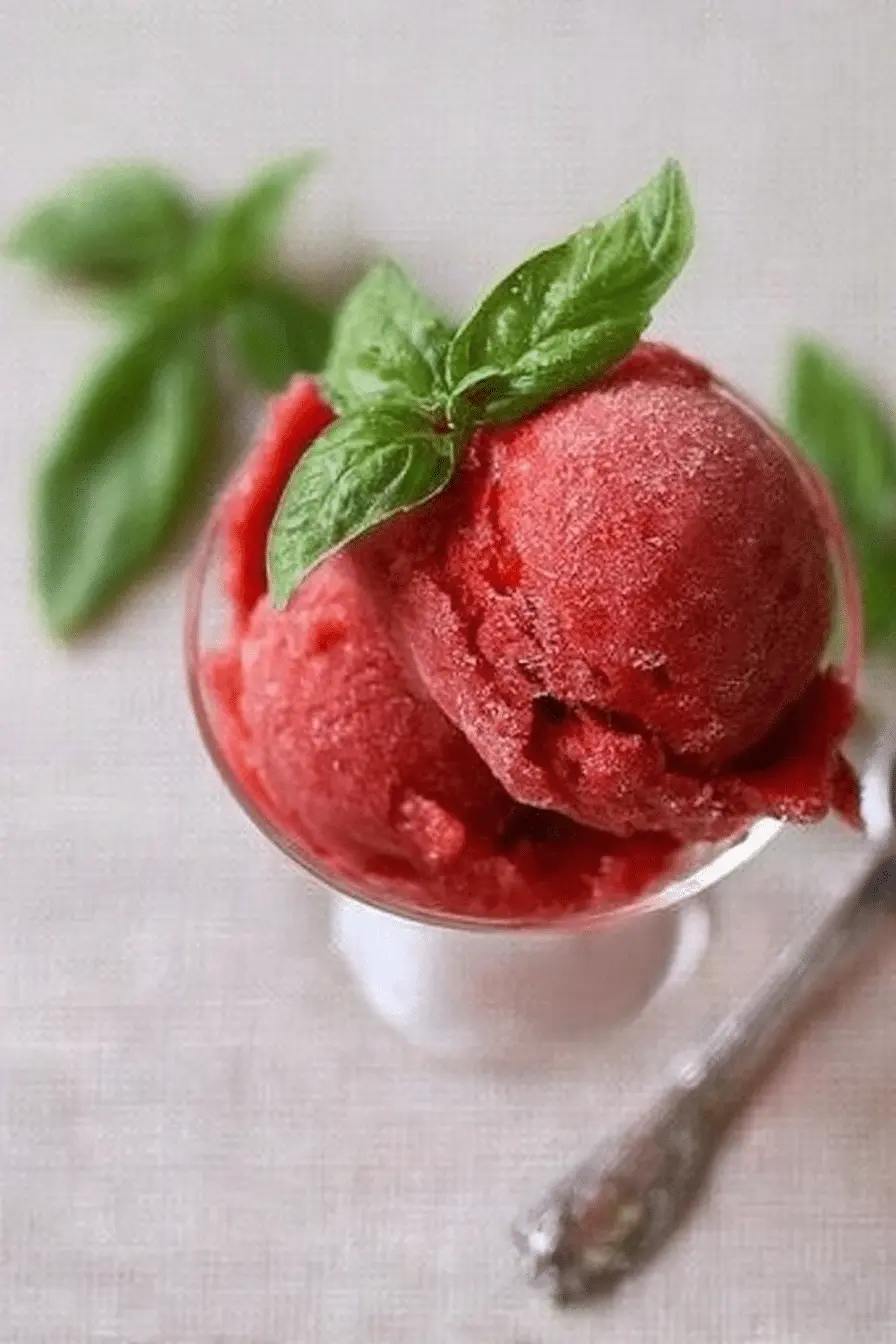
I make this strawberry basil sorbet all summer long because it hits that sweet, cooling spot on the hottest afternoons. I like how the strawberries keep their bright red color and the basil adds an herbal lift that keeps the flavor from feeling one-note. In my kitchen it’s the easiest way to turn ripe fruit into a grown-up frozen treat.
Over the years I’ve refined the little details—how long to macerate the fruit, how cold to chill the base before churning, and how to tweak sweetness so the sorbet isn’t cloying. Those small fixes are the difference between a coarse, icy scoop and something silky that you actually want to serve to guests.
Making this sorbet feels seasonal: fragrant basil, sun-warmed strawberries, a squeeze of lemon to brighten things up. I like to make a batch right after a farmers’ market run and keep a covered container in the freezer for easy entertaining. The result is always a refreshing palate cleanser or a simple dessert that looks pretty on a small plate.
Why this strawberry basil sorbet is perfect for hot summer days
This sorbet is all about refreshment. Ripe strawberries bring a juicy sweetness and vivid ruby color, while basil contributes a cool, herbal aroma that cuts through sugar and feels unexpectedly light. Serve it between courses as a palate-cleanser, after a barbecue, or scoop it into a coupe with a splash of sparkling water for a simple summer spritz.
The texture is naturally refreshing — bright, icy-cold, and clean on the finish. Using fresh ingredients keeps the flavor juicy and immediate; dried herbs or out-of-season fruit won’t give the same lift. Imagine the scent of basil as you stir the puree and the cool, smooth spoonful on your tongue: that’s the summer moment this sorbet creates.
Everything You Need for Strawberry Basil Sorbet
Below are the ingredients and tools that make this sorbet sing. I’ll also note simple swaps for different diets so you can tailor the recipe to your needs.
- Ingredient: Strawberries – Use ripe, fragrant berries for the best natural sweetness; overripe fruit softens quickly while underripe fruit will lack flavor. You can substitute thawed frozen strawberries when fresh aren’t available.
- Ingredient: Granulated sugar (or sweetener) – Sugar not only sweetens but helps prevent excessive ice crystals. For low-sugar versions, use an erythritol blend or another granular sugar substitute designed for freezing.
- Ingredient: Fresh basil – Fresh leaves give a bright, peppery-herbal lift. If you only find potted basil at the store, snip the youngest leaves for the best aroma.
- Ingredient: Lemon juice – Adds brightness and balances the sweetness. Fresh juice is preferable to bottled for the brightest flavor.
- Tools: Blender or food processor – For a smooth puree. A powerful blender makes a silkier base by thoroughly breaking down seeds and pulp.
- Tools: Ice cream maker (optional) – Churns in air and creates a soft, scoopable texture. If you don’t have one, you can use the freeze-and-stir method described below.
- Dietary notes – This recipe can be made low-sugar by swapping in a freezer-friendly sweetener, and it’s naturally vegan; for extra creaminess while keeping it plant-based, a small amount of full-fat coconut milk can be added to the puree.
The secret to a silky, not-icy sorbet texture
Texture comes down to three things: sugar (or an appropriate sweetener), thorough pureeing, and rapid freezing. Sugar lowers the freezing point and interferes with large ice crystal formation so the sorbet stays smooth rather than hard and grainy. A high-speed puree breaks down pulp and seeds that can contribute to a gritty mouthfeel.
Puree until completely smooth, then strain if you want an ultra-refined finish. Chilling the puree before freezing helps the mixture transition quickly to a semi-solid during churning, capturing tiny ice crystals and incorporated air. Think of the perfect texture as a creamy, slightly yielding scoop rather than a rock-hard block.
Why temperature and chilling matter before you churn
Cold matters. If the base is warm when it hits the frozen bowl of your ice cream maker, the machine has to remove heat slowly and larger crystals form. Chill the puree thoroughly so the churn freezes it quickly; rapid freezing gives you smaller crystals and a smoother texture. Also, the air folded in during churning lightens the texture and makes scooping easier.
For best results, cool the mixture until it’s refrigerator-cold, and if possible, give it a short rest in the freezer to lower its temperature a bit more without freezing solid. That brief temperature head start helps the machine do its job efficiently.
Quick variations: low-sugar, vegan, and boozy options
- Low-sugar option: Replace granulated sugar with a granular sugar substitute formulated for freezing; taste and adjust so the fruit still shines.
- Vegan-creamy option: Fold a small amount of full-fat coconut milk into the puree for a richer mouthfeel while keeping the recipe plant-based.
- Boozy twist: Add a shot of light rum, vodka, or a fruit liqueur to the chilled puree before churning. Alcohol softens the final texture, so use sparingly to avoid preventing the sorbet from setting.
- Fruit-forward variation: Mix in other berries or a handful of chopped fresh mint instead of basil for a different herbal tone.
How to Make Strawberry Basil Sorbet (Step-by-Step)
- Toss sliced strawberries with sugar and let them sit until juicy; this maceration draws out their natural syrup and concentrates flavor.
- Puree the macerated strawberries with fresh basil leaves and a splash of lemon juice in a blender or food processor until completely smooth.
- Chill the puree thoroughly in the refrigerator until cold to the touch; this improves the freezing curve and helps the churn create smaller ice crystals.
- If using an ice cream maker, churn according to the manufacturer’s directions until the sorbet reaches a soft-serve consistency, then transfer to a shallow, airtight container and freeze briefly to firm up.
- If you don’t have a machine, freeze the puree in a shallow pan and stir vigorously every 20–30 minutes as it firms to break up ice crystals until smooth and scoopable.
- Before serving, let the sorbet sit at room temperature for a few minutes so it softens enough for clean scoops.
Pro Tip for Strawberry Basil Sorbet: Get smooth, scoopable texture every time
- I always strain the puree for a silky finish — especially when seeds bother my guests; the result is worth the few extra minutes.
- Chill the base until it’s properly cold before churning; I usually refrigerate it for at least an hour or longer if I have the time.
- Store the sorbet in a shallow, airtight container to reduce freezer burn and help it firm evenly.
- When serving, let the container sit at room temperature for 3–5 minutes to make scooping effortless.
Troubleshooting
- If your sorbet freezes too hard, I recommend adding a touch more citrus or a small splash of alcohol next time to lower the freezing point and keep scoops softer.
- If it’s icy or grainy, I usually find the base wasn’t chilled enough before churning — next time chill longer and puree more thoroughly.
- If the flavor is flat, add a little more fresh lemon juice or a pinch more sweetener to brighten the profile; taste while chilled for the most accurate judgment.
How to store, make-ahead, and what to serve it with
Store sorbet in an airtight container with a piece of plastic pressed directly on the surface to minimize ice crystals. Properly sealed, it keeps well for up to two weeks, though I prefer to eat it within several days for peak brightness.
For make-ahead entertaining, churn the sorbet and freeze it until just firm, then let it sit at room temperature a few minutes before serving so it scoops nicely. Pair it with fresh fruit, a crisp cookie, or a simple shortcake. For an easy pairing idea, try serving the sorbet alongside a homemade strawberry shortcake to extend the berry theme into a fuller dessert
Pair your sorbet with some homemade strawberry shortcake for a refreshing dessert combination.
Health benefits of strawberries and basil
Strawberries are rich in vitamin C and antioxidants, which support immune health and add a bright, tangy flavor without heavy calories. Basil contributes anti-inflammatory and digestive-supporting compounds and a fragrant aroma that pairs beautifully with fruit. If you’d like more detail on basil’s benefits, read up on the herb’s properties here:
Learn more about the health benefits of basil to enhance your understanding of this delightful herb.
Sourcing the freshest strawberries and basil
Choose strawberries that are evenly red, fragrant, and firm but not hard; avoid berries with white tips or soft spots. For basil, look for bright green leaves with no blackening on the stems; local farmers’ markets and potted basil plants often offer the freshest flavor. Seasonal produce will always give the best aroma and color, so plan this recipe for peak berry season whenever possible.
Frequently Asked Questions
Can I use frozen strawberries instead of fresh ones?
Yes, you can use frozen strawberries, but make sure to thaw them before blending for the best texture.
Is it possible to make this sorbet without sugar?
Absolutely! You can use a sugar substitute or sweetener of your choice to make a low-sugar version.
How long does the sorbet last in the freezer?
The sorbet can be stored in the freezer for up to two weeks, but it's best enjoyed fresh for optimal flavor and texture.
Can I make this sorbet vegan?
Yes, this recipe is already vegan! Just ensure that any sweetener you use is plant-based.
What can I serve with strawberry basil sorbet?
This sorbet pairs beautifully with fresh fruit, mint leaves, or can be served as a refreshing dessert after a summer meal.
Recipe Card
The Strawberry Basil Sorbet I Make All Summer — 4 Ingredients, Fast
- Prep
- 10 min
- Total
- 70 min
- Serves
- 4
- Calories
- 120 kcal
- Carbs
- 30.00 g
Ingredients
- 1 lb.fresh strawberries ((rinsed, hulled, and sliced))
- 3/4 cupgranulated sugar
- 1/4 cupfreshly chopped basil
- 1 teaspoonfreshly squeezed lemon juice
Instructions
- 1
In a medium bowl, toss the strawberries with the sugar. Stir until all of the strawberries are well-coated. Cover and let stand for 1 hour, stirring every so often.
- 2
Puree the strawberries and their liquid with the basil and lemon juice in a blender or food processor until smooth.
- 3
Chill the mixture thoroughly, then freeze it in your ice cream maker according to the manufacturer’s instructions.
You might also like
Reviews
Be the first to review this.