- Prep
- 15 min
- Cook
- 60 min
- Total
- 75 min
- Serves
- 32
- Calories
- 61 kcal
- Carbs
- 15.00 g
On this page15 quick jumps
TOC
15 quick jumps
Introduction
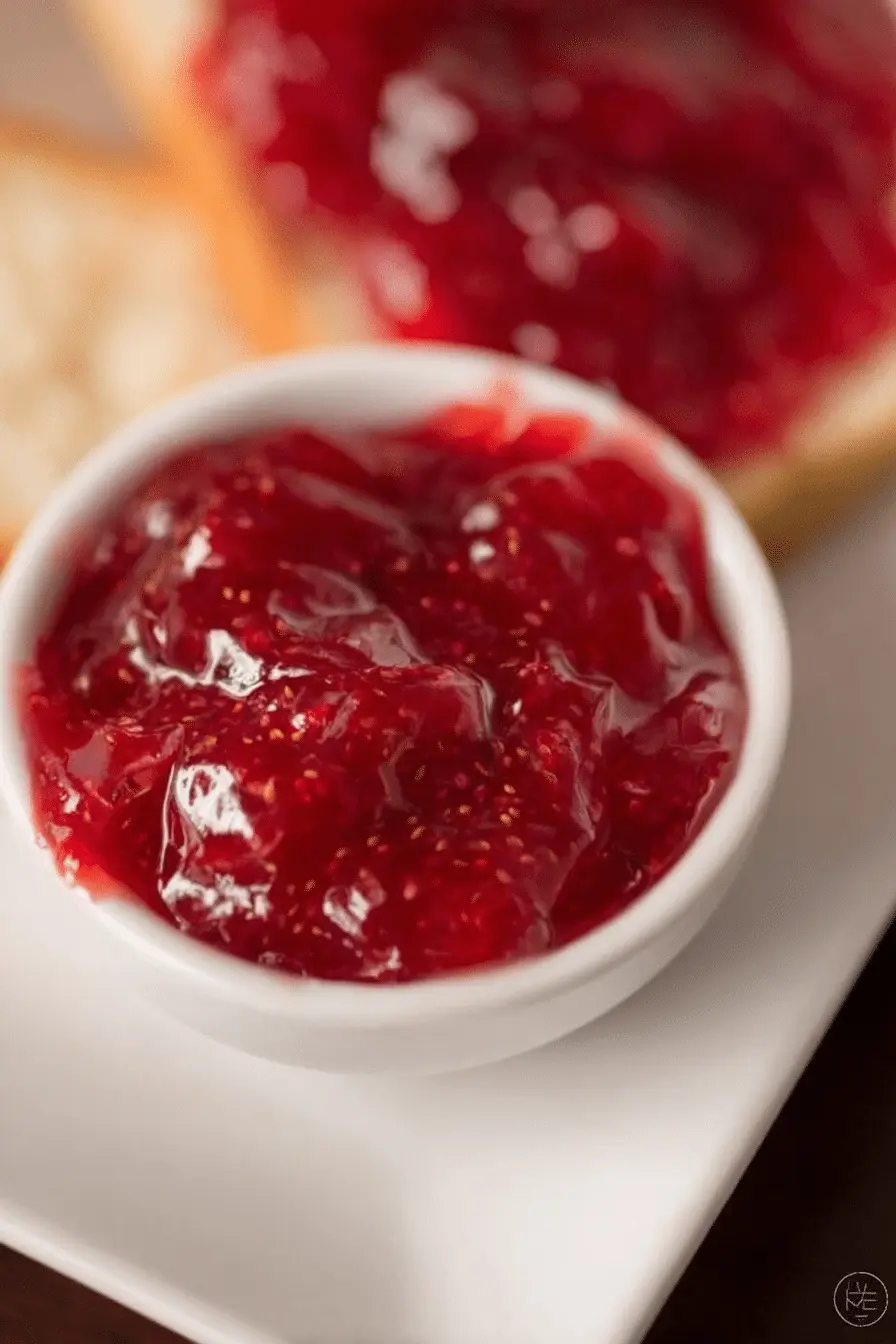
I first made this jam in my kitchen on a damp spring morning, with a basket of rhubarb stalks and a pint of strawberries. What I love about this recipe is how few moving parts there are: basic fruit, sugar, lemon and a patient simmer. The scent of the fruit reducing on the stovetop is a reason unto itself to keep a pot going.
I learned a couple of useful habits the hard way—watch your heat closely so the jam doesn't scorch, and allow enough time for the mixture to thicken. Rhubarb gives you a lot of natural pectin, so you don't need to reach for commercial pectin to get a good set. In my kitchen those two lessons made the difference between a runny preserve and a glossy, spreadable jam.
When the lids started to pop as the jars cooled, I felt the quiet satisfaction of a simple project done well. The jars look jewel-like on the shelf; the bright aroma and color make this an easy gift and a pleasure to serve at breakfast. If you’ve never canned before, this is the kind of recipe that builds confidence fast.
Why This Strawberry Rhubarb Jam Is Perfect for Beginner Canners
This jam uses pantry-friendly ingredients and straightforward techniques that are easy to learn. You won’t need specialized equipment beyond a large pot and some jars, and the process teaches the fundamentals of simmering to a set and basic water-bath canning. The result is reliable: shiny, jewel-like jars of bright red jam with the fresh scent of strawberries and rhubarb filling your kitchen.
Sensory focus: imagine stirring a bubbling pot that slowly deepens in color while the kitchen fills with sweet-tart steam. That visual and aromatic feedback helps you trust the process as you learn.
Everything You Need for Strawberry Rhubarb Jam
Below are the essential tools and ingredients, with alternatives for smaller batches or simpler setups. I include options so you can pick what fits your kitchen.
- Tools – Large heavy-bottomed pot (or a smaller pot for tiny batches), heatproof spoon, ladle, clean glass jars with lids, a wide shallow pan or plate for cooling, and a large pot for a water bath. If you don’t have a canner, a very large stockpot works fine.
- Sterilizing options – Boil jars and lids, or run them through a hot dishwasher cycle. Transfer hot jars to a clean dish towel while you fill them.
- Small-batch alternatives – If you’re hesitant about making many jars, use a smaller saucepan, fill two or three jars, and process just those jars in your stockpot. You can also freeze in jars (leave headroom) instead of doing a full water-bath if you want an even smaller commitment.
Ingredients (purpose-focused discussion; no exact measures):
- **Rhubarb** – Provides bright acidity and natural pectin; the backbone for structure and tang.
- **Strawberries** – Add sweetness, red color, and fresh fruit flavor; pick ripe but not overripe berries for the best texture.
- **Sugar** – Balances tartness, helps the jam gel, and acts as a preservative; you can reduce it slightly, but expect changes in texture and shelf life.
- **Lemon juice** – Lowers pH for safe canning and sharpens fruit flavors; it helps with gel formation and preserves color.
Choosing Fruit: The Right Strawberry-to-Rhubarb Ratio
Balancing sweet strawberries with tart rhubarb is the core of this jam’s appeal. A higher proportion of rhubarb gives a tarter, more set-prone jam; more strawberries bring sweetness and a softer finish. Taste as you go: cook a small spoonful, cool it slightly, and sample—adjust the balance to your preference.
Seasonality matters. Early-season rhubarb tends to be more tender; later stalks can be tougher and more acidic. Strawberries are best when fully ripe but not mushy. If strawberries are underripe, consider allowing them to macerate with a bit of the sugar before cooking to develop sweetness.
Alternative sweeteners: if you want to swap sugar for honey or agave, expect a different flavor profile and a slightly looser set. Honey will add floral notes and darken the jam; agave is milder but sweeter by volume, so reduce quantity and test for set more carefully.
Sensory focus: bright fruit hues and the mouth-puckering balance of tart rhubarb with sweet strawberry.
The Secret to a Thick Set Without Pectin
Rhubarb naturally contains pectin, especially in the stalks closer to the root, which helps the jam gel without added pectin. Beyond that, sugar and cooking time are the levers you use to reach your preferred set.
- Cook the fruit until it reduces and the bubbling becomes thicker and syrupy; this concentrates the natural pectin.
- Use lemon juice to bring the mixture to the right acidity for pectin to perform well.
- Plate test: place a chilled spoon or small plate in the freezer. Drop a spoonful of hot jam onto the cold surface, wait a minute, then push it with your finger—if it wrinkles or holds shape, it’s ready.
- If the jam is still loose after cooling, continue simmering in short intervals, testing between reductions rather than extending one long, high boil.
Sensory focus: you’ll notice the jam go from a watery simmer to a thicker, glossy bubble—watch and smell as the fruit scent deepens.
Why Heat and Timing Matter for Texture and Color
How long you cook the jam and how hot you keep it determines whether you get a good set, a clear color, and a clean flavor. Overcooking at too high heat can darken the jam and give a caramelized flavor; undercooking leaves it too loose.
- Maintain a steady bubbling—vigorous enough to reduce but not so violent that it splatters or burns.
- Stir regularly, especially toward the end, to prevent sticking and scorching on the bottom.
- Short, high-temperature boils will set faster but risk color loss; moderate steady heat preserves brighter color and fruit freshness.
- Remove any foam if you prefer a clearer-looking jam; it won’t affect flavor.
Sensory focus: listen for the tempo of the boil and watch the color deepen from pale pink to a richer red as water evaporates and sugars concentrate.
How to Make Strawberry Rhubarb Jam (Step-by-Step)
- Prepare your fruit: trim and chop rhubarb into small, even pieces and hull/halve strawberries so they cook evenly. Keep the pieces similar in size for consistent texture.
- Combine fruit, sugar, and acid in your pot. Let the sugar sit briefly with the fruit if strawberries are a little tart—this helps maceration.
- Bring the mixture to a gentle boil over medium heat, then reduce slightly so the pot maintains a steady bubbling without violently splattering.
- Cook, stirring occasionally to prevent sticking, until the jam thickens and passes the cold plate test. You’ll see the bubbling slow and the surface become glossy.
- While the jam cooks, sterilize jars and lids by boiling or using a hot dishwasher cycle; transfer hot jars to a clean towel before filling.
- Fill warm jars with hot jam, leaving a small headspace. Wipe rims, apply lids, and hand-tighten the bands.
- Process jars in a boiling water bath for the recommended time for your jar size. Remove and let cool undisturbed; lids should pop as they seal.
Troubleshooting (what I noticed and how I fixed it):
- I once rushed the set and ended with runny jam—my fix was to return the pot to a gentle boil and reduce further, testing on cold plates every few minutes.
- If the jam tastes flat, I add a touch more lemon juice at the end to brighten it; start small and test.
- When the bottom of the pot starts to brown, I immediately lower the heat and transfer the jam to a clean pot to prevent burnt flavors from spreading.
Variations (easy swaps to try):
- Increase rhubarb for a tarter, firmer jam; increase strawberries for sweeter, softer jam.
- Stir in a touch of vanilla or a scrap of lemon zest at the end for aroma variations.
- Experiment with a splash of alternative sweetener like honey, keeping in mind texture and flavor changes.
Pro Tip for strawberry rhubarb jam: Use lemon and a full rolling boil for a reliable set
- Add fresh lemon juice to ensure proper acidity; it helps pectin work and preserves color.
- Bring the pot to a full rolling boil when you’re testing for set; that vigorous boil helps thicken the mixture more consistently than a low simmer.
- Use the cold plate test to confirm set instead of relying only on timing—different fruit batches behave differently.
- Hand-tighten lids only; over-tightening can prevent a proper seal during water-bath processing.
How to Store, Can, and Gift Strawberry Rhubarb Jam
Safe storage and attractive presentation make homemade jam both practical and giftable. For long-term pantry storage, process jars in a boiling water bath so lids seal. If you skip the water bath, refrigerate and use within a short timeframe or freeze jars with headspace.
- For shelf storage: process jars in boiling water so they’re covered by at least an inch of water for the recommended time for your jar size. Let cool undisturbed; check seals after 24 hours.
- If a jar doesn’t seal, refrigerate and use within two weeks or reprocess with a fresh lid.
- Label jars with date and contents; store sealed jars in a cool, dark place for up to a year.
- Gift ideas: tie a ribbon around the jar and tuck a handwritten tag with serving suggestions. Small batches are perfect for gifting so you can share more flavors without a big time investment.
Alternative Sweeteners for Strawberry Rhubarb Jam
Swapping sugar for other sweeteners changes both flavor and texture. Here are common options and how they behave.
- Honey – Adds floral complexity and can darken the jam; it’s sweeter by volume so use less and expect a slightly looser set.
- Agave – Milder flavor and smoother sweetness; reduce quantity compared to sugar and watch the set carefully.
- Less refined sugars (like raw sugar) – Bring a deeper, caramel-like flavor and darker color; they still help with preservation but may need a slightly longer cook for set.
- Sugar substitutes – Most do not provide the same gelling and preservation qualities; use them only for refrigerated or frozen small batches and expect a different texture.
For more ideas on lighter options, see this guide on alternative jams:
If you're looking for lighter options, check out our guide on Healthy Strawberry Jam Alternatives.
Nutritional Benefits of Rhubarb and Strawberries Together
Combined, these fruits offer vitamin C, fiber, and antioxidants. Strawberries contribute vitamin C and natural sweetness, while rhubarb adds fiber and a tart counterpoint that lowers the need for excess sugar. Together they make a jam that’s bright in flavor with some nutritional value from whole fruit.
Rhubarb is a good source of vitamins and minerals and pairs well nutritionally with strawberries; for more on how rhubarb supports recipes, see this note on rhubarb nutrition:
Discover more about the Nutritional Benefits of Rhubarb and how it enhances your health when combined with strawberries.
Tips for Pairing Strawberry Rhubarb Jam with Various Dishes
- Breakfast: spread on toast, scones, or stirred into plain yogurt for brightness.
- Dessert: use as a filling or sauce for tarts and cakes; for a dessert idea, try pairing with a classic pie:
For a delicious dessert option, consider making a Strawberry Rhubarb Pie that perfectly complements your jam.
- Summer treats: serve alongside shortcakes or spoon over vanilla ice cream; pair with shortcake here:
Elevate your dessert game by serving our Strawberry Shortcake alongside the jam for a delightful treat.
- Savory uses: glaze roasted pork or mix into a vinaigrette for a fruity twist.
- Cheese board: pair with mild cheeses like brie or goat cheese for a sweet-tart contrast.
Frequently Asked Questions
Do I need pectin to make strawberry rhubarb jam? No, this recipe doesn’t require pectin. The natural pectin in rhubarb combined with proper cooking and lemon juice usually gives a good set.
How long can I store the jam? If you properly seal jars and store them in a cool, dark place, the jam can last up to a year. If you refrigerate unopened jam or skip canning, use it within two weeks.
Can I substitute another fruit for strawberries? Yes — other berries or fruit can be used, but remember it will change sweetness, texture, and how the jam sets.
What is the best way to gift strawberry rhubarb jam? Present jars with a neat label and a fabric square or ribbon over the lid for a charming look. Small batches are ideal for gifting so you can offer multiple flavors.
How do I know if my jam is thick enough? Watch for thicker, glossy bubbles and use the cold plate test: spoon a bit onto a chilled plate and push it after a minute—if it wrinkles, it’s ready.
Ingredients
- 5 cupsrhubarb ((about 3 large stalks, cut into 1⁄2" cubes))
- 2 cupshulled and halved strawberries ((about 1 pint))
- 2 1/4 cupssugar
- 1 tablespoonfresh lemon juice ((from about half of a large lemon))
Instructions
- 1
Combine all ingredients in a medium to large saucepan over medium heat. Once mixture starts to bubble, reduce heat to medium low. Stir occasionally until jam thickens.
- 2
Transfer jam to clean glass mason jars. If refrigerated, best if used within 2 weeks. If frozen, allow enough headroom in the jar for expansion and best enjoyed within 6 months.
- 3
Sterilize four 1-cup jelly glass jars, rings, and lids by boiling in water for 10 minutes or running through the dishwasher.
Taste as you go. Recipes are a guide, not a contract.
- 4
Fill each jar with hot jam, leaving at least 1⁄4" of space at the top. Secure lids and bands, tightening just enough to be hand-tight.
- 5
Transfer filled jars to pot of gently boiling water and let boil for 10 minutes. Allow jars to cool undisturbed for 24 hours.
- 6
Check seals after cooling; refrigerate unsealed jars and use within 2 weeks.
Recipe Card
The Strawberry Rhubarb Jam I Make Every Spring — No Pectin
Keep it handy for later, send it to someone cooking with you, or open the clean print view.
- Prep
- 15 min
- Total
- 75 min
- Serves
- 32
You might also like
How I Make Quick Blueberry Lemon Jam — Canning in 1 Hour
May 21, 2026
The 5-Ingredient Japanese Jelly Dessert I Make All Summer
May 21, 2026
The Homemade Peachy Gummies My Kids Love — Fun, Simple Treat
May 21, 2026
How I Make Green Tea Lemon Ginger Gummies for Daily Immune Support
May 21, 2026
Reviews
Be the first to review this.