- Prep
- 5 min
- Cook
- 10 min
- Total
- 15 min
- Serves
- 4
- Calories
- 146 kcal
- Carbs
- 4.00 g
Introduction
I first tried to recreate the Texas Roadhouse salmon because I kept dreaming about that glossy, buttery finish and the crunchy skin that snaps when you cut into it. I made this at home on a busy weeknight with a heavy cast-iron skillet and a bottle of wine on the counter — the whole apartment filled with the smell of lemon and garlic in under ten minutes. The moment the garlic hit the hot butter and hissed, I knew I was on the right track. The Texas Roadhouse version stands out because it’s simple but precise: a lemon-pepper forward seasoning, a fast, hot sear for crisp skin, and a final spooning of garlic-butter that makes the fillet glossy and irresistible. It’s the kind of dish that feels restauranty but is totally achievable at home with a few techniques I’ll share from my own stovetop tests.Ingredients You Need
- Salmon fillets – skin-on, firm fillets are best for a crisp finish; aim for evenly sized pieces so they cook at the same rate.
- Lemon – zest and juice brighten the fish; the oil in the zest lifts the lemon flavor without adding extra liquid.
- Lemon pepper seasoning – the signature seasoning here; you can mix fresh lemon zest with cracked black pepper if you don’t have a jar.
- Salt – essential for flavor balance; it helps the skin crisp and the flesh taste more vibrant.
- Black pepper – freshly cracked for a sharper bite; complements the lemon notes.
- Garlic – minced fresh garlic gives the butter sauce a warm, aromatic backbone; garlic powder can be a fallback in a pinch.
- Butter – used to baste the salmon at the end; it adds gloss, richness, and helps carry the garlic and lemon flavors.
- Olive oil – a drizzle to get the pan hot and prevent sticking; a neutral oil with a high smoke point also works.
- Optional herbs – parsley or dill for finishing; they add color and a fresh note against the buttery fish.
Step-by-Step Cooking Instructions
This is the version I make in a cast-iron skillet. It’s fast, loud, and rewarding — expect a steady sizzle and a room that smells like dinner. Yield: enough for about four people if you’re serving sides.- Prep the fish: Rinse quickly and pat the salmon very dry with paper towels. Moisture is the enemy of crisp skin — if the fillets feel damp, press them between towels for another minute.
- Season: Rub the flesh side with lemon pepper, a pinch of salt, and a touch of garlic powder if you like. I zest half a lemon over the fillets for extra citrus aroma. Leave the skin unseasoned except for a light dusting of salt so it crisps without burning.
- Heat the pan: Place a cast-iron skillet over medium-high heat and add a drizzle of olive oil. You want the oil shimmering but not smoking. A drop of water should sizzle and evaporate immediately when the pan is ready.
- Sear skin-side down: Add the fillets skin-side down — don’t crowd the pan. The skin will snap and crackle as it hits the hot surface; that sound is a good sign. Cook 3–4 minutes without moving them so the skin gets golden and crisp. If the pan is too hot and the skin browns too quickly, lower to medium to avoid burning.
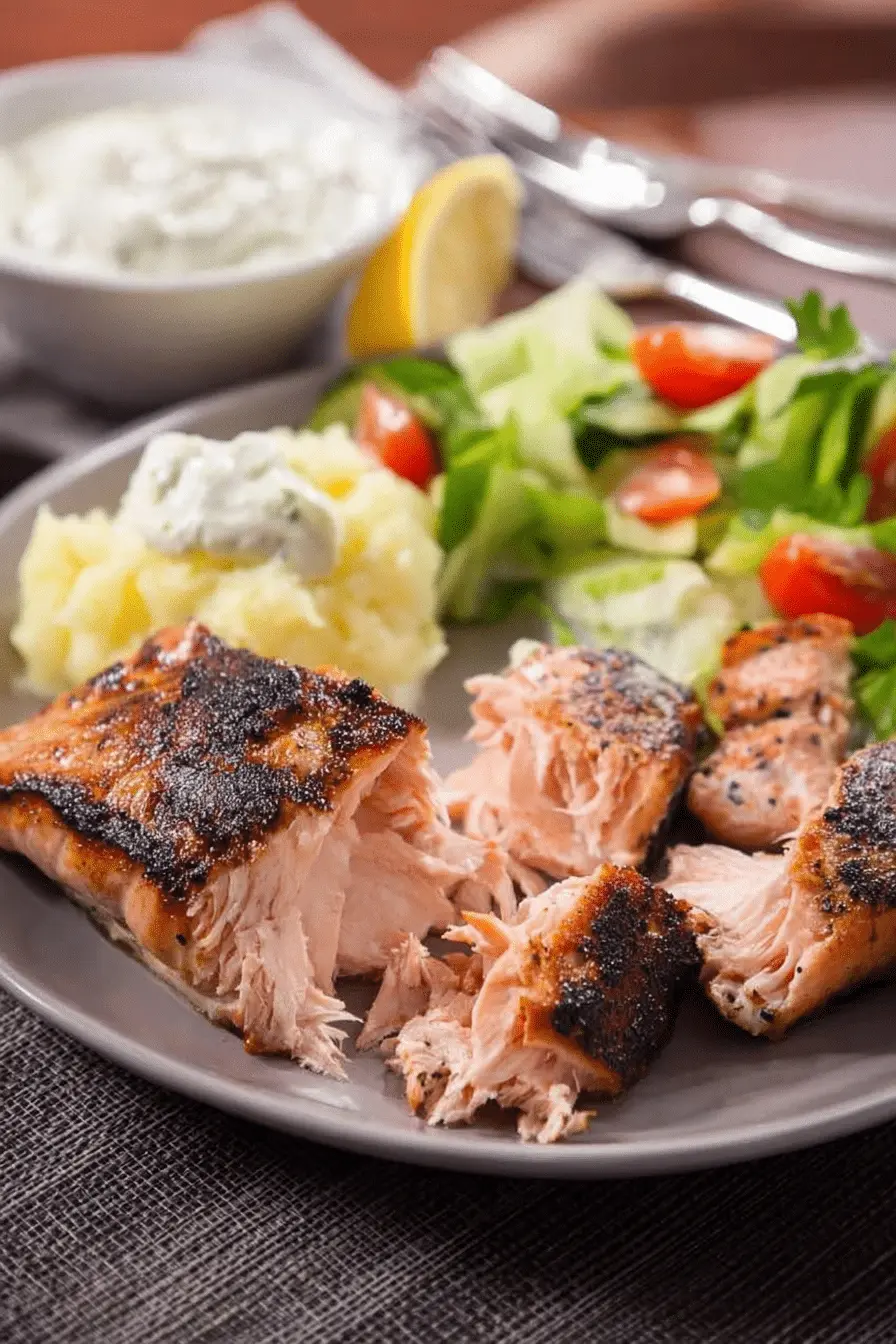
- Flip and finish: Using a fish spatula, flip each fillet carefully. Cook the second side for 2–3 minutes. If you have thin fillets, expect closer to 2 minutes per side. After flipping, add a pat or two of butter and the minced garlic to the pan. As the butter melts, tilt the pan slightly and spoon that garlic-butter over the fillets for a minute to build flavor and gloss.
- Check doneness: Pop in an instant-read thermometer — 125°F (52°C) is my go-to for juicy, medium-rare salmon and the recommendation I give here. You’ll notice the flesh turn from translucent pink to a more opaque, pale pink on the sides as it cooks. If you prefer fully done, aim for 145°F (63°C).
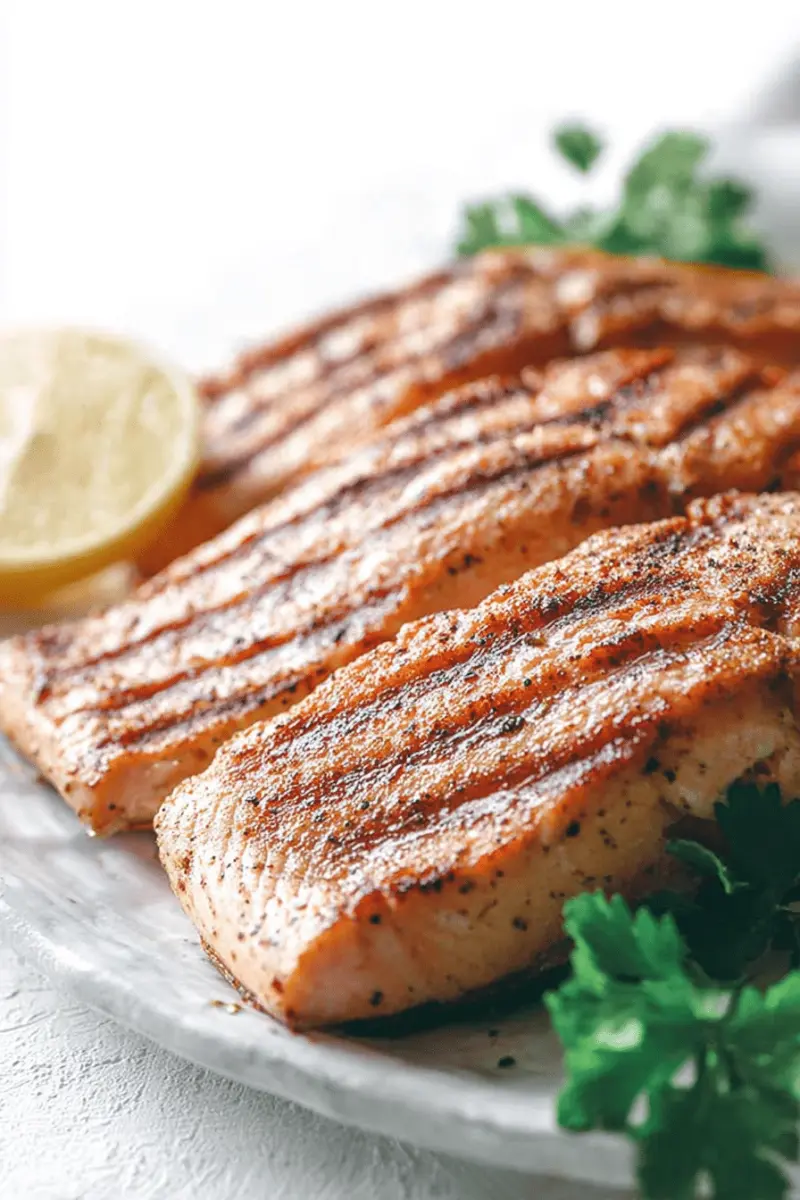
- Rest and serve: Remove the fillets to a warm plate and let them rest for a minute. Spoon any remaining garlic-butter from the pan over the top and finish with a squeeze of fresh lemon and a sprinkle of chopped parsley or dill.
What I noticed while cooking
The first time I made this I distracted myself and tried to flip too soon — the skin stuck. Lesson: patience. The skin only releases cleanly once it’s properly crisped. Also, when you add butter after flipping, it foams and turns a light brown very quickly; keep the heat at medium so the garlic becomes sweet, not bitter. The smell when that butter-garlic-limon combo hits the pan is instantly comforting — the whole stovetop smells like the restaurant.Alternative Cooking Methods (Grill, Bake, Air Fry)
Each method brings something slightly different to the table. I test them all at home depending on the season and how hands-off I need to be.Grill
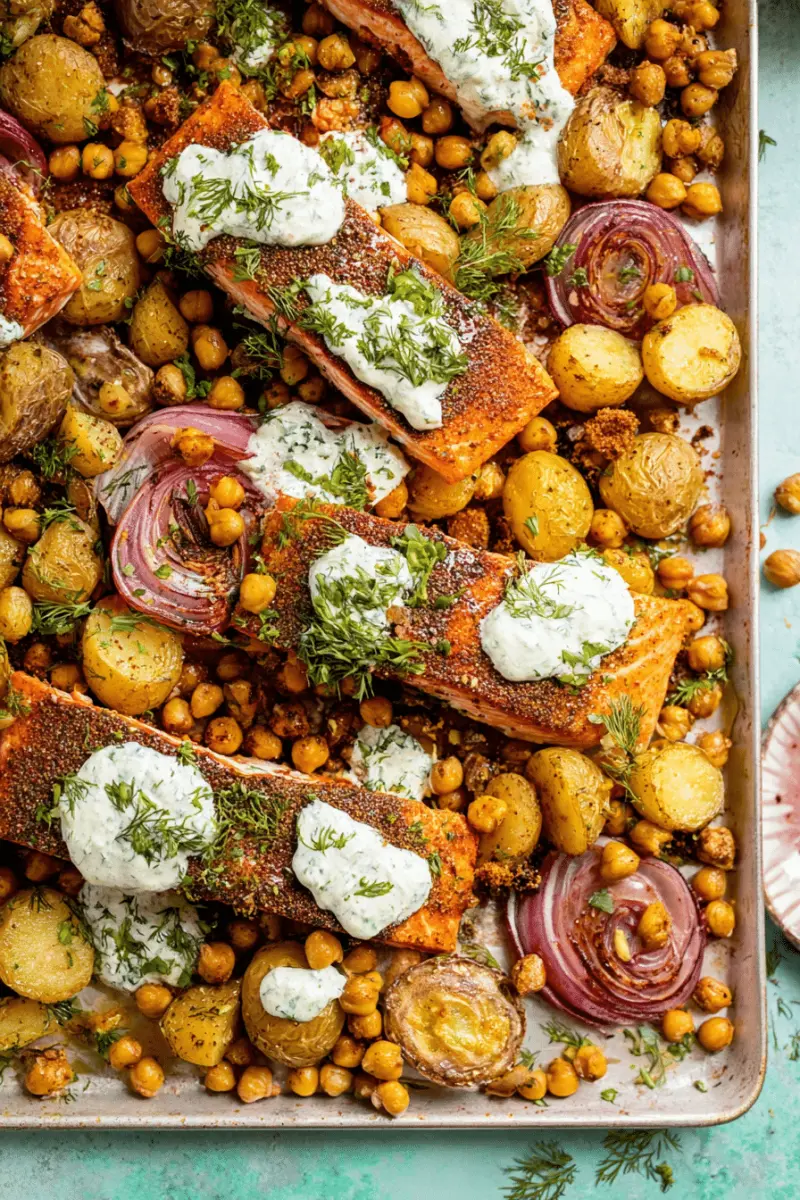
Grilling gives you a smoky, slightly charred exterior that pairs well with lemon. Preheat the grill to medium-high and oil the grates. Cook directly over the heat for about 4–5 minutes per side depending on thickness. Because grill temperatures vary and fish can stick, I prefer a well-oiled stainless steel or a fish grate. If you prefer a smoky, charred finish, try our grilled lemon herb salmon with dill yogurt sauce as a flavorful grill alternative. Pros: smoky flavor, great summer cookout option. Cons: can stick or fall apart if handled roughly, heat control matters.Bake
Baking is the least fussy method: preheat your oven to 400°F (200°C), place seasoned fillets on a parchment-lined sheet, and bake 10–14 minutes depending on thickness. For a crisp top, finish under the broiler for 1–2 minutes but watch closely. Pros: even cooking, hands-off, good for batches. Cons: won’t get restaurant-level crispy skin unless you finish under the broiler or sear first in a pan.Air Fry
Air frying gives you a quick finish with surprisingly good texture. Preheat the air fryer to 400°F (200°C) and cook fillets for 7–10 minutes. Thin fillets will be done near the lower end. Add butter and garlic after cooking, or place a small pat on top during the last minute to melt. Pros: fast, clean, good texture. Cons: smaller baskets limit batch size; the finish is slightly different from pan-basted butter.Flavor Variations Beyond Lemon Pepper
Lemon pepper is the classic here, but salmon is forgiving—try these variations and I’ll tell you how to adjust cook time or technique.- Garlic-butter – double down on butter and garlic for a rich finish; baste generously and finish with parsley.
- Teriyaki glaze – brush a reduced teriyaki or soy-honey glaze during the last minute of cooking. For an Asian-inspired twist, consider the sweet-savory option of our teriyaki salmon bowls when exploring flavor variations.
- Honey-mustard – whisk together mustard, honey, and a splash of apple cider vinegar and brush on before serving; don’t marinate in heavy acids for too long or the texture can firm up.
- Cajun spice – use a bolder spice rub for heat; if you go this route, a slightly longer sear can create a nice crust but watch for burning from the paprika.
Side Dish Pairings for Salmon
Think about texture contrasts and flavor balance: the salmon is rich and buttery, so pair it with something bright, crisp, or starchy.- Garlic mashed potatoes – creamy and comforting; the butter and garlic in the potatoes echo the salmon’s flavors. Make them with a splash of milk and roasted garlic for depth.
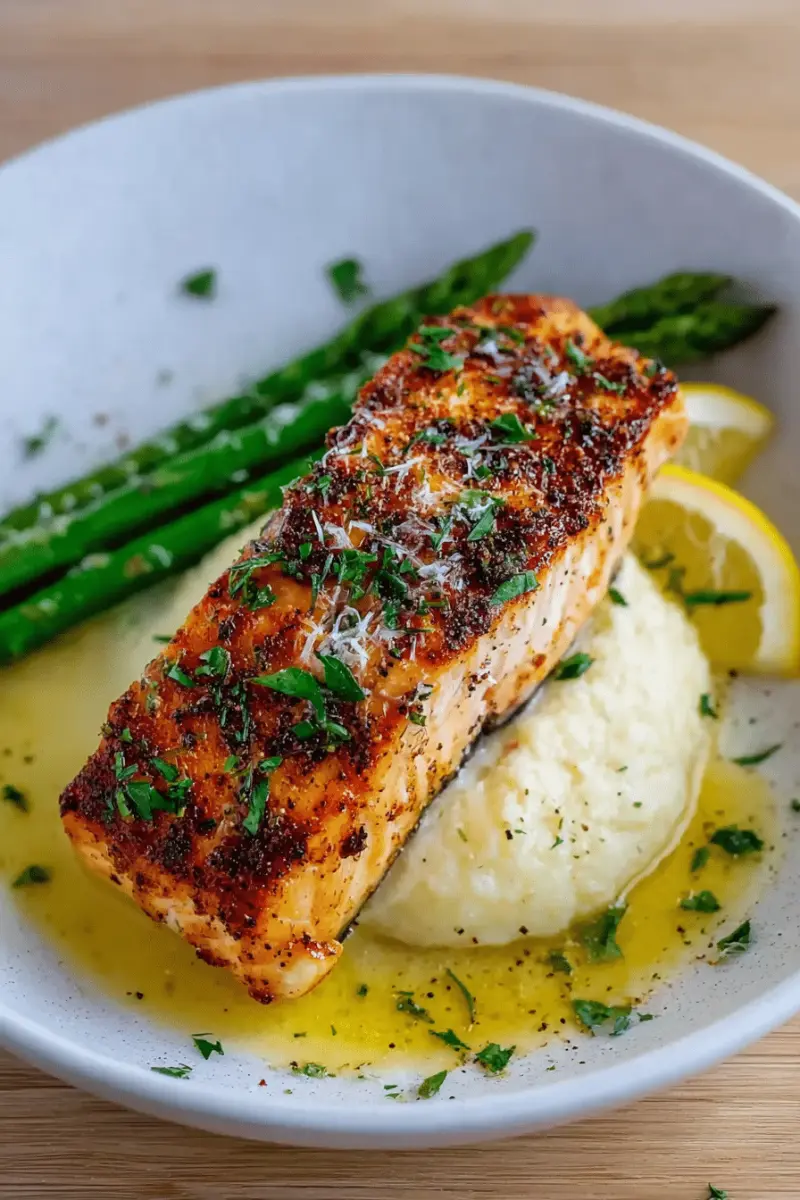
- Steamed asparagus – bright, slightly crunchy, and a natural partner for lemon and butter.
- Roasted or baked potato – a classic steakhouse side if you want heft on the plate.
- Rice pilaf or herbed couscous – soaks up the garlic-butter sauce nicely and keeps the meal light.
- Fresh garden salad – offers a crisp counterpoint with acidity to cut through the richness.
Nutritional Benefits of Salmon
Salmon is nutritionally dense and one of the best fish choices to include regularly. It’s a rich source of heart-healthy omega-3 fatty acids, high-quality protein that helps with satiety and muscle repair, and several important vitamins and minerals such as vitamin D, B12, and selenium. Eating salmon regularly can support cardiovascular health and contribute to brain and skin health. Because salmon packs a flavorful punch, smaller portions often feel more satisfying than you’d expect, which is a practical benefit for balanced eating.Tips for Choosing Quality Salmon
Choosing the right fillet makes a huge difference in the final plate. Here’s how I pick mine:- Look and smell – fresh salmon should smell clean and slightly briny, not fishy. Flesh should be moist and glossy, not dull or slimy.
- Skin and texture – skin should be intact and not torn; flesh should spring back slightly when pressed.
- Wild vs. farmed – wild-caught varieties often have a firmer texture and stronger flavor; farmed salmon is usually milder and fattier. Both can be good; it’s about preference and availability.
- Sustainability – look for labels like MSC-certification or ask your fishmonger about sourcing. Responsible sourcing supports healthy fisheries and better long-term options.
- Portioning – aim for evenly sized fillets so they cook uniformly; around 4 ounces per person is a practical guideline if you’re serving sides.
FAQ
What type of salmon should I use for this Texas Roadhouse-style recipe?
Texas Roadhouse uses a Norwegian fillet, but any firm, skin-on salmon (Atlantic, sockeye, or coho) works well. Aim for evenly sized fillets for consistent cooking.How do I get perfectly crispy skin on the salmon?
Pat the salmon skin dry, heat a cast-iron (or heavy) skillet over medium-high, add olive oil, and place the fillets skin-side down. Cook 3–4 minutes without moving them until the skin is golden and crisp, then flip and finish 2–3 minutes.How can I tell when the salmon is done?
Use an instant-read thermometer—125°F (52°C) gives medium-rare (recommended). Alternatively, look for the flesh to change from translucent pink to opaque and to flake easily with a fork. If you prefer fully done, cook to 145°F (63°C).Can I make this without a cast iron skillet? What are other cooking methods?
Yes. You can grill (direct heat, 4–5 min per side), bake (400°F/200°C for ~10–14 min depending on thickness), or air-fry (400°F/200°C for ~7–10 min). Finish each method with the garlic-butter and lemon from the recipe.What are good side dishes to serve with Texas Roadhouse salmon?
Classic pairings include garlic mashed potatoes, steamed asparagus, roasted or baked potato, rice pilaf, or a crisp garden salad. Finish with a lemon wedge and extra garlic butter for added flavor.Storage, Leftovers and Make-Ahead Notes
- Leftovers – Cooked salmon keeps well in an airtight container in the fridge for up to 3 days. Reheat gently in a low oven or flake cold into salads. Reheating quickly on the stovetop risks drying it out.
- Make-ahead – You can season fillets and keep them covered in the fridge for a few hours before cooking. Avoid long acidic marinades overnight. Garlic-butter can be prepared ahead and warmed to baste at the end.
- Freezing – Raw fillets freeze well; freeze flat in a single layer then transfer to a bag. Thaw in the fridge overnight before cooking.
Conclusion and Serving Suggestions
Recreating the Texas Roadhouse salmon at home is about controlling a few key moments: drying the skin, getting the pan to the right temperature, resisting the urge to flip too soon, and finishing with a spoonful of garlic-butter and lemon. I make this whenever I want something that feels restaurant-made without the fuss — it comes together in about 15 minutes and looks like you spent twice that. Serve it with creamy mashed potatoes or a crisp salad, garnish with lemon wedges and fresh herbs, and don’t be shy with extra butter on the side. I’ve tested a few versions and this cast-iron, lemon-pepper + garlic-butter method is the one I come back to time and again. If you try it, let me know what variation you loved or what side you paired it with — I learn from you too. Happy cooking and enjoy that crackly skin and silky center!Author Notes
Recipe developed and adapted from home testing for weeknight dinners. Prep time is short and cook time is quick — plan for about 5 minutes prep and 10 minutes cooking time, feeding four people when paired with sides. Trust your thermometer; it’s the best way to avoid dried-out salmon. If something goes wrong (skin stuck? over-browned? dry center?), I include fixes throughout the post, and I’m happy to help troubleshoot if you leave a note on your results.Recipe Card
Texas Roadhouse Salmon: The Quick & Juicy Recipe You Need!
- Prep
- 5 min
- Cook
- 10 min
- Total
- 15 min
- Serves
- 4
- Calories
- 146 kcal
- Carbs
- 4.00 g
Ingredients
- 4 oz filletssalmon (skin on, fresh)
- 1/2 tspsalt
- 1/2 tspblack pepper
- 1/2 tspgarlic powder
- 1lemon (zested and juiced)
- 1 tbspolive oil
- 3 clovesfresh garlic (minced)
- 4 tbspbutter
Instructions
- 1
Rinse salmon and pat dry with paper towels.
- 2
In a small bowl, mix together salt, pepper, garlic powder and lemon zest.
- 3
Rub flesh side of salmon filets with mixture of spices.
- 4
In a cast iron skillet, over medium-high heat, add olive oil to the pan.
- 5
Once pan is hot, add seasoned salmon fillets - skin side down. Cook for 3-4 minutes until the skin becomes crispy and golden brown.
- 6
Using a fish spatula, flip the salmon filets and cook for an additional 2-3 minutes.
- 7
After flipping salmon, add butter and minced garlic to pan. Spoon garlic butter over the salmon fillets.
- 8
Check the salmon with a thermometer; it should be 125º for medium rare.
- 9
Remove salmon from pan and garnish with lemon wedge.
You might also like
Reviews
Be the first to review this.