- Prep
- 5 min
- Cook
- 10 min
- Total
- 15 min
- Serves
- 2
- Calories
- 235 kcal
- Protein
- 9.00 g
- Carbs
- 39.00 g
- Fat
- 5.00 g
Introduction
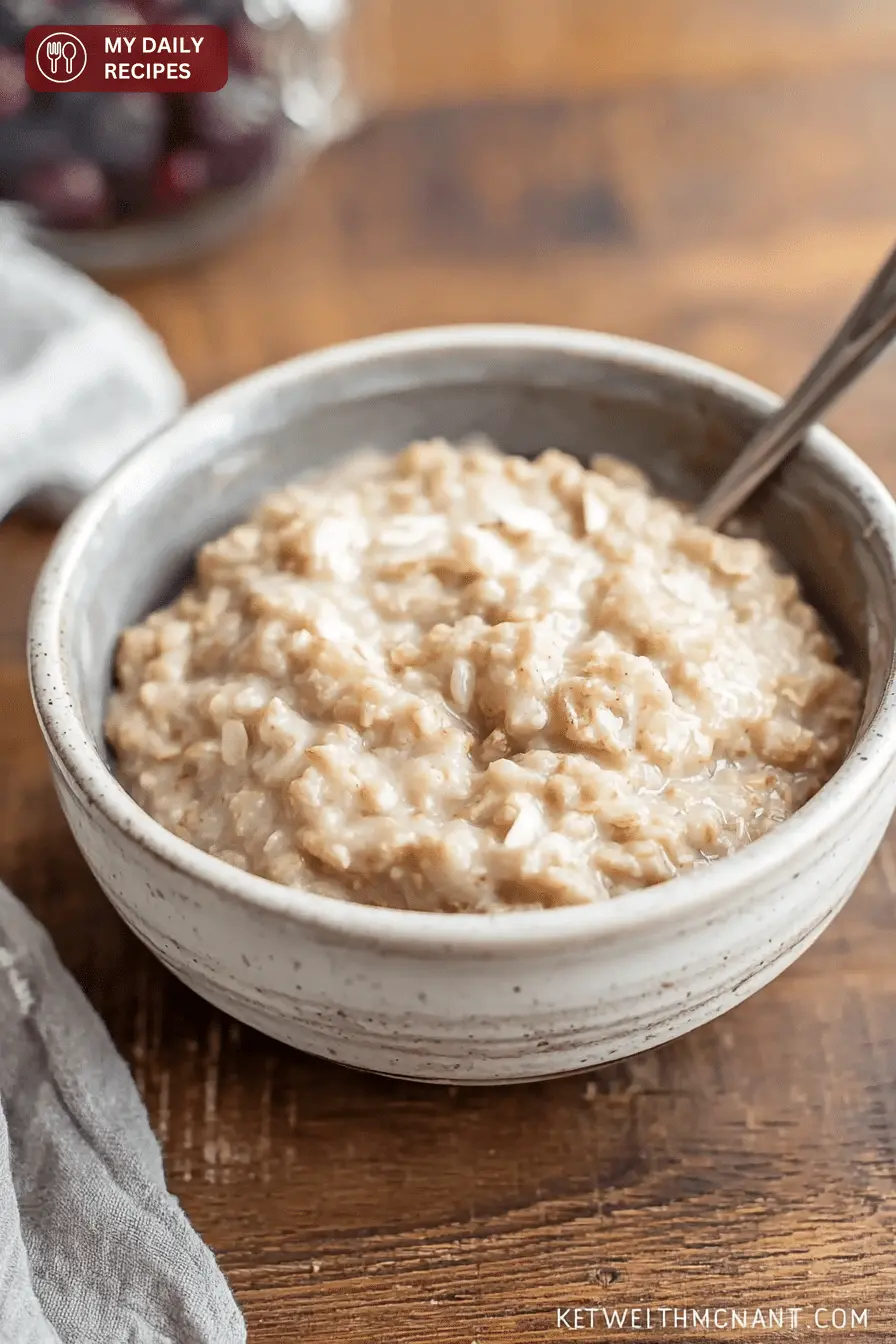
Oatmeal is the kind of breakfast that feels like a warm hug — humble, adaptable, and endlessly comforting. I make a bowl of creamy oatmeal several times a week, especially on slow mornings or when I want something filling that doesn’t take forever. The trick to what I call “the ultimate creamy oatmeal” is simple: cook rolled oats slowly in a blend of milk and water, coaxing out their starch so the pot turns glossy and spoonable. I remember the first time I actually waited for the oats to finish cooking instead of rushing them in the microwave — the smell of toasted oats turned sweet and nutty, the surface slowed into a thick ribbon when I stirred, and I knew I couldn’t go back. The version I’m sharing here is a tested, everyday formula: rolled oats, a 1:1 mix of milk and water, a whisper of salt, and a little sweetener if you like. I’ve dialed the timing so you get a bowl that’s velvety without being gluey. Throughout this post I’ll walk through what to watch for while cooking, how to troubleshoot common problems, and the small choices that make one bowl memorable and another just... meh.Ingredients You'll Need
- Rolled oats – old‑fashioned oats give the best balance of creaminess and structure; they soften and release starch without turning to mush.
- Water – used to thin the mixture slightly and prevent dairy from scorching, helps create that silky texture.
- Milk – cow’s milk or any plant milk adds richness; full‑fat milks yield a silkier mouthfeel.
- Sweetener (brown sugar, maple, or honey) – optional, but a small amount highlights the oats’ natural nuttiness.
- Vanilla – a splash of extract or vanilla bean paste brightens the flavor and balances the salt.
- Sea salt – just a pinch wakes up sweetness and rounds the bowl.
- Toppings – fresh fruit, nuts, seeds, nut butter, or yogurt for contrast in texture and temperature.
Step-by-Step Cooking Instructions
I always tell friends: cooking oatmeal is not a race. Take it slow and you’ll be rewarded. Below is the stove method I use most — it’s quick but gives you room to coax the oats into the exact texture you want.- Measure and ready your pan: Use a medium saucepan so there’s room for stirring. Combine equal parts milk and water and bring them to a gentle simmer over medium heat. You’ll see small bubbles around the edge — that’s the cue to add the oats. If the pot is too small, it’ll boil over when you stir.
- Add oats and flavorings: Stir in the rolled oats, a pinch of sea salt, the sweetener if you’re using it, and the vanilla. The liquid will momentarily look thin, but as the oats swell they’ll thicken. Stir once or twice to make sure the oats aren’t clinging to the bottom.
- Turn the heat down: Immediately reduce to low. This step matters: high heat will make the surface bubble aggressively, which can cause splatter and uneven cooking — you want a gentle simmer so the oats release starch slowly and the bowl ends up silky.
- Cook and stir occasionally: Let the oats cook 10–15 minutes, stirring every minute or two. You’ll notice the texture change: first the liquid looks cloudy, then it becomes glossy and thick. If you stop stirring for too long the oats can stick and clump; if the mixture gets too tight before the oats are tender, add a splash of milk or water to loosen it.
- Finish with a creamy addition: Once the oats are tender and the pot has a slow, shiny ribbon when you drag the spoon through, remove from heat. Stir in a splash of milk, a spoonful of Greek yogurt, or a dollop of nut butter for extra creaminess. Taste and adjust salt or sweetener.
- Serve warm: Spoon into bowls and add your favorite toppings. If the oatmeal seems thin out of the pot, it will thicken as it cools — that’s normal. If it’s already too thick, stir in a little warm milk before serving.
What Can Go Wrong and How to Fix It
I test this recipe a lot, so I’ve seen the usual missteps. Here’s how to get back on track:- Oatmeal is gluey: You probably stirred too aggressively or finished with too little liquid. Add a splash of warm milk and stir gently to loosen. Next time, reduce stirring frequency to every 1–2 minutes instead of constantly.
- Oats are undercooked but liquid is gone: Add a little more liquid and continue cooking on low until they’re tender. If you don’t want to wait, microwave in short bursts with added milk, stirring in between.
- Milk scorched on the bottom: Turn off the heat immediately, and transfer the unscorched portion to a new pan — don’t scrape the bottom. Use a lower heat next time and a heavier‑bottomed pan to distribute heat more evenly.
- Too sweet or too bland: If it tastes flat, add salt first — often a pinch makes the flavors sing. If you’ve over‑sweetened, stir in plain yogurt or a squeeze of lemon to balance.
Variations for Unique Flavors
I regularly tweak this base recipe. Sometimes I want dessert for breakfast; other times I need something savory. Here are tested variations that worked well in my kitchen:- Berry & Honey – fold in mashed raspberries or fresh blueberries at the end, add a drizzle of honey and toasted almonds. The fruit brightens the bowl and the honey deepens the flavor.
- Banana & Nut Butter – mash a ripe banana into the cooked oats and swirl in a spoonful of peanut or almond butter. It becomes thick, slightly sticky, and dangerously good.
- Apple Pie – stir in grated apple, a pinch of cinnamon, a dash of nutmeg, and a spoonful of maple syrup. I sometimes sauté the apple first to soften it and concentrate the sugars.
- Savory Spinach & Feta – skip the sweetener, stir in wilted spinach, a squeeze of lemon, and crumble feta on top. Add a poached egg for a protein boost — the runny yolk makes it creamy in a different, savory way.
- Chocolate Hazelnut – stir in a teaspoon of cocoa powder and a spoonful of hazelnut spread. Finish with chopped hazelnuts for crunch.
- Spiced Pumpkin (seasonal) – stir in pumpkin purée, cinnamon, ginger, and clove. Finish with a little maple syrup and pepitas.
Health Benefits of Oatmeal
Oats are one of those foods that are both simple and nutritionally dense. A bowl of oatmeal is a good source of soluble fiber (beta‑glucan), which helps with sustained energy and can support healthy cholesterol levels. Oats have a relatively low glycemic index when prepared with milk and paired with protein or healthy fats, which helps avoid mid‑morning blood sugar spikes. To maximize the nutrition without sacrificing creaminess, consider:- Add protein: Stir in Greek yogurt, a scoop of protein powder, or top with nut butter or chopped nuts.
- Boost healthy fats: Chia seeds, flaxseed meal, or a spoonful of extra‑virgin olive oil (in savory bowls) add satiety and texture.
- Include fruit and fiber: Fresh berries or a grated apple add vitamins, antioxidants, and natural sweetness so you don’t need much added sugar.
Overnight Oatmeal Preparation Tips
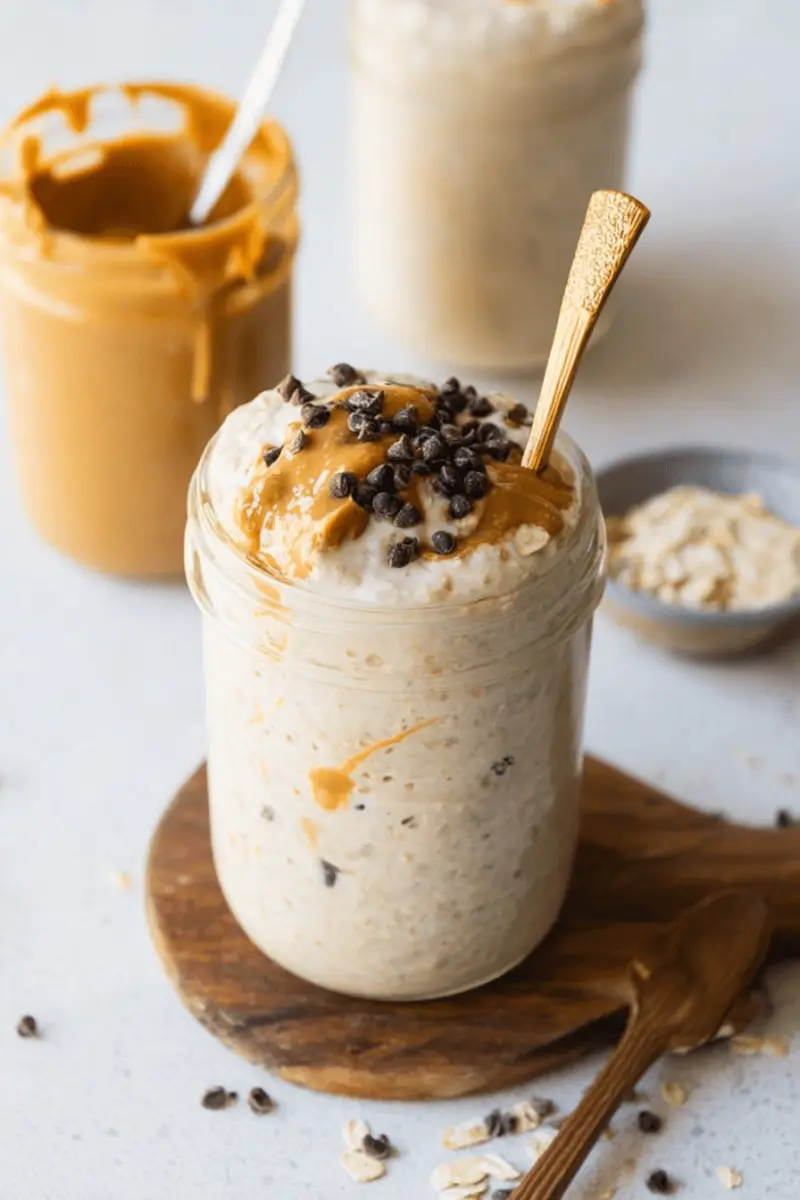
Overnight oats are a lifesaver for busy mornings, and they can be surprisingly creamy when you know the right ratios and tricks. Use a 1:1 ratio of rolled oats to liquid for a spoonable texture (for example, 1/2 cup oats to 1/2 cup liquid). Adding a spoonful of chia seeds helps thicken and create a custardy texture overnight. My favorite method:- In a jar, layer rolled oats, milk (or plant milk), a pinch of salt, and a little sweetener. If you like, stir in a spoonful of Greek yogurt for extra creaminess.
- Add chia seeds (about a teaspoon per 1/2 cup oats) to absorb some liquid and prevent a watery bottom.
- Refrigerate overnight. In the morning, stir, add a splash of milk if too thick, and top with fruit and nuts. If you want warm oats, microwave for 45–60 seconds and stir.
Best Toppings to Enhance Your Oatmeal
Toppings are where personality shines. I keep a small tray in the fridge with go‑to additions so the bowl comes together quickly:- Fresh fruit – bananas, berries, pears, or apple slices add freshness and natural sweetness.
- Nuts and seeds – chopped almonds, walnuts, pumpkin seeds, and chia provide crunch and healthy fats.
- Nut butter – swirl in almond or peanut butter for creaminess and protein.
- Dried fruit – raisins or chopped dates add chew and concentrated sweetness; soak briefly if they’re too tough.
- Drizzles – a little honey, maple syrup, or tahini can finish the bowl with a glossy note.
- Yogurt or cream – a spoonful of yogurt cools and thickens the surface while adding tang.
Frequently Asked Questions
How do I make my oatmeal extra creamy? Use old‑fashioned rolled oats and cook them gently in a mix of milk and water (this recipe uses 1 cup milk + 1 cup water for 1 cup oats). Bring the liquids to a gentle simmer, stir in the oats, reduce to low, and cook 10–15 minutes, stirring occasionally to release starch. Finish with a splash of milk or a spoonful of Greek yogurt, mashed banana, nut butter, or chia seeds for extra richness. Can I use instant oats or steel-cut oats instead of rolled oats? Yes, but expect different results. Instant oats cook much faster and can become mushy — reduce liquid and cook time. Steel‑cut oats need a longer simmer (20–30+ minutes) and more liquid; for creaminess, soak steel‑cut oats overnight or simmer longer while stirring. Rolled oats are the best balance for this recipe’s creamy texture and 10–15 minute cook time. How can I make this recipe vegan or dairy-free? Swap cow’s milk for any plant milk (oat, almond, soy, etc.) and use maple syrup or brown sugar instead of honey. For added creaminess, stir in coconut cream or a dairy‑free yogurt at the end. How do I store and reheat leftover oatmeal? Store leftovers in an airtight container in the fridge for 3–4 days. Reheat on the stove or in the microwave with a splash of milk or water to loosen the texture, stirring until creamy. Add fresh toppings after reheating.Final Thoughts on the Ultimate Creamy Oatmeal
This oatmeal is my go‑to when I want something simple that still feels a little special. It’s forgiving, adaptable, and highly tweakable — you can treat it like a canvas. Over the years I’ve learned that small choices (a final splash of milk, the timing of the salt, the kind of toppings) determine whether a bowl is merely warm or memorably creamy. Make this recipe your own: try the overnight version for rushed mornings, save the stovetop method for when you can watch the pot, and don’t be afraid to mix savory with sweet. If you try a variation you love, take a mental note — those little riffs are what turn a recipe into a habit. Enjoy your bowl, and remember: patience with the heat and a little finishing cream make all the difference.You might also like

Reviews
Be the first to review this.