- Prep
- 10 min
- Cook
- 20 min
- Total
- 30 min
- Serves
- 4
- Calories
- 563 kcal
- Carbs
- 52.00 g
Introduction
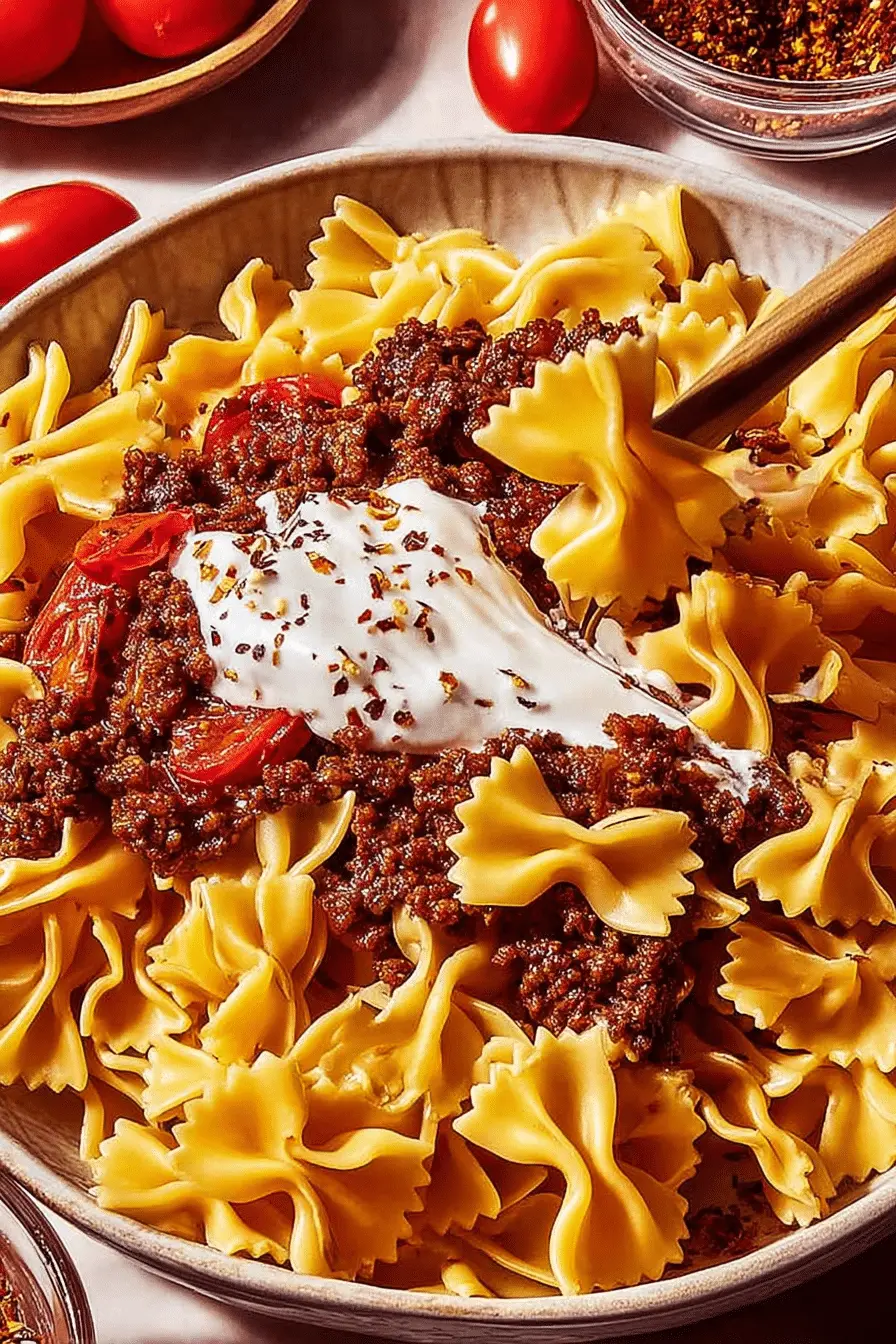
I first started making this Turkish-style pasta on a scrappy weeknight when I had a craving for something comforting but not fussy. I liked how the components — tangy yogurt, warm spiced beef, and a glossy chili butter — come together quickly, with only a few minutes of hands-on time. In my kitchen it became the go-to when I wanted something that felt special without fussing over a lot of steps. I also learned to lean into the textures: the pasta gives a chewy base, the yogurt adds a cool, silky contrast, and the beef brings a salty, savory backbone. Those contrasts are what make it reliably satisfying for both grown-ups and kids at the table. I serve it in bowls so everyone can spoon and swirl, which keeps the presentation colorful and homey. Over the years I’ve tweaked a couple of small things that make weeknight cooking less frantic: pull the yogurt sauce together early, use a sturdy pasta shape that holds onto sauce, and have your butter sauce ready while the meat finishes. Those little moves shave off stress and let you plate food that feels like you cooked for longer than the half hour it actually takes. The aroma — warm paprika and cumin from the skillet, bright lemon and garlic from the yogurt — makes the whole thing feel more than the sum of its parts. If you want a simple pairing, this dish is great on its own, but you can serve it with a fresh salad or some crusty bread on the side to make it a complete meal.Why this Turkish pasta recipe is perfect for busy weeknights
This dish hits all the marks for an honest weeknight dinner: it cooks in about thirty minutes, uses pantry-friendly spices, and layers textures so every mouthful feels interesting. Because you build the bowl piece by piece — pasta, cool yogurt, warm beef, chili butter — you get a satisfying contrast of temperature and texture that feels more composed than the time it takes to make it.
- 30-minute timing: minimal active time; you can multitask while pasta cooks.
- Layered textures: chewy pasta, silky yogurt, and crumbly beef keep forks moving.
- Kid-friendly and adult-approved: you can dial the spice up or down so it pleases a crowd.
Sensory note: imagine the kitchen filling with the warm smell of paprika and cumin while bright lemony yogurt cools the palette. If you’re wondering what to serve with it, a simple green salad or crusty bread works beautifully.
Everything You Need for Turkish Pasta
Below I list what I keep on hand when I make this — nothing exotic, mostly things you probably have in your pantry. If you need a note on pasta shapes: you can use any shape of pasta, but farfalle, rotini, or medium shells work really well for this recipe.
- Pasta – A sturdy short shape that holds sauce; farfalle or rotini cling well to the yogurt and beef.
- Ground beef – Provides savory richness; swap for ground turkey or a plant-based crumble if preferred.
- Onion – Builds the flavor base and softens into the meat.
- Red pepper paste (or tomato paste) – Adds depth and a touch of sweetness; you can use tomato paste if needed.
- Dry spices (paprika, cumin, onion powder, red pepper flakes) – Warm, smoky backbone; adjust red pepper flakes to control heat.
- Greek yogurt – Gives the dish its silky tang; full-fat yogurt is creamiest but low-fat or dairy-free yogurt also works.
- Garlic & lemon – Brighten and lift the yogurt sauce; lemon keeps the yogurt lively.
- Butter – The vehicle for the chili drizzle that adds gloss and richness; use a vegan butter for a dairy-free finish.
- Optional garnishes (cherry tomatoes, mint or parsley, sumac) – Freshness and color at the end; sumac brings a tangy note if you have it.
If you need dietary swaps: use gluten-free pasta for a gluten-free version, or choose dairy-free yogurt and vegan butter to make it plant-based. And remember: seasoning the pasta water well matters — it’s the first chance to flavor the starch that will meet the sauce.
The secret to the silky garlicky yogurt sauce
The yogurt sauce is the calming counterpoint to the spicy beef — get it smooth and well seasoned and the whole dish sings. If you want a creamier texture, use full-fat Greek yogurt and temper it with a splash of hot pasta water before combining so it doesn’t seize.
- Whisk yogurt with minced garlic, a squeeze of lemon, and salt until smooth so the garlic disperses evenly.
- Let the sauce rest for a few minutes so the garlic mellows and the flavors mingle; the raw edge of garlic softens, giving a rounder finish.
- If the yogurt seems too thick, thin it with a little reserved hot pasta water to reach a silky consistency that will coat the pasta without clumping.
- Taste and adjust: you want a bright, tangy backbone to balance the beef’s richness.
Sensory note: picture cool, creamy yogurt with faint lemon perfume and the gentle bite of garlic, ready to contrast with the warm spiced meat.
How to get perfectly seasoned spiced beef in 10 minutes
Good, quick browning and bold seasoning are the keys here. You’ll focus on high heat and attentive stirring so the meat browns well without becoming dry.
- Start with a hot skillet so the beef gets a good sear; break it up early so you get small, evenly browned bits.
- Add chopped onion after the beef has lost most of its raw color so the onions caramelize into the meat rather than steam.
- Stir in red pepper paste (or tomato paste) and the dry spices — this concentrates flavor and gives the meat a deeper, slightly sweet edge.
- Taste as you go and adjust salt and heat; a little salt while cooking brings out the spice aromatics.
- Finish with a splash of reserved pasta water if the mixture looks dry; it loosens the pan juices and helps everything coat the pasta better.
Sensory note: smell the mix of toasted paprika and cumin coming off the pan — that savory aroma is what sells the bowl.
How to balance heat and richness with the chili butter
The chili butter drizzle ties everything together: fat carries flavor and the heat accentuates the spices. You control the warmth here so it complements rather than overwhelms the dish.
- Melt butter gently and stir in sweet paprika and red pepper flakes so the fat blooms with spice; this brings a glossy finish.
- Adjust heat by varying the red pepper flakes or using milder Aleppo-style flakes to keep a rounded warmth rather than sharp heat.
- Add salt to the butter to lift the flavors; a well-seasoned drizzle brightens every bite.
- Drizzle right before serving so the butter forms shiny streaks over the yogurt and pasta for visual contrast.
Sensory note: think of a warm, spicy ribbon across the bowl that smells like toasted pepper and makes the yogurt taste richer by contrast.
How to Make Turkish Pasta (Step-by-Step)
Timing is everything for a smooth, 30-minute dinner. The trick is to stagger tasks so nothing gets cold and the yogurt stays vibrant.
- Bring a large pot of water to a rolling boil and salt it generously; cook your pasta until al dente and reserve some pasta water before draining.
- While the pasta cooks, brown the ground beef in a hot skillet, add onion and spices, and finish the meat so it’s ready when the pasta is drained.
- Mix the yogurt sauce in a bowl and let it rest while the meat finishes so flavors marry.
- Melt butter and infuse with paprika and red pepper flakes in a small saucepan right before serving; keep an eye on the butter so it doesn’t brown too much.
- Assemble bowls: pasta first, a generous spoonful of yogurt, a portion of spiced beef, then a drizzle of chili butter. Garnish as you like and serve immediately.
Timing tips for multitasking: while pasta water heats, chop onions and garlic; while pasta cooks, handle the meat; while meat rests, whisk the yogurt. Those small overlaps shave minutes off your clock.
Troubleshooting (I speak from the trenches):
- If the yogurt splits when you add hot elements, I find tempering it with a little reserved pasta water first keeps it smooth.
- If the beef is under-seasoned, I always correct with a final pinch of salt and a squeeze of lemon — acid brightens the whole bowl.
- If the butter sauce tastes flat, I add a tiny bit more paprika or a few extra flakes and warm it briefly; it wakes the aroma up instantly.
Pro Tip for turkish pasta recipe: vegetarian swaps & nutrition tweaks
Below are practical swaps and tweaks I use when someone at the table wants to skip meat or dairy. These suggestions keep the spirit of the dish while adapting it to different diets.
- I substitute the ground beef with cooked lentils or crumbled, sautéed mushrooms for a meaty texture without the meat.
- For a vegan version, choose a thick, unsweetened dairy-free yogurt and vegan butter; a touch of miso can add savory depth to the yogurt if you miss the umami.
- To lighten the dish, I use lean ground turkey and swap half the yogurt for a dollop of mashed avocado for creaminess with more healthy fats.
- Boost vegetables by folding in quick-roasted cherry tomatoes or spinach into the beef step; it adds color and nutrients without slowing you down.
Sensory note: these swaps preserve the texture contrasts — creamy, savory, and bright — so the bowl still feels complete even when the components change.
How to Store, Reheat, and Easy Variations for Turkish Pasta
Leftovers keep well if you separate components when you can. Proper storage and gentle reheating keep the textures pleasant instead of mushy.
- Refrigeration: Store in an airtight container for up to three days; if possible, keep the yogurt sauce separate from the pasta and meat to preserve texture.
- Reheating: Warm the meat gently on the stovetop with a splash of water and reheat pasta briefly in a skillet or microwave with a little reserved pasta water to loosen it; add yogurt fresh when serving.
- Freezing: I don’t recommend freezing the yogurt sauce; the meat freezes okay for up to a month but thaw and reheat gently.
Variations (quick ideas to keep the recipe interesting):
- Make it smoky: use smoked paprika and charred cherry tomatoes for a deeper flavor profile.
- Make it herb-forward: fold chopped mint or parsley into the yogurt for a fresher finish.
- Make it lighter: swap in shredded rotisserie chicken and increase vegetables like zucchini or peppers.
Conclusion: This Turkish-style pasta is one of those dependable weeknight bowls I return to when I want something quick, flavorful, and satisfying. With a few pantry staples and a short window of stove time, you can plate something that looks and tastes like effort without taking the evening from you.
Frequently Asked Questions
What kind of pasta can I use for Turkish pasta?
You can use any shape of pasta, but farfalle, rotini, or medium shell pasta work really well for this recipe.
Can I make a vegetarian version of this recipe?
Absolutely! You can substitute the ground beef with your favorite plant-based protein or even sautéed mushrooms for a delicious vegetarian option.
How can I make the yogurt sauce creamier?
Using full-fat Greek yogurt will yield the best texture and flavor. Additionally, tempering the yogurt with a spoonful of hot pasta water before mixing can help prevent curdling.
How do I store leftovers of Turkish pasta?
Store any leftovers in an airtight container in the refrigerator for up to 3 days. Reheat gently on the stovetop with a splash of water or in the microwave.
What can I serve with Turkish pasta?
This dish is great on its own, but you can serve it with a fresh salad or some crusty bread on the side to make it a complete meal.