- Prep
- 30 min
- Cook
- 20 min
- Total
- 50 min
- Serves
- 4
- Calories
- 571 kcal
- Carbs
- 86.50 g
Introduction
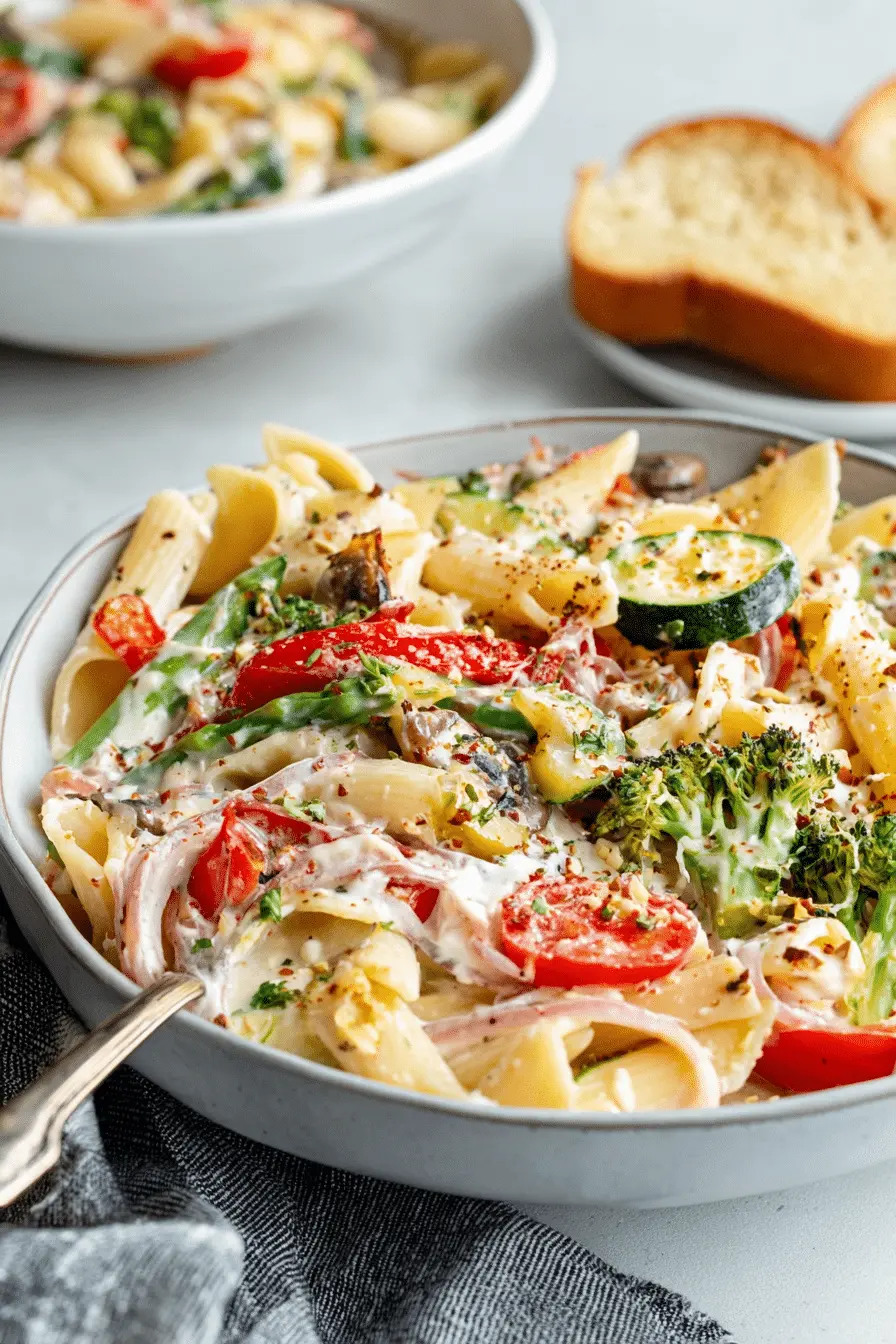
I make this vegan pasta primavera on nights when the clock wins but everyone still wants something comforting and bright. The first time I tested it in my kitchen I focused on speed without losing texture: quick-cooked pasta, a fast hot-soak cashew sauce, and vegetables sautéed to stay tender-crisp. The result is a weeknight meal that looks fresh, smells like garlic and lemon, and comes together with minimal fuss. What keeps this recipe realistic for busy households is simple prep: chop a handful of vegetables, have soaked cashews on hand (or use the hot-soak method), and cook the pasta while the veggies soften. I like finishing it with a squeeze of lemon and a few red pepper flakes — the brightness and heat make the creamy sauce pop without making anything complicated. Over the years I've found a few reliable shortcuts that preserve flavor and texture: hold back the tomatoes until the very end so they stay juicy, cook sturdier vegetables first, and always reserve a little pasta water to loosen the sauce if needed. These small choices keep the dish tasting fresh and homemade even when time is short. I often meal-prep components—blanch broccoli or roast extra veggies on the weekend—so on weeknights I just reheat and toss. The color contrast of green zucchini, crimson cherry tomatoes, and bright orange carrots makes this feel like a special plate even when you're trying to get dinner on the table fast.Why This Vegan Pasta Primavera Is Perfect for Busy Weeknights
This recipe is built for speed and flexibility: it relies on pantry-friendly staples and vegetables that are easy to find year-round. The creamy garlic cashew sauce comes together quickly, especially with a hot-soak method, and the vegetables are cooked to stay vibrant and slightly crisp so they don’t become mushy after reheating.- Smell: the aroma of sautéed garlic and olive oil fills the kitchen within minutes.
- Sight: the colorful vegetables make the dish feel satisfying and balanced at a glance.
- Touch: tender pasta coated in a silky sauce contrasts with the slight bite of blanched broccoli and al dente zucchini.
- Meal-prep tip: chop vegetables and soak nuts ahead of time to shave off precious weekday minutes.
Everything You Need for Vegan Pasta Primavera
Here’s a conversational look at the ingredients and sensible swaps so you can tailor the dish to what’s in your pantry or to dietary needs.- Pasta – The vehicle for the sauce; swap in gluten-free or higher-protein pasta like chickpea-based noodles if you want more protein.
- Olive oil – For sautéing; a neutral oil works if you prefer a lighter flavor.
- Red onion – Adds sweetness and depth; shallots are a nice, milder alternative.
- Carrot – Provides crunch and natural sweetness; thin matchsticks cook quickly.
- Bell pepper – Brightness and color; any color works and adds visual appeal.
- Broccoli – Offers texture and nutrients; if you want more variety, try broccolini or asparagus when in season.
- Cherry tomatoes – Bursting pops of acidity at the end; hold until the last minute so they stay juicy.
- Zucchini – Tender but robust; you can also spiralize into zoodles for a lower-carb version.
- Raw cashews – The base of the creamy sauce; for a nut-free option, use soaked sunflower seeds or silken tofu.
- Garlic & lemon – Garlic gives savory depth while lemon brightens the whole dish.
The Secret to a Luscious Cashew Sauce
Soaking cashews softens them for blending and yields a silky texture that clings to pasta like a light cream. Properly soaked cashews also blend smoother and are easier on digestion. If you want to add an herb note, a small handful of fresh basil or a pinch of dried Italian seasoning can be blended into the sauce for extra depth.- Soaking: long, gentle soak yields the creamiest texture; hot-soak is a fast alternative (see the pro tip section).
- Blend consistency: start with less liquid and add a tablespoon at a time until you reach a silky but saucy texture.
- Flavor variations: add nutritional yeast for a cheesy umami note, or a touch of Dijon mustard for complexity.
- Sensory notes: the sauce should look glossy, smell garlicky with a hint of lemon, and feel velvety against the back of a spoon.
One-Pan Veggie Sauté: Timing for Tender-Crisp Veggies
Cooking each vegetable for the right length of time keeps color and nutrients intact while giving you texture contrast in every bite. I prefer to start with the sturdier veggies and finish with the soft ones so everything finishes simultaneously.- Sauté order: start with onions and carrots to release sweetness, then add bell peppers and broccoli; finish with zucchini and tomatoes so they don’t overcook.
- Heat and oil: use medium heat and enough oil to coat the pan so vegetables cook evenly without burning.
- Don’t overcrowd: cook in batches if needed so vegetables brown lightly instead of steaming.
- Finish: add Italian seasoning and tomatoes at the end to preserve brightness and avoid breaking down the tomatoes into a sauce.
- Sensory focus: listen for the satisfying sizzle, watch vibrant colors deepen but stay bright, and feel for slight bite when you test a piece.
Quick Swaps for Gluten-Free or Higher-Protein
This recipe adapts easily—swap the pasta and add a protein or two to make it heartier without changing the method.- Gluten-free pasta: choose a pasta made from rice, corn, or legumes; cook according to package directions and drain well.
- Higher-protein pasta: chickpea or lentil pastas boost protein and keep the texture hearty.
- Protein add-ins: pan-seared tofu cubes, white beans, or edamame fold in nicely and take on the sauce flavor.
- Veg swaps by season: use asparagus and peas in spring, or roasted squash and kale in fall for variety and nutrition.
How to Make Vegan Pasta Primavera (Step-by-Step)
Keep the workflow tight by doing mise en place: have your vegetables chopped, cashews pre-soaked or hot-soaked, and pasta water ready. The cleanest way to finish is to combine everything in the vegetable pan so the sauce coats the pasta evenly.- Prep: chop all vegetables and have your sauce ingredients measured out so you can move from step to step without interruption.
- Cook pasta: boil until al dente and reserve a splash of pasta water to loosen the sauce later if needed.
- Sauté veggies: follow the timing notes above so each vegetable keeps its texture and color.
- Blend sauce: combine soaked cashews, water, lemon, garlic, and seasoning in a blender until smooth; thin with reserved pasta water if necessary.
- Combine: add drained pasta and cashew sauce to the pan with vegetables and toss until everything is evenly coated; finish with extra black pepper or red pepper flakes to taste.
Pro Tip for Vegan Pasta Primavera: Use Hot-Soak Cashews to Cut Sauce Time
- I use a hot-soak when I forget to plan ahead: add raw cashews to boiling water, turn the heat off, and let them sit in the hot water for about 30 minutes to soften quickly.
- Batch soak: soak extra cashews and store them in the fridge for a few days to speed future sauces.
- Quick alternatives: for an even faster sauce, use silken tofu or soaked sunflower seeds; both blend into a creamy base with similar mouthfeel.
- Impact: hot-soak cuts soak time dramatically while still giving you that silky texture that clings to pasta.
How to Store, Reheat and Meal-Prep Vegan Pasta Primavera
Proper storage keeps the pasta vibrant and prevents the sauce from drying out. I usually pack components separately when meal-prepping—vegetables in one container, sauce in another, and cooked pasta in a third—so nothing gets soggy.- Containers: use airtight containers or glass jars to keep flavors fresh and prevent odors from escaping.
- Reheating: reheat gently on the stovetop with a splash of water or plant milk to loosen the sauce; microwave reheating benefits from stirring halfway through.
- Meal-prep strategy: cook pasta until just al dente and undercook vegetables slightly so they finish cooking during reheating without becoming mushy.
Variations and Cultural Twists on Pasta Primavera
Try these ideas to put a new spin on the classic while keeping the same base technique and creamy sauce.- Mediterranean twist: toss in olives, capers, and a handful of chopped sun-dried tomatoes for briny contrast.
- Spring variation: replace broccoli with asparagus and add fresh peas for a lighter, green-forward plate.
- Italian rustic: finish with fresh basil and a few grinds of black pepper for a simple, regional nod.
- Seafood option: for non-vegan eaters at the table, consider adding a seared seafood topping like shrimp (Garlic Butter Shrimp) as a separate garnish.
Frequently Asked Questions
Can I substitute the cashews in the sauce? Absolutely! You can use soaked sunflower seeds or silken tofu for a nut-free alternative in the creamy sauce. What vegetables work best for pasta primavera? This recipe is versatile! You can use any seasonal vegetables you like, such as bell peppers, carrots, broccoli, zucchini, or cherry tomatoes. Can I make this recipe gluten-free? Yes! Simply substitute the penne pasta with a gluten-free pasta of your choice, and you're good to go! How do I store leftover vegan pasta primavera? Store leftovers in an airtight container in the fridge for up to 3-4 days. Reheat in the microwave or on the stovetop with a splash of water to loosen the sauce. What can I serve with vegan pasta primavera? It's great on its own, but you can serve it with garlic bread or a fresh green salad for a complete meal!Recipe Card
The Vegan Pasta Primavera I Make for Busy Weeknights
- Prep
- 30 min
- Cook
- 20 min
- Total
- 50 min
- Serves
- 4
- Calories
- 571 kcal
- Carbs
- 86.50 g
Ingredients
- 12 ouncespenne pasta (or any kind of pasta)
- 2 tablespoonsolive oil
- 1/2 mediumred onion, sliced lengthwise
- 1 largecarrot, peeled and cut into matchsticks
- 1 mediumred bell pepper, cut into thin strips
- 2 cupssmall broccoli florets
- 1 ½ cupscherry tomatoes, halved
- 2 mediumzucchini, sliced and quartered or cut into thin strips
- 1/2 teaspoonitalian seasoning
- ¾ cupraw cashews
- ½ cupwater
- 2 tablespoonsfresh lemon juice
- 2 clovesgarlic
- 1 teaspoonsalt
- 1/4 teaspoononion powder
- —Freshly ground black pepper
- —Red pepper flakes
- —Extra salt and black pepper, if desired
- —Garlic crostini/garlic bread
Instructions
- 1
Soak the cashews in 2 cups of warm water for at least 2 hours, or bring to a boil and soak in hot water for 30 minutes. Drain once softened.
- 2
Blend soaked cashews, ½ cup water, lemon juice, garlic, salt, onion powder, and black pepper until smooth. Adjust consistency with water if needed.
- 3
Cook pasta until al dente according to package instructions. Drain.
- 4
Heat olive oil in a large pot over medium heat. Sauté onion, carrot, bell pepper, and broccoli for 3-4 minutes. Add zucchini and cook for another 2 minutes. Stir in tomatoes and Italian seasoning for 1 minute.
- 5
Add cooked pasta and cashew sauce to vegetables. Stir to combine. Serve with red pepper flakes and garlic bread.
You might also like

Reviews
Be the first to review this.