- Prep
- 20 min
- Cook
- 15 min
- Total
- 35 min
- Serves
- 3
- Calories
- 478 kcal
- Protein
- 15.44 g
- Carbs
- 60.27 g
- Fat
- 16.57 g
Introduction
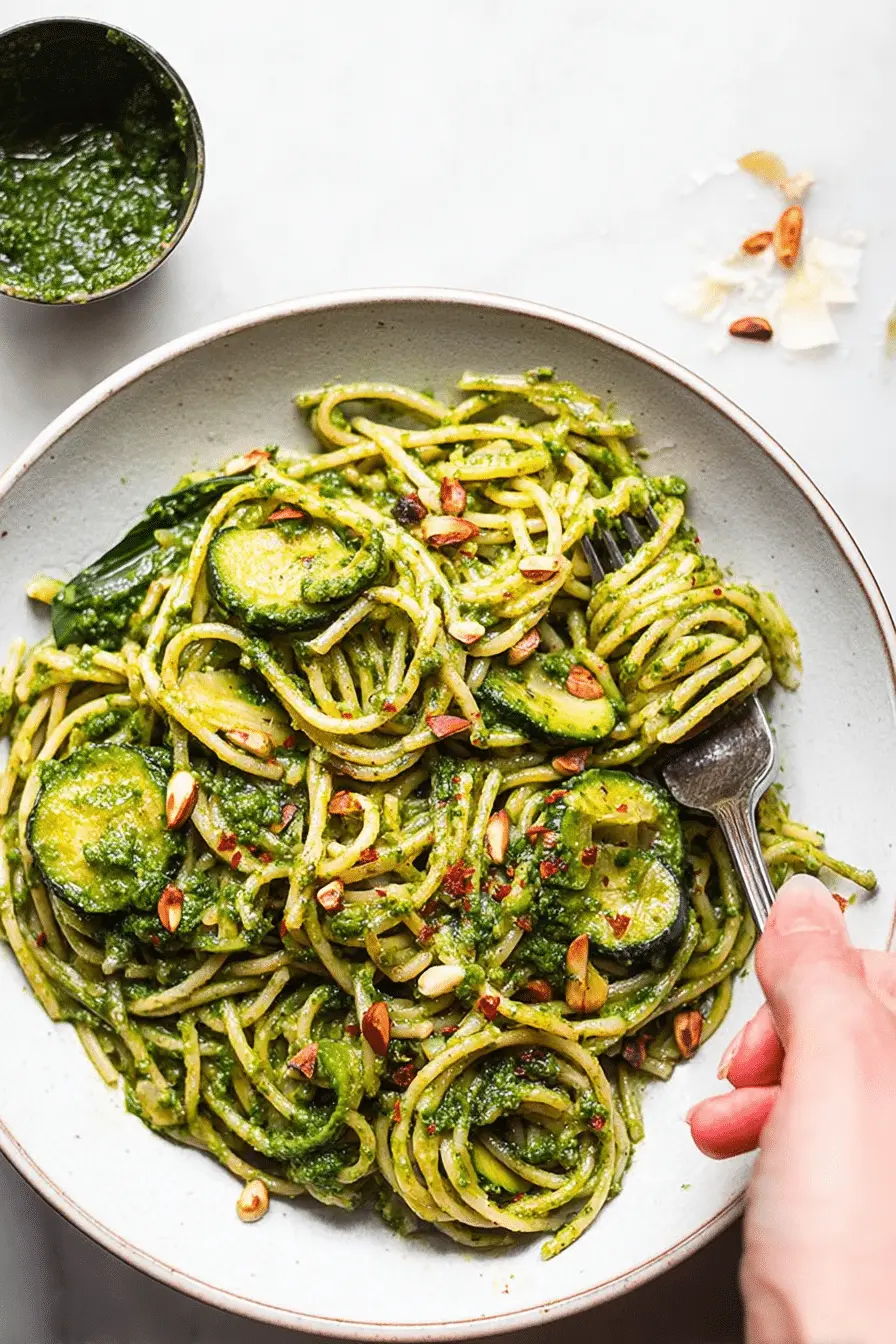
I make this vegan wild garlic pesto pasta whenever I want something fast, bright and utterly satisfying. In my kitchen the rhythm is always the same: while the pasta comes up to a boil, I blitz a handful of foraged greens with nuts and lemon, toss in a pan of quick-sautéed courgette and dinner is on the table before the fuss starts. It’s the kind of meal that feels intentional even when you’re short on time.
I’ve tested this recipe many times and learned a few useful shortcuts — roast the nuts until you can smell them, don’t drown the leaves in oil, and always hold back a little pasta water to loosen the sauce. If you love quick and flavorful meals, check out our garlic butter shrimp pasta for another easy option that follows the same speedy logic.
Foraging wild garlic is one of my favorite small pleasures of spring; I’ll talk safety and sustainable harvesting below so you can enjoy that fresh, green aroma at home. And if wild garlic isn’t available, you’ll find sensible swaps that keep the dish bright and herbaceous without extra hassle.
Everything You Need for Vegan Wild Garlic Pesto Pasta
Below I walk through the main components and why they matter. I focus on fresh ingredients and pantry-friendly swaps so you can pull this together quickly. If you're a fan of pesto, you might also enjoy our pesto caprese pasta salad for a delicious twist.
- Wild garlic leaves (or mild greens) – Provide the fresh, garlicky aroma and bright green colour. Use spinach or kale plus a clove or two of garlic if you don’t have foraged leaves.
- Nuts or seeds – Add body, creaminess and toasty flavour. Pick nuts or seeds that match your budget and allergies; they also help the pesto emulsify.
- Lemon (zest + juice) – Brings lift and prevents the pesto from tasting flat; zest carries essential oils that brighten the whole dish.
- Olive oil – Binds the pesto and carries flavour; use extra-virgin for taste, but add gradually so the pesto stays bright, not greasy.
- Capers or olives (optional) – If you want a briny punch, add these sparingly; they reduce the need for extra salt.
- Nutritional yeast (optional) – Gives a cheesy, umami note while keeping the pesto vegan.
- Courgette (zucchini) – Quick to cook and adds a delicate bite and slight caramelisation when sautéed.
- Pasta or boiled potatoes – Choose gluten-free pasta if needed, or use potatoes for a rustic take; either carries the pesto beautifully.
- Salt & pepper, chilli flakes (optional) – Finish the dish to taste; chilli flakes add warmth and a little crunch.
The secret to a bright, non-greasy pesto
- Use plenty of lemon zest and a good splash of juice to brighten the greens — acidity cuts through richness and keeps the colour vivid.
- Start by grinding the nuts or seeds alone so they break down evenly; this develops toasty notes without needing too much oil.
- Add oil in a thin stream while the motor runs instead of dumping it in at once; this gives you a silky emulsion rather than an oily puddle.
- Resist over-blending — stop when the leaves are chopped and the mixture holds together. A little texture is appealing and prevents a pasty mouthfeel.
- If the pesto seems thick, loosen it with a tablespoon or two of reserved pasta water rather than more oil to keep it light.
Best nuts, seeds and swaps for allergy-friendly pesto
- Almonds – Clean, slightly sweet flavour and great texture; toast them first for depth.
- Walnuts – Earthy and rich; pair nicely with lemon and bold greens.
- Pine nuts – Classic pesto note: buttery and soft when blended.
- Pistachios – Add a green tint and a subtle fruity note.
- Hazelnuts – Give a toasty, almost praline edge; use sparingly if strong flavours are unwanted.
- Sunflower or pumpkin seeds – Nut-free options that still emulsify well and are budget-friendly.
- Hemp seeds – Nutritious and neutral-tasting; they boost protein without changing the profile much.
How to Make Vegan Wild Garlic Pesto Pasta (Step-by-Step)
- Wash and dry the wild garlic leaves thoroughly so the pesto isn’t diluted; remove any tough stems.
- Dry-roast your chosen nuts or seeds until fragrant and just beginning to colour; let them cool before grinding.
- Pulse the nuts first, then add the greens, lemon zest and juice, capers or olives (if using) and nutritional yeast; pulse to combine.
- With the motor running, stream in olive oil until the pesto reaches a loose, spreadable consistency; taste and season with salt and pepper.
- Slice the courgette very thinly and sauté in a hot pan with a drizzle of oil until just tender and slightly browned.
- Cook pasta until al dente, reserving a little cooking water before draining; this water will loosen the pesto without adding oil.
- Toss the hot pasta with a few spoonfuls of pesto and a splash of the reserved water; plate and top with the sautéed courgette, toasted nuts and chilli flakes if you like.
Pro Tip for vegan wild garlic pesto pasta: Safely forage and boost flavour
- Identification checklist – Look for lance-shaped leaves in clusters, a strong garlic scent when crushed, and white star-shaped flowers in season. Never eat a plant you can’t confidently identify.
- Where to look – Shaded woodlands and riverbanks in spring are common spots; pick away from roadsides to avoid pollution.
- Sustainable harvesting – Take only a portion of leaves from any single patch and leave bulbs in the ground so the plant can regrow.
- Post-forage care – Rinse leaves thoroughly and use them fresh for the best aroma; if you must store, keep them wrapped in a damp cloth in the fridge for a couple of days.
Pro-Tips:
- I like to roast more nuts than I need and keep extras in the freezer — they stay fresh and speed up future pestos.
- If your blender struggles with small batches, add a splash of water or lemon juice to help everything circulate.
- Use the zest of the lemon mid-blend and a little juice at the end to fine-tune brightness.
Troubleshooting:
- If the pesto tastes flat, add more fresh lemon juice and a pinch of salt; acid opens the flavours.
- If the pesto is too thick, loosen with reserved pasta water rather than extra oil.
- If the pesto is bitter, balance it with a touch more sweet or toasty element — a few extra toasted nuts or a small splash of extra lemon.
Variations:
- Make it smoky by charring part of the courgette and stirring it into the pesto.
- For a creamier finish, fold in a scoop of silken tofu or a dollop of plant-based cream before tossing with pasta.
- Swap pasta for new potatoes or roast vegetables for a gluten-free, hearty option.
Quick sides and serving ideas to round the meal
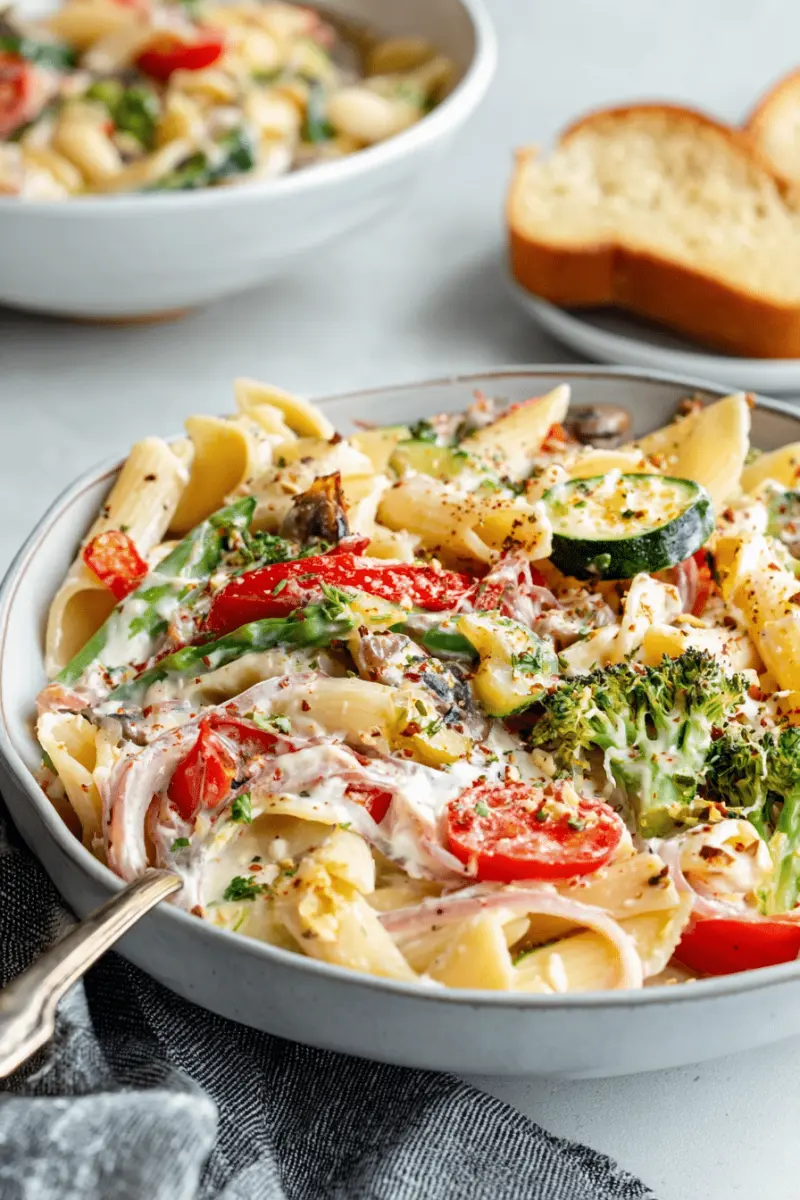
Keep the tempo quick and the flavours complementary. Here are easy pairings that take under 30 minutes and echo or contrast the pesto’s freshness. For a refreshing side dish, try our vegan pasta primavera that complements this pesto pasta beautifully.
- Simple green salad with lemon vinaigrette — mirrors the pesto’s acidity and keeps things light.
- Grilled or roasted seasonal vegetables — add char to contrast the bright pesto.
- Crusty bread or garlic-free flatbread — for mopping up any extra pesto.
- Marinated olives or a quick caponata — introduce a salty counterpoint to the lemon notes.
- Chilled white wine or sparkling water with lemon — both pair nicely with the herbal flavours.
How to Store, Make-Ahead and Reheat Your Pesto Pasta
Practical steps for keeping flavour and preventing spoilage. Don’t miss our creamy vegan butternut squash pasta, which can also be stored and reheated easily!
- Store leftover pesto in a clean jar and pour a thin layer of olive oil on top to prevent discoloration; keep in the fridge for up to a couple of weeks.
- Make the pesto ahead and keep it chilled; toss with hot pasta just before serving for the freshest texture.
- For make-ahead dinners, cook the pasta slightly underdone, cool with a little oil, and store separately from the pesto; reheat pasta quickly in a hot pan and finish with pesto and reserved water.
- Reheat gently on the stovetop rather than the microwave to preserve texture — add a splash of water while tossing to restore silkiness.
Frequently Asked Questions
Can I use other greens instead of wild garlic?
Absolutely! If wild garlic is not available, you can substitute it with spinach or kale and add a couple of garlic cloves for flavor.
What nuts or seeds can I use in the pesto?
You can use a variety of nuts or seeds, including almonds, walnuts, pine nuts, or even sunflower seeds. Feel free to mix and match based on your preferences or allergies!
How can I make this dish gluten-free?
To make the pesto pasta gluten-free, simply choose gluten-free pasta or you can use boiled potatoes instead!
How should I store leftover pesto?
Transfer any leftover pesto to a clean jar, topping it with an extra tablespoon of olive oil to prevent mold. Store it in the fridge, and it should stay fresh for 2-3 weeks.
What can I serve with this pesto pasta?
You can enhance your meal by pairing it with a simple side salad, grilled vegetables, or some crusty bread to soak up the delicious pesto!
Recipe Card
The Vegan Wild Garlic Pesto Pasta I Make Almost Every Week
- Prep
- 20 min
- Cook
- 15 min
- Total
- 35 min
- Serves
- 3
- Calories
- 478 kcal
- Protein
- 15.44 g
- Carbs
- 60.27 g
- Fat
- 16.57 g
Ingredients
- 100 gwild garlic leaves ((or spinach, kale leaves + 2 garlic cloves))
- 70 galmonds ((or walnuts, pecans, hazelnuts, pine nuts, pistachios, hemp seeds, sunflower seeds or pumpkin seeds))
- 4 tbspcapers ((optional))
- 4 tbspnutritional yeast ((optional))
- 120 mlextra virgin olive oil
- to tastesalt and black pepper
- 1 largecourgette
- 2 tspolive oil
- 200 gpasta ((GF if necessary) or boiled potatoes)
- to tastemild chilli flakes ((optional))
Instructions
- 1
Wash wild garlic leaves really well and blot them with a kitchen towel or simply leave to air-dry.
- 2
Dry-roast your almonds or any other nuts or seeds until lightly charred and fragrant. Allow them to cool down completely before blending in the pesto.
- 3
Grind almonds first, then add all remaining ingredients (except olive oil and salt) and blitz well. While blending, trickle in olive oil and add salt to taste.
- 4
Slice courgette really thinly and sauté in olive oil until browned.
- 5
Cook pasta al dente, reserving a little cooking water just before draining.
- 6
Coat drained pasta with pesto, using a bit of cooking water if necessary. Serve topped with courgette, nuts, and chili flakes.
- 7
Transfer remaining pesto to a jar, top with olive oil, and store in the fridge for 2-3 weeks.
You might also like

Reviews
Be the first to review this.